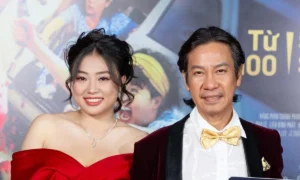
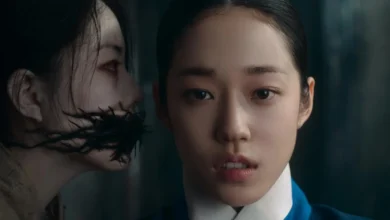
Diễn viên Thúy Anh tiếc nuối 4 năm vắng bóng và hành trình tái xuất điện ảnh đầy kỳ vọng

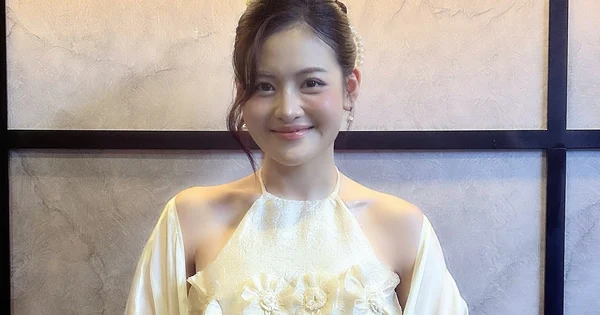
After a four-year hiatus from the silver screen, actress Thuy Anh has officially returned to the entertainment industry, marking a significant transition in her professional career. Her absence, which she describes as a period of both personal growth and professional recalibration, has prompted a reflective look at her trajectory from a promising young talent to a more mature, discerning artist. Her recent comments reveal not only the challenges of re-entering a rapidly evolving film market but also her strategic vision for the roles she hopes to inhabit in the future.
The Context of a Calculated Hiatus
The journey of Thuy Anh is one defined by the tension between academic pursuit and artistic ambition. Rising to prominence at the age of 18 with her notable performance in the acclaimed film "Dap Canh Giua Khong Trung" (Flapping in the Middle of Nowhere), she was quickly positioned as one of the most promising young faces in Vietnamese cinema. However, at the peak of this early success, she made a decision that surprised many industry observers: she chose to step back from the spotlight to focus on completing her university education.
Between the ages of 18 and 22—the formative years for any actor—Thuy Anh prioritized her formal studies over commercial opportunities. While this choice allowed her to ground herself outside the high-pressure environment of the film industry, it also created a distinct gap in her filmography. In the volatile world of show business, where visibility is often equated with relevance, a four-year absence is a substantial risk. Upon her return, the actress has acknowledged that she is essentially restarting her journey in a landscape that feels simultaneously familiar and entirely transformed.
A Reflective Return and Industry Dynamics
Thuy Anh’s return coincides with a vibrant period for Vietnamese cinema, particularly with the release of high-profile projects such as "Chau Chau Em Em 3," which features her close colleague Ninh Duong Lan Ngoc. Expressing her excitement for the industry’s recovery and progress, Thuy Anh noted that witnessing her peers succeed provides a sense of encouragement.
"The first thing I must say is ‘congratulations,’" Thuy Anh shared in an interview. "Seeing the return of a dear sister like Ninh Duong Lan Ngoc in such a major project gives me a sense of pride and inspiration, even before I have had the chance to view the film myself. It serves as a reminder of the industry’s resilience and the standard of excellence that continues to be pushed forward."
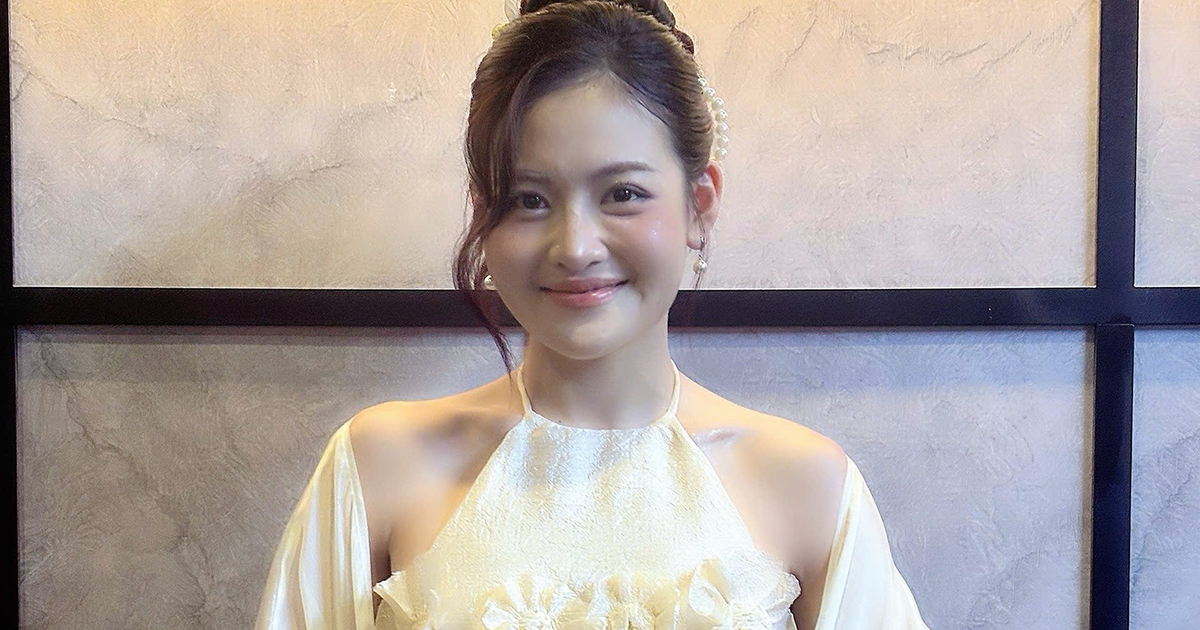
For Thuy Anh, the decision to return was never a question of ‘if,’ but ‘when.’ She describes acting as an intrinsic motivation—a "flickering flame" within her that persisted throughout her years of academic focus. This internal drive is what has allowed her to navigate the professional uncertainty that often accompanies a return to the public eye.
Strategic Selection and Artistic Evolution
Now 31, Thuy Anh approaches her career with a level of maturity that was not present in her teenage years. She is acutely aware that the industry no longer views her as the young debutante she once was, but as a woman with life experience and a clearer sense of her artistic identity.
Her current strategy involves a measured approach to role selection. While she harbors a deep desire to tackle complex, psychologically layered characters—specifically those with unpredictable arcs and intense emotional depth—she is prioritizing roles that can reconnect her with the audience. This "phased return" strategy is designed to build momentum, allowing viewers to re-familiarize themselves with her screen presence before she attempts more experimental or avant-garde performances that might require a more established brand of gravitas.
"I do not want to be pigeonholed into a single type of role," she explained. "There are many characters I yearn to play—women who are caught in the complexities of life, whose internal struggles are reflected in their actions. I am looking for scripts that challenge the conventional boundaries of character development."
The Modern Lifestyle of a Working Actress
Beyond the set, Thuy Anh’s transition back into the industry has been accompanied by a shift in her personal lifestyle. In her early twenties, the relentless pace of filming often left little room for personal decompression. Today, she emphasizes a more balanced existence, finding solace in simple, grounding activities.
Her daily routine, when not on set, is markedly different from the chaotic schedules of the past. She has become an avid reader and finds companionship in her pets, which she credits for providing the emotional stability needed to navigate the pressures of public life. Furthermore, her approach to travel has shifted; she now prefers short, local trips that allow her to disconnect from the industry’s noise without the logistical exhaustion of long-term travel.
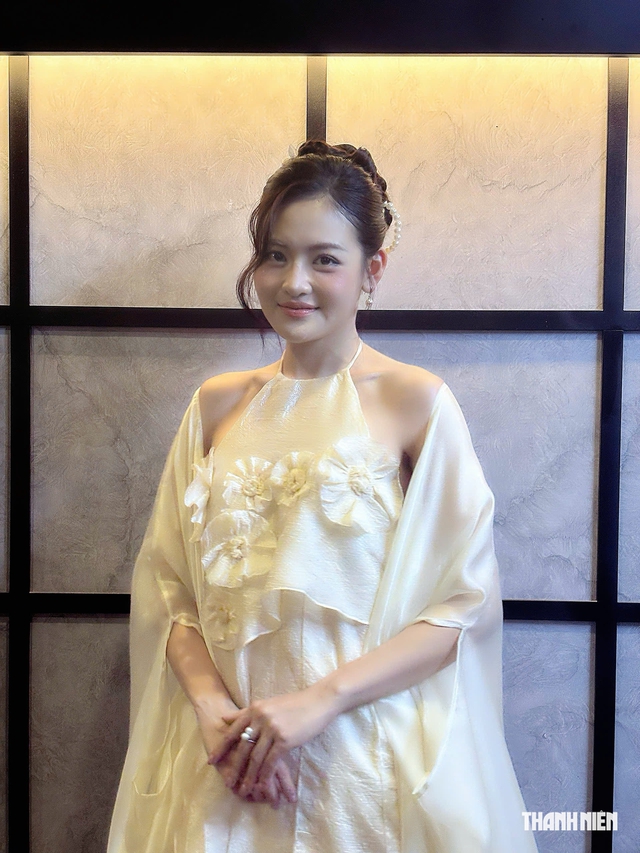
This evolution in her personal life is reflective of a broader trend among modern actors who are increasingly prioritizing mental health and personal well-being as pillars of their professional longevity. By setting firm boundaries between her work and her private life, Thuy Anh is better equipped to handle the demands of the industry, ensuring that when she does step in front of the camera, she is fully present and artistically focused.
Industry Implications and Future Prospects
The return of an actress with Thuy Anh’s pedigree and background offers an interesting case study for the Vietnamese film industry. Her trajectory highlights the necessity of "soft power" in an actor’s career—the ability to pivot, wait, and return with a renewed sense of purpose.
Analysts often point to the "four-year gap" as a double-edged sword. While it removed her from the immediate rotation of casting directors, it also granted her the life experience that many young actors struggle to simulate. As she seeks roles that require depth, her background in formal education and her personal growth during her hiatus may prove to be her greatest assets.
The challenge for Thuy Anh now is to bridge the gap between her past success and her future potential. With the current landscape of Vietnamese cinema increasingly favoring high-production values and nuanced storytelling, there is a clear space for actors who can deliver authentic, emotionally resonant performances. Whether she can secure roles that match her ambition remains to be seen, but her disciplined approach and clear-headed perspective suggest that she is not merely looking for a job—she is looking to build a sustainable, long-term career.
Conclusion
Thuy Anh’s return is more than just a headline; it is a testament to the enduring nature of artistic passion. By embracing the lessons of the past four years, she has transformed a period of silence into a foundation for a more deliberate and impactful career. As she continues to audition and seek out projects that align with her evolving artistic sensibilities, the industry watches with interest. For Thuy Anh, the goal is not to reclaim the past, but to define a future that is entirely her own—one that balances the craft of acting with the quiet, essential realities of a life lived well. As she moves forward, the focus remains clear: to continue exploring the human condition, one character at a time, with the maturity and grace that only a hard-won journey can provide.