The Long Journey of Hope and Despair: Why Patients from the Mekong Delta Continue to Overwhelm Ho Chi Minh City’s Healthcare System

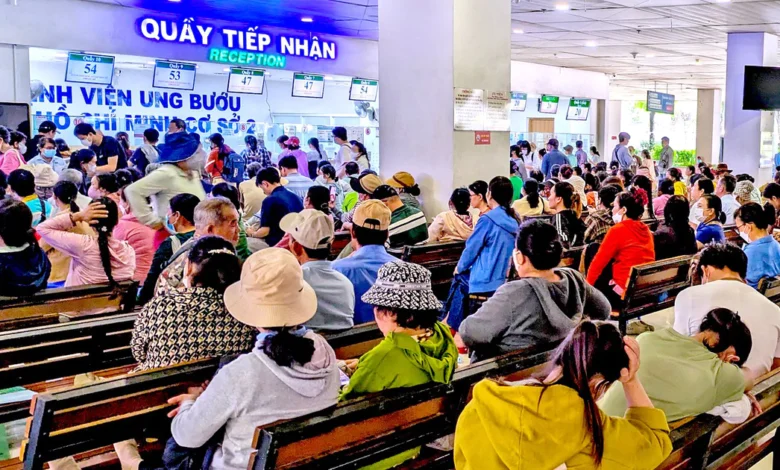
The daily pilgrimage of patients from the Mekong Delta to major medical centers in Ho Chi Minh City remains one of the most poignant and pressing challenges facing Vietnam’s healthcare infrastructure. Every morning, long before dawn breaks, thousands of residents from southwestern provinces board sleeper buses, enduring arduous journeys spanning hundreds of kilometers in search of advanced medical treatment. This relentless migration of the sick highlights deep-seated regional health disparities, financial vulnerabilities, and persistent questions surrounding the capacity and reliability of grassroots medical facilities.
Recent discussions surrounding this phenomenon have struck a profound chord among the public, shedding light on the immense physical, emotional, and economic tolls borne by rural patients. For many families in the river-bound regions of the Mekong Delta, a serious medical diagnosis represents not only a health crisis but a potential catalyst for financial ruin. While ordinary ailments are frequently managed through local pharmacies and over-the-counter remedies, the detection of severe or chronic illnesses often occurs at an advanced stage, leaving patients with few viable options other than seeking care at national or municipal tier-one hospitals in Ho Chi Minh City.
The Mechanics of Cross-Regional Medical Travel
The journey begins long before a patient steps foot inside a specialized institution like the Cho Ray Hospital, the Ho Chi Minh City Oncology Hospital, or the University Medical Center. For informal laborers, farmers, and factory workers whose daily incomes barely cover subsistence living, the costs associated with inter-provincial travel are staggering. Transportation fares, temporary lodging in guesthodes or budget motels, and daily sustenance accumulate rapidly, compounding the already high cost of specialized diagnostics and pharmacological treatments.
Compounding this financial burden is the psychological stress of navigating unfamiliar urban environments and enduring prolonged waiting times. Many patients arrive at major metropolitan hospitals after traveling overnight, only to face extensive queues. A recurring anxiety among rural patients is the fear of administrative delays, scheduling bottlenecks, or running out of prescription allocations, which frequently forces them to undertake multiple trips back and forth between their home provinces and Ho Chi Minh City. This cyclical travel not only drains meager financial resources but also delays critical interventions for vulnerable individuals.
Underlying Drivers of the Exodus: Trust and Capability
At the heart of this mass movement toward metropolitan healthcare facilities lies a complex issue of public confidence and institutional capacity. Medical experts and public policy analysts point out that while geographical distance is a physical barrier, the psychological distance—driven by a perceived lack of clinical expertise at provincial and district levels—is far more formidable.
Many residents in the Mekong Delta express skepticism regarding the diagnostic accuracy and procedural proficiency of local healthcare providers. Historical instances of misdiagnosis or delayed identification of severe conditions have eroded trust in lower-tier facilities, prompting patients to bypass local clinics entirely in favor of specialized urban hospitals. Furthermore, regional disparities in medical technology, specialized staffing, and pharmaceutical availability create systemic bottlenecks. Certain specialized medications, advanced diagnostic procedures, and targeted therapies are often restricted to higher-tier institutions or specific metropolitan centers due to procurement policies and health insurance reimbursement frameworks. Consequently, patients often calculate that enduring the initial cost of traveling to Ho Chi Minh City is more economical in the long run than undergoing preliminary testing locally only to be referred upward and forced to repeat the entire diagnostic process.
Systemic Pressures on Metropolitan Healthcare Infrastructure
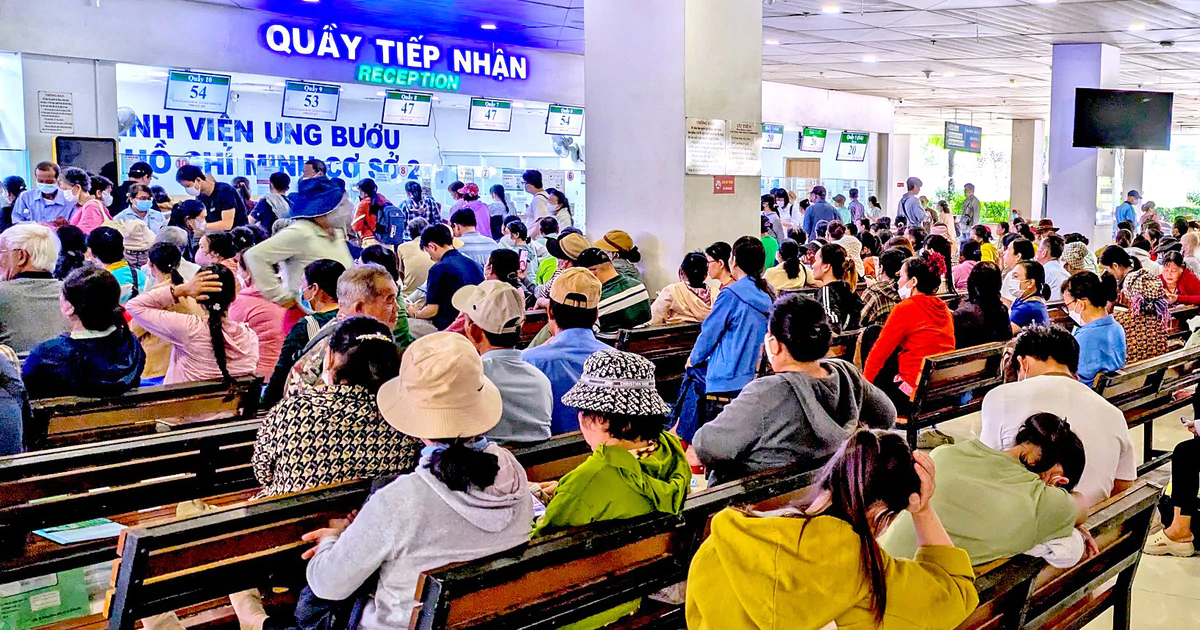
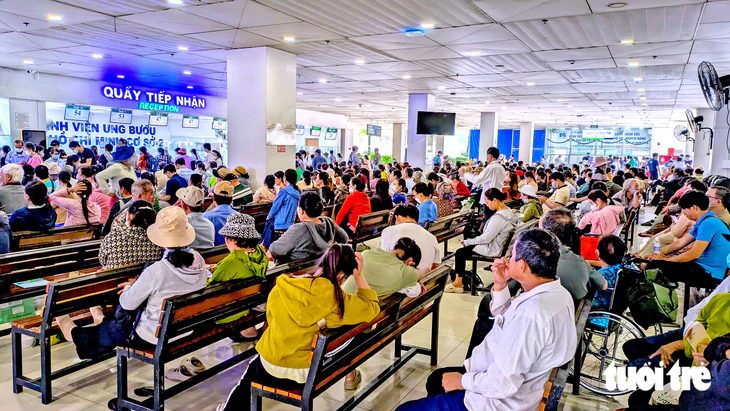
The continuous influx of patients from the Mekong Delta places an unsustainable strain on Ho Chi Minh City’s premier medical institutions. Facilities originally designed to serve the municipal population now operate well beyond maximum capacity, resulting in chronic overcrowding, exhausted medical personnel, and extended waiting lists for critical procedures such as oncology treatments and specialized surgeries.
Hospital administrators and public health officials have repeatedly highlighted the cascading effects of this over-concentration. When patients with manageable or early-stage conditions seek care at terminal-tier hospitals out of a lack of confidence in local infrastructure, the system’s primary objective—handling complex, high-risk cases—is compromised. This mismatch between patient distribution and facility capability underscores the urgent need for a comprehensive restructuring of regional healthcare delivery.
Proposed Solutions and Strategic Interventions
Addressing the systemic drivers behind this inter-provincial medical migration requires a multi-faceted approach involving infrastructure investment, administrative reform, and the strategic distribution of medical talent. Public feedback and expert analyses consistently point to several critical areas for reform:
Enhancing Regional Healthcare Infrastructure in the Mekong Delta
A primary recommendation among policymakers and citizens is the accelerated development and completion of major medical hubs within the Mekong Delta, particularly in Can Tho. While Can Tho serves as the medical center for the southwestern region, the slow progress of specialized facilities—such as expanded oncology and general medical centers—continues to drive patients toward Ho Chi Minh City. Establishing fully equipped, tier-one equivalent hospitals within the Delta would significantly reduce the need for long-distance travel.
Upgrading Grassroots Medical Competence and Retaining Talent
Investing in physical infrastructure alone is insufficient without a corresponding enhancement of human capital. Strengthening the diagnostic capabilities, surgical proficiencies, and overall clinical competence of district and provincial doctors is essential. Furthermore, implementing robust incentive programs and competitive compensation packages is critical for attracting and retaining high-caliber medical professionals in rural and regional areas, thereby dispelling the local perception of inferiority in provincial healthcare.
Digital Transformation and Administrative Streamlining
In the interim, while long-term infrastructural upgrades are underway, immediate operational efficiencies can alleviate overcrowding at metropolitan hospitals. Expanding digital health platforms—such as remote appointment scheduling via mobile applications, strict quota management, and telemedicine integrations—can help regulate patient flow and prevent early-morning overcrowding. Additionally, establishing more flexible data-sharing protocols between regional clinics and central hospitals would enable routine follow-ups, diagnostic reviews, and medication refills to be executed locally, sparing patients the physical and financial exhaustion of repeated long-distance journeys.
Optimizing Health Insurance and Pharmaceutical Policies
Reforms within the social health insurance framework are equally vital. Expanding the accessibility and reimbursement scope of advanced therapeutic drugs and specialized diagnostic procedures across lower-tier facilities would eliminate financial disincentives that currently compel patients to seek care exclusively at central institutions.
Conclusion
The migration of patients from the Mekong Delta to Ho Chi Minh City is a clear indicator of broader structural challenges within Vietnam’s public health system. While the resilience of these patients reflects a profound determination to preserve life and health, the systemic reliance on a few overburdened metropolitan centers is unsustainable. Resolving this challenge demands sustained national investment, strategic decentralization of medical expertise, and structural reforms designed to ensure that high-quality healthcare is accessible regardless of geography.
Related posts: