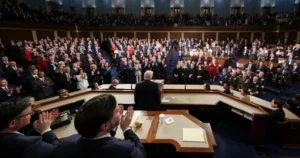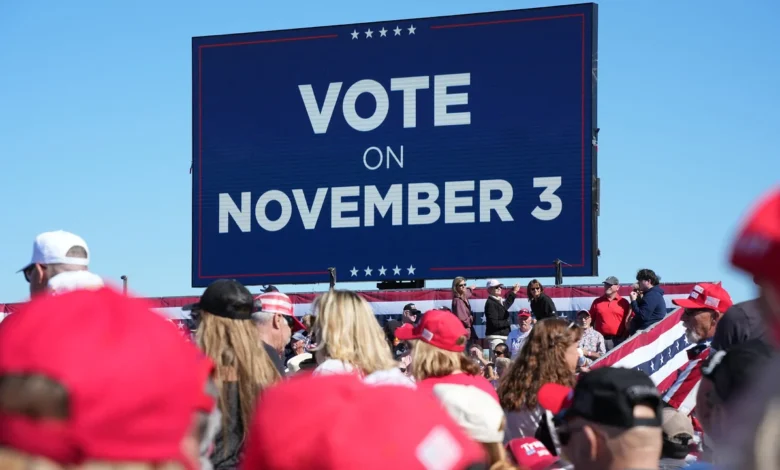
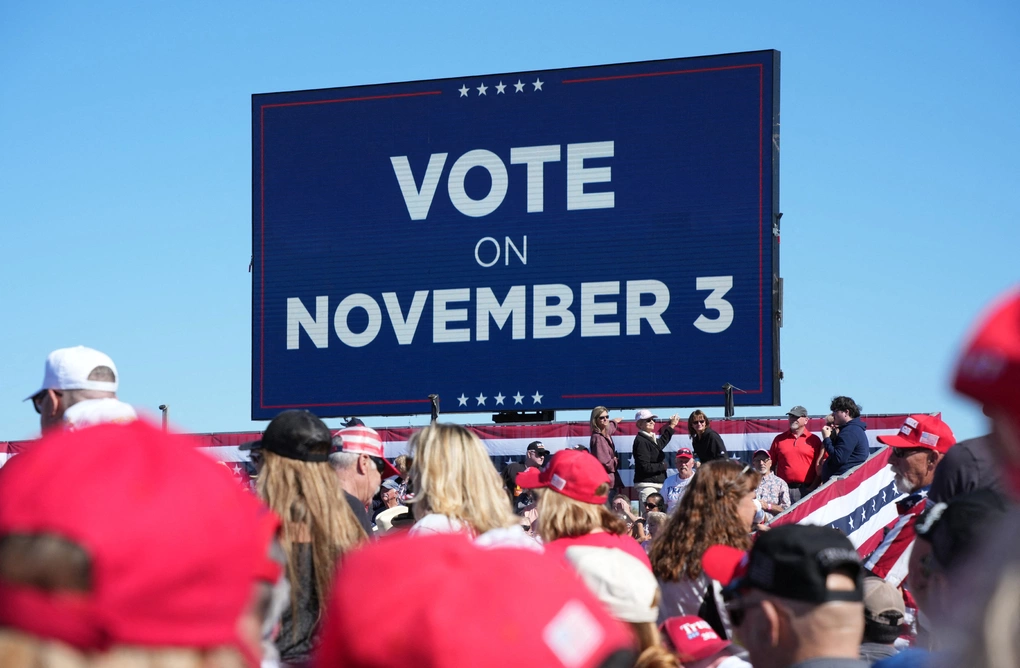
On November 3, the United States will hold its quadrennial midterm elections, a pivotal political event that will determine the composition of the entire House of Representatives and one-third of the Senate. This election cycle serves as a critical referendum on the administration of President Donald Trump, effectively deciding the legislative landscape for the final two years of his term. While presidential elections capture the world’s attention, midterm contests act as the silent engine of American democracy, possessing the profound power to accelerate, stall, or entirely reverse the executive agenda.
The Mechanics of the Midterm Landscape
The United States Congress consists of two chambers: the House of Representatives, with 435 seats up for election every two years, and the Senate, comprising 100 seats, with senators serving six-year terms. Senate seats are staggered into three classes—Class I, II, and III—to ensure continuity. This year, the focus is on Class II senators, whose terms conclude in January 2027. Additionally, the electoral map has been complicated by the resignation of several high-profile legislators who transitioned into the Trump administration, specifically J.D. Vance and Marco Rubio, necessitating special elections to fill those vacancies.
Historically, the party of the incumbent president faces significant headwinds during midterm elections. Data from the Council on Foreign Relations (CFR) indicates that, since World War II, the president’s party has lost an average of 31 seats in the House. Only two notable exceptions exist: 1998, when the Democratic Party gained five seats under Bill Clinton, and 2002, when the Republican Party secured an additional eight seats under George W. Bush. Analysts are closely watching whether the current administration can defy these historical trends or if the "midterm curse" will prevail.

The High Stakes of Legislative Control
The Republican Party currently holds a narrow majority in the House, standing at 219 to 214, with two vacancies. Because the margin is razor-thin, the outcome of this election is expected to be decided in a handful of "toss-up" districts. According to the non-partisan Cook Political Report (CPR), 21 House races and 7 Senate races are currently classified as highly competitive.
Should the Democratic Party capture the House—requiring a net gain of just four seats—the legislative branch would undergo a seismic shift. A Democratic-controlled House would possess the subpoena power to initiate oversight investigations into the Trump administration, potentially leading to impeachment proceedings or intense scrutiny of executive actions. Conversely, a Republican sweep would grant the President a "green light" to accelerate his agenda, including aggressive tax reform, funding increases for the Immigration and Customs Enforcement (ICE) agency, and the dismantling of public health initiatives implemented by the previous administration.
Economic Concerns and Voter Sentiment
The economy remains the primary driver of voter sentiment. American households are currently grappling with the cumulative effects of inflation, high fuel prices, and the rising cost of housing and healthcare. Inflationary pressures remain above the Federal Reserve’s target, a reality that the opposition party attributes to current trade policies and tariff structures.
Public opinion polling suggests a growing sense of disillusionment among key demographics. Specifically, Latino voters—a group that played a critical role in President Trump’s 2024 victory—are increasingly expressing frustration with the pace of economic recovery and specific executive policies. Whether these voters will turn out for Republican candidates or shift their support in the midterms remains the most significant variable in the national electoral calculus.
Immigration and the Border Crisis
Immigration continues to be a central pillar of the political discourse. The Republican platform has focused heavily on the implementation of strict border control measures and large-scale deportation campaigns. While the administration frames these actions as the fulfillment of a core campaign promise, critics point to the logistical challenges and potential for social instability.
The debate is further complicated by the rapid emergence of Artificial Intelligence (AI) as a factor in the election, with both parties using AI-driven analytics to target voters in "battleground" districts. Experts at major political research institutions suggest that the digital divide and the speed of misinformation campaigns could influence late-deciding voters, particularly in suburban areas where the margins are thinnest.
Chronology of the 2026 Cycle
The road to November 3 has been marked by significant volatility. In early 2026, the administration faced challenges related to international tensions in Iran, which inadvertently spiked energy costs and hampered domestic manufacturing. Throughout the summer, state legislatures across the country engaged in aggressive redistricting efforts, aiming to solidify party advantages.
By mid-October, early voting data began to provide a glimpse into the electorate’s mood. With over 100 million ballots expected to be cast, the sheer volume of early and mail-in voting suggests high levels of political engagement. This surge in participation is likely a direct response to the perceived stakes: voters recognize that the outcome will dictate the trajectory of federal judicial appointments, executive orders, and the government’s response to global economic shifts.

The Senate: A Strategic Battleground
In the Senate, the Republican Party enters the election with a 53-47 advantage, though this count includes two independents, Angus King and Bernie Sanders, who typically caucus with the Democrats. The race for the Senate is less about changing the majority and more about expanding it.
The vacancy of seats previously held by high-level officials like J.D. Vance has turned once-stable states into intense battlegrounds. The political fallout from these vacancies has forced party leadership to divert significant campaign resources to states that were not originally on the electoral map. This strategic redirection could have a domino effect on the resources available for the House campaigns, where the majority is truly in play.
Implications for the Final Two Years
Regardless of the outcome, the results of the midterms will fundamentally alter the power dynamic in Washington.
- If Republicans hold both chambers: The President will likely move to solidify his legislative legacy, focusing on long-term tax cuts, deregulation, and judicial appointments.
- If Democrats gain control of one or both chambers: The political landscape will shift toward "divided government," characterized by gridlock, budget battles, and a barrage of congressional inquiries.
Leadership in the House, led by Democrats like Hakeem Jeffries, has already outlined a "100-day agenda" focused on blocking executive cuts to healthcare, challenging the President’s tariff authority, and reclaiming legislative oversight. This sets the stage for a period of intense confrontation between the White House and the Capitol.

Expert Analysis and Forecasts
Political scientists emphasize that the midterm election is less about ideology and more about the "check and balance" mechanism. History shows that when the electorate feels the executive branch is overreaching, they use the midterms to recalibrate. The 2026 election will test whether the current political polarization will lead to a record-breaking turnout or if voter fatigue will suppress participation in key areas.
As the nation approaches November 3, the final days of the campaign are expected to focus on local issues in competitive districts. The ability of either party to effectively communicate their vision for the economy, border security, and national stability will be the deciding factor. As it stands, the election remains a dead heat in many jurisdictions, promising a long, closely watched night of ballot counting that will determine the final chapter of the current administration’s tenure.
Related posts: