Kidney Health and Recovery: Three Critical Factors Determining the Potential for Renal Regeneration

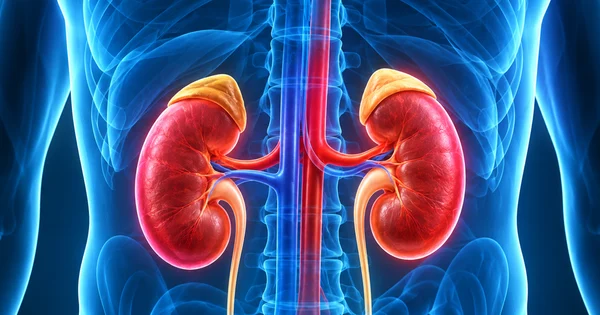
The human kidney is a remarkably resilient organ, yet its capacity to recover from injury is rarely a guarantee of a return to baseline function. While the kidneys possess an intrinsic ability to heal from certain acute insults, the prospect of functional restoration is inextricably linked to the nature of the injury, the severity of the damage, and the timeliness of clinical intervention. Understanding the physiological mechanics of renal recovery is essential for patients and clinicians alike, as it dictates long-term prognosis and the management of chronic conditions.
According to medical consensus and data synthesized from health resources such as Healthline and clinical studies by the University of Michigan, the trajectory of kidney recovery is a complex biological process. It is rarely a simple "bounce back" scenario; instead, it is a nuanced progression that depends on the underlying pathology, the extent of cellular necrosis, and the effectiveness of therapeutic strategies employed during the acute phase of injury.
Defining the Landscape: Acute vs. Chronic Renal Injury
To understand recovery, one must first distinguish between the two primary classifications of renal damage: Acute Kidney Injury (AKI) and Chronic Kidney Disease (CKD). These two conditions represent fundamentally different clinical realities.
Acute Kidney Injury is characterized by a rapid, often sudden, decline in renal function occurring over a period of hours to days. It is frequently seen in clinical settings where patients have suffered severe dehydration, significant blood loss, or overwhelming systemic infections. In these instances, the kidney’s primary filtration units—the nephrons—are deprived of the necessary blood flow required to maintain homeostasis. Conversely, Chronic Kidney Disease is defined by a progressive, irreversible loss of function over months or years. It is often the result of long-term systemic issues such as uncontrolled hypertension, diabetes, or autoimmune-mediated glomerulonephritis.
The recovery potential for AKI is generally higher, provided the insult is corrected early. However, if the injury is left untreated, or if the initial damage is sufficiently severe, AKI can transition into CKD, creating a permanent state of diminished filtration capacity.
The Role of Nephrons and the Mechanics of Damage
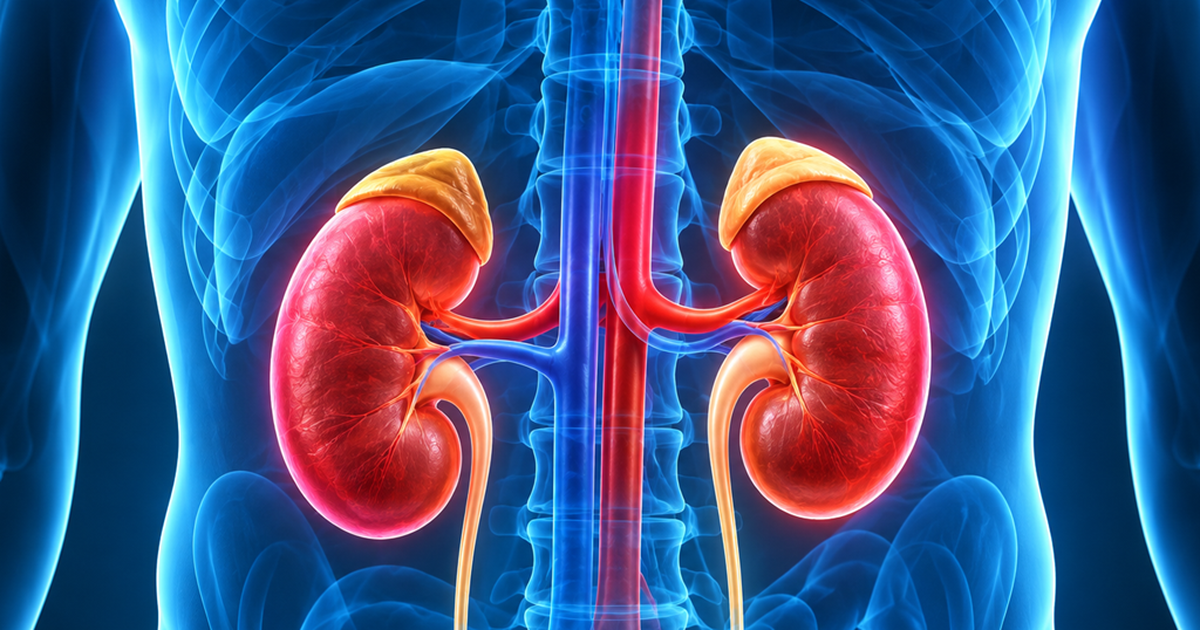
Nephrons are the functional units of the kidney, responsible for filtering blood, reabsorbing essential electrolytes, and synthesizing urine. A healthy human kidney contains approximately one million nephrons. When injury occurs, these delicate structures can become overwhelmed.
In mild cases of AKI, such as those caused by transient dehydration, the tubular cells within the nephrons have a remarkable capacity for repair and regeneration. Once the underlying cause—such as volume depletion or an electrolyte imbalance—is addressed, these cells can resume their normal function. However, the regenerative capacity of the kidney is not infinite.
Repeated injury or severe, prolonged exposure to toxic agents (such as the misuse of non-steroidal anti-inflammatory drugs or NSAIDs) can lead to the death of these cells. When a nephron is destroyed, it cannot be replaced. Instead, the tissue undergoes a process called fibrosis, or scarring. As more nephrons are lost to scarring, the remaining healthy units must work harder to compensate, a process known as hyperfiltration. While this helps maintain function in the short term, it places excessive strain on the remaining nephrons, ultimately accelerating their decline and leading to a permanent reduction in overall renal efficiency.
The Critical Timeline of Intervention
The importance of timing cannot be overstated. Dr. Rajiv Saran, a specialist in nephrology at the University of Michigan, emphasizes that the window for intervention is often narrow. When an injury is detected early, medical professionals can implement targeted therapies—such as fluid resuscitation, infection management, or blood pressure stabilization—before the damage reaches a point of no return.
The chronology of a typical renal recovery scenario often follows a distinct pattern:
- The Insult Phase: The initial trigger occurs (e.g., hypotension, drug-induced toxicity, or urinary tract obstruction).
- The Clinical Detection Phase: Diagnostic markers, such as serum creatinine levels and glomerular filtration rate (GFR), indicate a decline in function.
- The Intervention Phase: Medical professionals act to resolve the primary cause.
- The Regenerative Phase: If the injury was caught early, the kidney begins the process of cellular repair.
- The Remodeling Phase: The kidney attempts to adapt to any permanent loss of tissue, balancing the workload across the remaining healthy nephrons.
If the intervention is delayed, the probability of complete recovery drops significantly. The transition from an acute event to a state of chronic, irreversible damage is often marked by the formation of scar tissue, which is essentially non-functional "dead space" within the organ.
The Impact of Lifestyle and Comorbidities
While clinical intervention is paramount, the long-term health of the kidneys is also influenced by the patient’s underlying health profile. Diabetes and hypertension remain the leading global causes of chronic renal failure. In these patients, the kidneys are under constant, low-grade stress.
For a patient with diabetes, the primary goal is the strict control of blood glucose levels. High blood sugar damages the small blood vessels in the kidneys, impairing their ability to filter waste. For those with hypertension, maintaining blood pressure within a specific, healthy range is critical to preventing the mechanical strain that leads to vascular damage in the renal arteries.
Furthermore, the misuse of medications is a major, often overlooked, factor. NSAIDs, such as ibuprofen and naproxen, are commonly used for pain relief but can be toxic to the kidneys, particularly when the body is already in a state of dehydration. When taken during an acute illness or by individuals with pre-existing renal vulnerability, these drugs can turn a manageable health issue into a full-blown crisis.
Statistical Context and Global Implications
According to data from the Global Burden of Disease study, millions of people worldwide suffer from some form of kidney disease. The economic and social impact is staggering, with billions of dollars spent annually on dialysis and transplant services.
The shift from acute management to preventative care is the current focus of the international nephrology community. By identifying the factors that predispose individuals to kidney damage—such as early-stage hypertension or high-risk medication usage—healthcare systems can reduce the incidence of end-stage renal disease (ESRD).
Analysis of recent trends suggests that public awareness campaigns regarding hydration, the dangers of indiscriminate medication use, and the importance of routine screening for blood pressure and glucose levels are having a positive impact. However, the prevalence of obesity and sedentary lifestyles continues to present a significant hurdle to long-term renal health.
Clinical Best Practices for Future Prognosis
For individuals concerned about their renal health, medical experts offer three core recommendations:
- Regular Monitoring: Individuals with family histories of kidney disease or those with diabetes and hypertension should undergo routine screening. Early detection of a drop in GFR is the most effective way to prevent permanent damage.
- Medication Management: Always consult a healthcare provider before starting long-term use of over-the-counter pain medications. Understanding how these drugs interact with renal function is vital.
- Proactive Lifestyle Adjustments: Hydration is essential, but it must be balanced. Maintaining a diet low in sodium and high in fiber can significantly reduce the workload on the kidneys.
The ability of the kidney to recover is a testament to the biological complexity of the human body, but it is not a reason for complacency. By respecting the physiological limits of these vital organs and seeking prompt medical attention when symptoms of dysfunction arise, patients can significantly improve their odds of maintaining long-term health and functional longevity. The future of renal medicine lies in the balance between advanced clinical intervention and the patient’s commitment to ongoing, proactive health management.