Vice President JD Vance Steps Up Campaign Trail Footprint to Solidify Status as Frontrunner for 2028 Republican Presidential Nomination

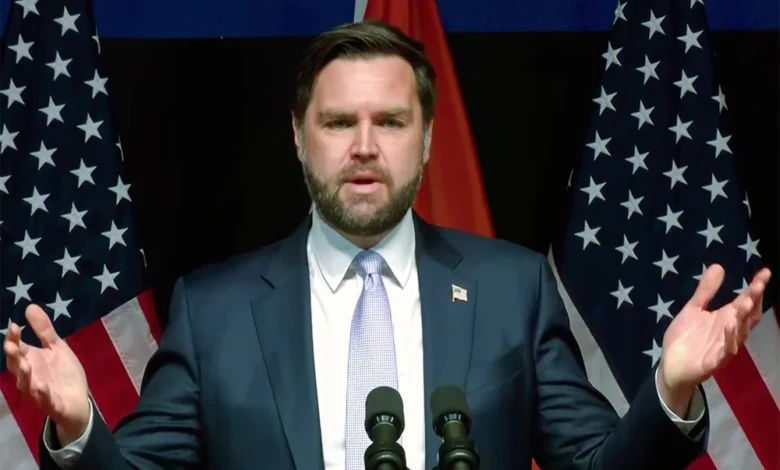
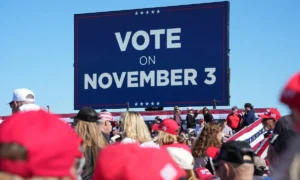
As the United States approaches the critical November 3 midterm elections, Vice President JD Vance has maintained an intensive campaign schedule across the country, utilizing the political spotlight to hone his debate skills, build powerful alliances, and cement his position as the leading prospective successor to President Donald Trump. While President Trump continues to headline large-scale rallies nationwide, Vice President Vance has carved out a rigorous travel itinerary of his own. Although the scale of his individual events and the size of the crowds often remain modest compared to the sitting president, political analysts view his aggressive outreach as a calculated, long-term masterclass in preparation for the 2028 presidential primary cycle.
Navigating the Post-Trump Political Landscape
The transition of power within the Republican Party following the second administration of Donald Trump presents a complex puzzle for any aspiring conservative leader. Vance, who rose to national prominence as the bestselling author of the memoir Hillbilly Elegy and later as a senator from Ohio, has increasingly leaned into his identity as the ideological heir to the "Make America Great Again" (MAGA) movement. At 42 years old, Vance benefits from youth, media savvy, and enthusiastic backing from younger demographics within the conservative base.
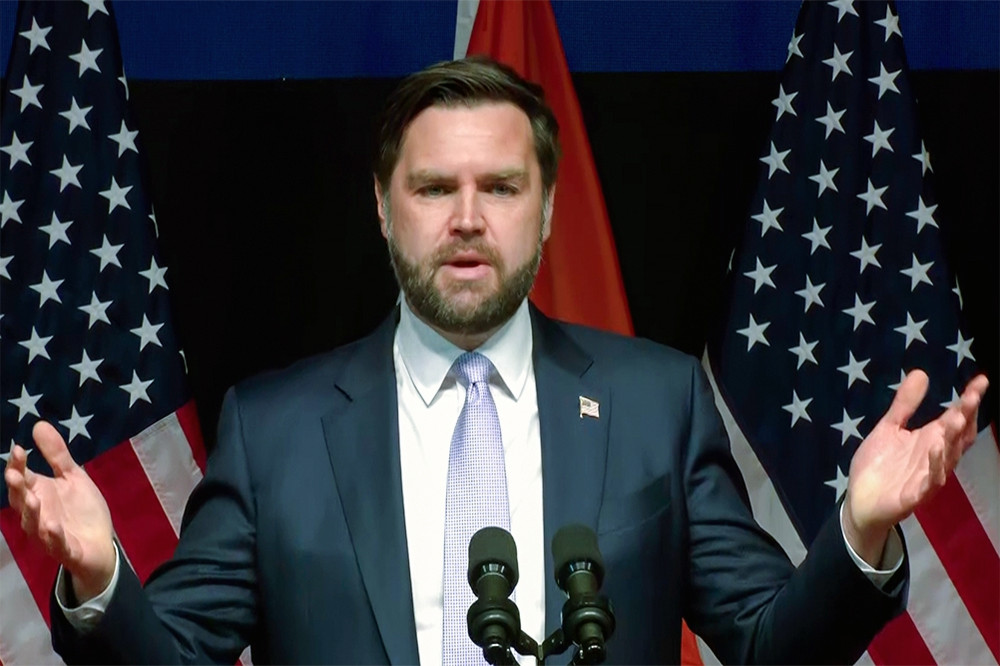
However, positioning oneself as the natural successor to a political figure as dominant as Donald Trump requires a delicate balancing act. Analysts note that Vance must simultaneously demonstrate unwavering loyalty to the MAGA platform while establishing a distinct political identity capable of appealing to the broader American electorate. This dual mandate is further complicated by internal party dynamics, shifting voter priorities, and potential primary challengers waiting in the wings.
Among the potential rivals for the 2028 Republican nomination, Secretary of State Marco Rubio has frequently been mentioned by political observers. Yet, Rubio has taken a more cautious approach to future presidential speculation, largely avoiding intense campaign trails, though he recently joined President Trump at a high-profile rally in Texas. While President Trump has not officially endorsed any candidate for the next cycle, he has occasionally mused about the prospect of Vance and Rubio appearing on a joint ticket—a scenario some strategists refer to as a "dream team" for the party’s establishment and populist factions alike.
A Chronology of the 2026 Midterm Campaign Trail
Throughout the final weeks leading up to the November 3 midterm elections, Vice President Vance’s schedule has reflected a deliberate focus on competitive battleground states and districts where the balance of power in Congress hangs in the balance.
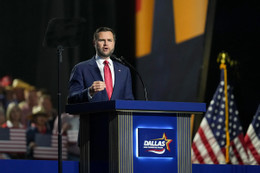
In late October, Vance embarked on a high-intensity swing through several pivotal states, including Kansas, Montana, North Carolina, and Texas. On October 29, he addressed an enthusiastic crowd at a rally in Weatherford, Texas—a deeply conservative stronghold—where he called on voters to reject Democratic Senate candidate James Talarico and criticized progressive economic platforms. Attendees frequently chanted "JD!" in a display of vocal support.
Days later, Vance returned to his home state of Ohio on November 2 to campaign for Republican candidates locked in tight races for governor and the U.S. Senate. He also traveled to Rome, New York, situated within the state’s fiercely contested 21st congressional district, where local House races have been rated as toss-ups by nonpartisan election forecasters such as the Cook Political Report.
Strategic planners within the Republican Party have emphasized that these cross-country stops serve as practical proving grounds rather than mere symbolic appearances. By throwing his weight behind down-ballot candidates, Vance is actively accumulating political capital, forging alliances with local donors, and demonstrating his utility as a national surrogate for the administration.
Balancing Populist Loyalty with Independent Policy Positions
Vance’s path forward is not without hurdles. Critics from both the Democratic Party and rival factions within the Republican Party have scrutinized his policy stances and public communication style. One of the central challenges for Vance is addressing voter anxieties regarding economic pressures, particularly the soaring cost of housing and living expenses for younger generations.
During a recent Fox News town hall in Texas, Vance was pressed on how young Americans can achieve homeownership and raise families in an increasingly difficult financial environment. While offering policy perspectives rooted in conservative family values, the exchange underscored the vulnerability politicians face when addressing persistent economic dissatisfaction. Democratic opponents quickly seized on the remarks, arguing that the administration’s economic message often feels disconnected from the everyday struggles of working-class citizens.
Furthermore, Vance has occasionally found himself at odds with other high-profile conservatives. His public endorsement of controversial campaign advertisements by Ohio congressional candidate Vivek Ramaswamy drew mixed reactions within party ranks, highlighting the underlying ideological tensions that continue to shape the post-Trump Republican coalition.
The Primaries of 2028: The Ultimate Test of Conservative Cohesion
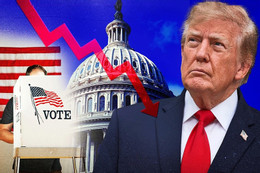
Looking ahead, political strategists agree that the true test of Vance’s political viability will arrive approximately fifteen months from now, when the state-by-state primary season officially kicks off with the Iowa caucuses. While Vance currently commands strong support among populist and working-class conservatives—particularly in the Rust Belt and Appalachia—converting that enthusiasm into actual primary ballots will require navigating an increasingly crowded and competitive field.
Republican strategist Chris Johnson noted that if the party experiences a period of strategic reassessment following the midterm results, Vance’s name will undoubtedly be at the forefront of discussions concerning the future direction of the conservative movement. However, Johnson cautioned that a disappointing outcome for Republicans in the midterms could shake up the political calculus, forcing prospective candidates to work even harder to secure broad-based support.
Dan Eberhart, a prominent Republican donor, echoed this sentiment, emphasizing that Vance is actively sharpening his campaign skills and expanding his network. "Vance is putting in the groundwork," Eberhart observed. "He may not draw the massive crowds that Trump does, but he has shown considerable rhetorical force and personal resonance, particularly when articulating the concerns of working-class families."
Broader Implications for American Politics
The outcome of the November 3 midterm elections carries profound implications not only for the legislative balance in Washington but also for the trajectory of the 2028 presidential race. As the Republican Party navigates the complexities of a political era defined by populism, economic anxiety, and generational change, the actions of leaders like Vice President JD Vance will be closely monitored.
Whether Vance can successfully bridge the gap between the populist fervor of the Trump era and the broader demands of a shifting electorate remains one of the most compelling storylines in modern American politics. For now, the Vice President remains laser-focused on delivering a victory for his party in the midterms, knowing full well that his political future depends heavily on the foundations he builds today.