Possible Love Triumphs at the 83rd Venice International Film Festival with Prestigious FIPRESCI Prize

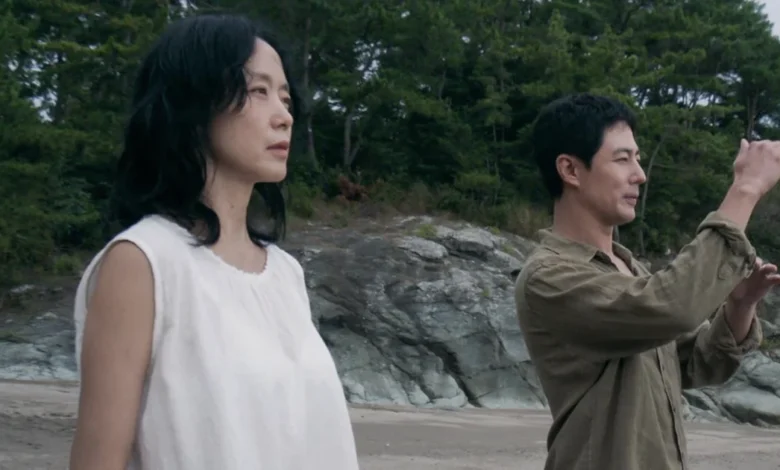
The 83rd Venice International Film Festival witnessed a monumental moment for Asian cinema as Possible Love, the highly anticipated new feature from acclaimed South Korean auteur Lee Chang-dong, was officially awarded the prestigious FIPRESCI Prize by the International Federation of Film Critics. The accolade represents a significant milestone not only for the director, who returns to the global filmmaking vanguard after a nearly decade-long hiatus, but also for the film’s stellar ensemble cast, featuring prominent South Korean stars Jo In-sung and Jeon Do-yeon in tour-de-force leading roles.
The announcement, delivered by the festival’s jury of international critics, places Possible Love firmly at the center of critical conversations surrounding contemporary cinematic excellence. As the festival approaches its grand finale and the announcement of the coveted Golden Lion, the film has emerged as a formidable frontrunner, capturing the imagination of cinephiles and critics alike with its profound exploration of human vulnerability, social stratification, and the intricate dynamics of modern relationships.
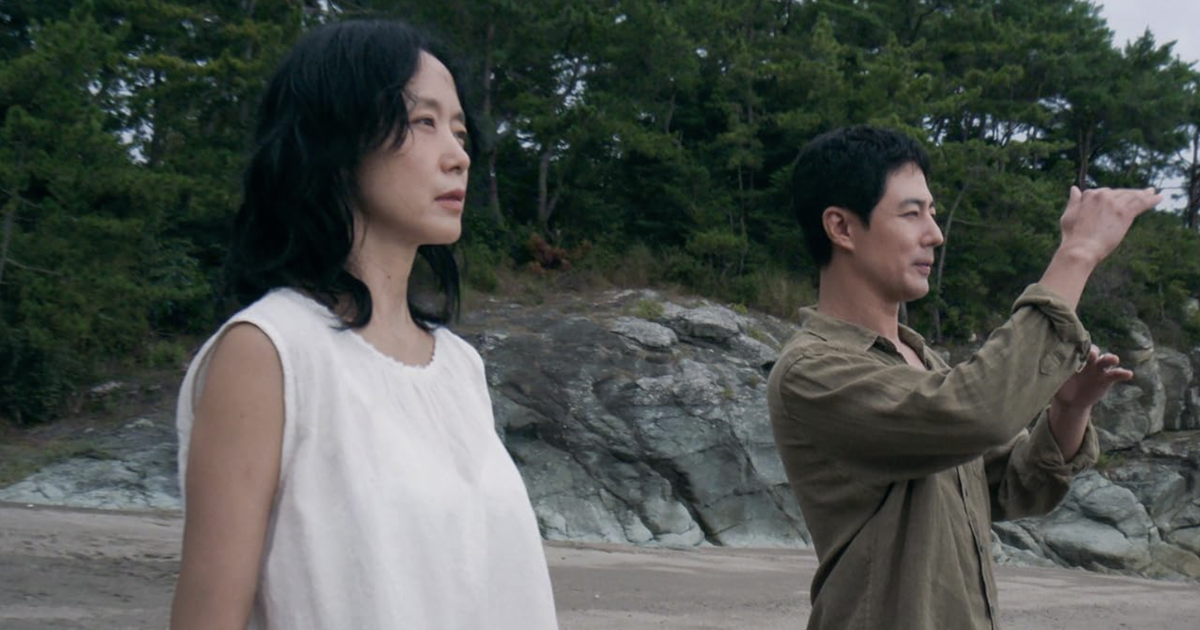
A Triumphant Return for Master Auteur Lee Chang-dong
The victory at the Venice Film Festival marks the second time director Lee Chang-dong has claimed the esteemed FIPRESCI Prize, following his landmark achievement with the tragic romance Oasis back in 2002. That earlier masterpiece not only secured the international critics’ prize but also earned Lee the Best Director award, alongside a breakout Best Actress win for Moon So Ri, cementing his status as a titan of modern Korean cinema.
Possible Love serves as Lee’s first directorial effort since his internationally lauded 2018 mystery drama Burning, which similarly captivated audiences at the Cannes Film Festival and raised the bar for psychological storytelling. Known for his meticulous pacing, deeply empathetic character studies, and uncompromising critiques of societal structures, Lee has once again demonstrated his unparalleled ability to dissect the human condition.
The eight-year gap between Burning and Possible Love only heightened anticipation within the global film community. Industry observers and festival organizers had speculated intensely on whether Lee’s return would meet the towering expectations set by his previous filmography. With the bestowal of the FIPRESCI Prize, those questions have been definitively answered, affirming that Lee’s creative vision remains as sharp, resonant, and vital as ever.

Critical Acclaim and the FIPRESCI Jury’s Rationale
The FIPRESCI Prize is awarded annually by an independent jury of international film critics to a production that demonstrates exceptional artistic merit, originality, and a distinct critical voice among the slate of competing features. In their official citation, the jury praised Possible Love for its narrative ambition and thematic depth, specifically highlighting how the film centers on the relentless struggles of negotiation and seduction.
Furthermore, the critics commended the film’s courage in posing complex, uncomfortable questions regarding exposure, social class, vulnerability, love, desire, ownership, and the inherent ethical dilemmas of storytelling itself. The narrative framework—which pivots around a wealthy documentary filmmaker who trains her camera on a working-class couple recently facing sudden unemployment—provokes profound moral inquiries. The film challenges audiences to consider whether the act of observing and documenting the suffering of others constitutes a sophisticated, socially acceptable form of exploitation.
From its world premiere on September 6, Possible Love signaled its awards-season potency by eliciting a thunderous seven-minute standing ovation inside the Venice screening rooms. International trade publications and broadsheets quickly flooded the festival circuit with glowing reviews. According to the aggregate scoring grid maintained by Venezia News across a five-point scale, Possible Love achieved an impressive average of 4.61 points. Top-tier international film journals, including Screen International, The Hollywood Reporter, and the French daily Le Monde, awarded the film absolute top marks.

Narrative Architecture and Character Dynamics
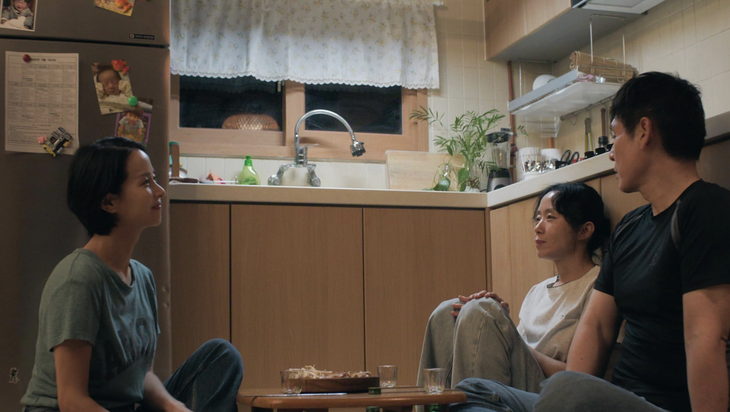
At its core, Possible Love weaves a haunting tapestry of human interaction, driven by the collision of two vastly different worlds. The plot unfolds as the lives of two couples intertwine during the production of a documentary project. On one side are a husband and wife navigating the harsh economic realities of job loss and working-class precarity; on the other side is a wealthy documentary filmmaker and her husband.
This unexpected intersection forces all four individuals to confront not only the stark socioeconomic disparities that dictate their daily existences but also the deeply buried desires and emotional vulnerabilities they have long concealed. Rather than relying on bombastic plot twists or sensational narrative devices, Lee Chang-dong constructs tension through quiet, lingering glances, unspoken longings, and the raw friction of contemporary relationships.
Prominent film critics have been quick to dissect the sociological underpinnings of the film. Screen International published an in-depth analysis noting how nearly every relationship depicted onscreen is subtly governed by evolutionary pressures inextricably tied to financial security or the lack thereof. Meanwhile, Vulture praised the film’s nuanced handling of class and entitlement, observing that Lee articulates systemic inequality not through grand political speeches, but through the intense, quiet yearnings of characters caught in the machinery of modern life.
Festival Reception and Golden Lion Prospects
As the 83rd Venice International Film Festival draws to its official close, speculative fever surrounding the Golden Lion has reached a crescendo. Daily trade bulletins and critic polls have consistently placed Possible Love near the pinnacle of predictions. Film Comment notably positioned the film at the forefront of the competition alongside Maya El-Toukhy’s Woman Unknown, identifying Lee’s latest work as a masterclass in tension and thematic coherence.
The international press corps stationed on the Lido has lauded the production values, the atmospheric cinematography, and, above all, the powerhouse performances delivered by Jo In-sung and Jeon Do-yeon. Both actors have long established themselves as heavyweights in Korean cinema, but their collaboration under Lee’s meticulous direction has yielded some of the most emotionally resonant work of their respective careers. Their ability to convey complex psychological states with minimal exposition has been singled out as a primary driver of the film’s critical triumph.
Broader Implications for Global Cinema
The recognition of Possible Love at Venice underscores the continued global dominance and artistic vitality of South Korean cinema. Over the past two decades, Korean filmmakers have consistently bridged the gap between arthouse critical acclaim and mainstream international appeal. Lee Chang-dong, alongside contemporaries like Bong Joon-ho and Park Chan-wook, has played a pivotal role in redefining the boundaries of world cinema, proving that regionally grounded stories can possess universal resonance.
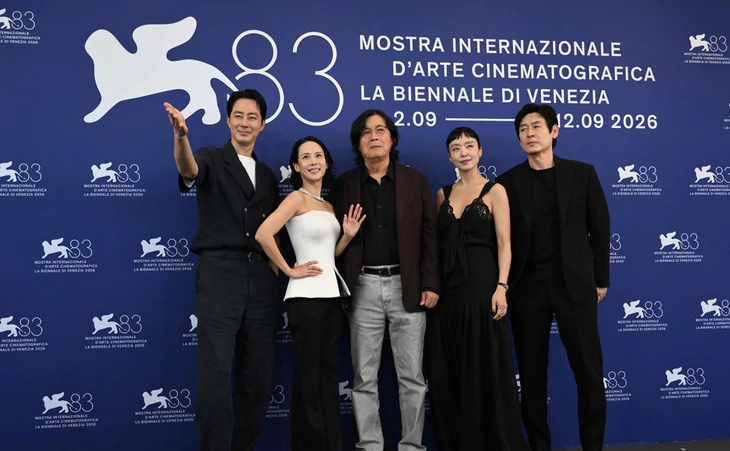
The FIPRESCI win not only elevates the film’s profile ahead of its anticipated international theatrical releases and subsequent festival runs, but it also solidifies its place in cinematic history. By tackling themes of voyeurism, economic disenfranchisement, and the ethics of representation, Possible Love transcends the traditional boundaries of romantic drama, offering a mirror to the anxieties of the twenty-first century.
As festival organizers prepare for the closing ceremonies on September 13, the momentum behind Possible Love remains undeniable. Whether the film ultimately captures the ultimate prize of the Golden Lion or leaves the Lido with its critically prestigious FIPRESCI win, it has already secured its legacy as one of the defining cinematic achievements of the decade. Lee Chang-dong has once again proven that true cinematic artistry lies not in easy answers, but in the courage to ask the difficult questions about how we live, love, and observe one another in an unequal world.