Binh Duong Province Accelerates Digital Transformation and Scientific Innovation Under New Provincial Steering Committee

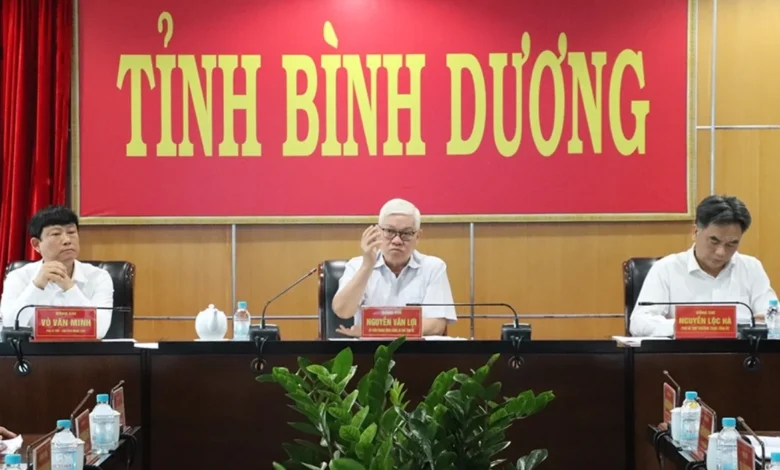
Binh Duong Province, a pivotal industrial hub in Southern Vietnam, has officially inaugurated a new Steering Committee for the Development of Science, Technology, Innovation, and Digital Transformation. The establishment of this body, announced during a high-level meeting on February 10, marks a strategic pivot for the province as it seeks to move beyond traditional manufacturing and transition toward a knowledge-based, high-tech economy. Led by Mr. Nguyen Van Loi, Secretary of the Provincial Party Committee and Head of the Binh Duong National Assembly Delegation, the initiative serves as the operational mechanism for implementing the Central Politburo’s Resolution No. 57-NQ/TW, which outlines the national roadmap for scientific and technological advancement.
The Strategic Mandate of Resolution 57
Resolution No. 57-NQ/TW represents a fundamental shift in Vietnam’s economic philosophy. Recognizing the limits of labor-intensive growth, the Central Politburo has tasked local governments with fostering an environment where research and development (R&D) and digital infrastructure drive productivity. For Binh Duong—a province historically celebrated for its rapid industrialization and foreign direct investment (FDI) success—this mandate is existential.
During the inaugural session of the Steering Committee, Secretary Nguyen Van Loi emphasized that Binh Duong stands at a critical juncture. "To avoid the middle-income trap and maintain our competitive edge in the global supply chain, we must institutionalize the principles of digital transformation and innovation," he stated. The committee is charged with drafting regulatory frameworks that govern the province’s digital transition, creating a provincial-level advisory council, and establishing clear performance indicators for departments and local enterprises to meet by 2030.
A Chronology of Digital Modernization
Binh Duong’s commitment to digital governance is not a new development, but rather the culmination of several years of structured investment. The province has consistently ranked at the forefront of Vietnam’s digital economy rankings.
- 2023-2024: The province successfully integrated its Intelligent Operations Center (IOC) with 100% of provincial departments and agencies, facilitating real-time data sharing across all administrative levels.
- Early 2024: Binh Duong submitted a formal proposal to the Prime Minister for the establishment of a centralized Information Technology Park, intended to serve as a hub for tech-sector startups and R&D activities.
- February 10, 2025: Official announcement of the "Steering Committee for the Development of Science, Technology, Innovation, and Digital Transformation," tasked with centralizing and streamlining these disparate efforts.
- Upcoming Q2 2025: Expected launch of the Provincial Digital Transformation Center to coordinate private-public partnerships in AI and cloud computing.
Data-Driven Governance: The Binh Duong Model
Binh Duong’s current digital infrastructure is characterized by high levels of public service automation. According to official reports, the province has achieved a 78.41% rate of online public service delivery for administrative procedures. This efficiency is supported by a robust digital identity framework, with over 156,993 digital signatures issued to citizens, significantly reducing physical paperwork and human interaction in bureaucratic processes.
The province’s technical resilience is further highlighted by its cybersecurity measures. 100% of the information security profiles for provincial agencies have been formally approved and audited, ensuring that as the government moves online, it remains protected against the growing threat of cyber-attacks. Furthermore, the deployment of four district-level intelligent monitoring and control centers ensures that the digital transition is not limited to the provincial capital but is felt across all administrative boundaries.
Official Perspectives and Policy Directions
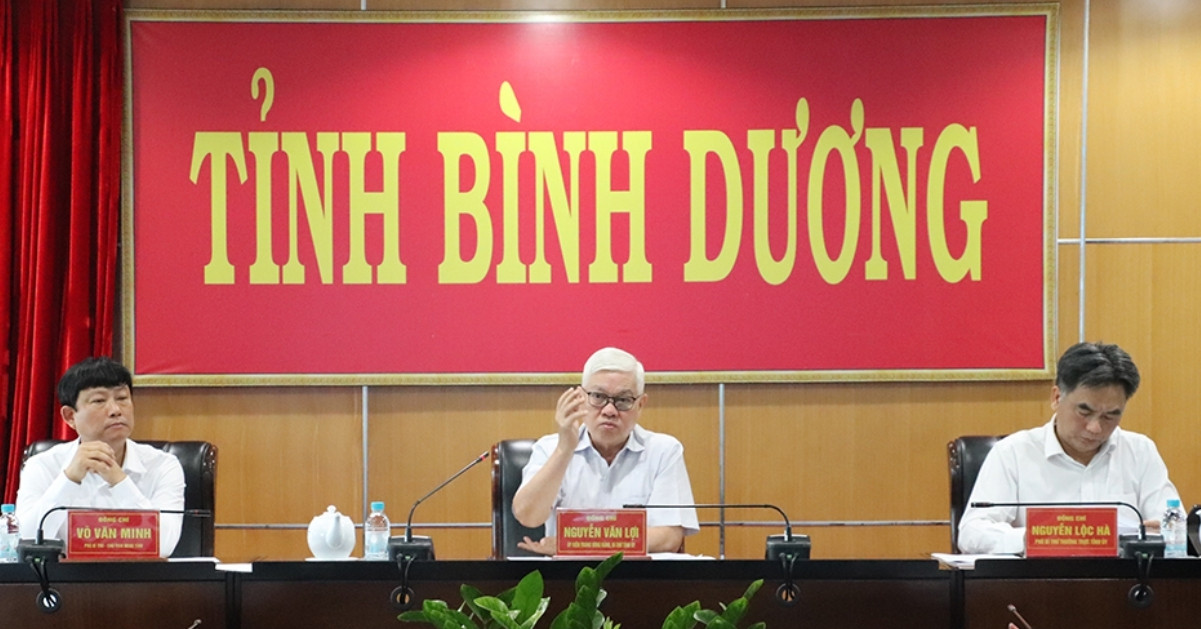
The formation of the new Steering Committee is designed to move beyond mere infrastructure to create an ecosystem for innovation. Secretary Nguyen Van Loi underscored that the committee’s primary function will be to remove bottlenecks that prevent enterprises from adopting new technologies.
"Our goal is to ensure that every segment of the economy—from small-scale local businesses to multinational corporations—has access to the tools of the Fourth Industrial Revolution," said a spokesperson for the provincial government. The committee has been instructed to:
- Develop a "Smart Province" Roadmap: A comprehensive action plan to harmonize digital strategies with economic growth targets through 2030.
- Enhance Administrative Reform: Continuing to slash red tape to maintain Binh Duong’s status as a top-tier destination for foreign investment.
- Strengthen Academic-Industry Ties: The planned Advisory Council will likely include representatives from regional universities and tech firms to ensure that curriculum and research align with market demands.
Economic Implications: Moving Toward a Knowledge Economy
The implications of this move are significant. Binh Duong has long been the manufacturing engine of the Southern Key Economic Zone. However, the rise of automation and the global demand for high-tech components necessitate a more sophisticated workforce and a more agile governance model.
By prioritizing science and technology, Binh Duong is attempting to insulate its economy from the volatility of traditional manufacturing markets. The focus on "Digital Government" (Binh Duong Smart) and "Digital Society" is expected to lower operational costs for businesses, thereby increasing the province’s attractiveness for high-value-added industries such as semiconductor manufacturing, software development, and advanced logistics.
Future Challenges and Sustaining Momentum
Despite the successes, the path forward is not without challenges. The primary obstacle remains the continuous upskilling of the workforce. As the province pivots toward automation and data-driven management, the need for a labor force capable of operating within these digital ecosystems becomes paramount.
Furthermore, the integration of 100% of departments into the IOC is only the first step. The true challenge lies in the "data-to-action" pipeline—ensuring that the insights gained from the monitoring centers are effectively used to inform policy and resource allocation.
As Binh Duong prepares to host the Second National Forum on Digital Economy and Digital Society, the province is positioning itself as a leader in Vietnam’s national strategy. With the newly formed Steering Committee overseeing the execution of these ambitious goals, Binh Duong is signaling to both domestic and international observers that it is ready to evolve from an industrial powerhouse into a modern, innovation-driven regional center. The next five years will be the definitive test of whether the province can successfully navigate this transition while maintaining its record-breaking growth trajectory.