Broccoli sprouts and mature broccoli: A synergistic duo for liver health and overall wellness

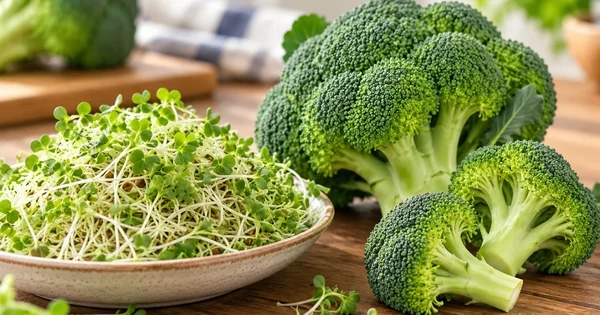
In the realm of nutritional science, few dietary pairings have garnered as much attention for their potential therapeutic benefits as the combination of broccoli sprouts and mature broccoli. Recent insights from medical experts, including Dr. Hsu Chia-shan, a specialist in functional medicine based in Taiwan, emphasize that integrating both the immature sprouts and the mature vegetable into a daily diet provides a multifaceted approach to enhancing metabolic health and supporting hepatic function. While neither can serve as a substitute for clinical medical intervention, their collective profile of phytochemicals and dietary fiber offers a robust foundation for long-term health maintenance.
The Science of Broccoli Sprouts: A Concentrated Nutritional Powerhouse
Broccoli sprouts, typically harvested between three to five days after germination, represent a concentrated source of specialized plant compounds. The most significant of these is glucoraphanin, a precursor compound that, when ingested, is converted by the body into sulforaphane. Scientific literature consistently highlights that the concentration of glucoraphanin in broccoli sprouts can be dozens of times higher than that found in fully matured broccoli heads.
Sulforaphane has been the subject of extensive research regarding its ability to activate the body’s internal protective pathways, specifically those designed to mitigate oxidative stress at the cellular level. By stimulating the Nrf2 pathway, sulforaphane assists in the regulation of antioxidant enzymes, which play a pivotal role in detoxification processes within the liver.
Historically, the study of sulforaphane gained significant momentum in the early 1990s when researchers identified its potential to modulate cellular defense mechanisms. In the decades since, laboratory trials have explored its influence on inflammatory markers and detoxification enzymes. However, health professionals are careful to note that while the potential for liver support is high, clinical evidence has not yet established broccoli sprouts as a definitive treatment for conditions such as fatty liver disease or as a replacement for pharmacological care.
Mature Broccoli: A Fiber-Rich Pillar of Digestive Health
While the sprouts offer a high concentration of specific protective compounds, the mature broccoli plant remains an essential component of a balanced diet. Mature broccoli is a dense source of dietary fiber, vitamins, and minerals that are foundational to digestive health. Dietary fiber is essential for maintaining regular bowel movements and acts as a prebiotic, nourishing the beneficial microbiota within the intestinal tract. A healthy gut microbiome is increasingly recognized as a key factor in overall systemic health, including the regulation of metabolic processes that directly impact the liver.
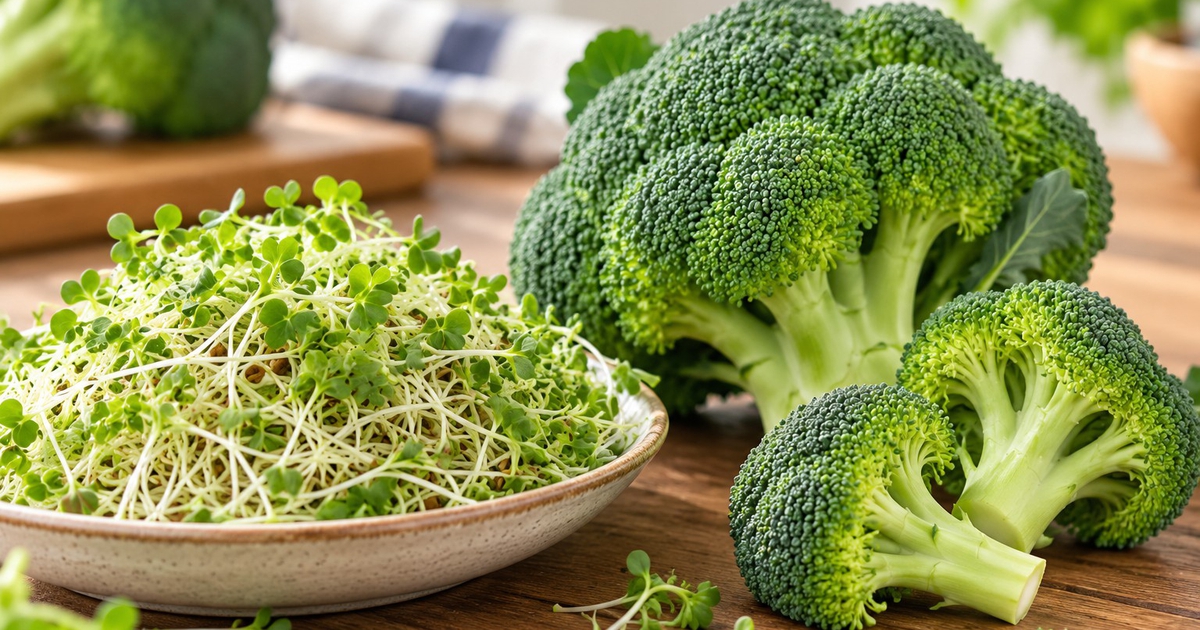
Furthermore, mature broccoli contains indole-3-carbinol (I3C), a phytochemical that has been shown to interact with various enzymes involved in metabolic transformation. Researchers are currently investigating how I3C might influence the liver’s ability to process toxins and manage lipids. While the role of I3C is promising, medical consensus suggests that further human trials are necessary to quantify its exact impact on human hepatic function.
A Chronological Evolution of Nutritional Understanding
The shift toward incorporating both mature and immature cruciferous vegetables into daily diets follows a broader trend in nutritional science: the move away from "superfood" isolation toward whole-food synergy.
- 1990s – Early 2000s: Initial discovery of the high concentration of sulforaphane in broccoli sprouts, leading to widespread interest in their anti-cancer and antioxidant properties.
- 2010s: Increased focus on the gut-liver axis, revealing how dietary fiber from mature vegetables plays a crucial role in maintaining liver health by reducing systemic inflammation.
- 2020 – Present: The emergence of functional medicine frameworks that advocate for "dietary stacking"—combining different growth stages of the same plant family to capture a broader spectrum of bioavailable nutrients.
Practical Application and Safety Considerations
For those looking to integrate these vegetables into their regimen, preparation methods are as important as the intake itself. Broccoli sprouts are often consumed raw in salads or blended into smoothies. Because they are consumed in their raw state, strict adherence to food safety standards is paramount. Raw sprouts carry a higher risk of bacterial contamination compared to cooked vegetables; therefore, thorough washing and sourcing from reputable producers are essential.
For mature broccoli, culinary experts and nutritionists alike recommend steaming rather than boiling. Steaming for a short duration—until the vegetable is bright green and tender—preserves the structural integrity of the plant and minimizes the leaching of water-soluble vitamins into the cooking water. This approach ensures that the consumer receives the maximum nutrient density possible from the vegetable.
Official Responses and Clinical Perspectives
Medical professionals emphasize that dietary choices should be viewed as a proactive lifestyle measure rather than a curative intervention for chronic disease. Dr. Hsu Chia-shan and other practitioners maintain that for individuals already diagnosed with chronic liver conditions, such as non-alcoholic fatty liver disease (NAFLD), the inclusion of broccoli is simply one part of a comprehensive management strategy.
Clinical guidelines for liver health remain centered on three primary pillars:

- Weight Management: Achieving and maintaining a healthy body mass index to reduce hepatic fat accumulation.
- Lifestyle Modification: Regular physical activity, which improves metabolic sensitivity and reduces visceral fat.
- Risk Factor Mitigation: Strict limitation or avoidance of alcohol, which is a primary driver of hepatic stress and inflammation.
These dietary recommendations are intended to complement, not replace, existing treatment protocols prescribed by hepatologists and primary care physicians.
Broader Implications for Public Health
The integration of broccoli sprouts and mature broccoli represents a shift toward more nuanced nutritional planning. By consuming the plant at different stages of its life cycle, individuals can access a broader array of protective phytochemicals that might otherwise be overlooked.
From an epidemiological standpoint, public health campaigns are increasingly focusing on the density of cruciferous vegetables in the standard diet as a means of reducing the incidence of chronic metabolic illnesses. The ease of access to these vegetables makes them an efficient and cost-effective intervention for populations looking to improve their long-term health outcomes.
As scientific understanding of plant biology and human metabolism continues to converge, it is likely that future dietary guidelines will place even greater emphasis on the specific harvesting stages of produce. The "broccoli duo" serves as a primary example of how minor, evidence-based adjustments to a diet can potentially contribute to significant, long-term health benefits.
Ultimately, while the consumption of broccoli in all its forms provides a wealth of health-promoting nutrients, it must be balanced within a lifestyle that prioritizes consistent exercise, limited intake of harmful substances, and regular consultation with medical professionals to address any underlying health concerns. By adopting a holistic view—viewing food as an essential, though not singular, element of health—individuals can better navigate the complex landscape of personal wellness.