Classic literature is experiencing a massive resurgence in popularity as Hollywood studios race to adapt timeless masterpieces for modern screens.

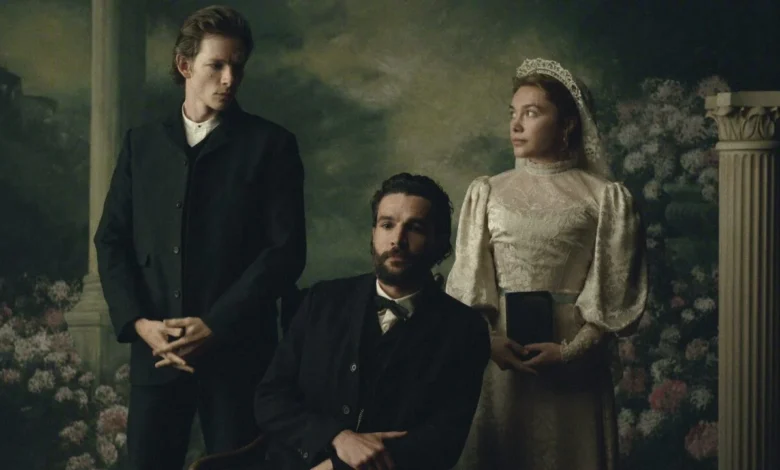
The contemporary entertainment landscape is currently witnessing a profound intersection between classical literature and prestige television and film production. As major streaming platforms like Netflix and studios such as Universal Pictures invest heavily in high-budget adaptations, the literary world is experiencing a direct "halo effect." Iconic works, including John Steinbeck’s East of Eden, Emily Brontë’s Wuthering Heights, and Homer’s The Odyssey, have returned to the top of international bestseller lists, signaling a shift in consumer behavior driven by the cross-pollination of media formats.
The Catalyst of the Screen Adaptation Wave
The current trend began in earnest as streaming services and film studios shifted their strategies toward "intellectual property (IP) tentpoles" that offer built-in brand recognition. By anchoring new productions in the foundation of established classics, studios are attempting to mitigate the risks associated with original screenplays.
According to data released by Penguin Classics, the sales volume for East of Eden surged by nearly 200% across all formats—including print, e-books, and audiobooks—immediately following the announcement of Netflix’s miniseries adaptation. When the production debuted on October 1, the novel ascended to the top of Amazon’s bestseller charts, a feat rarely seen for a mid-20th-century novel. This phenomenon is not isolated; industry reports from The Economist indicate that sales of The Odyssey in the United States have quadrupled this year, while Wuthering Heights has reclaimed its position as a best-seller in the United Kingdom.
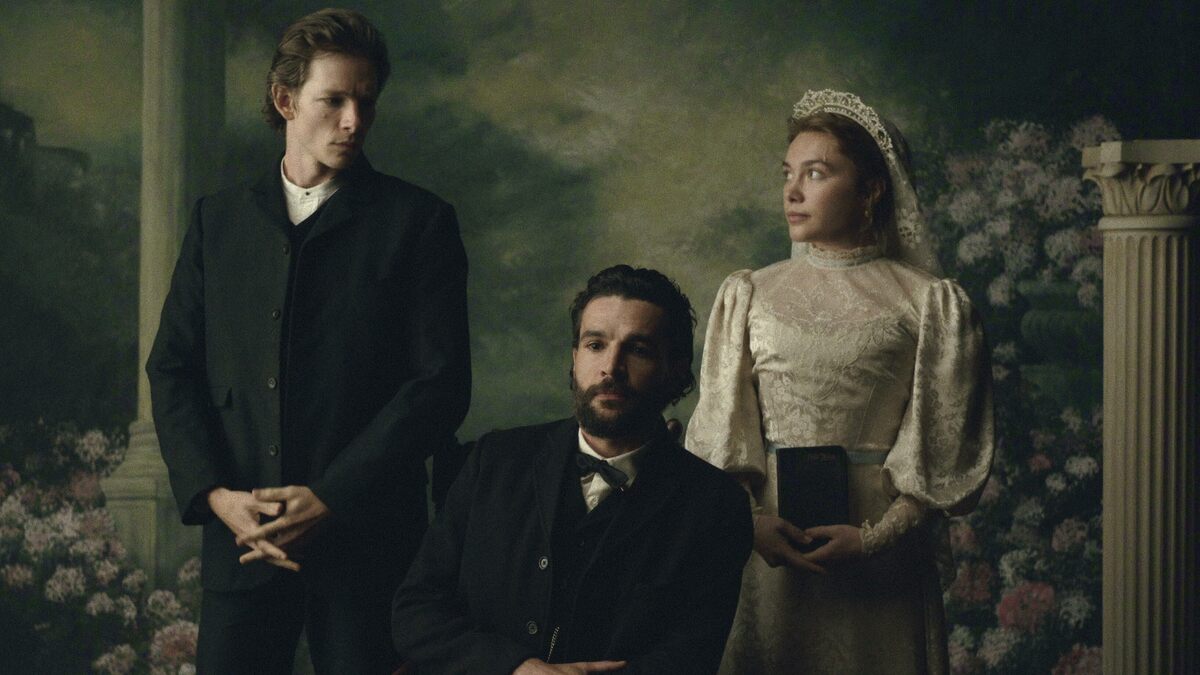
A New Creative Philosophy: The Modern Lens
Historically, Hollywood’s approach to adapting classic literature often involved drastic "modernization"—either by shifting the narrative to a contemporary setting or by utilizing extravagant production designs to attract audiences through spectacle alone. However, recent production cycles indicate a significant departure from this methodology.
Contemporary showrunners and directors are now prioritizing the thematic core of the source material while recalibrating narrative arcs and character motivations to resonate with modern sensibilities. The goal is no longer to simply update the setting, but to reinterpret the psychological underpinnings of the original text. By focusing on the internal conflicts and moral ambiguity of characters, modern adaptations are successfully bridging the gap between 18th and 19th-century literature and 21st-century audience expectations.
Case Studies in Reinterpretation
The recent miniseries of East of Eden, led by showrunner Zoe Kazan, serves as a primary example of this creative shift. In John Steinbeck’s original novel, the character of Cathy Ames is frequently viewed as a personification of pure evil. The new adaptation, however, chooses to explore the trauma behind her actions—specifically addressing her history of sexual abuse and the societal isolation she endured. By placing her behavior within the context of late 19th-century American society, where women faced rigid prejudices and limited autonomy, the series offers a nuanced psychological profile that complicates the original binary reading of "good vs. evil."
Similarly, in the recent treatment of Charles Dickens’ A Tale of Two Cities, screenwriter Daniel West has fundamentally altered the portrayal of Lucie Manette. Traditionally depicted as a passive Victorian ideal, the new iteration transforms her into an active agent with the power to make difficult choices when confronted with the societal upheaval of the French Revolution. The production emphasizes the "triangle of tension" between Darnay, Manette, and Sydney Carton, using it as a vehicle to explore the structural inequalities and systemic pressures of the era.

Chronology of Recent Literary Adaptations
- Early 2026: Announcements regarding the high-budget, multi-part series of East of Eden begin to stimulate a spike in book sales, marking the start of a year-long trend in "prestige literature" adaptations.
- May 2026: Universal Pictures releases the trailer for Christopher Nolan’s The Odyssey, focusing on the epic’s psychological toll, which triggers a significant increase in library checkouts and bookstore acquisitions of Homer’s work.
- October 2026: The official launch of the East of Eden miniseries on Netflix coincides with the novel reaching the number one spot on Amazon’s charts.
- Late 2026: Production updates for Wuthering Heights (directed by Emerald Fennell) and Sense and Sensibility (directed by Georgia Oakley) sustain public interest in the original texts, leading to a sustained Q4 surge in classic literature sales.
Industry Implications and Strategic Value
For production companies, the decision to adapt classic literature is as much a financial strategy as a creative one. Public domain status is a significant factor; many of the works currently being adapted are no longer under copyright, allowing studios to bypass the complex and costly process of securing intellectual property rights. This freedom allows creative teams to take bolder risks with the source material, knowing that the "brand" of the author—Steinbeck, Austen, or Dickens—carries an inherent level of prestige that appeals to both critics and audiences.
Furthermore, the nature of classic literature allows for "layering." Modern filmmaking techniques, such as sophisticated lighting, immersive soundscapes, and non-linear narrative structures, allow directors to visualize internal monologues that were previously confined to the page. This capability adds a new dimension to stories that have been told countless times, effectively "re-authoring" them for a generation that may have never engaged with the original text.
The Perspective of the Creators
Daniel West, in an interview with The Hollywood Reporter, noted that the enduring nature of these classics lies in their ability to transcend their historical contexts. "Many of these authors were writing about the fundamental nature of humanity," West stated. "They were exploring what we struggle with, what we crave, and what we strive toward. Regardless of the century in which these books were written, the emotional truth remains the same. When we provide a new entry point for audiences to connect with these themes, it invites a dialogue that spans generations."
Socio-Cultural Impact: The "Halo Effect"
The broader impact of this trend is the revitalization of literary engagement. Data suggests that viewers who are introduced to these stories through visual media are significantly more likely to seek out the original novels afterward. This "halo effect" is creating a feedback loop where streaming viewership drives book sales, and high book sales, in turn, justify larger budgets for subsequent seasons or spin-offs.
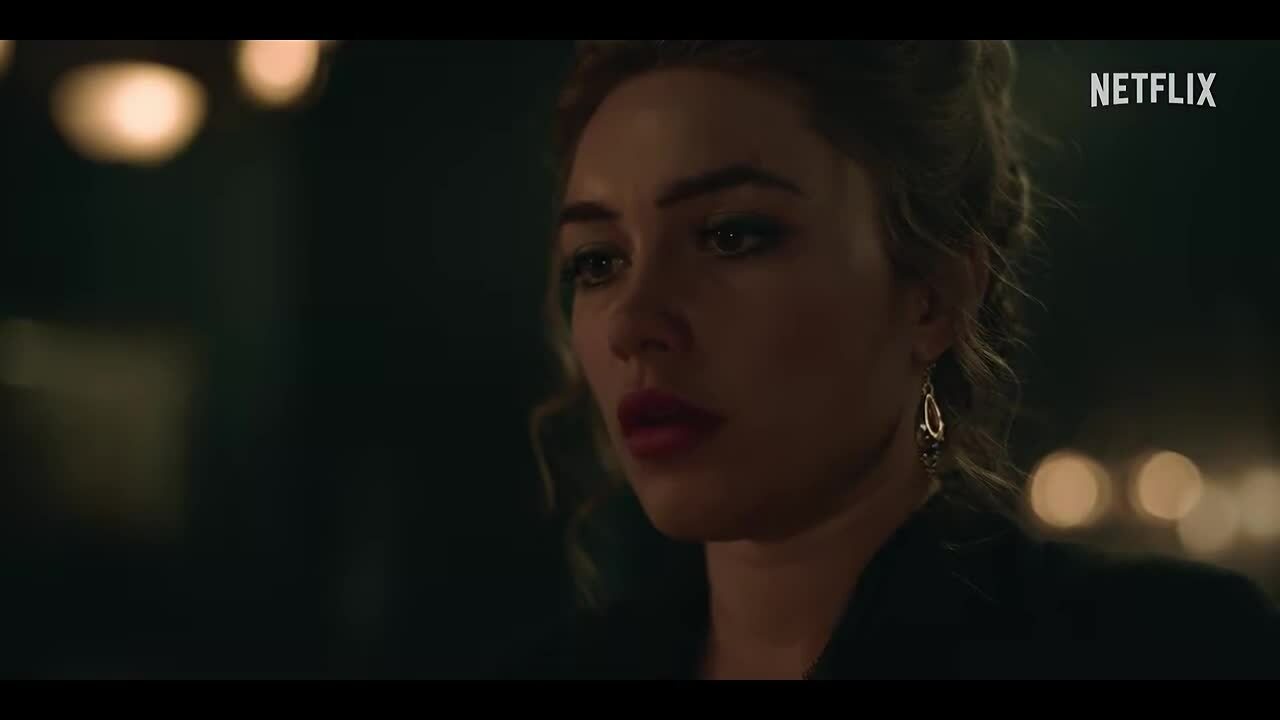
This phenomenon also challenges the narrative that modern audiences have a shortened attention span. On the contrary, the success of these long-form, character-driven miniseries suggests a high demand for complex, dense, and emotionally taxing narratives. By stripping away the dust of "academic" literature and presenting these stories with modern production values and a nuanced understanding of character, the entertainment industry is effectively proving that classic stories are not relics of the past, but living documents that continue to evolve.
As the industry looks toward the next cycle of production, it is clear that the marriage of classical literature and modern streaming will continue to be a dominant force in cultural consumption. By balancing respect for the source material with the demands of contemporary storytelling, creators are ensuring that these timeless voices remain at the forefront of the global conversation.