Proud to be Vietnamese – Joining Hands is a monumental national concert that drew 30,000 spectators at Thai Nguyen Stadium

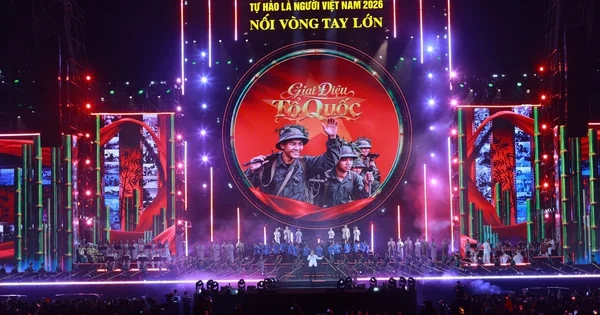
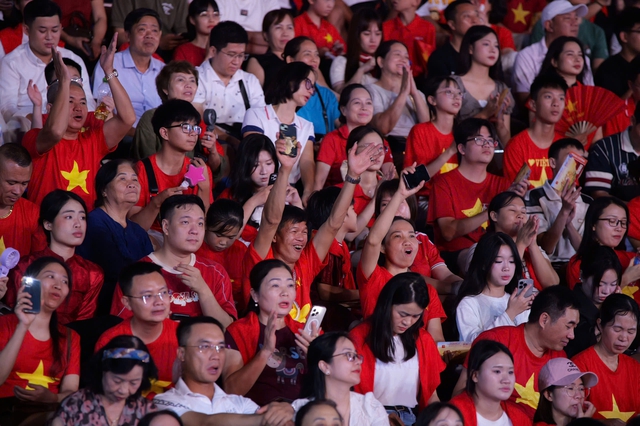
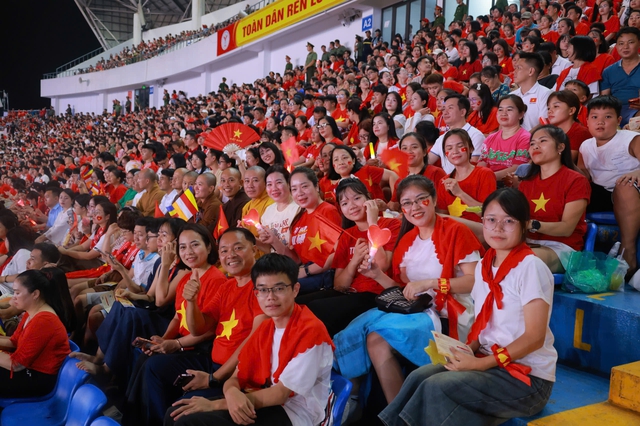
On November 1, the Thai Nguyen Stadium served as the epicenter of national pride as it hosted the large-scale concert titled Proud to be Vietnamese – Joining Hands. This significant cultural and political event, broadcast live on VTV1, brought together a star-studded lineup of renowned artists, including Tung Duong, Hoa Minzy, People’s Artist Dang Duong, and Vu Hai Tram, among many others. The evening was defined by a shared sense of patriotic duty, drawing an audience of 30,000 to celebrate the enduring strength and unity of the Vietnamese people.
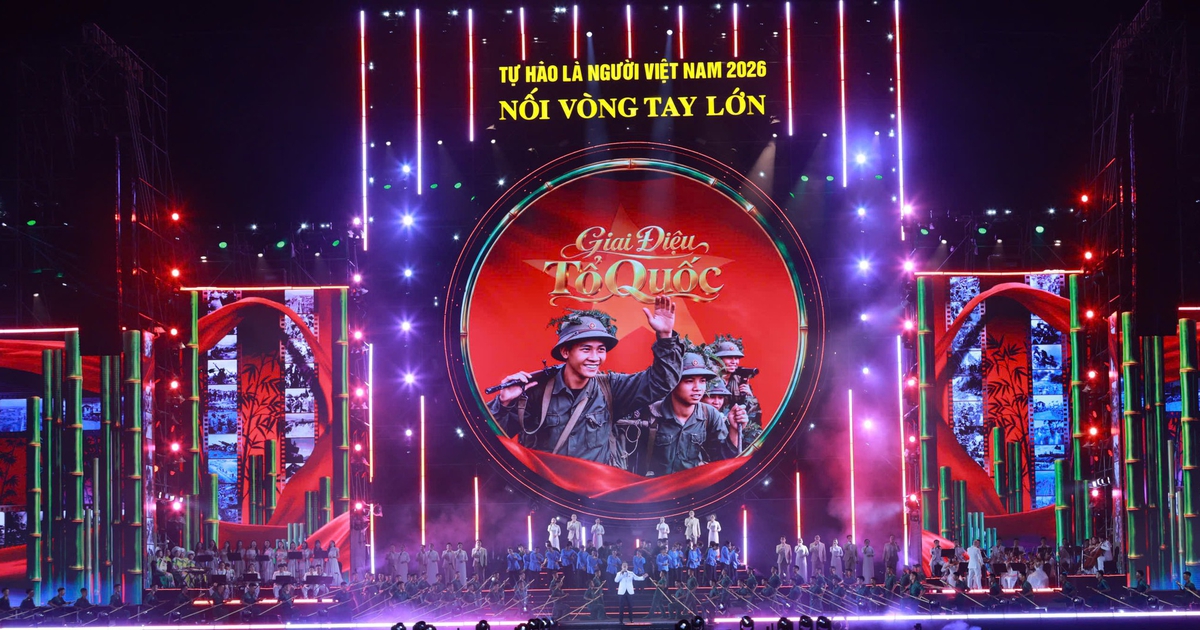
The event, directed by the Central Propaganda Department in coordination with the Thai Nguyen Provincial Party Committee and the People’s Committee, sought to honor the historical values and the profound cultural ethos of "drinking water, remembering its source." By emphasizing the theme of national unity, the concert acted as a bridge between the nation’s storied past and its aspirations for a prosperous future.
Context and Historical Significance
The Proud to be Vietnamese program is a recurring annual event, but this year’s installment held particular gravity as it approached the upcoming National Unity Day and Vietnam Cultural Day. The choice of Thai Nguyen as the host city is historically symbolic. As the location of the Viet Bac safe zone during the revolutionary struggle against French colonial rule, Thai Nguyen remains a cornerstone of Vietnamese independence. By situating such a high-profile production in this region, the organizers successfully invoked the spirit of the resistance era while framing it within a modern context of national development.
The production was a complex, multi-layered narrative articulated through three distinct chapters: "One Source – One Root," "One Destiny – One Belief," and "One Aspiration – One Future." Each chapter served to weave together the fabric of Vietnamese identity, utilizing a symphony of orchestral arrangements and diverse performance art forms to guide the audience through the turbulent yet heroic journey of the 20th and 21st centuries.
A Chronology of the Evening’s Performance
The performance commenced with an exploration of the wartime era, a time when citizens from every region, despite geographical distances, turned their focus toward the survival of the nation. The musical direction, helmed by conductor Dang Quang Vinh, leveraged a full symphony orchestra to provide a seamless transition between historical epochs.
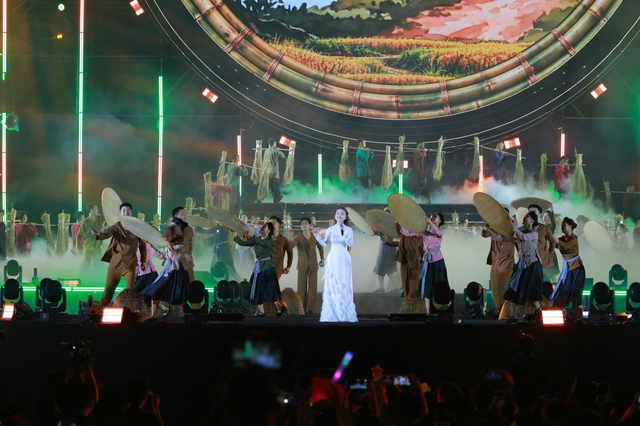
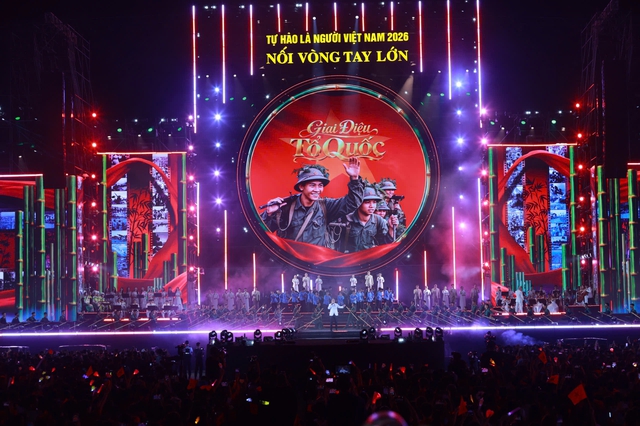
The first chapter, "One Source – One Root," featured iconic compositions that defined the national consciousness during the resistance years. Songs such as "Lang Toi" (My Village) by Van Cao and "Giai Dieu To Quoc" (Melody of the Fatherland) by Tran Tien resonated through the stadium, evoking the stark challenges and indomitable will of the era. The performance specifically highlighted the historical weight of the Viet Bac region, connecting local landmarks with the imagery of revolutionary leaders through a masterful blend of orchestral and vocal storytelling.
As the concert progressed into the second chapter, "One Destiny – One Belief," the focus shifted from the struggle for independence to the arduous task of national reconstruction. This segment featured emotive performances of Trinh Cong Son’s "Hue – Sai Gon – Hanoi," performed by Lam Bao Ngoc and Bao Tram Idol. The arrangement of the segment was particularly noteworthy for its integration of regional folk motifs from the North, Central, and South, effectively demonstrating the cultural diversity within a single, unified national identity.
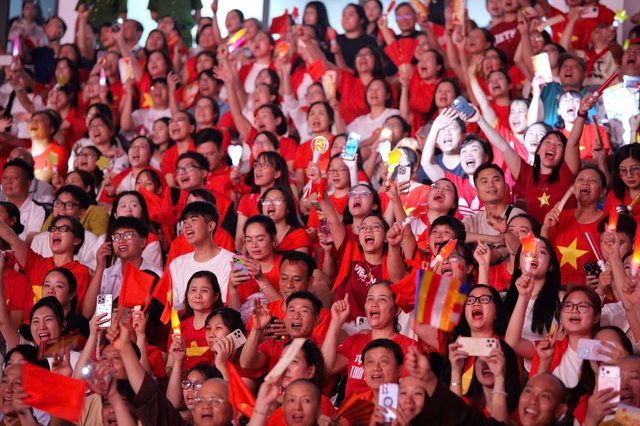
The final chapter, "One Aspiration – One Future," served as a poignant call to action for the younger generation. The performance of "Tat Nguyen" (The Commitment) by composer Truong Quoc Khanh acted as a symbolic baton pass. A moving sequence featured veterans from the resistance era handing over traditional revolutionary torches to younger performers, a clear visual metaphor for the intergenerational transfer of responsibility in safeguarding the nation’s sovereignty.
The Role of Art in National Identity
Beyond the spectacle, the concert served as a fact-based reflection on the socio-economic and cultural state of modern Vietnam. The organizers aimed to underscore that unity is no longer just a necessity for wartime survival, but a foundational pillar for contemporary progress. The concert repertoire—spanning from traditional folk songs to contemporary orchestral arrangements—highlighted the evolution of the Vietnamese spirit.
The inclusion of diverse professions—workers, farmers, intellectuals, business leaders, and border guards—within the performance narrative was an intentional choice by the production team. By placing these figures on the same stage, the organizers reinforced the message that every individual, regardless of their position in society, shares a collective responsibility toward the nation’s stability and development.
The analytical focus of the event was clear: the preservation of natural resources, the protection of territorial sovereignty, and the safeguarding of cultural heritage are the modern-day equivalents of the revolutionary defense of the country. This narrative was reinforced by performances of songs such as "Em Di Giua Bien Vang" and "Tinh Dat Do Mien Dong," which bridged the gap between the laborer in the field and the soldier at the border.
Official Presence and Civic Participation
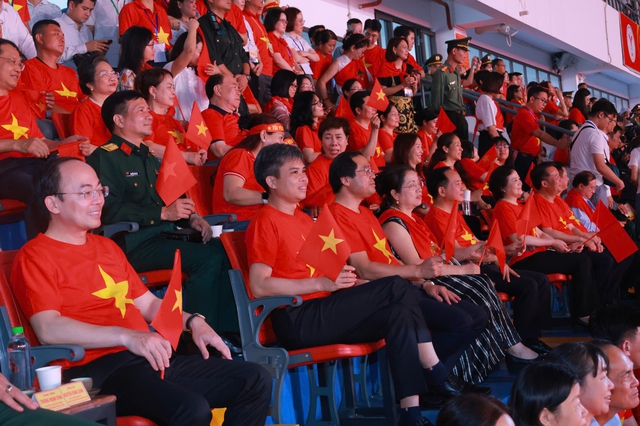
The prestige of the event was underscored by the attendance of high-ranking government officials. The audience included Trinh Van Quyet, Member of the Politburo and Head of the Central Propaganda Department; Pham Thi Thanh Tra, Secretary of the Party Central Committee and Deputy Prime Minister; and Trinh Xuan Truong, Member of the Party Central Committee and Secretary of the Thai Nguyen Provincial Party Committee.
The presence of these leaders, alongside representatives from various central and local government agencies, signaled the high priority the state places on cultural soft power as a tool for social cohesion. For the 30,000 spectators in attendance, the concert was not merely an entertainment experience but a civic gathering, reflected in the sea of yellow-star red flags and the collective singing that echoed throughout the stadium.
Impact and Future Implications
The success of the Proud to be Vietnamese concert in Thai Nguyen sets a precedent for how national history can be packaged and presented to a modern, digitally connected audience. By blending high-quality production values with deep-seated historical narratives, the event achieved a rare feat: it appealed to the nostalgia of the older generation while engaging the aspirations of the youth.
The implications for Vietnam’s cultural sector are significant. Moving forward, the integration of traditional music with symphonic and modern pop arrangements—as demonstrated by conductor Dang Quang Vinh—appears to be an effective strategy for maintaining the relevance of nationalistic art.
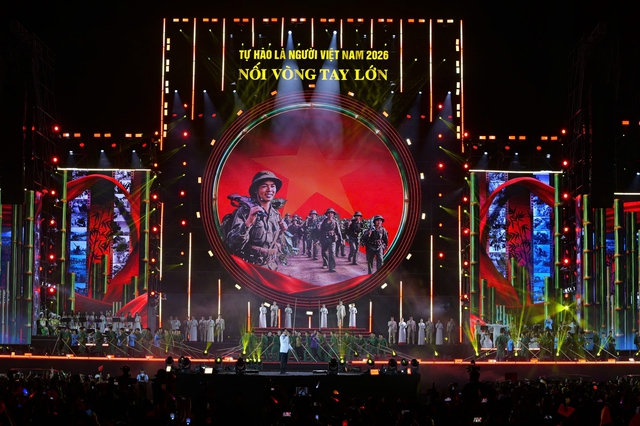
As the country continues to navigate the complexities of globalization, the message of "Joining Hands" serves as a reminder of the internal cohesion required to maintain growth. The concert’s conclusion, which focused on the "Khát vọng tuổi trẻ" (Aspirations of Youth), emphasized that while the history of the nation is anchored in the struggles of the past, its future is dictated by the innovation and commitment of the current and upcoming generations.
In summary, the Proud to be Vietnamese concert was a logistical and artistic triumph. It successfully synthesized 30,000 diverse voices into a singular expression of national unity. Through music, memory, and the active participation of both government leadership and the populace, the event reaffirmed that the strength of Vietnam lies in the continued, collective commitment of its people to the shared goal of a resilient, prosperous, and independent future. The event stands as a landmark for 2026, marking a pivotal moment where the legacy of the past and the vision for the future converged in the heart of Thai Nguyen.
Related posts: