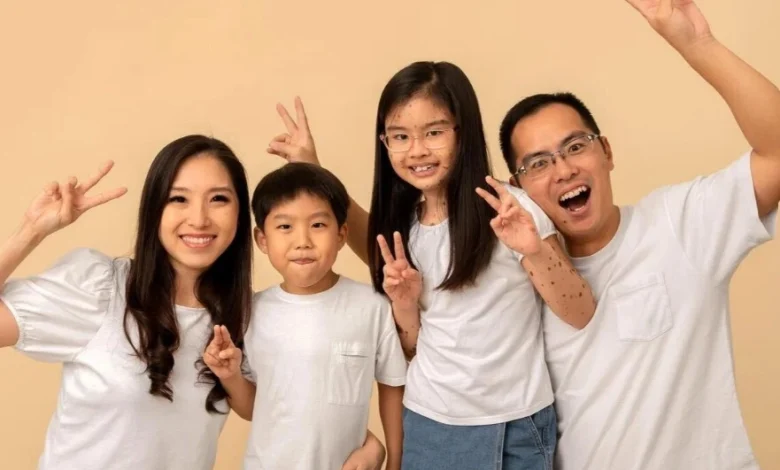
At the age of 12, Charlotte Lim, a resident of Singapore, carries a physical burden that distinguishes her from her peers. Diagnosed at birth with Giant Congenital Melanocytic Nevus (GCMN), she lives with a rare, pigmented skin condition that covers approximately 30% of her body surface. While the condition manifests as extensive dark skin patches and numerous smaller moles, its implications extend far beyond aesthetics, posing significant long-term health risks that have defined much of her childhood.
GCMN is a rare dermatological condition, occurring in approximately one in every 100,000 live births. It originates from a somatic genetic mutation that occurs spontaneously during embryonic development, meaning it is not an inherited condition passed down through generations. The timing of this mutation is critical; the earlier it occurs during gestation, the larger the resulting area of skin involvement. For Charlotte, this has meant living with a condition that continues to evolve as she grows.
The Medical Reality of GCMN
Medical experts, including Dr. Mark Koh, Head of the Dermatology Service at KK Women’s and Children’s Hospital in Singapore, emphasize that GCMN is more than a visible skin variation. The primary medical concern lies in the potential for melanocytes—the cells responsible for the pigmentation—to invade deeper tissues, including the central nervous system. This condition is known as neurocutaneous melanosis, which can lead to neurological complications such as seizures and motor function deficits.
Beyond neurological risks, the most pressing clinical threat is the development of malignant melanoma. Clinical data suggests that patients with GCMN face a lifetime risk of malignancy ranging between 3% and 11%. These tumors can manifest directly on the skin or develop silently within the central nervous system, making consistent, rigorous medical surveillance essential.
A Chronology of Care and Resilience
Since Charlotte’s birth, her mother, Esther Zheng, has been the primary architect of her support system. The early years were marked by confusion and the necessity of navigating a complex medical landscape. From the outset, the family recognized that while the physical condition was permanent, the psychological well-being of their daughter was paramount.

Zheng implemented a proactive communication strategy, beginning when Charlotte was in preschool. By working closely with school administrators and teachers, the family ensured that the academic environment was informed and supportive. Charlotte herself became an advocate for her own condition, frequently presenting to her classmates to explain the nature of her skin. This transparency proved effective; at her primary school, she was affectionately nicknamed "the leopard" by her peers, a term that transitioned from a point of confusion to a badge of acceptance.
Supporting Data and Medical Challenges
The medical community currently lacks a permanent "cure" for GCMN. Because the pigment-producing cells penetrate deep into the underlying dermal layers, medical interventions are generally limited to the reduction of the affected area or the management of secondary symptoms. Laser therapy, while often sought for cosmetic improvement, carries a high risk of recurrence and can inadvertently mask the early warning signs of malignant transformation. Consequently, surgical excision remains the gold standard for managing lesions that pose a functional or high-risk threat to the patient.
Data from the Rare Skin Conditions Society indicates that approximately 30% of children with such rare dermatological conditions face significant social challenges, including bullying or social isolation. For children like Charlotte, the challenge is twofold: the physical pain of recurring surgical procedures and the psychological toll of navigating puberty with a visible difference.
A Turning Point: The Power of Peer Support
A pivotal moment in Charlotte’s journey occurred when she joined a support group for children with rare skin conditions. There, she met Pin Hao, a young boy with similar clinical manifestations. Observing his bravery during the surgical removal of lesions on his face shifted Charlotte’s perspective. Inspired by his resilience, she proactively requested that her family explore similar surgical interventions.
This decision marked a transition in Charlotte’s life, as she opted to undergo a multi-stage surgical process to remove the encroaching moles on her face. This path is fraught with pain and the long-term reality of scarring, yet it represents an assertion of agency over her own body. Esther Zheng has consistently honored these decisions, placing her trust in her daughter’s maturity as she faces these medical hurdles.
Broader Implications and Future Outlook
As Charlotte prepares to transition to secondary school in 2027, the focus remains on balancing her quality of life with strict medical compliance. She remains an active participant in her own care, though she must adhere to rigorous sun protection protocols to mitigate the risk of activating potential cancerous cells. Her passion for high-risk sports, such as indoor rock climbing, serves as an outlet for her energy and a testament to her refusal to let her condition define her limitations.
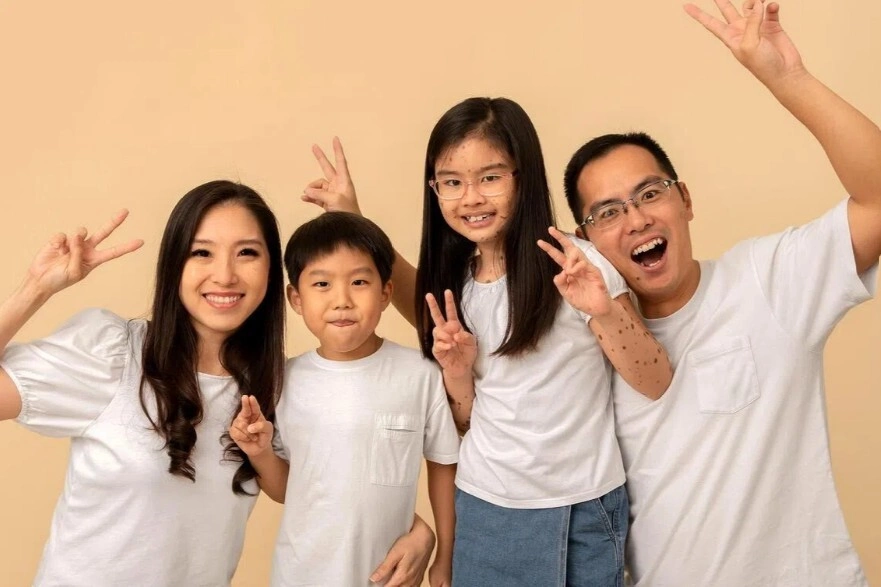
The case of Charlotte Lim highlights the necessity for a multidisciplinary approach to rare pediatric conditions. It is not merely a matter of dermatology; it requires the integration of pediatric neurology, oncology, and psychological support services. The success of her journey thus far is attributed to the early establishment of a support system that values open communication and the empowerment of the patient.
Looking forward, the medical community continues to research the genetic underpinnings of GCMN in hopes of developing targeted therapies that could one day replace the need for invasive surgeries. For now, however, the strategy remains one of vigilant monitoring, proactive management, and the cultivation of a robust psychological framework.
Charlotte’s experience serves as a microcosm for the thousands of children worldwide living with rare conditions. The integration of social advocacy, parental support, and personal resilience forms the cornerstone of their ability to thrive. As she moves into her teenage years, the lessons learned in the early stages of her diagnosis—namely that one’s physical appearance does not dictate one’s capacity for achievement or happiness—remain the guiding principles for both her and her family.
The story of the 12-year-old from Singapore is not just a medical case study, but a narrative of human endurance. It challenges the broader public to look beyond the surface, recognizing that the most significant battles are often those fought internally, with courage and grace. By fostering inclusive environments and continuing to invest in research for rare conditions, the healthcare system and society at large can better support children who, like Charlotte, carry the weight of the world on their skin.