Thiếu sàn vận tải số, doanh nghiệp logistics đang lãng phí công suất và làm tăng chi phí vận chuyển

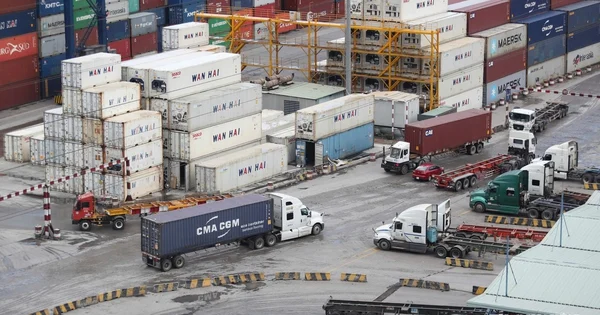
The logistics and freight transportation sector in Ho Chi Minh City and across Vietnam is facing an unprecedented structural paradox. Despite rapid economic expansion, the absence of an integrated, centralized digital freight exchange has triggered widespread inefficiencies. Industry data highlights a staggering reality: up to 50 to 70 percent of commercial transport vehicles are forced to make return trips completely empty. This fragmented market architecture not only inflicts direct financial losses on fleet operators but also generates systemic macroeconomic repercussions, artificially inflating supply chain costs and adding unnecessary strain on national transportation infrastructure.
The Economic Toll of Structural Fragmentation in Freight Transport
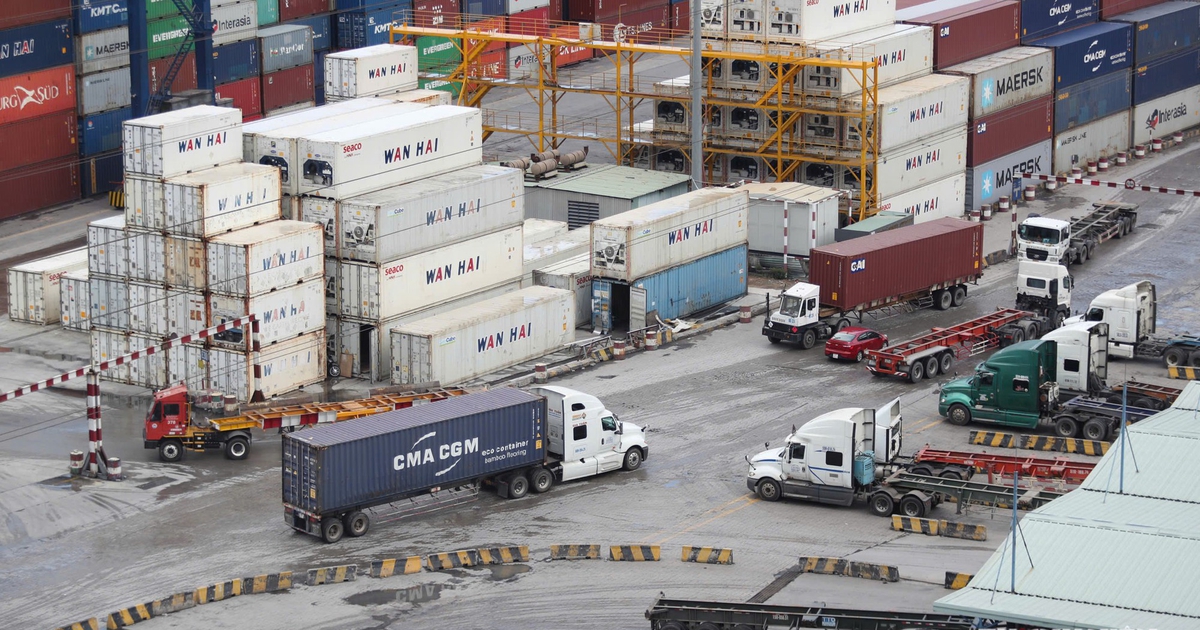
According to diagnostic assessments previously released by the World Bank, Vietnam’s logistics landscape is characterized by high fragmentation and a severe deficit of large-scale integration entities. This structural weakness prevents meaningful coordination between cargo owners and transport providers, resulting in extreme capacity underutilization. When transport trucks and container carriers complete a delivery—such as moving goods from industrial zones in Binh Duong to the Cat Lai Port in Ho Chi Minh City—they frequently return empty because matching return cargo is unavailable through informal communication channels.
This lack of centralized data transparency deprives regulatory authorities, transport associations, and business leaders of a comprehensive, real-time overview of transport demand, vehicle availability, and traffic flows. Consequently, municipal and national planners struggle to optimize traffic infrastructure, manage urban congestion around major deep-water ports and industrial clusters, and formulate accurate forecasting models.
Le Trung Tinh, Vice Chairman of the Ho Chi Minh City Transport Association, points out that the current market relies heavily on traditional, relationship-based intermediaries. Shippers typically find transport providers through personal networks or word-of-mouth brokers rather than real-time digital matchmaking platforms.
"This creates an absurd operational contradiction," Mr. Tinh explains. "One enterprise urgently requires trucks to move goods outbound from a port facility, while another fleet operator runs empty vehicles along the exact same highway corridor back toward an industrial park. Because information does not flow dynamically, both parties forfeit opportunities and absorb avoidable expenses. This supply-demand mismatch is not driven by a shortage of physical vehicles or cargo volume, but rather by an absence of information-sharing mechanisms and effective dispatch infrastructure."
Rapid Urban Expansion and the Urgency for Centralized Oversight
The need for structural reform has grown increasingly urgent following recent regional administrative realignments. With the formal integration of Binh Duong and Ba Ria-Vung Tau into an expanded metropolitan economic zone, Ho Chi Minh City now spans nearly 6,770 square kilometers with a population of approximately 14 million residents. This emerging megacity commands massive domestic consumption needs while serving as the vital nerve center for import-export supply chains across southern Vietnam.
However, logistics operations within this expanded economic corridor remain severely decentralized. While the market has seen the emergence of various private digital initiatives—such as platforms like Phaata.com, individual load-matching mobile applications, and historical sector experiments like the Ministry of Transport’s Vinatrucking freight exchange launched around 2015—these tools have largely functioned in silos. Most legacy platforms operated primarily as static digital bulletin boards rather than dynamic, large-scale fleet dispatch and optimization engines.
Furthermore, industry demographics exacerbate the digital divide. Micro-enterprises, small-scale transport cooperatives, and individual owner-operators account for an estimated 70 to 80 percent of the commercial transport market in Vietnam. These small entities often lack the capital reserves required to invest in advanced enterprise resource planning (ERP) software, fleet management systems (FMS), and comprehensive digital transformation initiatives. Consequently, many operators continue to maintain parallel paper-based and digital documentation, slowing down administrative workflows and impeding real-time data integration.
Comparative Regional Models: Lessons from Singapore and Thailand
To address similar structural inefficiencies, advanced economies and neighboring nations in Southeast Asia have successfully deployed centralized digital logistics frameworks.
In Singapore, the government and industry stakeholders established the Singapore Trade Data Exchange (SGTraDex), a common data infrastructure designed to facilitate secure, trusted information sharing across the entire supply chain. The platform connects import-export corporations, freight forwarders, warehouse operators, port terminal authorities, commercial banks, and third-party logistics providers, streamlining trade documentation and operational transparency.
Similarly, major regional logistics players are rapidly adopting artificial intelligence to eliminate empty running. For instance, Thailand-based SCGJWD Logistics (SJWD), which manages a vast network of 596 transport partners operating over 14,000 vehicles, integrated automated algorithmic load-matching systems through its transportation management system (TMS). Rather than relying on manual driver outreach, the system algorithmically pairs outbound and inbound transportation demands, significantly reducing empty-mile driving percentages.
Strategic Roadmap: Proposing a Digital Freight Exchange by 2027
To align Vietnam with modern international standards, industry leaders have put forward concrete policy recommendations aimed at overhauling the local logistics framework. The Ho Chi Minh City Transport Association has formally proposed that municipal authorities study, pilot, and fully launch a centralized digital freight exchange platform by 2027.
The proposed digital exchange is envisioned as an all-encompassing ecosystem rather than a simple load-board. Beyond connecting cargo owners directly with transport companies, the platform would integrate commercial banks, insurance providers, port operators, fuel suppliers, and maintenance service providers. Utilizing advanced dispatch algorithms, the system would cross-reference shipping demands with vehicle capacities in real time, supporting automated load consolidation, back-haul matching, dynamic pricing, and trip execution tracking.
From a financial perspective, the direct implications are substantial. Industry estimates indicate that logistics costs currently hover around 16 to 18 percent of Ho Chi Minh City’s Gross Regional Domestic Product (GRDP), while empty running rates remain stubbornly high. The strategic objective for the region is to progressively reduce overall logistics costs to 11 or 12 percent of GRDP, while driving empty vehicle return rates down from historical peaks of 50–70 percent toward a targeted threshold of 20 percent.
Achieving these targets requires coordinated regulatory backing at the national level. The Ho Chi Minh City Transport Association has recommended that the Ministry of Construction and relevant central government bodies expedite legal frameworks governing digital economic transitions in transport. This includes establishing clear regulatory oversight for digital freight platforms, ensuring data privacy standards, and safeguarding the legal and labor rights of independent drivers and small-scale operators utilizing these platforms.
As Vietnam continues its rapid industrialization and economic integration, the transition from fragmented, manual transport coordination to a synchronized digital freight ecosystem will be critical. By modernizing dispatch operations and eliminating systemic waste, the nation can enhance its overall trade competitiveness, lower commercial transaction costs, and advance its broader environmental and sustainability objectives.
Related posts: