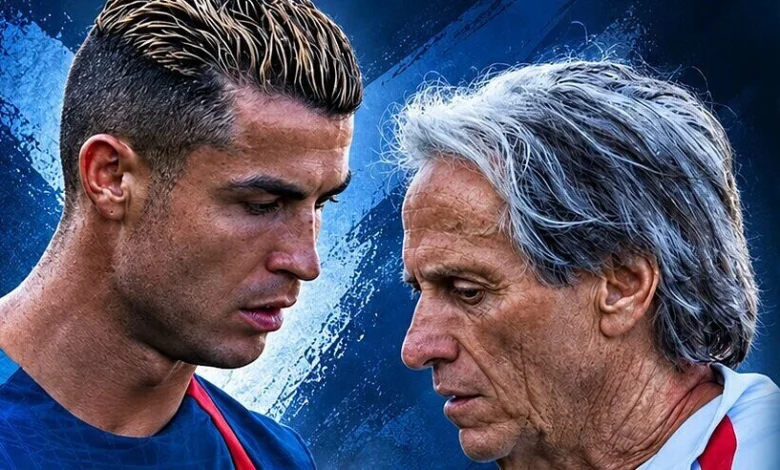
The landscape of Portuguese football has been rocked by an unexpected and deeply personal fracture between legendary forward Cristiano Ronaldo and national team manager Jorge Jesus. On November 5, 2026, reports from A Bola confirmed that the 41-year-old superstar finalized his decision to step away from international duty, bypassing his head coach entirely in the process. While the Portuguese Football Federation (FPF) and President Pedro Proenca were informed of the decision, the breakdown in communication between the player and his manager highlights a deepening crisis of trust that has plagued the Seleção das Quinas for several months.
A Fractured Partnership: The Timeline of Discord
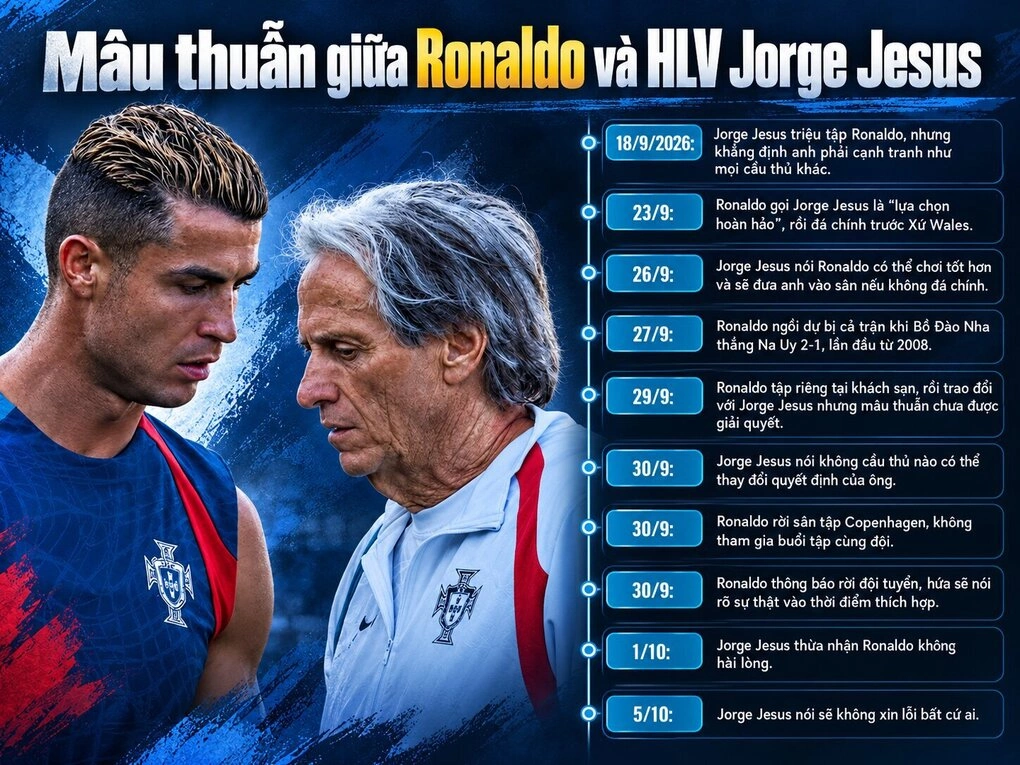
The friction between Ronaldo and Jorge Jesus is not a sudden development but rather the culmination of a deteriorating relationship that began in earnest during the September 2026 international break. The catalyst for this public fallout was the match against Norway on September 27, where Portugal secured a 2-1 victory, yet the post-match narrative was dominated by the absence of the team captain.
Despite prior discussions regarding his fitness and a carefully managed return-to-play schedule—designed to ensure his availability for a high-profile club fixture for Al Nassr on October 4—the management of his game time on the international stage proved disastrous. Jorge Jesus had initially indicated to the public that Ronaldo was part of his tactical plan for the Norway encounter. However, despite warming up throughout the second half, the forward remained on the bench for the duration of the match.
The aftermath saw a flurry of contradictory statements. Jorge Jesus claimed that the decision to bench the veteran was a tactical reaction to the flow of the game, asserting that Portugal had control and did not require further adjustments. This explanation was perceived by Ronaldo as a direct contradiction of their private discussions, leading to a breakdown in professional rapport that has yet to be repaired.
The 10-Page Grievance
On October 6, the tension reached a boiling point when Ronaldo published a 10-page statement on social media. In this document, he explicitly accused Jorge Jesus of broken promises. He highlighted two specific instances of perceived betrayal: the failure to provide the promised 30 minutes of playing time against Norway and the subsequent disparaging public comments made by the manager in the press, which deviated from their private agreements.
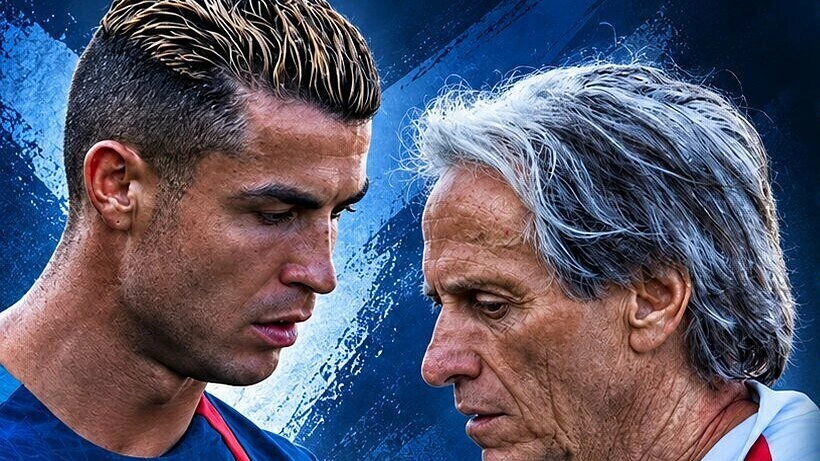
Ronaldo’s statement reflected a profound sense of disrespect. He noted that the manager’s public tone—characterized by an authoritative, "I am in charge" demeanor—was a stark departure from the collaborative and respectful tone used in their private meetings. For a player of Ronaldo’s stature, who has consistently maintained that he is willing to contribute as long as the conditions are right, this public undermining was the final straw.
Contextualizing the National Team Tenure
Cristiano Ronaldo’s career with the Portuguese national team is unparalleled in the history of the sport. Having made his debut in 2003, his tenure spans over two decades, during which he has become the highest-scoring international player of all time. However, at 41, his role within the squad had shifted. Jorge Jesus, a tactician known for his rigid adherence to system-based play, appeared to struggle with integrating a veteran icon into a team undergoing a generational transition.
The FPF and President Pedro Proenca have found themselves in a precarious position, attempting to mediate a conflict between their most valuable asset and their head coach. Despite their efforts to facilitate a reconciliation, the lack of dialogue since September 30—the day Ronaldo left the training camp in Copenhagen—has made a resolution increasingly unlikely. Both Proenca and the coaching staff reportedly expressed a desire for a different conclusion to Ronaldo’s illustrious international career, but they were unable to influence the player’s firm resolve.
Statistical Impact and Future Implications
Portugal currently sits in a strong position within the UEFA Nations League, having won all four of their opening matches and secured a berth in the quarterfinals. The upcoming fixtures against Denmark on November 14 in Braga and the away trip to Wales on November 17 will be critical for maintaining momentum.
However, the absence of Ronaldo presents a significant tactical and commercial challenge for the team. Since his move to the Saudi Pro League, Ronaldo has continued to maintain a rigorous physical regimen, aiming to reach the milestone of 1,000 career goals. His commitment to Al Nassr remains steadfast, with participation in the Saudi Pro League, King’s Cup, AFC Champions League Elite, and the Saudi Super Cup occupying his current focus.
The implications of this retirement extend beyond the pitch. The FPF is reportedly planning a tribute match to honor Ronaldo’s service, mirroring the gesture Argentina made for Lionel Messi in a friendly against Benin. While the logistics, date, and opponent remain unconfirmed, such a match would likely serve as a symbolic closing chapter to one of the most storied international careers in history.
Strategic Analysis: The Managerial Challenge
The conflict underscores a broader challenge in modern football management: how to handle the twilight years of iconic players. Jorge Jesus’s approach, which prioritized tactical flexibility over player management, has clearly backfired in this instance. By failing to maintain a consistent line of communication with his captain, the manager alienated a player whose influence extends far beyond his individual performance on the field.
From a tactical perspective, Portugal remains a formidable side, deep in talent and experience. Yet, the loss of Ronaldo’s leadership presence in the dressing room could prove detrimental during the high-pressure knockout stages of the Nations League, scheduled for March 2027, and the subsequent semifinals and finals in June 2027.
Looking Ahead
As the national team prepares for the final matches of the group stage, the focus will inevitably shift toward the post-Ronaldo era. For Jorge Jesus, the task is now to steer the team through the upcoming tournament without the distraction of this internal rift. The manager, at 72, will face immense scrutiny regarding his ability to manage the egos and expectations of a squad that has long been built around a singular talisman.
For Ronaldo, the decision marks a transition to a purely club-focused existence. With 1,000 goals in his sights, his drive remains undiminished. While his international career has ended in a manner that few would have scripted—amidst silence and public grievances—his legacy as the face of Portuguese football remains untarnished by the recent administrative failures.
The FPF faces the arduous task of healing the wounds within the squad. Whether this split is permanent remains to be seen, but as of early November 2026, the bridge between the greatest player in Portugal’s history and the current national team management has effectively collapsed. The upcoming months will reveal whether the team can successfully evolve or if the void left by their captain proves too significant to overcome on the road to future international success.
In the immediate term, the footballing world will watch with interest to see how the Portuguese squad performs in the absence of their figurehead. The upcoming match in Braga will be a litmus test for the team’s resilience and the manager’s ability to unite a fractured locker room. For the fans, it represents the end of an era, a transition that, regardless of the circumstances of the departure, marks the closing of a chapter that defined a generation of world football.