Domestic fuel prices in Vietnam continue downward trend with significant reductions across major petroleum categories effective November 2026

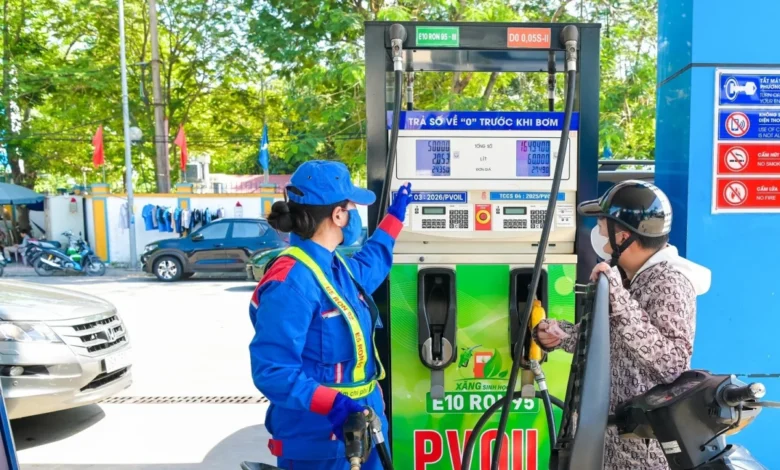
In a decisive move to align domestic energy costs with shifting global market dynamics, the Ministry of Industry and Trade and the Ministry of Finance have announced a substantial downward adjustment in retail petroleum prices. This latest intervention, which took effect on the evening of November 3, 2026, marks the second consecutive reduction in fuel prices within less than a week, providing a notable reprieve for consumers and logistics-reliant businesses across the nation.
The Latest Price Adjustments
Under the new regulatory framework, the retail price of E5RON92 gasoline has been slashed by 1,020 VND per liter, bringing the maximum retail price down to 23,203 VND per liter. Simultaneously, the premium E10RON95-III gasoline has seen a price reduction of 928 VND per liter, capping its price at 23,231 VND per liter.
The adjustment was not limited to gasoline; the broader energy sector experienced mixed results. Diesel 0.05S witnessed a sharp decline of 1,370 VND per liter, resulting in a new price ceiling of 28,876 VND per liter. Conversely, the market for heavy fuels moved against the trend, with mazut 180CST 3.5S increasing by 378 VND per kilogram, settling at 23,974 VND per kilogram.
These regulatory updates are mandated by the inter-ministerial guidance, which requires retail prices to be updated in accordance with the fluctuating import costs of refined petroleum products. For the current cycle, the governing bodies have decided to allocate 700 VND per liter into the Price Stabilization Fund specifically for biofuels, while opting not to make any allocations for diesel or mazut. Furthermore, the fund remains inactive for all other petroleum categories, ensuring that the full extent of the market-driven price changes is reflected at the pump.
Chronology of Recent Price Volatility
The current reduction follows a significant adjustment that took place at 00:00 on November 1, 2026. During that initial session, E5RON92 gasoline was reduced by 1,804 VND per liter to 24,223 VND per liter, while E10RON95-III saw a decrease of 1,575 VND per liter, reaching 24,159 VND per liter.
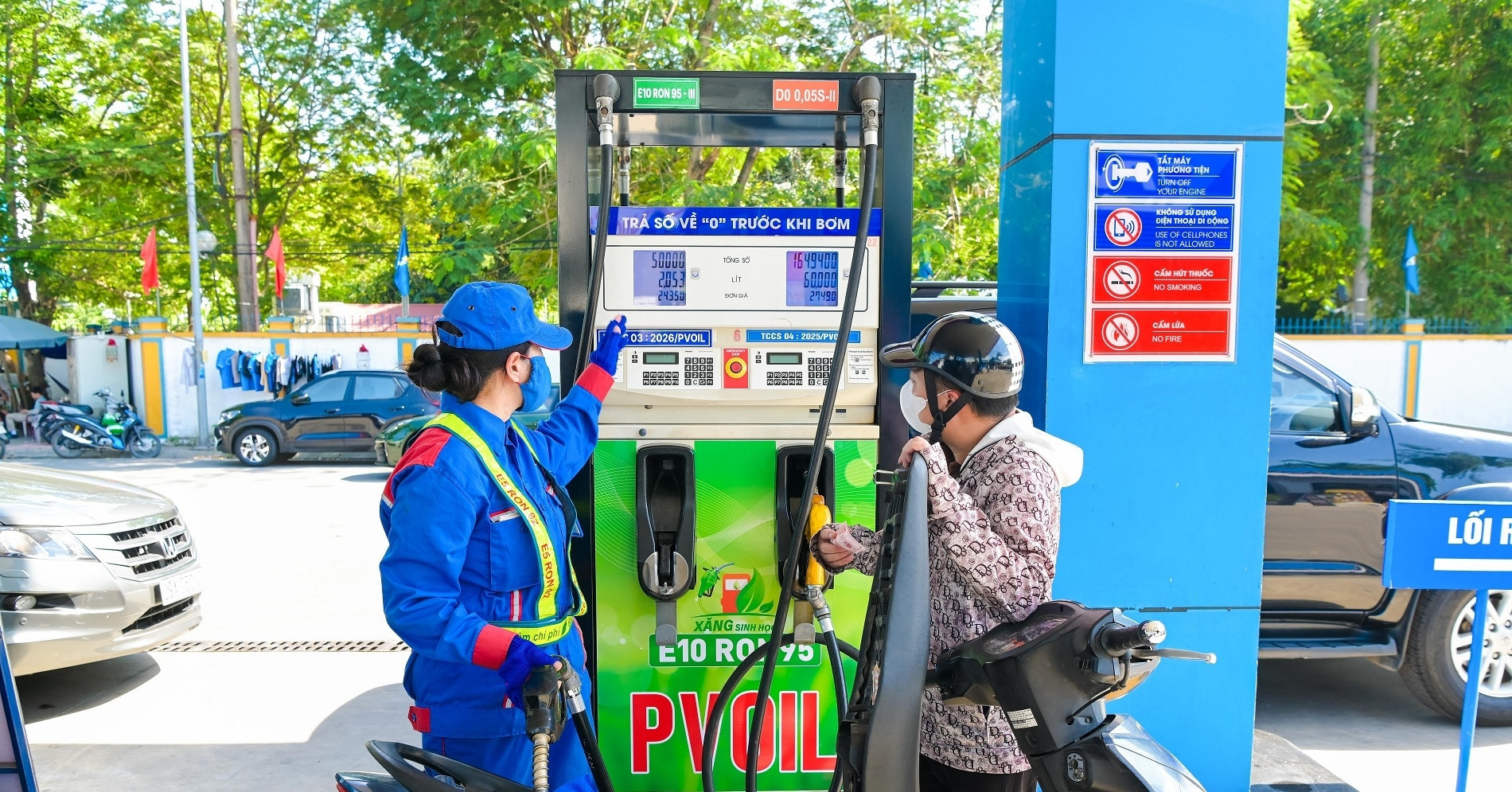
When analyzing the cumulative impact of these two consecutive adjustments, the total reduction for E5RON92 stands at 2,824 VND per liter, while E10RON95-III has decreased by a total of 2,503 VND per liter. This rapid succession of price drops reflects a concerted effort by the Vietnamese government to pass on the benefits of easing international crude oil prices to the domestic economy, thereby mitigating inflationary pressures on the supply chain.
Contextualizing Policy Support: The Special Consumption Tax
Beyond the immediate retail adjustments, the government’s commitment to energy affordability is underscored by the recent issuance of Resolution 45/2026/NQ-CP. This legislative measure effectively reduces the Special Consumption Tax on gasoline to 0% through March 31, 2027. By eliminating this specific tax burden, the government has provided an additional fiscal buffer, preventing the retail prices from spiking in response to external shocks and ensuring that essential logistics costs remain manageable for the business community.
Market Implications and Economic Analysis
The consistent decline in fuel prices carries significant implications for the Vietnamese economy. Energy costs serve as a foundational element of the Consumer Price Index (CPI); therefore, a reduction in the price of diesel—which powers the vast majority of the nation’s trucking and inland shipping fleets—is expected to have a cascading effect on the cost of goods and services.
- Logistics and Transportation: As diesel prices drop, the operating margins for logistics companies improve. Historically, high fuel costs are passed on to the consumer in the form of higher shipping fees for agricultural produce and manufactured goods. The current reduction should theoretically stabilize, if not lower, the transportation surcharges currently embedded in the retail price of essential commodities.
- Manufacturing and Industrial Production: For sectors heavily reliant on heavy machinery and energy-intensive manufacturing, the adjustments to fuel prices provide a much-needed reduction in overhead costs. This, in turn, boosts the competitive positioning of Vietnamese exports in the global market.
- Consumer Purchasing Power: By lowering the cost of personal mobility, the government is effectively increasing the disposable income of the average household. As fuel prices occupy a significant portion of family budgets, these savings are likely to be redirected toward domestic consumption, further stimulating economic activity during the final quarter of the year.
Regulatory Oversight and Compliance
The enforcement of these new price ceilings is overseen by the Ministry of Industry and Trade, in coordination with the Ministry of Finance. According to the regulatory mandate, the new price levels for products experiencing an increase must be applied no later than 22:00 on November 3, 2026, while the price reductions for products trending downward must be reflected immediately.
This strict adherence to a "no later than" timeline is designed to prevent price gouging by distributors and to ensure transparency in the retail supply chain. Local authorities and market surveillance units are tasked with monitoring gas stations nationwide to guarantee that the price caps are strictly followed, protecting consumers from potential irregularities during the transition period.
Global Market Influence
The recent downward trajectory of domestic fuel prices is a direct reflection of international market trends. Throughout late October and early November 2026, global crude oil benchmarks experienced a period of correction. Factors contributing to this softening in global prices include increased production capacity from major oil-exporting nations and a cooling of demand forecasts in several key industrial economies.

Because Vietnam is a net importer of refined petroleum products, the domestic retail price is highly sensitive to the "Singapore market" price, which acts as the benchmark for Southeast Asian imports. When international refined product prices decrease, the stabilization mechanism in Vietnam acts as a transmission belt, adjusting the retail price to match global realities.
Future Outlook
While the current trend is favorable for consumers, analysts advise that the energy market remains inherently volatile. Geopolitical tensions, potential supply chain disruptions, and fluctuations in the exchange rate between the Vietnamese Dong and the US Dollar continue to pose risks to the stability of energy prices.
The government’s continued utilization of the Price Stabilization Fund, combined with the temporary suspension of the Special Consumption Tax, demonstrates a proactive, multi-pronged approach to energy security. By maintaining these buffers, policymakers aim to shield the domestic economy from the most acute spikes in global volatility.
Moving forward, stakeholders will be closely watching the December adjustments. If global oil prices stabilize at their current lower levels, further modest reductions could be anticipated. However, should global demand recover or supply constraints emerge, the focus of the government will shift toward maintaining a floor price that ensures consistent supply without triggering runaway inflation.
In conclusion, the dual-pronged approach of market-aligned pricing and targeted tax relief serves as a stabilizer for the broader economy. By keeping fuel costs in check, the administration is prioritizing the maintenance of domestic consumption levels and the efficiency of the national logistics network. For the average citizen, the immediate effect is a tangible reduction in daily expenses, while for the economy, it represents a strategic adjustment designed to foster stability in an uncertain global climate.