US and Iran seek diplomatic pathway to break the current regional impasse as Middle East tensions remain at a critical juncture.

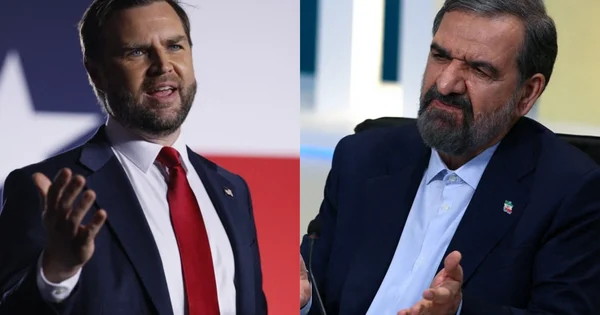
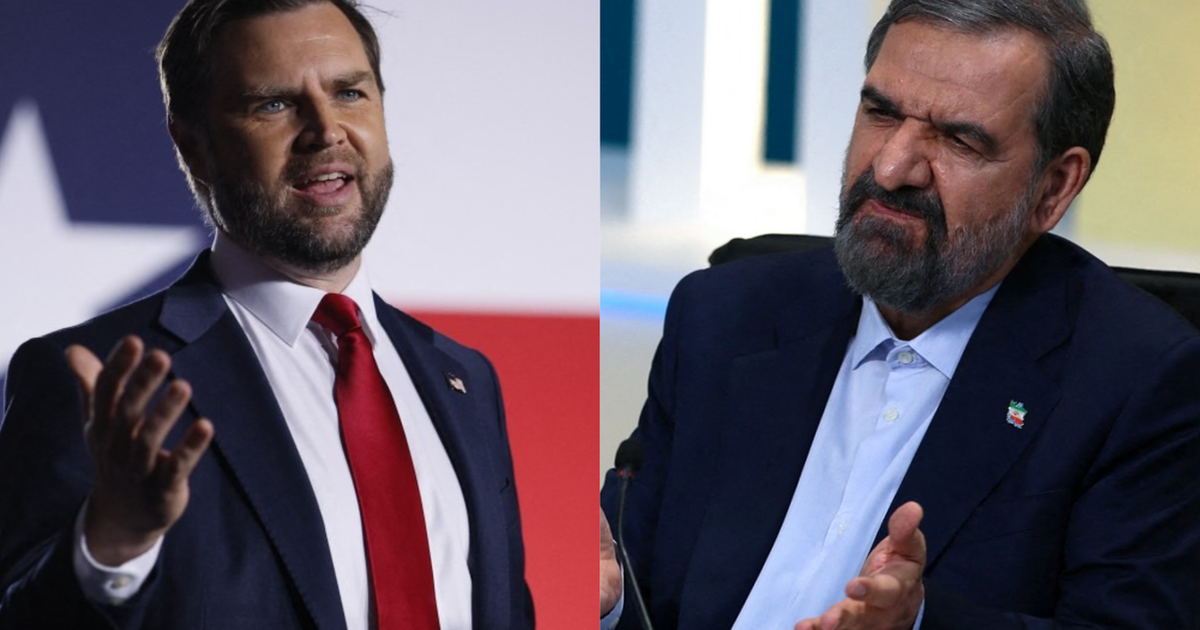
The Middle East finds itself at a precarious turning point as the United States and Iran engage in a discreet, high-stakes diplomatic effort to de-escalate tensions that have brought the region to the brink of a broader conflict. Recent reports indicate that Vice President JD Vance has taken the initiative to open a direct channel of communication with Mohsen Rezaei, the Secretary of Iran’s Supreme National Security Council, in a strategic attempt to restart stalled negotiations. This move, facilitated through Qatari intermediaries, represents a significant shift in the approach of the current administration toward Tehran, moving away from purely confrontational rhetoric toward a cautious, albeit fragile, exploration of diplomatic space.
The Diplomatic Framework and Current Initiatives
The outreach, as reported by The New York Times and corroborated by other international observers, centers on a letter transmitted via Doha. In this correspondence, Vice President Vance reportedly emphasizes the urgent need for a structured dialogue, suggesting that both sides designate high-level representatives to meet in a neutral venue. Doha, Qatar, and Istanbul, Turkey, have emerged as the primary candidates for such a summit, provided that Tehran signals its willingness to engage.
At the core of the U.S. proposal is the foundational objective of preventing Iran from acquiring nuclear weapons—a non-negotiable red line for Washington. Conversely, Tehran’s primary motivations remain the stabilization of its domestic economy, which has been crippled by years of stringent sanctions, and the preservation of its sovereign interests in a region defined by shifting alliances. The current U.S. proposal suggests that the initial meetings should focus on establishing a framework for communication rather than jumping immediately into the complex, long-standing disputes that have historically derailed nuclear negotiations.
Chronology of Recent Escalation and Engagement
The current diplomatic overture follows a period of intense volatility in the Middle East. For months, the region has been characterized by a cycle of proxy confrontations, strikes, and counter-strikes involving various state and non-state actors.
- Mid-2026: The regional security architecture began to fray as localized conflicts expanded, leading to increased maritime security concerns in the Persian Gulf and aerial incursions involving unmanned aerial vehicles (UAVs).
- Late October 2026: Diplomatic channels began to heat up as it became clear that a military-only solution was becoming increasingly costly and risky for all parties involved.
- October 25, 2026: Qatar proposed a framework for peace, which was initially met with hesitation or rejection by certain factions within the Iranian government, reflecting the internal power struggle regarding the merits of engaging with the United States.
- October 29, 2026: Mohammad Bagher Ghalibaf, the Speaker of the Iranian Parliament, publicly conditioned further progress on the acceptance of seven specific Iranian demands, including a cessation of regional military clashes.
- October 30, 2026: Vice President Vance’s letter was formally acknowledged, and reports surfaced of direct communication between Iranian officials and leadership, signaling that the message had reached the highest echelons of the Iranian state.
Strategic Rationale and The Role of Key Figures
The decision to focus on Mohsen Rezaei is highly significant. A former commander of the Islamic Revolutionary Guard Corps (IRGC), Rezaei is viewed by U.S. intelligence as a pragmatic, albeit hardline, power broker who maintains direct and frequent contact with the Supreme Leader’s office. Analysts suggest that the U.S. strategy involves bypassing the traditional, often gridlocked bureaucratic channels of the Iranian Foreign Ministry in favor of engaging with individuals who possess the actual authority to influence policy decisions at the highest level.
Hamidreza Azizi, an expert at the International Institute for Strategic Studies, noted that targeting Rezaei reflects a nuanced understanding of Tehran’s internal power dynamics. "By reaching out to someone with deep military and security credentials, the U.S. is signaling that it understands where the real levers of power lie in Tehran," Azizi remarked. However, this strategy carries inherent risks, as it relies on the assumption that the Iranian leadership is ready to compromise on security issues in exchange for economic relief.
The Economic and Military Calculus
Washington’s "pressure-and-dialogue" approach is simultaneously accompanied by rigorous economic measures. U.S. Treasury Secretary Scott Bessent has recently highlighted the strain that sanctions have placed on the Iranian state’s ability to fund its operations, noting that the regime is facing increasing difficulties in managing its military expenditures.
Despite these economic pressures, the U.S. military posture remains formidable. Recent reports from The Wall Street Journal confirm that the U.S. has been coordinating with regional partners, including the deployment of advanced aerial assets to airbases in allied nations. General Brad Cooper, commander of U.S. Central Command, has reportedly briefed the White House on various military contingencies, ensuring that if diplomacy fails, the U.S. maintains a credible deterrent force. This dual-track approach—offering a path to economic recovery while maintaining a "big stick"—is designed to force Tehran to realize that the status quo is unsustainable.
International Perspectives and Regional Reactions
The international community, particularly regional powers, has expressed cautious optimism regarding the U.S.-Iran channel. Russia has also positioned itself as a potential mediator. Kremlin spokesman Dmitry Peskov noted on October 30 that Moscow stands ready to assist if requested, emphasizing that the Iranian nuclear issue is a frequent topic in Russia-U.S. discussions. Russia’s involvement, however, is viewed with skepticism by some Western capitals, who fear Moscow may seek to leverage the situation to its own geopolitical advantage.
Furthermore, the United Nations and other international bodies have repeatedly called for restraint. The primary challenge remains the sequencing of concessions: the United States insists on addressing the nuclear program as a precursor to any sanctions relief, whereas Tehran demands an immediate end to export blockades and financial sanctions as a gesture of good faith.
Implications and Future Outlook
The success of these nascent diplomatic efforts remains highly uncertain. The internal politics of both nations present significant obstacles. In the United States, any deal with Iran faces intense scrutiny from Congress and a polarized electorate, while in Iran, the conservative establishment remains wary of any agreement that could be perceived as a capitulation to "Western imperialism."
If the two sides can navigate the initial hurdles of establishing a formal meeting, the focus will likely shift to technical discussions regarding nuclear enrichment levels and regional de-escalation protocols. However, the risk of a "spoiler" event—such as a miscalculated attack by a proxy group or an accidental kinetic encounter in the Persian Gulf—remains high.
The next two weeks are considered critical. If direct, high-level meetings can be convened, it may pave the way for a more comprehensive, long-term stabilization effort. Failure, however, would likely result in a return to a state of heightened regional hostility, with the potential for further military escalation that could have global repercussions on energy security and trade stability.
As it stands, the diplomatic door is slightly ajar. Whether the parties involved have the political capital and the strategic patience to walk through it remains the central question of the current geopolitical landscape. The world watches, recognizing that in the Middle East, the distance between dialogue and conflict is often measured in hours, not years.