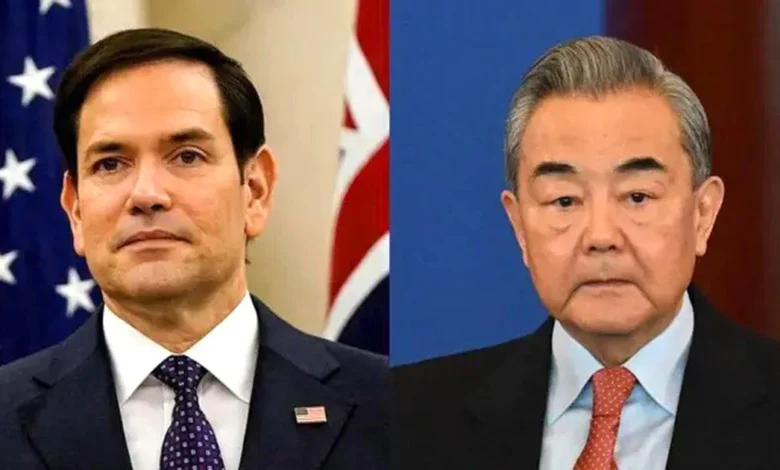
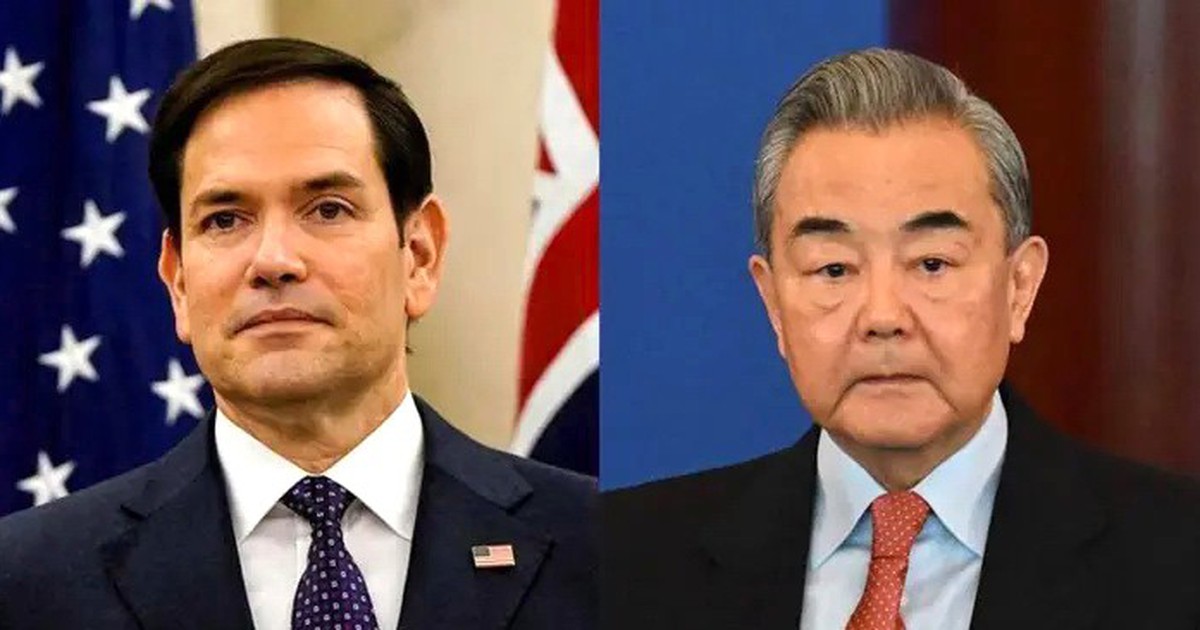
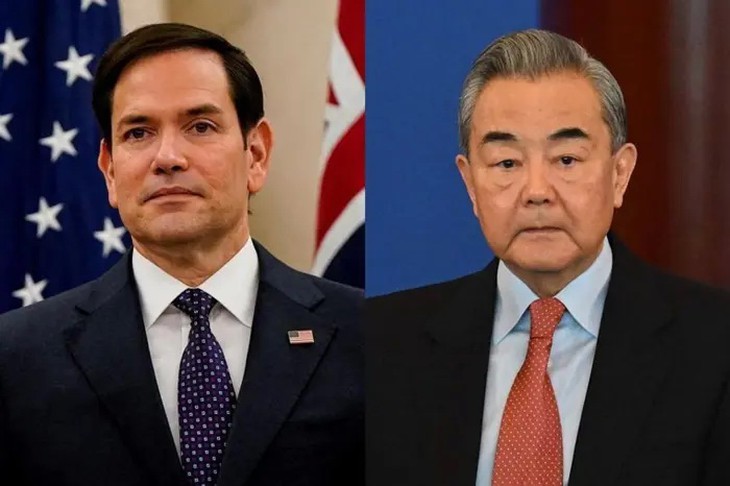
As global attention increasingly pivots toward the evolving dynamics of the trans-Pacific relationship, high-level diplomatic channels between the United States and China have yielded a critical milestone. On September 17, 2026, Chinese Foreign Minister Wang Yi and U.S. Secretary of State Marco Rubio engaged in a comprehensive telephone conversation, marking a pivotal moment of direct communication. This high-stakes diplomatic dialogue occurred merely one week prior to the much-anticipated state visit of Chinese President Xi Jinping to the United States, underscoring both nations’ intent to carefully calibrate their strategic trajectory amid ongoing economic and geopolitical friction.
According to official readouts provided by state media outlet Xinhua, the bilateral conversation served to synchronize expectations and fine-tune the final logistical and substantive arrangements for President Xi’s upcoming arrival in Washington, D.C. The dialogue follows a sustained period of diplomatic engagement, trailing U.S. President Donald Trump’s high-profile visit to Beijing earlier in May 2026. By maintaining active communication channels, both Washington and Beijing have signaled a mutual desire to avoid strategic miscalculations and establish a predictable framework for executive-level interactions.
Strategic Realignment and High-Level Preparations
During the diplomatic exchange, Foreign Minister Wang Yi emphasized to Secretary of State Marco Rubio that Beijing and Washington must approach upcoming high-level exchanges guided by principles of mutual respect, peaceful coexistence, and win-win cooperation. Wang articulated that despite persistent structural rivalries, bilateral ties have generally trended along a constructive, strategic, and stable path over recent months.
The conversation between the two top diplomats was designed to put the finishing touches on the agenda for President Xi’s visit, which represents a watershed moment in contemporary U.S.-China relations. The upcoming summit will feature a high-profile meeting between President Trump and President Xi, an event closely watched by international markets, allied nations, and geopolitical analysts alike.
According to reports from the South China Morning Post, the Wang-Rubio phone call functioned primarily as a mechanism to resolve outstanding agenda items and finalize protocol details. This exchange followed a similar preparatory dialogue held approximately two weeks prior, indicating an intense, rhythmic diplomatic cadence aimed at ensuring seamless execution of the presidential summit.
Historical Context: From Trade Wars to Strategic Pragmatism
The journey toward this upcoming presidential summit has been marked by profound volatility. Over the preceding years, the bilateral relationship experienced severe turbulence, most notably characterized by an escalating trade war. Both economic superpowers engaged in rounds of reciprocal, punitive tariff implementations that threatened global supply chains and dampened international market confidence.
However, a fragile equilibrium was eventually reached through sustained negotiations, culminating in a negotiated tariff truce. While core structural disputes surrounding technology transfer, intellectual property, and market access remain unresolved, both administrations have recognized the imperative of managing competition to prevent open conflict.
President Trump’s visit to Beijing in May 2026 served as an initial catalyst for this diplomatic thaw, during which the U.S. president referred to President Xi in respectful terms and laid the groundwork for reciprocal visits. President Xi’s upcoming journey to Washington thus serves as the natural continuation of this diplomatic stabilization process, offering both leaders an opportunity to institutionalize crisis-management mechanisms and outline areas of pragmatic cooperation.
Geopolitical Flashpoints: The Middle East and Economic Pressure
Beyond bilateral trade and structural competition, the conversation between Wang Yi and Marco Rubio also encompassed broader geopolitical flashpoints, most notably the escalating crisis in the Middle East.
The Trump administration has actively pursued a campaign of maximum economic pressure against Iran, utilizing severe sanctions and diplomatic coercion to compel Tehran into negotiating a comprehensive agreement to permanently curtail its nuclear ambitions and cease support for regional proxy networks. A central element of Washington’s strategy involves cutting off Iran’s petroleum exports, which form the financial backbone of the Iranian state.
China, however, remains one of the primary purchasers of Iranian crude oil, providing an economic lifeline to Tehran through continuous energy imports. Beijing has consistently resisted U.S. pressure to sever its energy trade with Iran, asserting its right to maintain normal commercial relations with sovereign states. During their discussion, Wang and Rubio addressed these diverging positions, reflecting the persistent complexities that continue to test diplomatic coordination between the two capitals.
Despite these sharp disagreements, U.S. officials have indicated that the broader agenda for the Trump-Xi summit will be comprehensive. Beyond trade architecture and regional security issues, the two leaders are expected to tackle emerging frontier challenges, including the governance of artificial intelligence (AI), strategic stability, and coordinated responses to transnational threats.
Unprecedented Protocol and Reception in Washington
In a clear indication of the high priority assigned to President Xi’s visit, the White House has prepared an extraordinary diplomatic welcome. On September 17, a senior U.S. official, speaking on condition of anonymity, revealed to Agence France-Presse (AFP) that President Trump intends to bestow a rare and highly symbolic honor upon his Chinese counterpart.
President Xi and First Lady Peng Liyuan will be greeted with maximum state honors upon touching down in Washington, D.C., next week. Eschewing standard diplomatic protocols reserved for visiting heads of state, President Trump will personally travel to the airfield to welcome President Xi.
According to the official disclosures, President Trump will utilize Joint Base Andrews as the primary reception site, where Air Force One carrying the Chinese delegation is scheduled to land at approximately 4:00 PM local time on September 23, 2026. This personalized tarmac greeting is designed to project a public image of executive-level rapport and mutual respect, setting a positive tone for the formal state dinner and subsequent bilateral negotiations at the White House.
Broader Implications and Future Outlook
As the diplomatic clock ticks down to President Xi’s arrival, the preparatory work executed by Foreign Minister Wang Yi and Secretary of State Marco Rubio underscores the delicate architecture of modern great-power competition. While deep-seated ideological divergences, technological decoupling, and regional security competition will continue to define the U.S.-China relationship for the foreseeable future, the resumption of predictable, high-level summitry demonstrates a shared recognition of the responsibilities incumbent upon the world’s two largest economies.
The success of the upcoming Washington summit will ultimately be measured not by the immediate resolution of intractable structural disputes, but by the establishment of durable guardrails designed to manage competition responsibly. By clearing logistical hurdles and aligning diplomatic messaging, Wang and Rubio have ensured that Presidents Trump and Xi will have the political space necessary to chart a stable course through an increasingly complex global landscape.