Len Huong A Cinematic Exploration of Grief and Resilience in the Funeral Industry

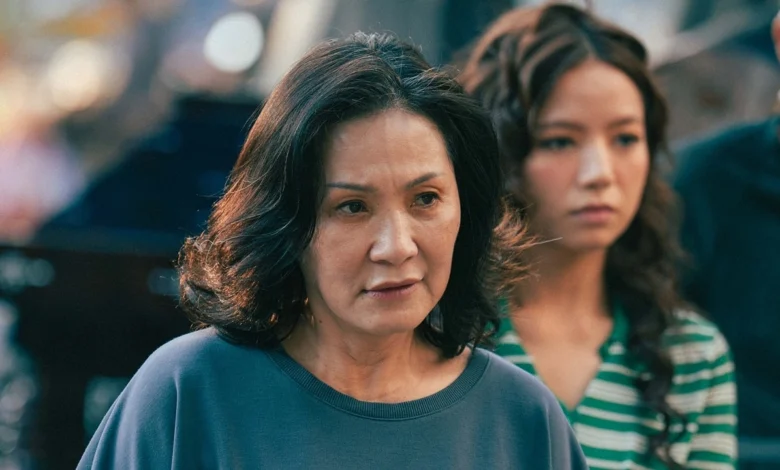
The latest cinematic offering from directors Khuong Ngoc and Ta Hoang Thong, titled Len Huong, has emerged as a poignant examination of the human condition, specifically within the rarely explored professional landscape of the funeral service industry. By blending psychological depth with dark comedy, the film provides a candid look at the intersection of life, death, and the often-bizarre rituals that accompany the departure of a loved one. The narrative centers on Tam, a delivery rider struggling to make ends meet, and Ba Moi, a seasoned funeral home proprietor, whose professional association forces them to confront their personal traumas, family complexities, and the inherent fragility of human existence.
Plot Overview and Character Dynamics
The story introduces audiences to Tam, portrayed by Vo Tan Phat, a young man whose daily existence is defined by the struggle to afford medical treatment for his ailing mother. His life takes an unexpected, and arguably morbid, turn when he encounters Ba Moi, played by the acclaimed Hong Dao. Ba Moi is a woman whose outward demeanor is defined by sharp wit, a cynical outlook, and a stoic approach to her profession. She operates a funeral parlor that serves as the backdrop for much of the film’s narrative arc.
A significant turning point in the film occurs when Ba Moi proposes that Tam engage in a traditional, albeit superstitious, practice: lying inside a coffin to invite "fortune" into his life. This ritual, rooted in folklore and the belief that such proximity to death can reverse one’s luck, acts as the catalyst for their evolving relationship. What begins as a transactional arrangement for financial stability quickly descends into a complex web of emotional discovery, as Tam is drawn into the personal lives of those involved in the funeral business.

Hong Dao’s Return to the Screen
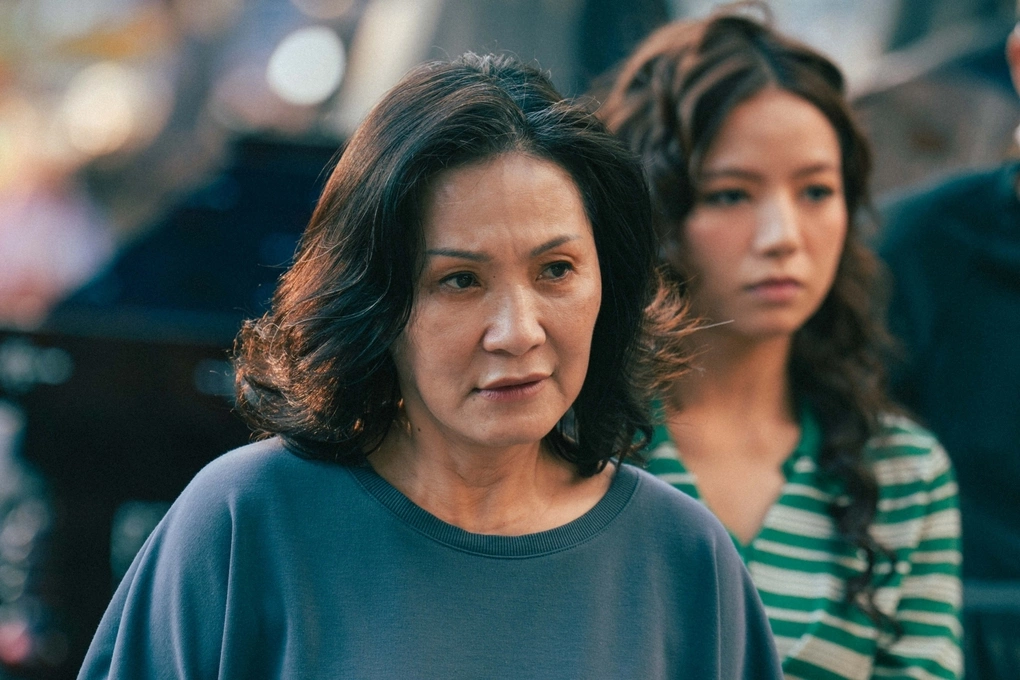
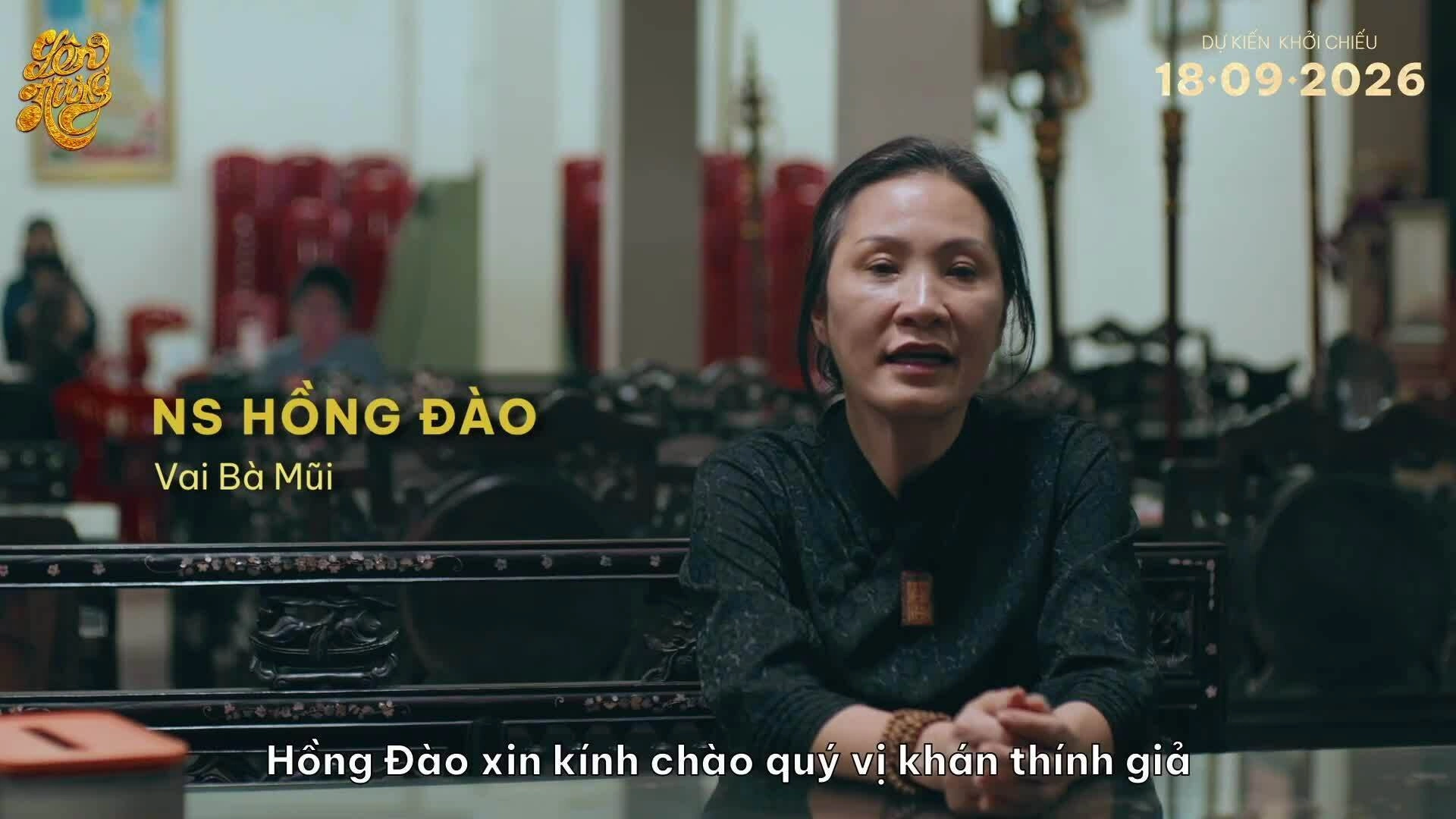
Hong Dao’s portrayal of Ba Moi is arguably the film’s most significant asset. Shifting away from her more traditional comedic roles, Hong Dao delivers a performance characterized by restraint and internal tension. Her character is a woman who has spent her life observing the grief of others, becoming so accustomed to the sight of sorrow that she has effectively shielded her own vulnerability from the world.
Critics have noted that the role of Ba Moi requires a high degree of emotional regulation, as the character rarely expresses her pain explicitly. Instead, the audience witnesses her trauma through subtle shifts in expression and dialogue. In a standout sequence involving a heated argument over a coffin, Hong Dao conveys a depth of sorrow that contradicts her character’s outer shell of indifference. This performance has drawn praise from fellow directors, including Gia Bao, who remarked that the nuance brought to the role is among the most sophisticated in the actress’s storied career.
Thematic Focus on Life and Mortality
Len Huong functions as more than just a character study; it is a meditation on mortality. The film utilizes the setting of funeral services to highlight the irony of human priorities. The directors explore how people often neglect their relationships and personal happiness until they are confronted with the physical reality of death.
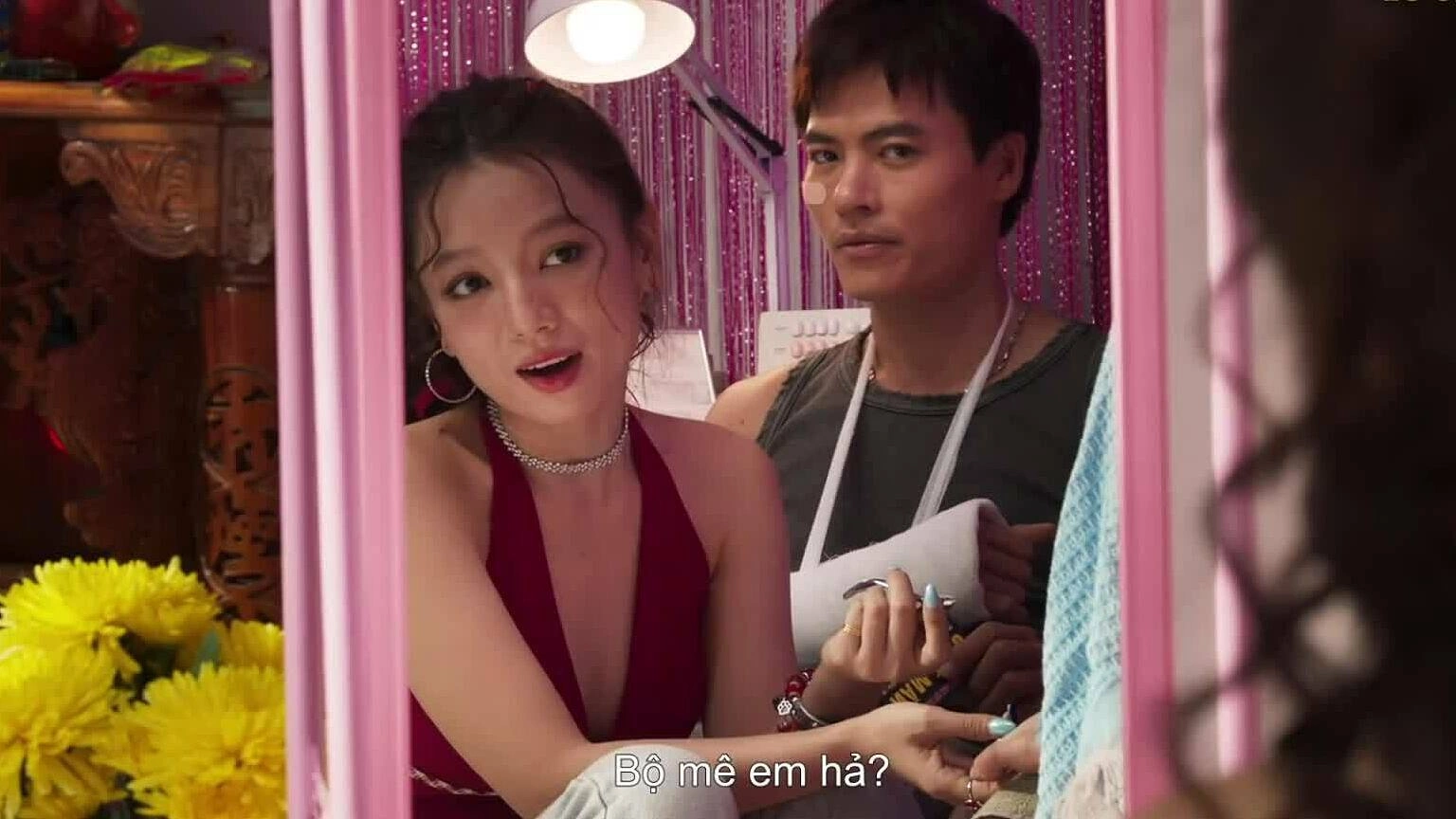
The narrative effectively balances dark comedy with profound tragedy. For instance, the sequence in which the funeral team—comprised of characters like Hanh (played by Hai Anh) and Quang (played by Quoc Khanh)—prepares for a ceremony, captures the bizarre reality of managing death as a business. They are responsible for everything from makeup and flower arrangements to musical accompaniment. However, beneath the operational efficiency lies a series of personal crises that emerge as the characters navigate their own losses.
Production Context and Creative Direction
The directorial team of Khuong Ngoc and Ta Hoang Thong opted for a visual style that emphasizes the claustrophobic nature of the funeral parlor. By employing specific camera angles and lighting techniques, they create a sense of unease that mirrors the psychological state of the protagonist. One notable scene involves a tight, close-up shot of Tam lying in a coffin, where the lid closes, plunging him into darkness while light flickers across his face. This scene serves as a visual metaphor for his transition from a life of struggle to one of existential reckoning.
The production timeline for Len Huong was marked by a collaborative effort between the cast and the crew to ensure the emotional authenticity of the film. Hong Dao, in particular, spent significant time researching the industry, including interviewing funeral home operators to understand the nuances of the profession. This preparation allowed her to deliver a performance that felt grounded in reality rather than caricature.
Supporting Cast and Narrative Contributions
While the focus remains on the dynamic between Tam and Ba Moi, the supporting cast plays a crucial role in grounding the film’s emotional stakes. Tuyet Thu, portraying Tam’s mother, delivers a compelling performance as a woman battling chronic illness while maintaining a fierce love for her son. Their scenes together, particularly those set in a hospital, provide the film’s most heart-wrenching moments.
Furthermore, Quoc Khanh adds a necessary layer of levity to the proceedings. His character, Quang, serves as a comedic relief, using sharp, sarcastic dialogue to puncture the otherwise heavy atmosphere of the film. This contrast is vital in preventing the story from becoming overly melancholic, ensuring that the audience remains engaged with the characters’ journey.
Commercial Performance and Critical Reception
Since its release, Len Huong has demonstrated significant commercial viability. Within its first three days of wide release, the film reportedly grossed nearly 30 billion VND, signaling a strong start to the weekend box office. Industry analysts have pointed to the film’s unique premise and the star power of Hong Dao as key drivers for this initial success.
Director Ly Minh Thang, who reviewed the film, noted that its strength lies in its concise storytelling and its ability to handle sensitive subject matter with a delicate touch. While some critics have noted that certain scenes feel slightly staged, the overall consensus is that the film succeeds in its goal of provoking thought about the value of human connection.
Broader Implications for the Industry
The success of Len Huong reflects a growing trend in contemporary cinema toward exploring "niche" professional environments. By focusing on the funeral industry, the film invites audiences to confront topics that are typically avoided in mainstream media. This cultural shift suggests that viewers are increasingly interested in stories that challenge their perceptions of life, death, and the societal structures that govern them.
The film’s impact is further bolstered by its message regarding the importance of reconciliation. As the narrative progresses, the characters are forced to confront their past mistakes and the consequences of their actions. The final scenes, characterized by a metaphorical rainfall, suggest a cleansing of these past grievances, providing a sense of closure that is both satisfying and cathartic.
Conclusion: A Notable Addition to Contemporary Cinema
Len Huong stands as a testament to the power of character-driven storytelling. Through its exploration of grief, family duty, and the unexpected bonds formed in the face of tragedy, the film offers a unique perspective on what it means to be alive. With its strong performances, particularly from Hong Dao and Vo Tan Phat, and its skillful direction, it is a significant addition to the landscape of modern drama. As the film continues its theatrical run, its focus on the universality of loss and the resilience of the human spirit is likely to resonate with a wide and diverse audience, cementing its place as a notable entry in the current cinematic cycle.
Related posts: