The recent disclosure regarding the emergency field repairs performed on United States Air Force KC-135 Stratotanker aircraft highlights a critical chapter in modern aerial warfare logistics. Following a sophisticated drone and missile attack by Iran on American assets in the Middle East, several refueling tankers were left incapacitated, forcing ground crews to execute unconventional, high-stakes repairs under combat conditions. This incident has sparked a broader conversation within the Pentagon regarding the necessity of decentralized maintenance capabilities and the logistical resilience required to sustain long-term power projection in contested environments.
The Anatomy of the Attack
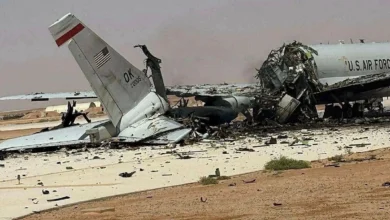
The incident occurred during a period of heightened regional volatility, where U.S. military installations, particularly those in the Middle East, became primary targets for precision-guided munitions and unmanned aerial systems. Reports from the Pentagon’s Inspector General, confirmed in mid-September, revealed that at least five KC-135 aircraft sustained significant damage during an assault on the Prince Sultan Air Base in Saudi Arabia.
The attack was not limited to refueling assets. The strikes effectively neutralized an E-3G Sentry Airborne Warning and Control System (AWACS) aircraft, which was rendered a total loss, while causing structural damage to a second E-3G. Furthermore, the barrage resulted in the destruction of multiple support buildings and personnel barracks, signaling a tactical shift in the adversary’s capability to strike high-value, stationary targets with increased accuracy.
Emergency Response and Field Expediency
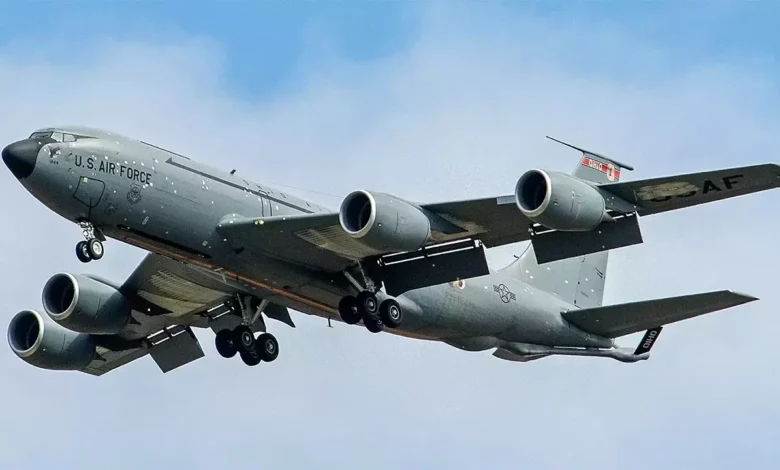
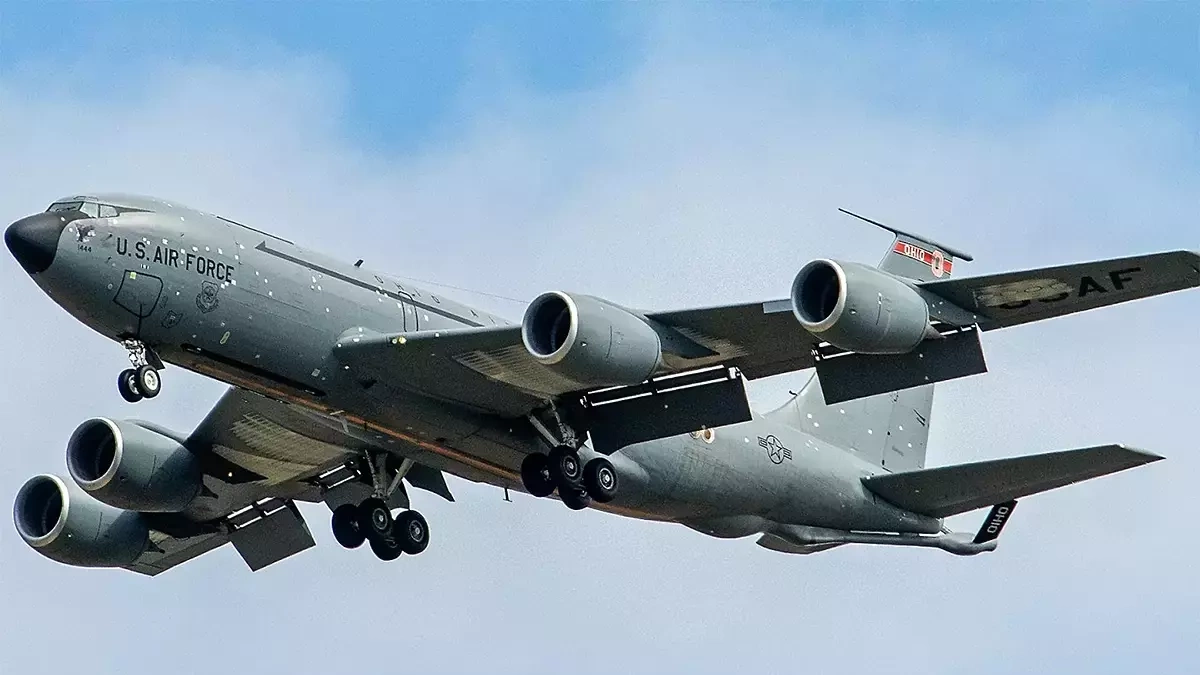
For the maintenance teams stationed at the base, the priority was immediate: restoring flight-worthiness to assets that were critical for ongoing regional operations. The KC-135, a backbone of the U.S. Air Force’s aerial refueling capability, is a complex machine. Following the attack, maintenance crews were faced with a daunting scenario: the aircraft were fully fueled for upcoming sorties, necessitating the dangerous task of offloading approximately 90 tons of volatile jet fuel before repairs could commence.
General Daniel H. Tulley, a senior leader within the U.S. Air Force Air Mobility Command, described the atmosphere as chaotic yet disciplined. "The alarm sounded while the aircrews were already on board the tankers and the maintenance teams were preparing for the mission launch. Everyone had to abandon the flight line and scramble to the bomb shelters," Tulley recounted during a recent Air, Space & Cyber Conference.
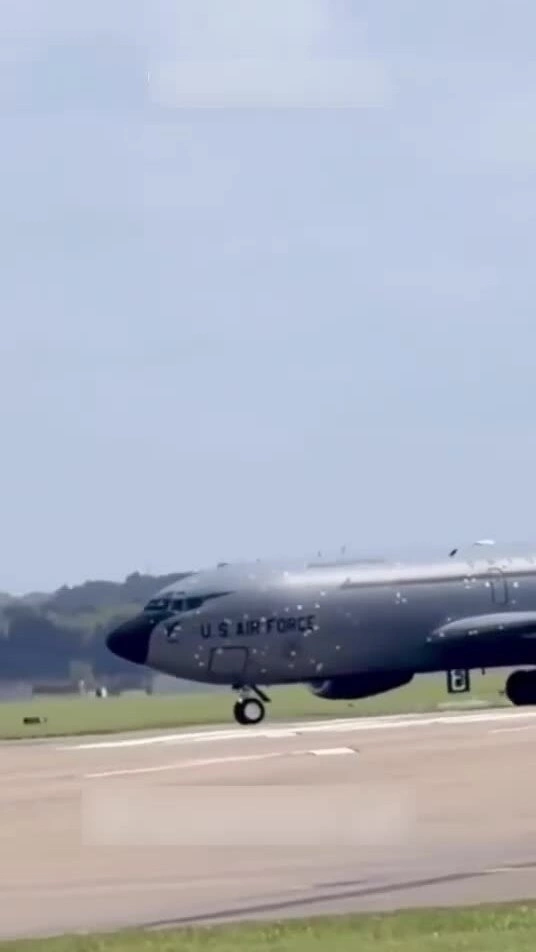
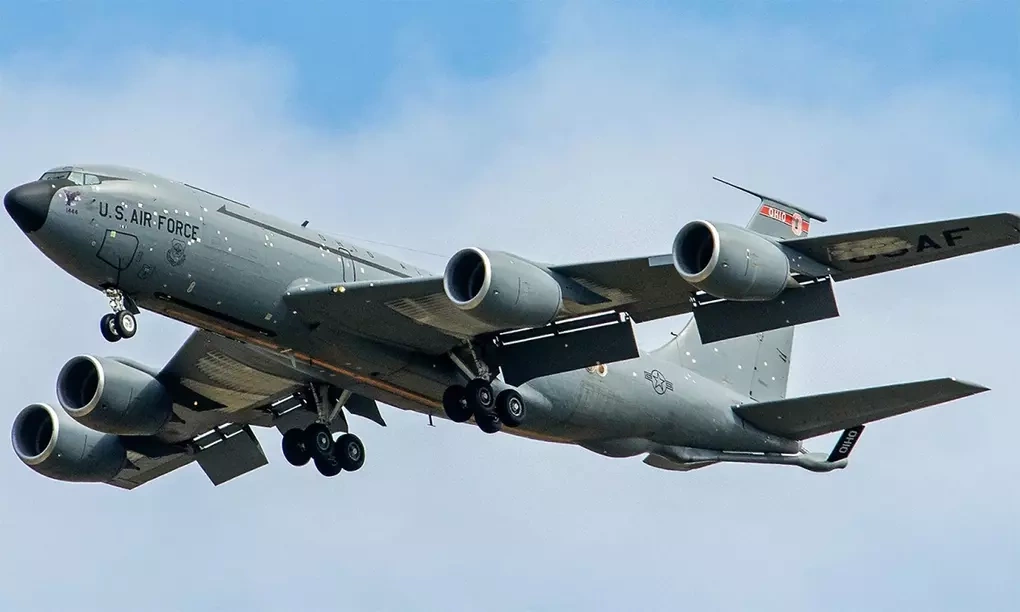
Once the immediate threat subsided, the true extent of the damage was revealed. The fuselage of the affected tankers was riddled with shrapnel, a testament to the intensity of the incoming fire. It was at this juncture that maintenance personnel initiated what is colloquially known as "high-speed tape" repairs. Using specialized aluminum-backed adhesive materials designed for temporary structural integrity, the crews worked around the clock to seal holes and patch compromised sections of the airframe, ensuring the aircraft could safely transit back to major maintenance hubs in the United States and Europe for permanent repairs.
The Logistical Pivot: A Shift to Decentralization
The necessity of conducting such makeshift repairs at the point of origin has underscored a strategic vulnerability in current Air Force doctrine. Traditionally, the U.S. military has relied on centralized maintenance hubs back in the continental United States (CONUS) to handle complex structural repairs. However, the sheer distance and the reality of modern multi-domain conflict have made this model increasingly untenable.
General Linda Hurry, who oversees the Air Force’s logistics and sustainment efforts, emphasized that the repair of the KC-135 fleet was a "proof of concept" for a new, more resilient logistics model. Under her direction, the Air Force has begun shifting significant maintenance equipment and personnel toward theater-level hubs, such as the Mildenhall Air Base in the United Kingdom. By moving the capability closer to the front lines, the military reduces the "turnaround time" for damaged aircraft, allowing them to return to the fight faster without the need for long, perilous trans-oceanic flights in a compromised state.
Tinker Air Force Base and the EDMX Program
Central to this new strategy is the Oklahoma City Air Logistics Complex at Tinker Air Force Base, which houses the Expeditionary Depot Maintenance (EDMX) program. This unit is uniquely tasked with performing heavy maintenance on both bombers and refueling aircraft in austere or forward-deployed locations.
The success of the repairs in the Middle East—and the subsequent refurbishment of 30 additional tankers at facilities in the U.K. rather than the U.S.—has provided a roadmap for future operations. General Kenneth Wilsbach, commander of Pacific Air Forces, has echoed the need for this decentralized approach. "Aircraft should not need to cross the globe for routine repairs when we can establish regional hubs that provide the same level of technical expertise and logistical support," Wilsbach noted.
Strategic Implications for Future Conflict
The "tape-and-patch" method employed on the KC-135 fleet is not merely a story of ingenuity; it is a signal of the changing nature of expeditionary warfare. Military analysts, such as Howard Altman of The War Zone, have characterized this shift as a vital component of future peer-to-peer conflict. As adversaries develop the ability to strike deep into rear-echelon areas, the U.S. military must move away from the luxury of "safe" maintenance bases.
Furthermore, this incident has forced a reassessment of "Force Regeneration"—the military term for the process of reviving aircraft from storage or returning damaged assets to active service. In a prolonged conflict, the ability to regenerate force capability rapidly will be the deciding factor between air superiority and failure. The lessons learned from the Middle East are now being integrated into training exercises, focusing on "distributed maintenance," where small, highly skilled teams are deployed with the capability to perform structural repairs on the flight line.
Analysis: Resilience vs. Vulnerability
While the rapid repair of the KC-135s is a success story of American field ingenuity, it also highlights the vulnerability of the current fleet. The fact that high-value assets were parked in a way that left them susceptible to massed drone and missile fire has triggered internal reviews regarding base security and the hardening of existing infrastructure.
The logistical strain of maintaining an aging fleet, such as the KC-135, in a combat zone cannot be understated. As these aircraft reach the end of their service lives, the challenge of finding spare parts and specialized technical knowledge increases. The EDMX program’s success in forward-deploying maintenance expertise is a temporary, albeit effective, mitigation strategy. However, the long-term solution lies in a combination of more robust base defenses, the introduction of newer, more durable refueling platforms, and a fundamental shift toward an expeditionary maintenance culture that is prepared to operate in the "kill chain" of a near-peer adversary.
In conclusion, the repair of the KC-135 tankers following the Iranian attacks serves as both a cautionary tale and a blueprint. It demonstrates that while the U.S. military possesses the technical skill to overcome localized damage, the future of conflict will demand a level of logistical agility that was not required in previous decades. By decentralizing repair capabilities and empowering forward-deployed teams, the Air Force is attempting to turn its greatest logistical weakness—distance—into a manageable tactical variable. The ongoing evolution of these practices will likely define the success or failure of air mobility in the conflicts of the coming decade.