Bien Hoa Vung Tau Expressway and Ben Luc Long Thanh Expressway to be connected by September 30

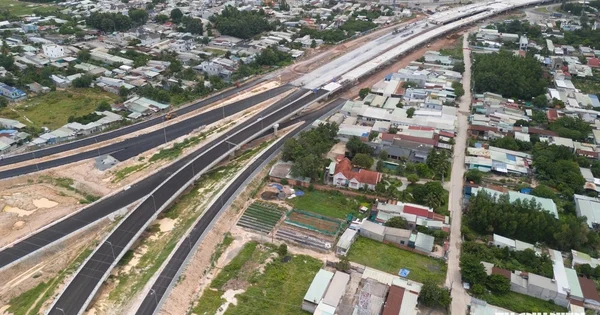
The regional infrastructure landscape of Southern Vietnam is poised for a significant transformation as the Project Management Board 85, operating under the Ministry of Transport, announced that the vital connection between the Bien Hoa – Vung Tau Expressway and the Ben Luc – Long Thanh Expressway is scheduled to be opened to traffic by September 30, 2026. This strategic link, centered at the Tan Hiep intersection, represents a critical milestone in the development of the national expressway network, facilitating smoother cargo movement and passenger travel between the industrial hubs of Dong Nai, the economic engine of Ho Chi Minh City, and the coastal logistics gateway of Ba Ria – Vung Tau.
Strategic Importance of the Tan Hiep Intersection
The integration of these two major arterial routes is designed to alleviate the chronic traffic congestion that has historically plagued the National Highway 51 corridor. By establishing a direct interchange at Tan Hiep, the Ministry of Transport aims to create a seamless flow of traffic that bypasses the densely populated and heavily trafficked urban segments that have previously slowed the movement of goods between the deep-water ports of Cai Mep-Thi Vai and the manufacturing zones of Dong Nai province.
While the primary connection will be operational for transit, authorities have clarified that specific traffic movements—namely those exiting from the Bien Hoa – Vung Tau Expressway toward National Highway 51—will remain restricted for the immediate future. This temporary limitation is necessitated by ongoing complications regarding the installation of electronic toll collection (ETC) infrastructure at those specific ramps, which remain under construction. Project officials noted that until these systems are fully calibrated and integrated into the national network, these specific access points will not be opened to commercial or private traffic to ensure safety and regulatory compliance.
Operational Parameters and Safety Regulations
In the initial phase of the opening, the authorities have implemented strict access controls to manage the flow of traffic effectively. For the time being, the newly connected expressway segments will be reserved exclusively for passenger vehicles. This decision is intended to stabilize traffic patterns and minimize the risks associated with heavy-duty vehicles navigating the newly commissioned interchange.
The operational speed limits on the mainlines have been set to balance efficiency and safety. Drivers will be permitted to travel at a maximum speed of 100 km/h, while a minimum speed limit of 60 km/h will be enforced to maintain consistent traffic flow and prevent bottlenecks. These standards align with the broader national safety protocols for high-speed transit routes in Vietnam, ensuring that the new connection meets the rigorous engineering requirements necessary for modern, high-capacity infrastructure.
The Bien Hoa – Vung Tau Expressway: A Project Overview
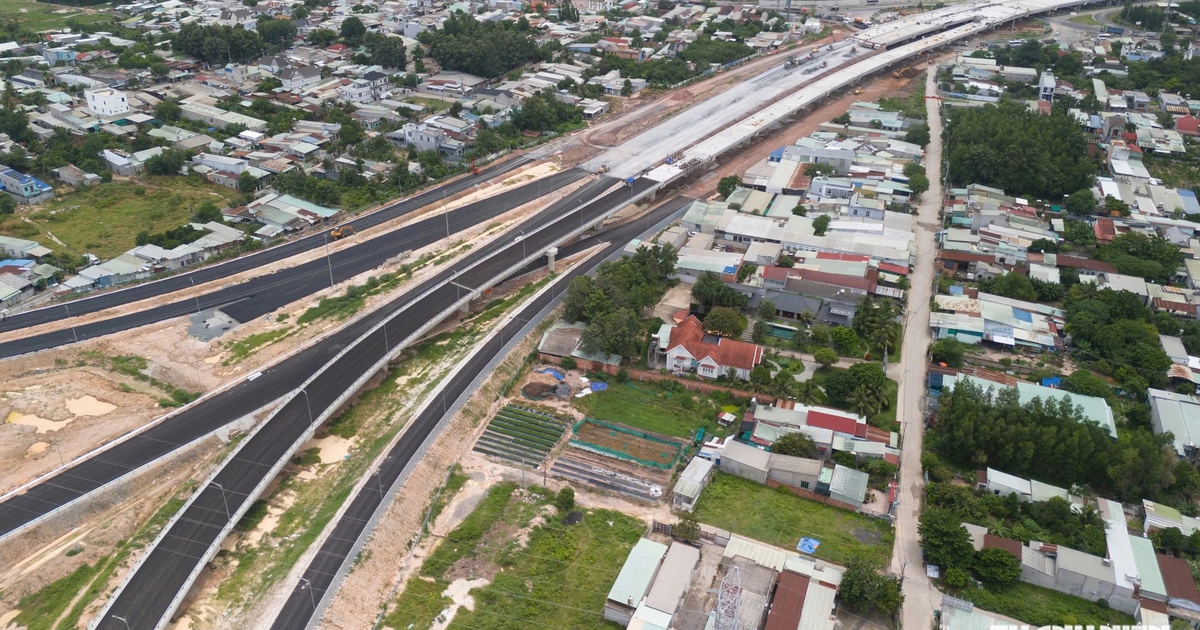
The Bien Hoa – Vung Tau Expressway serves as a vital artery stretching 54 kilometers. The route traverses two major jurisdictions: Dong Nai province, which accounts for 34.2 kilometers of the alignment, and the region extending toward Ba Ria – Vung Tau, covering the remaining 19.8 kilometers. Since its groundbreaking in June 2023, the project has been under intense pressure to meet accelerated deadlines, reflecting the urgent need for enhanced connectivity to support the booming industrial sector in the Southeast region.
The project reached a significant intermediate milestone on May 18, when partial segments of the route were opened to accommodate limited traffic. This phased approach allowed authorities to test the integrity of the road surface and the functionality of the drainage and lighting systems before the final integration with the Ben Luc – Long Thanh route.
Ben Luc – Long Thanh: Bridging the Delta and the Industrial East
Complementing the Bien Hoa – Vung Tau line is the Ben Luc – Long Thanh Expressway, an ambitious 57.8-kilometer project that serves as a vital bridge between the Mekong Delta and the industrial heartland of Eastern Vietnam. With a total investment capital of 29,587 billion VND, the project spans across three administrative regions: Tay Ninh (2.7 km), Ho Chi Minh City (26.4 km), and Dong Nai (28.7 km).
The completion of this expressway is considered a prerequisite for the full operational success of the upcoming Long Thanh International Airport. By connecting the southwestern provinces directly to the airport zone and the industrial clusters in Dong Nai, the expressway will drastically reduce travel times and logistics costs. The government’s commitment to synchronizing these projects by late 2026 underscores the high priority placed on creating a unified, high-speed transit network that can support the long-term economic trajectory of the Southern Key Economic Zone.
Chronology and Development Milestones
The path to the current connectivity status has been marked by rigorous engineering and administrative coordination.
- June 2023: The official groundbreaking ceremony for the Bien Hoa – Vung Tau Expressway, signaling the start of the massive land clearance and construction phase.
- May 18, 2026: Initial segments of the Bien Hoa – Vung Tau route are opened for trial operations, providing a proof-of-concept for the structural capacity of the road.
- May 2026: Official reports confirm that the synchronization of traffic connectivity between Ho Chi Minh City and the Long Thanh airport project remains on track for late 2026, setting the stage for the September 2026 connection of the two major expressways.
- September 27, 2026: The Project Management Board 85 formally announces the impending opening of the Tan Hiep interchange connection.
- September 30, 2026: Target date for the full opening of the intersection, allowing for the first wave of through-traffic between the two expressways.
Economic and Logistical Implications
The connection of these two expressways is not merely a construction achievement; it is a major economic catalyst. For the logistics sector, the ability to bypass congested urban streets means more reliable "just-in-time" delivery schedules for exporters. The Southern region of Vietnam currently accounts for a significant portion of the country’s GDP, and infrastructure bottlenecks have been cited by international trade bodies as a primary concern for foreign direct investment (FDI) retention.

By streamlining the transit from the inland industrial parks of Dong Nai to the sea ports in Vung Tau, and bridging the distance to the future Long Thanh International Airport, the government is creating a multi-modal transport hub. Analysts suggest that once the toll systems are fully functional and the speed limits are normalized across all segments, the transit time for goods vehicles could decrease by as much as 30-40% compared to existing routes on National Highway 51.
Future Outlook and Challenges
While the September 30 opening represents a victory for the project teams, the task of full system integration remains ongoing. The issue of the remaining toll collection infrastructure on the ramps leading to National Highway 51 highlights the complexity of managing large-scale infrastructure projects. Coordination between the Ministry of Transport, local authorities, and private contractors is essential to ensure that the remaining gaps are closed in the coming months.
Furthermore, the government is expected to monitor the environmental and social impacts of this increased traffic flow. As these expressways reach full capacity, there will be a continued need for the expansion of feeder roads and improved public transport links to ensure that the benefits of the high-speed network are distributed to the surrounding communities.
In conclusion, the integration of the Bien Hoa – Vung Tau and Ben Luc – Long Thanh expressways is a landmark development for Vietnam’s infrastructure. As the September 30 deadline approaches, the successful execution of this connection will provide a much-needed boost to regional connectivity, laying the foundation for sustained economic growth and improved logistics efficiency in the years to come. The Project Management Board 85, along with the Ministry of Transport, remains focused on the final stages of site preparation, ensuring that the transition to this new traffic configuration is as safe and seamless as possible for all motorists.