In the mountainous region of An Giang, particularly within the Bảy Núi area, a strategic shift in agricultural support is transforming the lives of ethnic minority communities. Through targeted government initiatives providing livestock, honeybee colonies, and technical training, the region is witnessing a steady transition from precarious manual labor to sustainable household production, marking a significant milestone in poverty reduction efforts for the Khmer population.
A New Chapter for Local Families
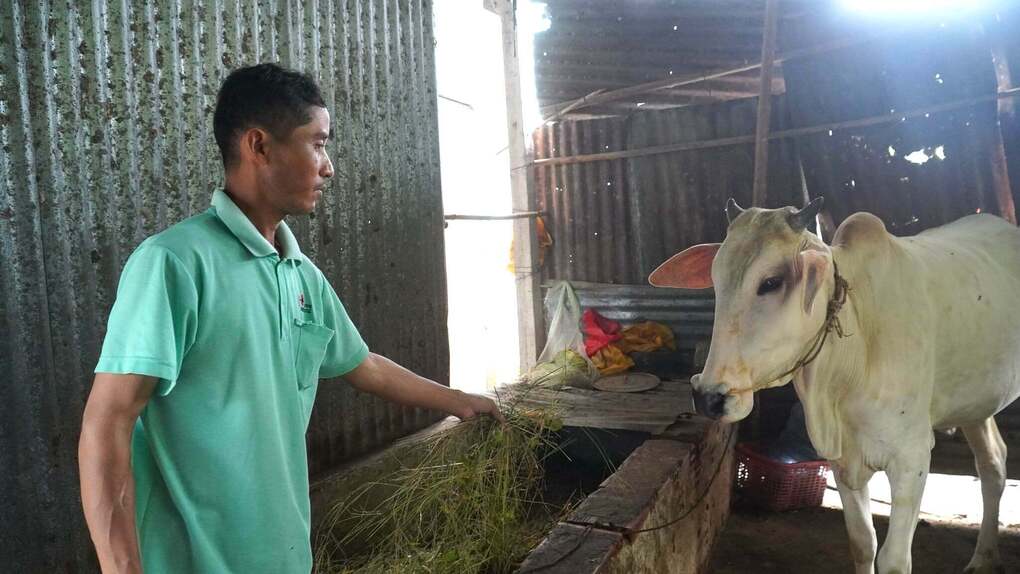
For many families like that of 42-year-old Chau Seng Đường in Tri Tôn district, the economic landscape was historically defined by the instability of seasonal construction work. Living hand-to-mouth, these families often struggled to cover basic living expenses, let alone invest in the education or future security of their children. The transition toward animal husbandry and apiculture, supported by national socioeconomic development programs, has provided these households with a vital lifeline.
By integrating cattle rearing and "ong dú" (stingless bee) farming into their daily routines, families are effectively diversifying their income streams. Mr. Đường, for instance, has utilized his spare time to care for cattle, leveraging locally available feed sources to minimize production costs. His goal is to build a self-sustaining herd that can provide a reliable annual income, a stark contrast to his previous reliance on the erratic demand for construction labor. With a three-year projection, a successfully managed herd could generate substantial annual revenue, providing the capital necessary for long-term family investments.
The Rise of Stingless Bee Apiculture
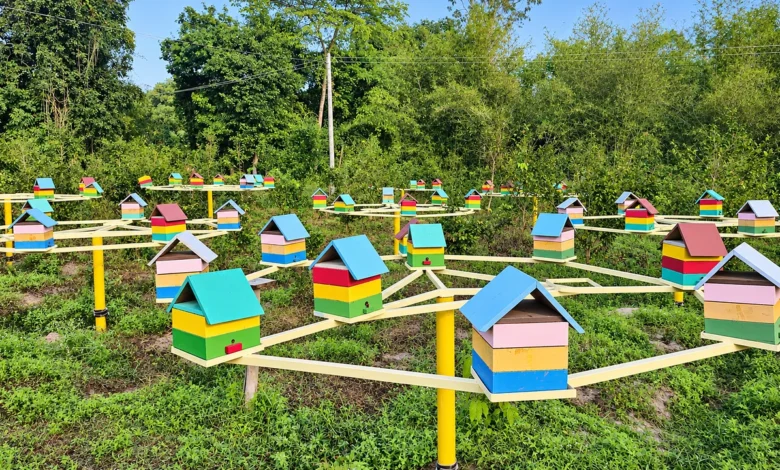
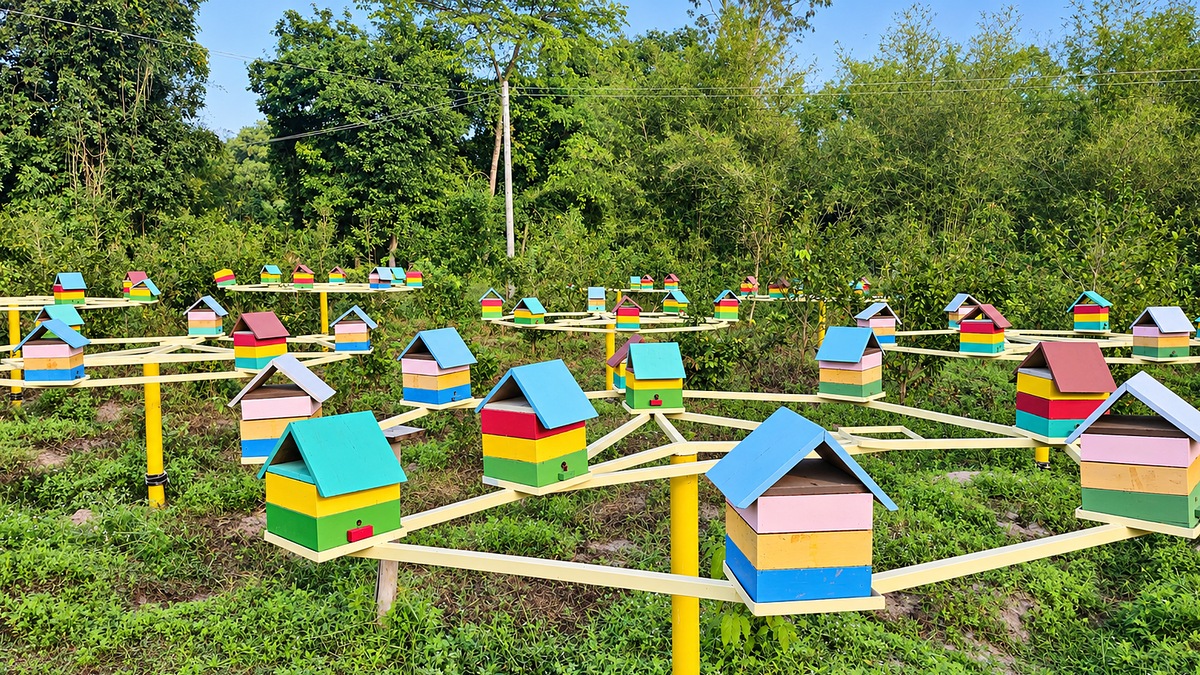
Beyond cattle, the promotion of stingless bee farming has emerged as a low-impact, high-reward model for the region. Unlike traditional beekeeping, which requires significant space and intensive maintenance, stingless bees are uniquely suited to the Bảy Núi environment. Residents like Ms. Nhang Xi have successfully adopted this model after receiving 10 beehive starter kits and technical guidance from local authorities.
The scalability of this model is one of its primary advantages. Because the bees can be kept in small garden spaces and forage on local fruit trees and medicinal plants, the startup costs are minimal. Within one year, Ms. Xi reported earning approximately 30 million VND from the sale of honey and bee colonies. This success story is being replicated across the region, where farmers are discovering that they can harmonize commercial production with the ecological constraints of the Bảy Núi topography, particularly during the dry season when water availability limits traditional crop cultivation.
National Framework and Socioeconomic Impact
These initiatives are not isolated projects but are central components of the National Target Program for Socioeconomic Development in Ethnic Minority and Mountainous Areas (2021–2030). This program, guided by Resolution 88/2019/QH14 of the National Assembly, represents a comprehensive approach to addressing the structural inequalities faced by ethnic minority populations in Vietnam.
Between 2021 and 2025, An Giang Province was allocated over 952 billion VND to implement this program. This funding has been directed toward a multi-faceted development strategy:
- Direct Economic Support: Provision of livestock, seeds, and specialized technical training.
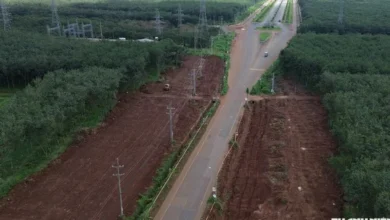
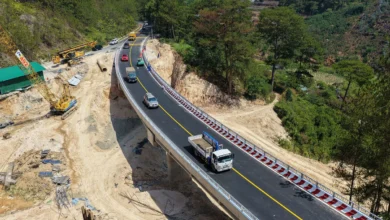
- Infrastructure Investment: Significant improvements to local road networks, water supply systems, and housing.
- Social Services: Enhanced investment in local schools and essential community facilities.
The impact of these investments has been measurable. According to provincial reports, by the end of 2025, An Giang had successfully completed 18 of its 21 primary socioeconomic development goals for the region. Most notably, the poverty rate among ethnic minority households in the area decreased by an average of 1.82% annually during this period.
Chronology and Demographic Context
The demographic landscape of An Giang remains diverse, with approximately 472,000 residents from 29 different ethnic groups, representing 9.53% of the province’s total population. With nearly 43 communes and wards categorized as "ethnic minority and mountainous areas," the challenge of equitable development is significant.
The timeline of these interventions reflects a shift in focus from short-term relief to long-term systemic empowerment:
- 2019: Adoption of National Assembly Resolution 88, establishing the long-term vision for minority development.
- 2021–2025: Execution of the initial phase, focusing on infrastructure and immediate livelihood support (cattle and apiculture).
- 2026–2030: The current phase, which aims to further reduce poverty rates by 0.3–0.5% annually, with a greater emphasis on economic independence and reducing reliance on direct government subsidies.
Official Perspectives and Future Implications
Local officials, such as Mr. Chau Kích, Deputy Party Secretary of Tố Hạt hamlet, emphasize that the success of these programs lies in their alignment with the specific environmental and cultural conditions of the region. "By providing the tools and knowledge that fit the local terrain, we have seen a tangible improvement in the standard of living," Mr. Kích stated. "Many families have moved beyond basic subsistence, building better homes and ensuring their children can complete their education."
The implications of this transition are profound. For the Khmer community in Bảy Núi, moving from wage labor to entrepreneurship—even at a small scale—alters the household dynamic. It provides a buffer against economic shocks and allows for the accumulation of assets.
Furthermore, the focus on apiculture and small-scale livestock farming serves as a climate-resilient strategy. As the region faces increasing pressure from unpredictable weather patterns and water scarcity, these adaptive agricultural practices offer a level of stability that traditional, water-intensive farming cannot guarantee.
Analysis: Toward Sustainable Prosperity
While the progress is encouraging, the next phase of the 2026–2030 period will require a nuanced approach. The focus is shifting from simply providing resources to fostering market integration. For the model to remain sustainable, local farmers will eventually need access to broader supply chains and better marketing for their agricultural products, particularly the high-value honey produced by stingless bees.
The success of the An Giang model provides a template for other mountainous provinces in Vietnam. By combining infrastructure investment with highly localized agricultural training, the state is creating a sustainable pathway for ethnic minority populations to participate more fully in the national economy. As the region continues to evolve, the continued collaboration between local government, NGOs, and the community will be essential to ensuring that the gains of the past five years are not only maintained but expanded upon.
Ultimately, the transformation in Bảy Núi is a testament to the effectiveness of targeted, bottom-up development policies. By empowering individuals like Mr. Đường and Ms. Xi to become producers rather than laborers, the region is building a foundation of resilience that will support the next generation of Khmer families in An Giang for years to come.