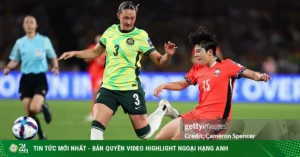
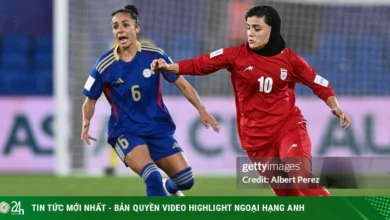
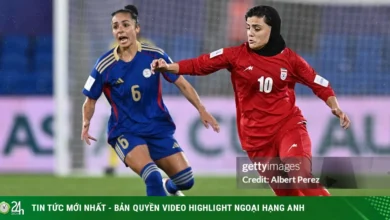
Philippines Secures Crucial Victory Over Iran, Boosting Quarterfinal Hopes in AFC Women’s Asian Cup

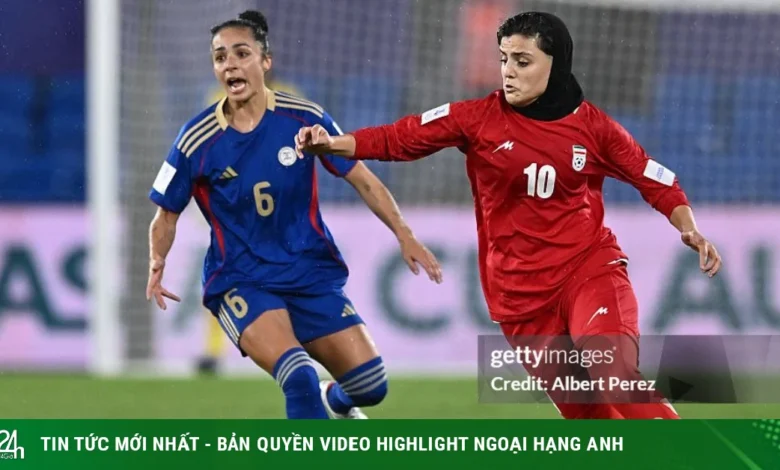
The Philippines women’s national football team, reigning champions of the Southeast Asian Games, demonstrated remarkable resilience and strategic prowess in their final Group A match of the AFC Women’s Asian Cup, securing a decisive 2-0 victory against Iran. This triumph, achieved on Sunday, March 8, 2026, was not just a morale booster but also significantly elevated their chances of advancing to the quarterfinals as one of the best third-placed teams in the fiercely contested tournament. Both nations entered the crucial fixture having suffered two consecutive defeats, making this encounter a do-or-die battle for continental progression, with the coveted "lucky loser" slots hanging in the balance.
Tournament Overview and Stakes
The AFC Women’s Asian Cup stands as the premier women’s football competition in Asia, serving not only as a continental championship but also as a vital qualification pathway for the FIFA Women’s World Cup. The 2026 edition, featuring top-tier national teams from across the continent, underscores the growing stature and competitiveness of women’s football in Asia. For teams like the Philippines and Iran, participation itself is a significant achievement, representing years of development and investment in their respective women’s football programs. The tournament format dictates that the top two teams from each group automatically qualify for the quarterfinals, while the two best third-placed teams across all groups also earn a coveted spot in the knockout stages. This unique qualification mechanism places immense importance on goal difference and overall points accumulated, even for teams that might not finish in the top two of their respective groups.
The Philippines, having recently clinched the gold medal at the Southeast Asian Games, arrived at the Asian Cup with a burgeoning reputation and high expectations. Their success in regional competitions had instilled a new level of confidence, and the team was eager to translate this domestic dominance onto the continental stage. For Iran, representing West Asia, the tournament offered an opportunity to gauge their progress against formidable Asian opponents and to continue building their squad for future challenges. Both teams, despite their initial group stage setbacks, understood the gravity of their final match, knowing that a victory could keep their quarterfinal dreams alive, however slim.
Match Chronology: Philippines’ Calculated Dominance
The match kicked off with a palpable sense of urgency from both sides. From the onset, the Philippines displayed a more assertive and organized approach, quickly establishing control in the midfield and dictating the tempo of the game. Their early dominance was characterized by crisp passing, intelligent movement off the ball, and relentless pressure on the Iranian defense. Despite their superior ball possession and numerous forays into the attacking third, the opening phase of the game saw the Philippines struggle to convert their chances into tangible goals, a familiar challenge in high-stakes encounters.

The deadlock was finally broken in the 29th minute, a moment that ignited celebrations among the Filipino contingent. Sara Eggesvik, a pivotal figure in the Philippine midfield and a former Norway U23 international, capitalized on a well-orchestrated attack. Her precise finish, following a period of sustained pressure, found the back of the net, giving the Philippines a crucial 1-0 lead. The goal not only rewarded their persistent efforts but also provided a significant psychological boost, reaffirming their tactical superiority. For Iran, conceding just before the half-hour mark meant a shift in strategy, requiring them to push higher up the pitch and seek an equalizer, potentially opening up spaces for the Philippines to exploit.
Entering the second half with a slender one-goal advantage, the Philippines continued their assertive play. The intensity of their attacks grew, as they sought to extend their lead and solidify their position. Iran, though valiant in their defensive efforts, found it increasingly difficult to withstand the relentless waves of Philippine pressure. The Southeast Asian champions maintained a high defensive line, effectively stifling any attempts by Iran to launch meaningful counter-attacks. The Iranian squad, while showing glimpses of individual skill, struggled to string together cohesive offensive plays, often losing possession in critical areas of the pitch.
The Philippines’ relentless pursuit of a second goal finally bore fruit in the 82nd minute, effectively sealing their victory. Chandler McDaniel, another key player, showcased her predatory instincts by finding the net with a composed finish. This goal, coming late in the game, served as a definitive blow to Iran’s hopes of a comeback and firmly established the Philippines’ dominance. The 2-0 scoreline was a fair reflection of the match, highlighting the Philippines’ tactical discipline, attacking flair, and overall control over the ninety minutes.
Tactical Nuances and Player Performances
The Philippines’ victory was built on a foundation of tactical discipline and individual brilliance. Coach Alen Stajcic’s strategy appeared to focus on maintaining possession, pressing high, and exploiting the flanks. The midfield, anchored by players like Eggesvik, played a crucial role in disrupting Iranian attacks and initiating their own. Eggesvik’s goal was a testament to her vision and finishing ability, while McDaniel’s late strike underscored the team’s depth in attack. The defensive unit also deserves credit for largely neutralizing Iran’s offensive threats, ensuring a clean sheet and minimizing goal difference concerns.
For Iran, the match proved to be a challenging experience. Despite their determination, they struggled to create clear-cut scoring opportunities. Their defensive setup, while resilient for periods, eventually succumbed to the sustained pressure from the Philippines. The team will undoubtedly use this experience as a learning curve, identifying areas for improvement, particularly in offensive transitions and maintaining possession under duress.
Qualification Landscape: A Glimmer of Hope

With this 2-0 victory, the Philippines concluded their Group A campaign with three points from three matches, finishing in third place behind the two automatic qualifiers. Crucially, their goal difference stood at -2. This result immediately placed them in a strong provisional position among the third-placed teams vying for the two "lucky loser" spots in the quarterfinals.
At the time of their match, the standings for third-placed teams were fluid:
- Philippines: 3 points / 3 matches, Goal Difference -2
- Vietnam: 3 points / 2 matches, Goal Difference 0
- Uzbekistan: 0 points / 2 matches, Goal Difference -6
The scenario for the Philippines hinged significantly on the results of other groups, particularly Group C. Vietnam, with a superior goal difference, still had one crucial match remaining against the formidable Japan. Japan, a perennial powerhouse in women’s football, had demonstrated their attacking prowess earlier in the tournament, notably with an emphatic 11-0 victory over India in their Group C encounter. This result underscored the challenge awaiting Vietnam.
Should Vietnam lose to Japan, especially by a significant margin, their goal difference could deteriorate, potentially dropping them below the Philippines. Conversely, a draw or an unexpected victory for Vietnam would secure their qualification, possibly at the Philippines’ expense. Uzbekistan, with no points and a significantly negative goal difference from their two matches, faced an even steeper uphill battle, requiring an improbable victory in their final game with a massive goal swing to enter contention.
Analysts and fans alike immediately recognized the "very bright" prospects for the Philippines. Given Japan’s overwhelming strength, a victory for Vietnam against them was considered highly unlikely. A defeat, even a narrow one, would likely put Vietnam’s goal difference in jeopardy, while a heavy defeat would almost certainly ensure the Philippines’ progression. This situation highlighted the intricate nature of tournament football, where every goal, every defensive stand, and every point can dramatically alter a team’s fate.
Statements and Reactions (Inferred)
Following the match, the mood in the Philippines camp was understandably buoyant. While acknowledging the challenges ahead, team officials expressed immense pride in the squad’s performance. A spokesperson for the Philippine Football Federation commented, "This victory is a testament to the hard work and dedication of our players and coaching staff. We came into this tournament with high ambitions, and despite the initial setbacks, the team showed incredible resilience today. We have done our part, and now we await the results from other groups with cautious optimism. Regardless of what happens, this team has shown its potential on the Asian stage."
Sara Eggesvik, whose opening goal set the tone for the match, reportedly shared her excitement: "It was an incredibly important goal for us, and I’m thrilled to have contributed. The team fought tirelessly, and we deserved this win. We are hopeful that our efforts will be enough to take us to the next round." Chandler McDaniel echoed these sentiments, adding, "Scoring the second goal to secure the win felt amazing. We played as a unit, and this result reflects our collective spirit. We’re keeping our fingers crossed for the quarterfinals."
On the Iranian side, while disappointed with the outcome, there was a sense of resolve. A representative from the Iranian Football Federation stated, "We faced a strong Philippine team today, and unfortunately, the result did not go our way. This tournament has been a valuable learning experience for our young squad. We will analyze our performance, identify areas for improvement, and continue to work towards strengthening women’s football in Iran."
Broader Impact and Future Implications
The Philippines’ performance at the AFC Women’s Asian Cup, particularly their decisive victory over Iran, marks another significant milestone in the rapid ascent of women’s football in the archipelago nation. Their success at the SEA Games and now their competitive showing at the continental championship validate the strategic investments being made in player development and infrastructure. Qualification for the quarterfinals, if confirmed, would provide invaluable experience against Asia’s elite teams, further raising the profile of Filipino women’s football and inspiring a new generation of athletes. It would also unlock potential opportunities for increased funding, international friendlies, and enhanced player exposure to professional leagues abroad.
For Iran, while exiting the tournament at the group stage is a setback, their participation at this level offers crucial exposure and learning opportunities. Competing against established teams provides a benchmark for their own development, highlighting the standards required to compete at the highest level of Asian football. The experience gained will be instrumental in shaping their future strategies for player development, coaching, and international competitiveness.
As the AFC Women’s Asian Cup progresses, the focus now shifts to the remaining group stage matches, particularly the outcome of Vietnam versus Japan. The intricate web of points, goal difference, and head-to-head records will ultimately determine which teams secure their passage to the quarterfinals, keeping fans and analysts on the edge of their seats. For the Philippines, their fate now rests in the hands of others, but their determined performance against Iran has certainly given them a strong claim to continue their inspiring journey in the tournament. The tournament is a showcase of the rising talent and competitiveness within Asian women’s football, promising an exciting knockout stage.
Related posts: