State Securities Commission fines Rong Viet Securities 712.5 million VND for multiple regulatory violations

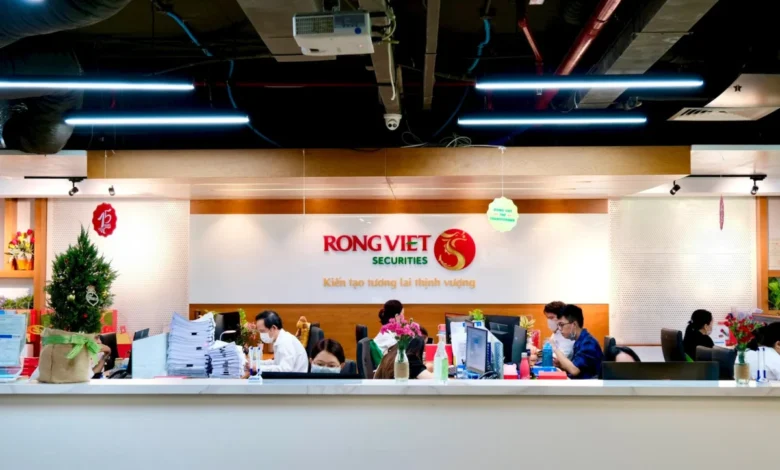
On September 23, 2026, the State Securities Commission (SSC) of Vietnam issued Decision No. 551/QD-XPHC, imposing a series of administrative penalties on Rong Viet Securities Joint Stock Company (VDS). The regulatory action, which totals 712.5 million VND, addresses a broad spectrum of non-compliance issues ranging from improper handling of client trading accounts to the unauthorized provision of financial services. This enforcement action highlights the ongoing efforts of Vietnamese financial regulators to tighten oversight and ensure institutional transparency within the capital markets.
Breakdown of Administrative Penalties
The SSC’s decision outlines several distinct violations, each carrying specific financial consequences for the firm. The penalties are categorized as follows:
First, the company was fined 137.5 million VND for violations regarding the receipt and execution of client orders. Investigations revealed that, on multiple occasions, Rong Viet Securities allowed clients to place buy orders despite the lack of sufficient funds in their trading accounts. Such practices directly contravene margin and trading regulations, which are designed to protect the integrity of the market and mitigate settlement risks.
Second, the regulator imposed a fine of 187.5 million VND for failure to maintain the mandatory segregation of client assets. Under Vietnamese securities law, financial institutions are strictly required to isolate individual client portfolios from the firm’s own proprietary assets. By failing to uphold this separation, the company created potential risks regarding asset ownership and transparency.
Third, the company received an additional fine of 137.5 million VND for facilitating margin trading transactions that exceeded the purchasing power available in the respective client accounts. Similar to the order execution violation, this indicates a systemic failure in the firm’s internal risk management systems regarding credit limits and collateral verification.
Finally, the most significant penalty, amounting to 250 million VND, was issued for the unauthorized provision of financial services. The SSC determined that Rong Viet Securities engaged in specific financial service activities—notably the management of collateral assets for margin-eligible shares—without obtaining prior approval or official guidance from the commission.
Chronology of Regulatory Non-Compliance
The violations identified by the SSC were not isolated incidents but spanned a significant period. According to the investigation, the unauthorized provision of asset management services took place between July 22, 2024, and August 17, 2026. While the company eventually submitted a registration report to the SSC regarding these services on December 30, 2025, the regulator deemed that the firm had proceeded with operations without waiting for the necessary formal approval or written guidance from the relevant authorities.
This timeline suggests a period of nearly two years during which the firm operated outside the scope of its authorized business license. The delayed reporting to the commission further complicated the regulatory landscape for the company, as it attempted to formalize services that had already been in operation without legal clearance.
Broader Implications for Market Integrity
The enforcement action against Rong Viet Securities serves as a stern reminder to all market participants regarding the importance of internal compliance. In the context of Vietnam’s evolving financial sector, the State Securities Commission has been increasingly proactive in monitoring brokerage firms to ensure that retail and institutional investors are adequately protected.
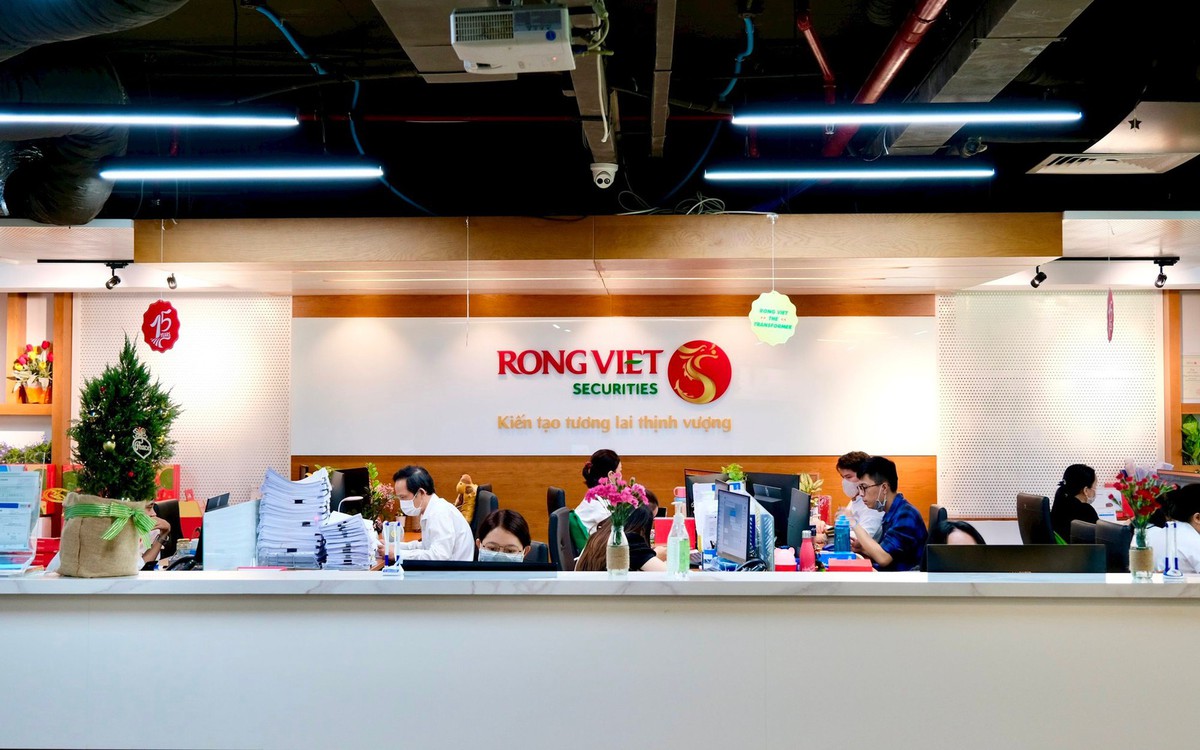
Industry analysts note that when brokerage firms allow trading beyond account limits or fail to separate assets, they expose the entire market to systemic risk. Should a series of unauthorized trades lead to a default, the lack of asset segregation could jeopardize the capital of innocent clients. By penalizing these behaviors, the SSC is signaling a transition toward more stringent institutional accountability, moving away from a period of relatively lax oversight toward a more standardized, rule-based environment.
Financial Performance Amid Regulatory Scrutiny
Despite the regulatory challenges and the financial burden of these fines, Rong Viet Securities has demonstrated robust growth in its recent quarterly reports. During the second quarter of 2026, the company reported a total revenue of over 266 billion VND, marking a significant 46% increase compared to the same period in the previous year.
The company’s performance was largely driven by its lending and investment activities. Lending revenue reached nearly 124 billion VND, an increase of 32% year-over-year. Meanwhile, the investment division outperformed expectations, recording 90 billion VND in revenue—a 3.4-fold increase over the corresponding quarter in 2025. Brokerage services contributed 37 billion VND, while other business activities added 15 billion VND to the top line.
Total expenses for the quarter were managed at 212 billion VND, an increase of only 8%, allowing the company to maintain a profit before tax of nearly 55 billion VND and a profit after tax of nearly 45 billion VND. For the first half of 2026, the firm reported total revenue of over 468 billion VND, a 33% increase from the previous year, with a net profit after tax of approximately 21 billion VND.
Official Response and Corrective Measures
In response to the SSC’s ruling, the regulatory authority has explicitly mandated that Rong Viet Securities immediately cease the provision of the unauthorized collateral management services for margin-eligible shares. This order is non-negotiable and requires the firm to recalibrate its service offerings to align with its current business license.
While the company has not yet issued a formal public apology or a detailed corrective roadmap, industry expectations suggest that Rong Viet Securities will likely initiate an internal audit of its compliance department to address the gaps identified by the SSC. The focus will likely shift toward strengthening the digital infrastructure that monitors client purchasing power and ensuring that all future service expansions are accompanied by the necessary regulatory filings and approvals.
Analysis of the Financial Impact
The total fine of 712.5 million VND, while relatively modest compared to the company’s quarterly revenue of 266 billion VND, carries significant reputational weight. For a brokerage firm, trust is the primary currency. The public disclosure of systemic failures in managing client orders and asset segregation may prompt institutional clients to review their risk management arrangements with the firm.
However, the firm’s strong growth metrics in Q2 suggest that its core business remains resilient. The challenge moving forward will be to balance the pursuit of high-growth revenue streams—such as aggressive margin lending and investment products—with the stringent requirements of the regulatory framework.
The case of Rong Viet Securities highlights a common tension in emerging markets: the race for competitive advantage often leads firms to test the boundaries of regulatory approval. As the SSC continues to modernize its oversight mechanisms, firms that prioritize transparency and compliance are expected to fare better in the long run, ensuring their sustainability within the Vietnamese financial system.
Investors and stakeholders will now be looking toward the company’s Q3 and Q4 reports to see how the firm adjusts its operational costs and whether the cessation of unauthorized services impacts its bottom line. For the wider brokerage industry, this incident acts as a clear warning that the era of "operating first, asking for permission later" is coming to a close.