Sửa Quy chuẩn 41: Thanh Hóa đề nghị điều chỉnh nội dung trên biển chỉ dẫn cho phù hợp thực tế

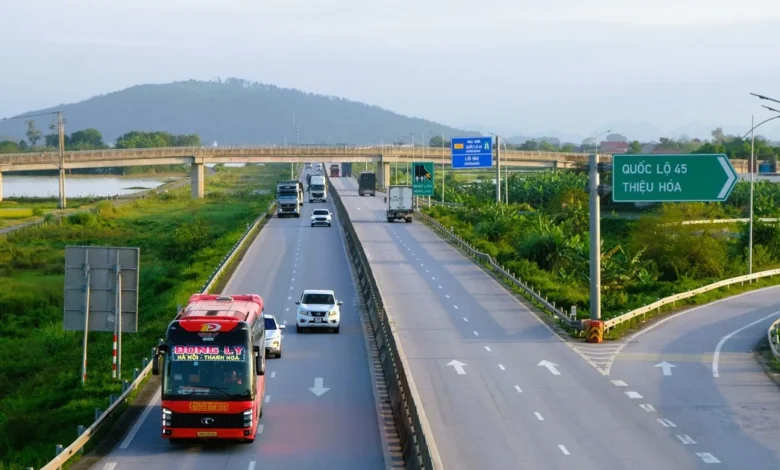
In a significant move to enhance traffic safety and navigation efficiency, the Department of Construction of Thanh Hoa province has officially submitted a formal request to the Ministry of Construction. This proposal seeks to amend and supplement the draft of the National Technical Regulation on Road Signs and Signals, known as QCVN 41:2026, which is intended to supersede the existing QCVN 41:2024. The provincial authorities argue that current signage on major national expressways, specifically those passing through the Thanh Hoa region, contains outdated and confusing information that often leads to driver disorientation.
Background and the Context of Regulatory Evolution
The National Technical Regulation on Road Signs and Signals (QCVN 41) serves as the backbone for traffic infrastructure management in Vietnam. As the country rapidly expands its expressway network—a key pillar of the North-South Expressway project—the complexity of interchanges and junction navigation has increased. The current QCVN 41:2024, while providing a framework for signage, has been criticized by local transportation departments for failing to account for the rapid evolution of administrative boundaries and the practical needs of long-distance commuters.
Over the past few years, Vietnam has undergone significant administrative restructuring, including the consolidation or dissolution of various administrative units at the commune, district, and city levels. However, the signage on many high-speed routes remains anchored to outdated geography, creating a disconnect between the physical road signs and the actual administrative landscape. This discrepancy is not merely an aesthetic issue; it poses a tangible risk to road safety, as confused drivers may make sudden maneuvers or erratic lane changes upon failing to recognize their intended exits.
Chronology of the Issue and Local Intervention
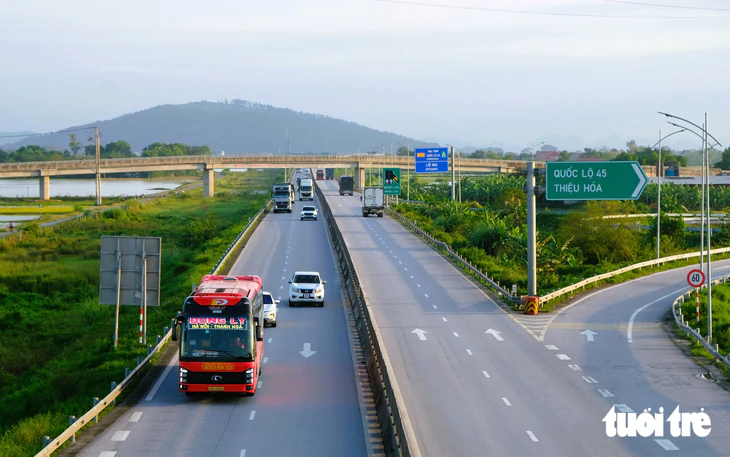
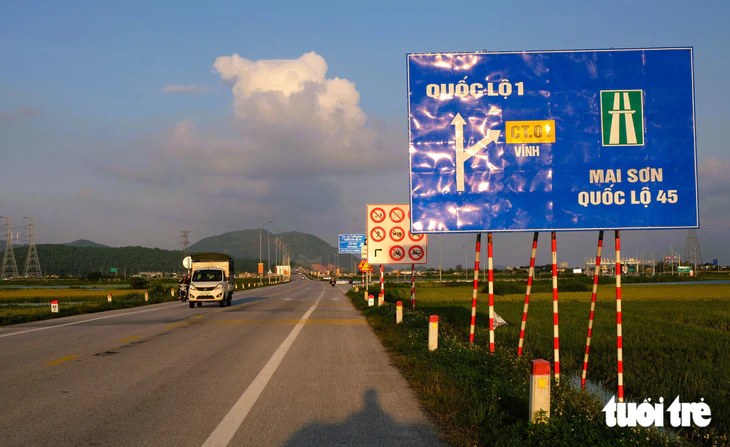
The initiative by the Thanh Hoa Department of Construction follows an extensive audit of the approximately 100-kilometer stretch of the North-South Expressway passing through the province. The audit revealed a total of 82 directional signs, 16 of which explicitly display names of component projects rather than clear, actionable geographic destinations.
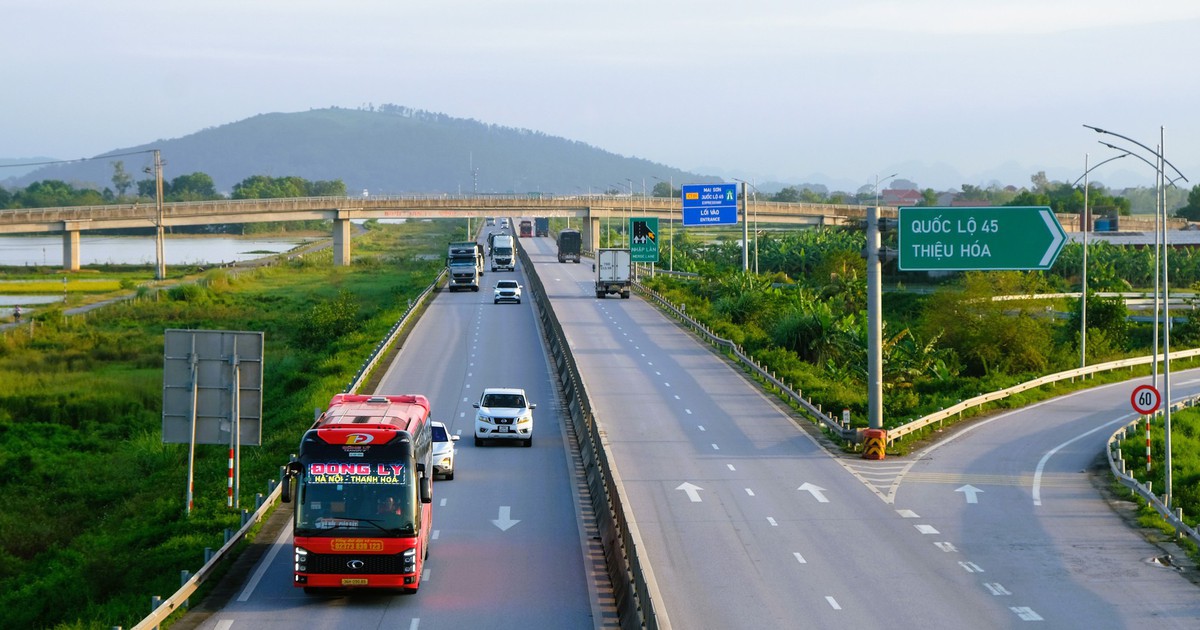
According to the report submitted by the provincial authorities, the issue of "project-based naming" has become a major pain point. For example, at specific interchanges, the signage directed toward the south still references the name of a component project, while the same logic is applied to northern directions. For a driver unfamiliar with the local project nomenclature, this provides little assistance in determining which direction leads to major urban centers or critical transit points.
Following the feedback from the Road Management Department II (under the Vietnam Road Administration), the Thanh Hoa authorities emphasized that prioritizing destination-based signage—specifically naming adjacent provinces, Hanoi, or Ho Chi Minh City—is more intuitive and consistent with international standards for high-speed transit.
The Impact of Outdated Signage on Driver Behavior
The primary concern cited by transportation experts and local officials is the increased potential for traffic accidents caused by "decision-making hesitation." When a driver encounters a sign that mentions a "component project" (a term relevant to construction contractors and government planners but irrelevant to the public) rather than a recognizable city or district, the driver is forced to slow down or perform last-minute navigation changes.
Data from the Thanh Hoa Department of Construction indicates that many signs still display names of districts and towns that have been reorganized or renamed. For instance, signage still points toward administrative units that no longer exist or have been merged, rendering the information useless for navigation. This confusion is exacerbated at night or during adverse weather conditions, where the lack of clarity can lead to missed exits, illegal U-turns on the expressway, or dangerous stopping on the shoulder.
Proposed Technical Adjustments and Policy Recommendations
The request from Thanh Hoa does not stop at correcting names; it also calls for a comprehensive review of the physical design and placement of signs as outlined in the draft QCVN 41:2026. The department has specifically highlighted the need for:
- Standardization of "Safety Mirrors": The current regulation lacks specific technical requirements for the installation of safety mirrors at dangerous curves or junctions, including details on curvature radius and diameter. The province is urging the Ministry of Construction to define these specifications clearly.
- Reflective Material Guidelines: For maintenance projects that involve road markings and signage, there is a call for stricter regulations regarding the use of retroreflective materials and the precise placement of kilometer markers.
- Dimension Scaling: The current QCVN 41:2024 mandates sign sizes based on four types of roads: expressways, urban arterial roads, ordinary roads, and urban roads. However, the Thanh Hoa department argues that these size requirements often prove impractical, especially in areas where residential density is high, as the large sign dimensions take up excessive space and can obstruct visibility.
Broader Implications for National Infrastructure
The ongoing dialogue between the Ministry of Construction and local authorities like those in Thanh Hoa represents a critical feedback loop in the development of Vietnam’s national standards. The Ministry has acknowledged the validity of these concerns, noting that the draft for QCVN 41:2026 is currently in the public consultation phase.
Officials involved in the drafting process have confirmed that they are actively reviewing the "IE.451" and "IE.452" series of directional signs. The intention is to redesign these markers to prioritize clarity and minimize the risk of confusion for drivers. By shifting the focus from project-based identification to destination-based navigation, the government aims to align Vietnam’s road infrastructure with global best practices, where signage is designed for the user’s cognitive load rather than administrative convenience.
Analysis: A Shift Toward User-Centric Infrastructure
The situation in Thanh Hoa is a microcosm of the challenges facing Vietnam’s rapidly modernizing transit network. While the engineering of the road surfaces themselves has achieved world-class standards, the "soft infrastructure"—the signage, information systems, and digital navigation support—is still catching up.
From an economic perspective, clearer signage directly contributes to higher throughput on expressways. Every second a driver spends deciphering a confusing sign is a second of decreased road capacity and increased risk. Furthermore, as Vietnam pushes to promote domestic and international tourism, the ability for visitors to navigate the province’s major landmarks and cultural sites via the expressway network is vital for regional economic growth.
The recommendation to move away from administrative or project-centric naming is a positive shift. It recognizes that the end-user is a driver who requires immediate, unambiguous information. If adopted, the proposed changes to QCVN 41:2026 will likely serve as a blueprint for other provinces currently grappling with similar infrastructure challenges.
Conclusion and Future Steps
The Ministry of Construction is expected to consolidate these suggestions into the final version of the QCVN 41:2026. This process involves not only the Department of Construction but also inputs from the Ministry of Transport, the Traffic Police, and regional planning bodies.
The commitment of the Thanh Hoa provincial government to address these granular details highlights a proactive approach to public safety. By identifying the gap between legislative standards and the reality of the road, the province has provided a constructive path forward. As the draft moves toward finalization, the focus will remain on ensuring that the upcoming national standards provide the flexibility needed for regional nuances while maintaining the strict safety requirements necessary for high-speed vehicular travel. For the millions of travelers utilizing the North-South Expressway, these adjustments represent a much-needed step toward a more intuitive, safe, and efficient driving experience.