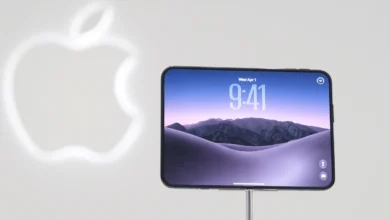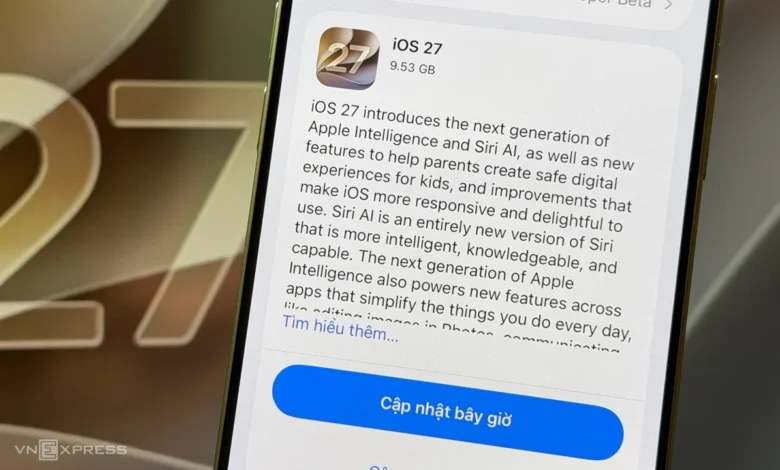
Apple has officially released iOS 27, a significant software update designed to enhance performance across a wide array of devices, ranging from the iPhone 11 to the latest flagship models. Following its initial unveiling at the Worldwide Developers Conference (WWDC) in June 2026, this major update aims to bridge the gap between hardware longevity and modern software demands. The rollout encompasses the entire Apple ecosystem, with simultaneous releases for iPadOS, macOS, watchOS, tvOS, and the specialized visionOS 27.
Performance Benchmarks and Optimization
The primary focus of iOS 27 is a comprehensive optimization of the underlying system architecture. According to official performance metrics released by Apple, the update delivers substantial speed improvements, specifically targeting application responsiveness and data handling. Applications are now reported to launch 30% faster than under the previous operating system. Furthermore, the Photos library has undergone a significant overhaul, with image loading times reduced by 70%.
One of the most notable technical improvements involves the AirDrop protocol. Users transferring large files or batches of high-resolution 4K video content will experience transfer speeds up to 80% faster. These gains are attributed to a more efficient management of the device’s CPU and memory resources. Internal tests conducted during the beta phase, which began in mid-July 2026, confirmed that older hardware—specifically the iPhone 11, 12, and 13 series—benefited most from these optimizations. By refining background processes and thermal management, the OS allows these legacy devices to operate with a level of fluidity previously reserved for newer silicon.
The Integration of Apple Intelligence and Siri AI
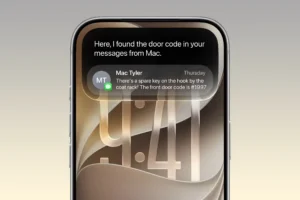
Central to the iOS 27 update is the deployment of a deeply integrated artificial intelligence suite, branded as Apple Intelligence. A key component of this initiative is the overhauled Siri, which now utilizes advanced language models, including Google’s Gemini, to provide more nuanced and context-aware assistance.
Unlike previous iterations, the new Siri is capable of managing complex, multi-step requests. It can synthesize information from across the web, assist in project planning, and generate detailed itineraries based on user data. Apple has also introduced a dedicated Siri application designed to serve as a hub for these AI interactions. This application maintains a history of previous interactions, enabling users to maintain a seamless workflow across their entire Apple product suite, including iPhone, iPad, Mac, Apple Watch, and Apple Vision Pro.
It is important to note that the advanced AI features, including the new Siri, are restricted to devices equipped with the necessary Neural Engine performance, specifically the iPhone 15 Pro and later models. While the broader performance enhancements of iOS 27 are available to a wider range of devices, the full breadth of Apple Intelligence remains a hardware-dependent luxury.
Regional Availability and Linguistic Limitations
For the Vietnamese market, the transition to the new AI-powered Siri presents specific challenges. At the time of launch, the advanced Siri functionality is only officially supported in English. Users in Vietnam who wish to access these features must adjust their device’s region settings to the United States and select English as the primary language. While Siri will still be capable of providing written responses in Vietnamese during interactions within applications, the voice-activated, context-aware experience requires an English-language configuration. This limitation highlights the ongoing challenge for major tech firms in localizing sophisticated generative AI tools for non-English speaking markets.
Chronology of the 2026 Software Rollout
The path to the release of iOS 27 was marked by a rigorous testing cycle:
- June 2026: Apple announces the iOS 27 roadmap at WWDC, emphasizing a shift toward AI-integrated operating systems and improved legacy support.
- Mid-July 2026: The first public beta versions are released, allowing developers and early adopters to test the stability of the new performance-focused architecture.
- August 2026: Reports from beta testers confirm significant improvements in battery management and thermal control, particularly for the iPhone 12 and 13 series.
- September 14, 2026: The final, stable version of iOS 27 is released to the general public worldwide.
Installation and System Requirements
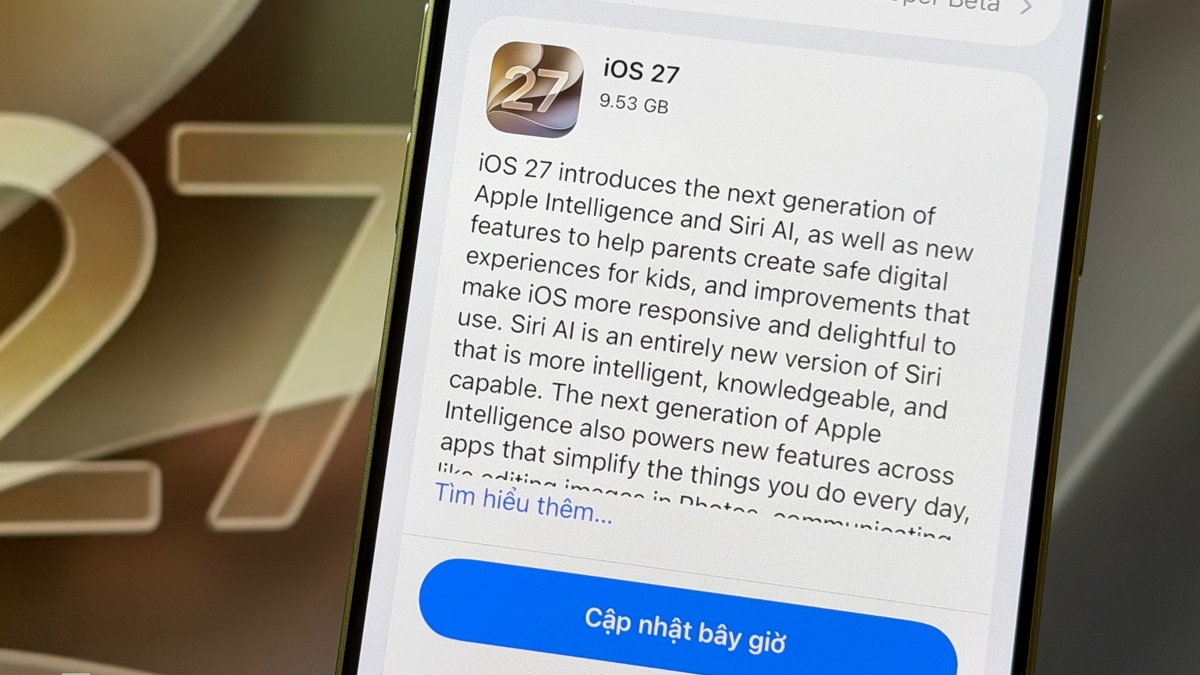
The update, which averages around 10GB depending on the device model, can be accessed by navigating to Settings > General > Software Update. Apple recommends that users ensure they have sufficient storage space and a stable Wi-Fi connection before initiating the download.
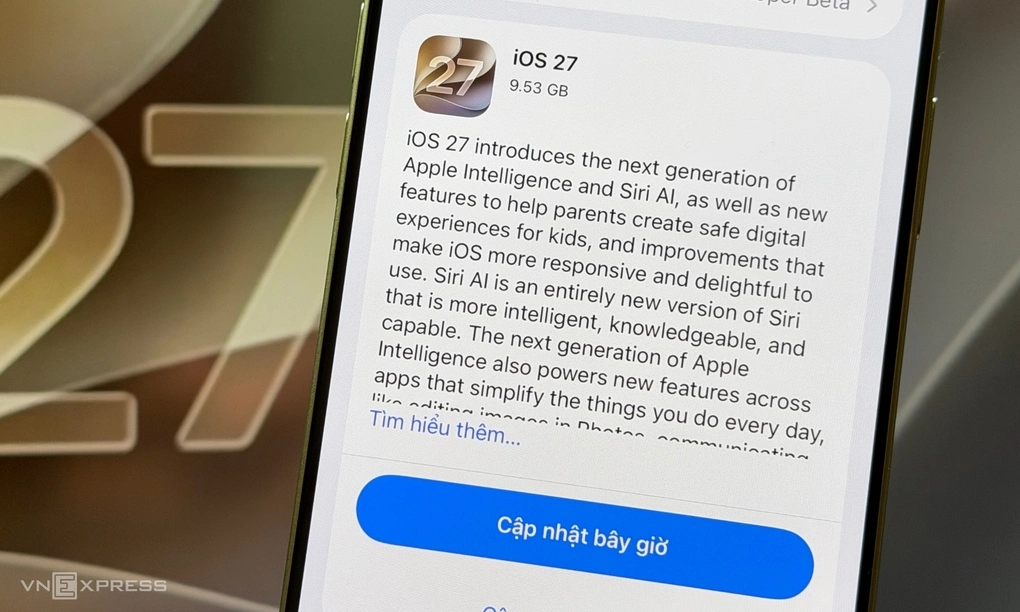
The update is compatible with the following devices:
- iPhone 15 series and later
- iPhone 14 series
- iPhone 13 series
- iPhone 12 series
- iPhone 11 series
- iPhone SE (2nd generation and later)
- Selected models of the iPhone Air and iPhone Duo lines
Broader Implications for the Smartphone Market
The decision to focus heavily on performance optimization for older devices is a strategic move by Apple to extend the lifecycle of its products. By ensuring that a five-year-old iPhone 11 can run modern software with increased efficiency, Apple addresses the growing consumer demand for sustainability and product longevity.
Furthermore, the integration of third-party AI models like Google’s Gemini within the Apple ecosystem signals a shift in the competitive landscape. Rather than attempting to build every component of their AI stack from scratch, Apple is adopting a collaborative approach to ensure that their users have access to the most robust tools available.
Industry analysts suggest that the success of iOS 27 will be measured not just by the number of downloads, but by the retention rates of users who might otherwise have upgraded to new hardware. If the performance gains remain consistent over the next 12 months, Apple could effectively redefine the expected "lifespan" of a smartphone, placing further pressure on competitors to offer similar long-term software support.
As the digital landscape becomes increasingly defined by generative AI, the deployment of iOS 27 serves as a benchmark for how mobile operating systems will function in the future. The emphasis on "Liquid Glass" interface updates, combined with the underlying AI, suggests a transition toward more interactive and predictive mobile experiences. Users are encouraged to monitor future minor updates, as Apple is expected to expand the language support for Apple Intelligence in early 2027, potentially opening these advanced tools to a wider global audience.
Related posts: