Manchester United Narrows Down Permanent Managerial Search to Three Candidates as Michael Carrick Faces Uncertainty After First Defeat

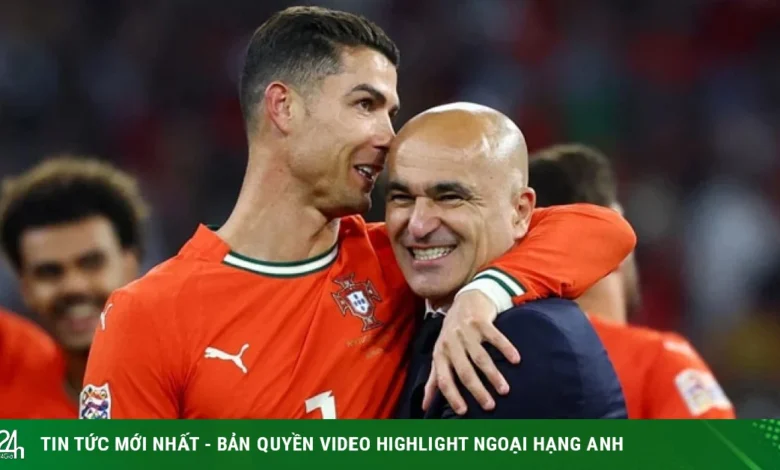
Manchester United has reportedly narrowed down its extensive managerial search to a final shortlist of three primary candidates as the club looks toward a definitive long-term appointment. According to leading sports journalist Ben Jacobs, the Old Trafford hierarchy has honed its focus on Julian Nagelsmann, Roberto Martinez, and Roberto De Zerbi. This shortlist reflects a diverse range of tactical profiles and managerial backgrounds, though the timing of the search intersects delicately with the looming 2026 FIFA World Cup preparations, casting a shadow of uncertainty over interim manager Michael Carrick following his initial honeymoon period at the club.
The Three-Man Shortlist: Profiles and Complexities
The inclusion of Julian Nagelsmann, Roberto Martinez, and Roberto De Zerbi demonstrates the strategic dilemma facing Manchester United’s sporting directors. Each candidate brings distinct credentials, international exposure, and philosophical differences to a club desperate for a cohesive sporting identity.
Julian Nagelsmann, currently regarded as one of Europe’s elite tacticians, represents the most high-profile potential option. However, securing his services presents a logistical hurdle. Nagelsmann is deeply entrenched in preparations to lead his national team at the upcoming World Cup in the summer of 2026. Industry experts suggest that while his tactical acumen and modern pressing philosophies make him an ideal fit for a club of Manchester United’s stature, any official movement is unlikely to materialize until the conclusion of the international tournament. This timeline would require United to maintain a transitional setup well into the pre-season, a risk the club’s board must weigh carefully against the alternative of securing an available free agent.

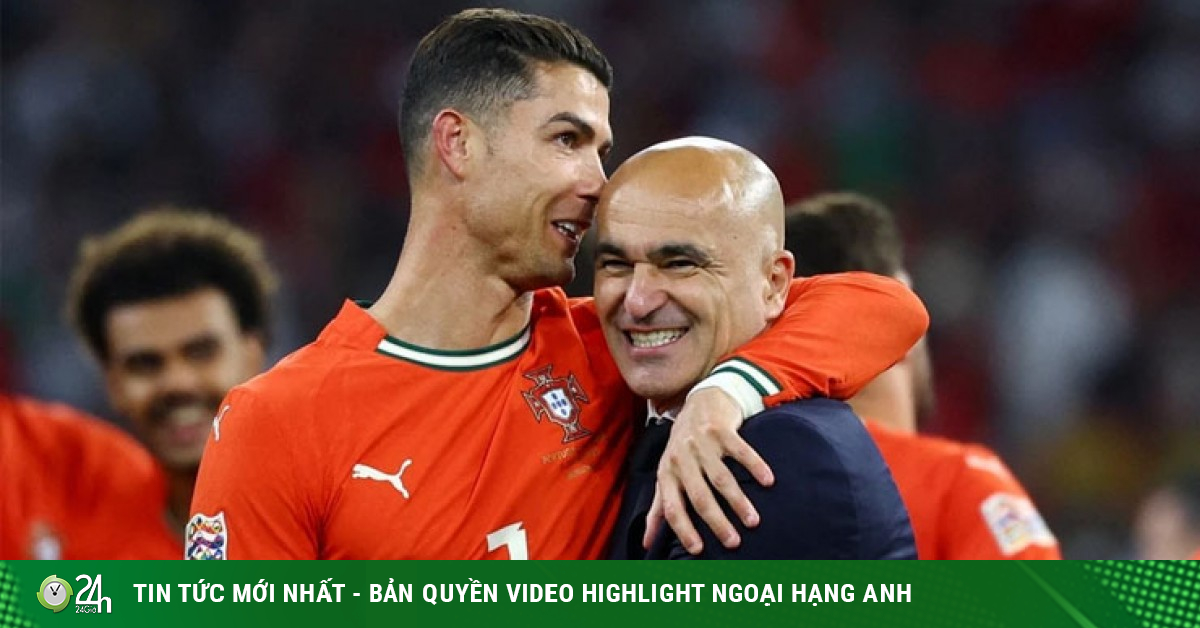
Roberto Martinez offers a polarizing yet experienced alternative. Over the past decade, the Spanish coach has spent significant time in the international arena, managing the Belgium national team for six years before taking the reins of the Portugal national team in 2023. His domestic club management experience, however, has not been tested at the highest level since his tenure at Everton concluded in 2016. Appointing Martinez would represent a significant pivot toward an international-style manager, relying heavily on man-management of elite egos rather than day-to-day club rebuilding—a profile that has yielded mixed results for past high-profile managers at Old Trafford.
Roberto De Zerbi stands as the only candidate on the current shortlist with recent, active experience in the Premier League. The Italian tactician earned widespread plaudits for his expressive, high-risk build-up play during his stint with Brighton & Hove Albion, which ended at the conclusion of the 2023/24 season. Following his departure from the English top flight, De Zerbi took over at French giants Marseille, a high-pressure environment where his tenure was cut short following his dismissal earlier this year. Despite his recent setback in Ligue 1, De Zerbi’s intimate knowledge of the Premier League landscape and his uncompromising tactical philosophy keep him firmly in the conversation for high-profile vacancies.

Michael Carrick’s Imprint and the Reality Check
The urgency of the managerial search has been amplified by the fluctuating fortunes on the pitch under interim leadership. Michael Carrick initially injected a wave of optimism into the squad, steering Manchester United through an impressive seven-match unbeaten streak across all competitions upon taking temporary charge. The former Red Devils midfielder restored tactical clarity and defensive solidity, earning widespread backing from supporters who advocated for his permanent appointment.
However, the harsh realities of the Premier League quickly reasserted themselves. The honeymoon phase came to a definitive halt at St. James’ Park, where Newcastle United exposed tactical vulnerabilities in a hard-fought 2–1 victory during Matchweek 29. The defeat served as a stark reminder of the immense demands of the English top flight and underscored why the club’s leadership may view a more battle-tested, permanent managerial solution as a safer bet than an internal rookie appointment.

With Manchester United not returning to competitive action until March 15, the executive board faces a critical window. The intervening days are expected to be dedicated to intensive evaluations, background checks, and strategic assessments of whether Carrick can be persuaded to remain part of a future coaching setup, or if the club must aggressively pursue one of their three primary external targets.
Broader Implications and Summer Planning
Beyond the managerial dugout, the uncertainty surrounding the head coach position has a cascading effect on Manchester United’s long-term sporting strategy. The incoming manager will inherit a squad in transition, with pressing questions already mounting regarding squad composition ahead of the summer transfer window.
One of the most significant long-term puzzles facing the hierarchy is identifying a suitable successor for Casemiro in defensive midfield. As the veteran Brazilian enters the twilight of his career, recruitment specialists are actively scouring the market for a profile capable of anchoring the midfield. Recent scouting links to players like Sandro Tonali—whose modern, complete midfield profile has drawn favorable comparisons to elite ball-winners—highlight the type of high-intensity operator required to future-proof United’s spine.
However, recruitment cannot proceed in a vacuum. A modern sporting directorate cannot finalize multi-million-pound acquisitions without the explicit tactical alignment of the incoming head coach. Whether the board opts to wait for Julian Nagelsmann post-World Cup, gamble on the international pedigree of Roberto Martinez, or reintroduce Roberto De Zerbi to the Premier League, every decision made in the coming weeks will dictate the trajectory of Manchester United as they attempt to bridge the gap to the summit of English and European football.
Related posts: