Sao Khue Award 2024 marks a pivotal milestone for Vietnam digital transformation through widespread AI integration

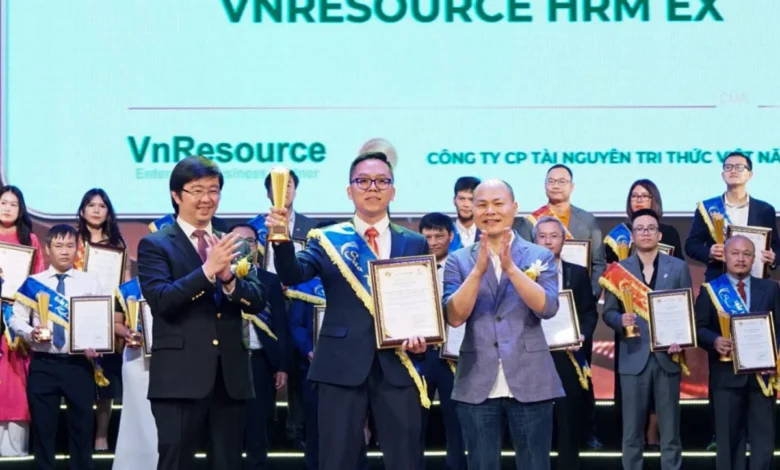
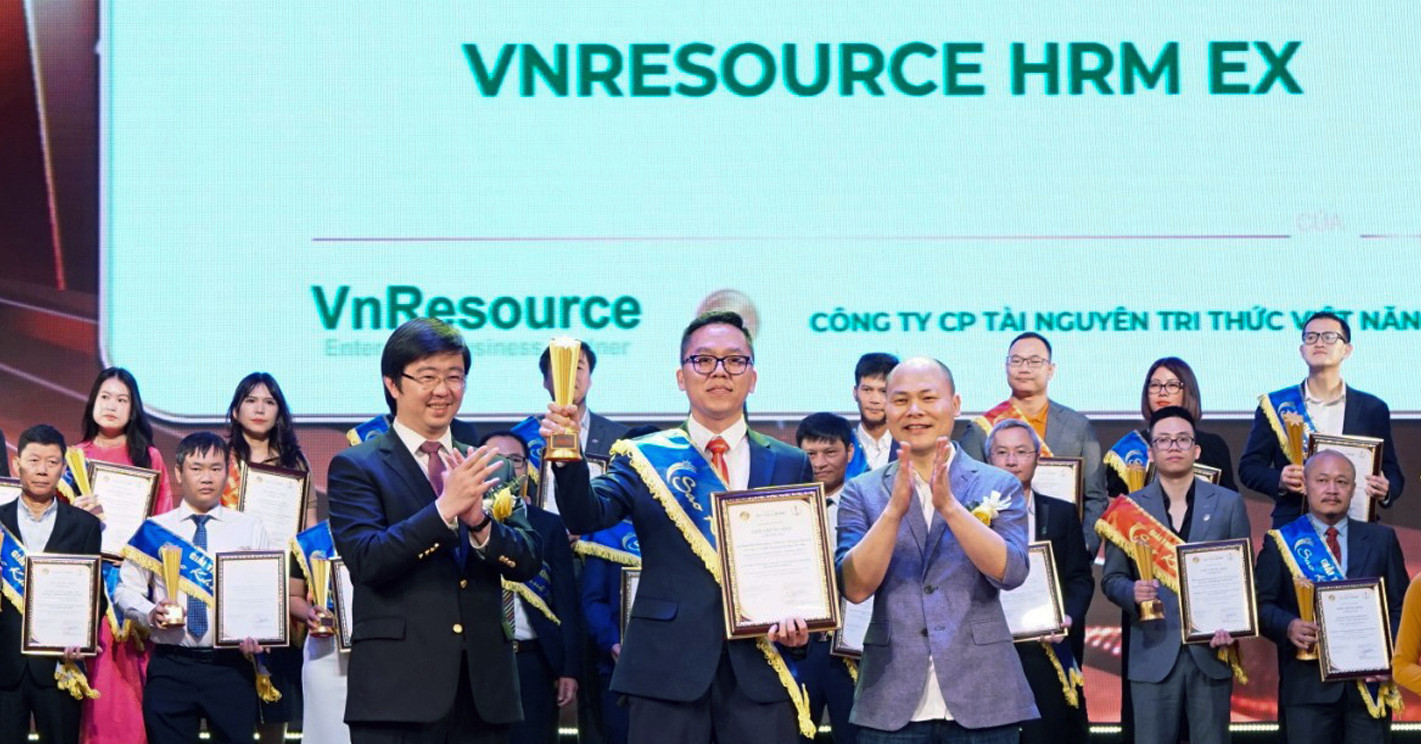
On April 13, 2024, the Vietnam Software and IT Services Association (VINASA) held a grand ceremony in Hanoi to announce the recipients of the 2024 Sao Khue Award. Now in its 21st year, this prestigious accolade, held under the auspices of the Ministry of Information and Communications (MIC), serves as the definitive benchmark for excellence in Vietnam’s burgeoning information and communication technology (ICT) sector. This year’s edition underscored a critical shift in the national digital landscape: the aggressive and sophisticated integration of Artificial Intelligence (AI) across nearly all winning products and services.
The 2024 awards ceremony recognized 169 outstanding products and services from 117 enterprises, selected after a rigorous three-round evaluation process. The breadth of the winners—spanning government, agriculture, finance, retail, and manufacturing—highlights the pervasive influence of digital tools on the country’s socio-economic development.
Two Decades of Digital Evolution: From IT to "Make in Vietnam"
The Sao Khue Award has evolved in tandem with the national digital strategy since its inception in 2003. Initially focusing on standard software development, the awards have transitioned alongside the industry’s own maturation. Over the past two decades, the focus has shifted from mere adoption of foreign technology to the robust creation of "Make in Vietnam" solutions.
Bui Hoang Phuong, Deputy Minister of Information and Communications, noted during the ceremony that the award has consistently mirrored the development path of Vietnam’s ICT industry. Reflecting on his recent professional visit to the United States, Phuong highlighted that advanced technologies, particularly semiconductors and AI, are now at the forefront of global technological discourse. Vietnam, he argued, is no longer a passive observer in this global shift but an active, integral participant.
The statistical growth of the sector provides empirical evidence of this transformation. In 2023, the total revenue of the Vietnamese ICT sector was approximately 240 times higher than in the year 2000, with an average annual growth rate of 15% to 20%. This pace of expansion consistently outstrips the growth rate of the national GDP, signaling that the digital economy is the primary engine of Vietnam’s modernization.

The Rise of AI and the 2024 Transformation
A hallmark of the 2024 awards was the ubiquity of Artificial Intelligence. According to VINASA, while there were eight specific categories dedicated to AI-driven solutions, more than 90% of all winning products and services had integrated AI to some degree. This indicates that AI is no longer a niche, experimental technology but a foundational layer for digital enterprise and public administration.
Nguyen Van Khoa, Chairman of VINASA, explained that the 2024 award structure was significantly overhauled to better reflect current market realities and the government’s digital transformation agenda. By categorizing entries into specialized groups—ranging from digital government and urban management to specialized financial services and smart manufacturing—the association aimed to highlight how AI is being used to solve complex, real-world problems.
Among the 169 awards, 33 were specifically designated as "innovative" solutions, demonstrating the creative application of AI, 3D modeling, Big Data, and cloud computing. These technologies are being deployed to optimize logistics, enhance agricultural yields, modernize banking through fintech, and improve the quality of life for the average citizen.
Breakdown of the 2024 Award Categories
The diversity of the winners reflects the comprehensive nature of Vietnam’s digital integration:
- Digital Government and Administration: Three entries were recognized for their role in streamlining public service delivery, a cornerstone of the national "e-Government" initiative.
- Quality of Life and Community Support: Thirteen products were lauded for their impact on culture, healthcare, and education, illustrating how technology is being used to bridge societal gaps.
- Business Transformation: Twenty-eight solutions focused on the digital transformation of private enterprises, helping companies remain competitive in a volatile global market.
- Market Expansion and Consumer Services: Thirty solutions targeted the expansion of digital markets, promoting e-commerce and retail efficiency.
- Infrastructure and Platforms: Twenty-two awards were granted to the underlying architecture—the platforms and infrastructure—that support the digital ecosystem.
- Specialized Services: Twenty-three awards went to digital service providers, many of whom have successfully expanded their reach into international markets, particularly the United States and Japan.
The "Top 10 Sao Khue 2024" list represents the cream of the crop, featuring high-impact projects such as the Thua Thien-Hue digital workspace platform and various innovations in smart automotive technology and digital banking.
Strategic Implications for the National Economy
The emphasis on AI in this year’s awards aligns with the broader directive from the Ministry of Information and Communications. Deputy Minister Bui Hoang Phuong outlined the government’s 2024 mandate: to accelerate digital infrastructure and foster AI applications to drive economic growth and labor productivity.

"The Ministry of Information and Communications views AI as the most critical technology at this stage," Phuong stated. "We are committed to working alongside digital enterprises to promote the development of AI, particularly generative AI, and to provide the necessary legal and regulatory framework to facilitate this growth."
The government’s commitment is not merely rhetorical. By creating a supportive legal environment and reducing the barriers to entry for tech firms, the state hopes to encourage the development of proprietary AI models that address specific Vietnamese linguistic and cultural nuances. This strategy is intended to reduce dependency on foreign-sourced AI solutions and ensure that the value generated by AI remains within the domestic economy.
Looking Ahead: Global Aspirations
One of the most significant trends noted by VINASA is the growing international footprint of Vietnamese tech firms. Chairman Nguyen Van Khoa pointed out that 15 of the 23 awards in the "Digital Services" category were granted to companies providing export services to international markets. This shift represents a transition from a domestic-focused industry to one that competes on a global scale.

To sustain this momentum, the Sao Khue organizers are moving beyond just handing out trophies. Post-ceremony initiatives include a robust campaign to introduce the winning products and services to over 5,000 government agencies, organizations, and businesses. The goal is to create a matchmaking environment where domestic developers can secure contracts with both the public sector and international partners.
Analysis of Future Challenges
While the success of the 2024 awards is a testament to the industry’s progress, the path forward is not without challenges. The rapid adoption of AI brings with it concerns regarding data privacy, cybersecurity, and the ethical use of technology. As the government continues to refine its legal framework, businesses will need to balance innovation with compliance.
Furthermore, the "Make in Vietnam" initiative faces stiff competition from established global tech giants. For local firms to maintain their trajectory, they must continue to invest in human capital and R&D. The success of the 2024 Sao Khue winners demonstrates that the talent and the vision are present; the next step will be scaling these innovations into sustainable, global-facing enterprises.

Conclusion
The Sao Khue Award 2024 has effectively codified the arrival of the "AI Era" in Vietnam. By showcasing the practical, high-impact applications of advanced digital technologies across every sector of the economy, the event has set a new standard for the industry. As Vietnam continues its transition toward a digital-first economy, the integration of AI will undoubtedly remain the catalyst for the next phase of national development. With strong government support and an increasingly globalized tech sector, the future of the Vietnamese ICT industry appears not only promising but essential to the nation’s long-term prosperity.