Geopolitical Tensions Resurge as the United States and China Clash Over Semiconductor Chip Export Restrictions

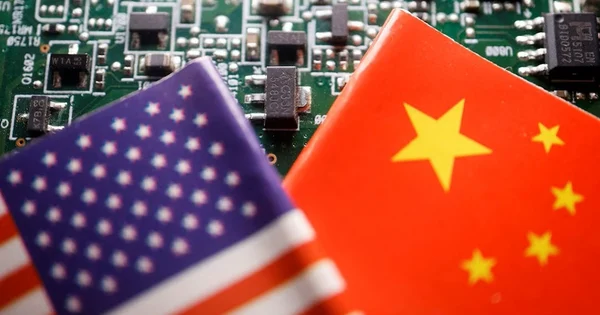
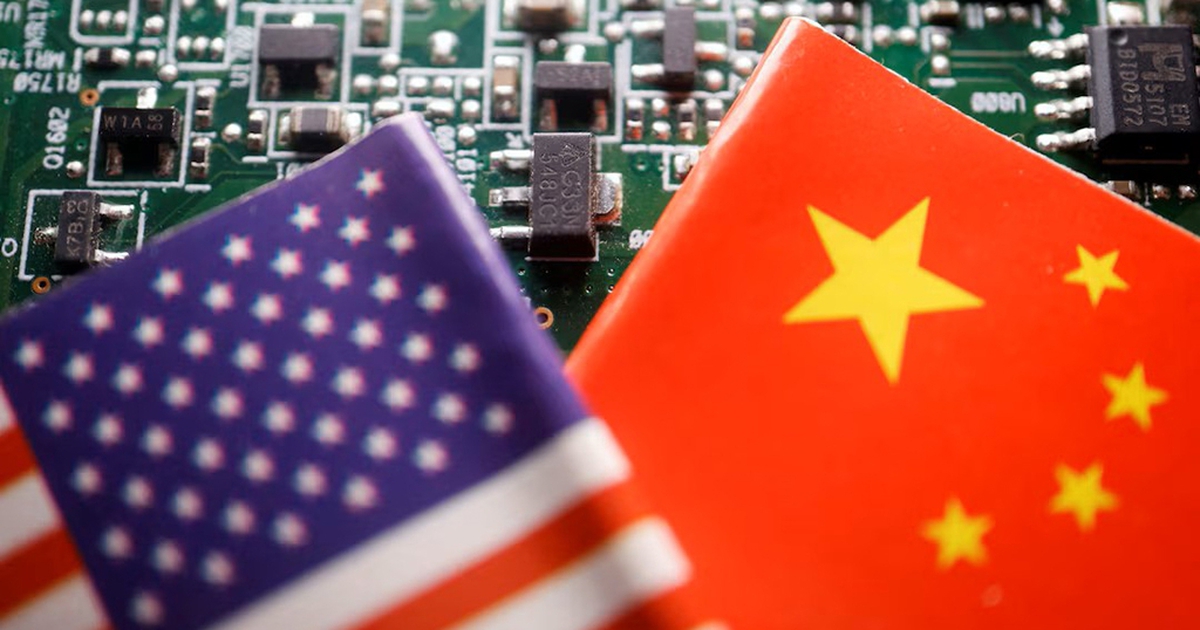
The global technology landscape is reeling following reports that the world’s two most critical semiconductor foundries, Taiwan Semiconductor Manufacturing Company (TSMC) and Samsung Electronics, have suspended shipments of advanced artificial intelligence (AI) processor chips to customers in China. This move marks a significant escalation in the ongoing "chip war" between Washington and Beijing, signaling that the period of relative stability observed over the past year has abruptly ended. The decision, reported by the Financial Times on November 20, comes in direct response to tightening export control regulations enforced by the U.S. Department of Commerce’s Bureau of Industry and Security (BIS). These regulations are designed to prevent Chinese firms from accessing high-performance computing capabilities essential for the training and deployment of large-scale artificial intelligence models.
The Mechanism of Control: Plugging the Loopholes
For months, the United States has maintained stringent restrictions on the direct sale of advanced AI processors—specifically those developed by industry leaders like NVIDIA—to China. However, a significant loophole had persisted: Chinese technology companies were bypassing these bans by utilizing third-party packaging and testing facilities, or by sourcing components through intermediaries in Southeast Asian and South American nations. These entities often operated outside the direct scope of U.S. export licensing requirements, allowing high-performance silicon to reach Chinese data centers despite the overarching trade embargo.
The latest regulatory update from the U.S. government effectively closes this gap. The new mandate stipulates that any chip manufactured using U.S.-origin technology—which covers virtually all advanced nodes produced by TSMC and Samsung—is subject to strict licensing oversight, regardless of where the final assembly or testing occurs. By expanding the geographic scope of these requirements to include countries such as Indonesia, Malaysia, Singapore, Thailand, and Brazil, Washington has signaled its intent to monitor the global supply chain for "transshipment risks." This policy shift forces manufacturers to secure explicit government approval for every batch of high-end hardware destined for markets where illicit re-export to China is suspected.
Chronology of the Semiconductor Standoff
The current escalation is the latest chapter in a multi-year effort by the United States to maintain its technological hegemony in the semiconductor sector.
- 2022-2023: The U.S. introduces the most comprehensive export controls to date, aiming to restrict China’s access to "frontier" AI chips. The goal is to degrade the compute power available to the Chinese military and private AI firms.
- November 2025: A period of relative détente occurs following the APEC Summit in South Korea. Leaders from the U.S. and China agree to a temporary pause in aggressive trade rhetoric, leading to a slight relaxation in some export enforcement measures.
- Late 2025: Market analysts note a surge in creative "workarounds" by Chinese firms, leading to internal pressure within the U.S. government to address the loopholes.
- November 2026: Tensions flare again following public controversies surrounding the leadership of major tech firms, leading to the latest blanket directive from the U.S. Commerce Department to halt shipments.
Supporting Data and Industry Impact
The impact of these restrictions is profound. The semiconductor industry relies on a highly integrated, globalized supply chain. TSMC, for instance, produces over 90% of the world’s most advanced chips. By forcing these foundries to stop shipments, the U.S. is essentially attempting to "choke off" the supply of the building blocks required for China’s "Great AI Leap."
Financial markets have reacted sharply to these developments. On November 20, NVIDIA shares experienced a 14% decline—marking their seventh consecutive day of losses—as investors weighed the long-term impact of reduced market access in China. The volatility underscores the extent to which the valuation of major tech giants is inextricably linked to the geopolitical stability of the U.S.-China relationship.
Official Responses and the Jensen Huang Controversy
The situation has been further complicated by the public scrutiny surrounding NVIDIA CEO Jensen Huang. Recent reports highlighted Mr. Huang’s personal and professional associations with Chinese business figures, which sparked outrage among conservative lawmakers in Washington. These politicians have labeled the relationships as a national security risk, arguing that the "lenient" nature of previous export policies was a result of corporate lobbying rather than strategic necessity.
In a surprising turn of events, U.S. President Donald Trump, while maintaining a firm stance on security, has publicly suggested that the tech industry needs leaders like Mr. Huang. During a White House press conference on November 21, President Trump remarked, "I would very much like to see Mr. Jensen be given a second chance. We are a country of second chances." The President noted that during his recent meeting with Chinese President Xi Jinping in Shenzhen, the Chinese leader spoke highly of Mr. Huang’s capabilities. Trump suggested that if the U.S. tech sector is to remain competitive, it must retain its top talent, even if it requires diplomatic maneuvering to resolve these personality-driven disputes.
Broader Implications for Global Technology
The implications of this policy shift extend far beyond the immediate halt in shipments. For China, the U.S. move acts as a massive accelerant for its domestic "indigenous innovation" programs. Beijing has already pledged significant resources to develop its own semiconductor ecosystem, aiming to reduce reliance on Western firms. The current crisis effectively confirms to the Chinese leadership that the dependency on foreign-made chips is a strategic vulnerability that must be eliminated, regardless of cost.
For the United States, the challenge lies in maintaining a balance between preventing national security threats and avoiding the total alienation of the global semiconductor supply chain. If the U.S. imposes costs that are too high, foreign foundries may accelerate their own efforts to develop "de-Americanized" supply chains—production lines that do not utilize U.S. intellectual property or equipment—to avoid being caught in the crossfire of future U.S. trade policy.
Furthermore, the integration of these export controls into the National Defense Authorization Act (NDAA), which is expected to be debated in the upcoming legislative session, suggests that this issue will remain a centerpiece of U.S. foreign policy for the foreseeable future. The bipartisan support for a "hard-line" approach toward China ensures that, regardless of individual corporate leaders’ stances, the regulatory environment will likely become increasingly restrictive.
The Fragile Equilibrium
Analysts at the Eurasia Group have described the current situation as a "delicate border." The U.S. is attempting to curtail China’s AI ambitions while simultaneously trying to manage a working diplomatic relationship. The irony of the situation is that while the U.S. restricts the flow of hardware, it continues to engage in high-level diplomacy, such as the recent visits between President Trump and President Xi.
This duality creates a high-stakes environment for multinational corporations. Companies like TSMC and Samsung are effectively being asked to act as the "enforcement arm" of U.S. foreign policy. This role is inherently unstable; it subjects them to pressure from both the U.S. (the source of the intellectual property) and China (a massive market and key logistics partner).
As the world looks toward the 2028 U.S. presidential election, the "chip war" is likely to evolve from a series of tactical interventions into a long-term structural conflict. The era of seamless, borderless technological trade in semiconductors has definitively ended. In its place, a new, bifurcated global system is emerging—one where access to computing power is determined as much by national borders and political alliances as it is by market demand and innovation. The coming months will be critical in determining whether this conflict can be contained or if it will lead to a more permanent decoupling of the world’s two largest economies. For now, the global tech industry remains in a state of high alert, awaiting further clarity on how these new, rigorous licensing requirements will be applied in practice.