Ho Chi Minh City has officially approved the establishment of a new 32-hectare industrial cluster located in Binh Gia Commune, a move aimed at consolidating local manufacturing capabilities and accommodating the relocation of small-to-medium-sized industrial facilities. The project, which involves a total investment exceeding 405 billion VND, is being spearheaded by a consortium comprising DICERA Holdings and the Tan Phuoc Thanh Investment and Construction Joint Stock Company. This development marks a significant shift in the city’s industrial strategy, prioritizing high-tech and clean manufacturing while addressing environmental concerns in residential zones.
Project Overview and Strategic Objectives
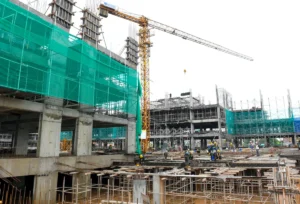
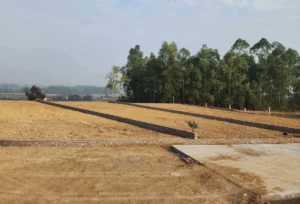
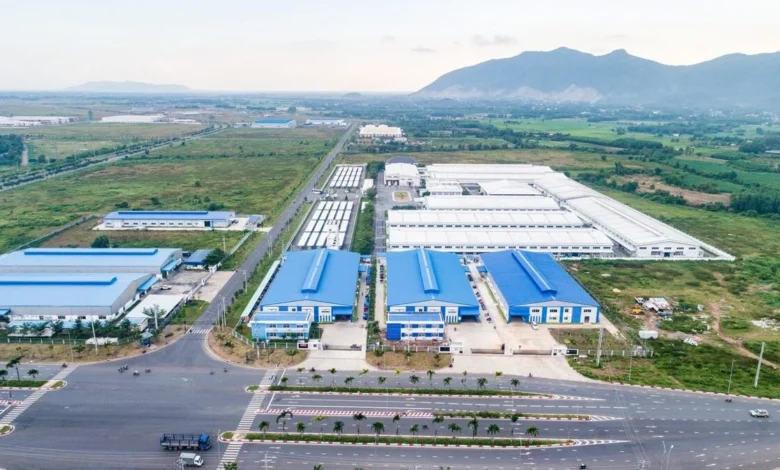
The newly approved industrial cluster is strategically positioned within the Binh Gia area, which has become a focal point for regional industrial development. The infrastructure project encompasses comprehensive site development, including the construction of internal road networks, water supply and drainage systems, centralized wastewater treatment plants, power grids, telecommunications infrastructure, and extensive greenery coverage to ensure compliance with modern environmental standards.
According to the municipal mandate, the industrial cluster is designed to be a multi-sector hub. Priority will be given to high-value industries, including precision manufacturing, processing, high-tech production, and clean industrial activities. By providing a structured, regulated environment, the city aims to offer a viable path for small-scale production facilities—often operating in, or adjacent to, residential areas—to relocate to a professional setting. This transition is not merely a matter of urban planning but a critical health and safety initiative aimed at mitigating the pollution risks associated with decentralized, aging manufacturing workshops.
Infrastructure Development and Timeline
The development of the Binh Gia industrial cluster is subject to a strict 33-month timeline, commencing from the effective date of the establishment decision. The operational life of the cluster is set for a duration of 50 years. Under the current regulatory framework, the project investors are prohibited from leasing land to secondary tenants until all technical infrastructure, including safety and environmental protection systems, has been fully completed and passed official government inspections.
This phased approach underscores the commitment of municipal authorities to avoid the common pitfalls of industrial sprawl, where businesses begin operations before the necessary utility and environmental safeguards are fully functional. The developers are tasked with delivering a "turn-key" industrial zone, ensuring that incoming businesses can plug directly into a robust logistical and utility network without further burdening the existing local infrastructure.
Regional Connectivity and Economic Geography
The location of the Binh Gia cluster is one of its most distinct advantages. Situated near key regional transit arteries, including National Route 56 and the Bien Hoa – Vung Tau Expressway, the site is effectively linked to the Cai Mep – Thi Vai port complex. This proximity to major deep-water ports provides manufacturers with a significant logistical edge, facilitating both the import of raw materials and the export of finished goods to global markets.
Furthermore, the site’s integration into the broader regional transportation master plan ensures that the industrial cluster will benefit from the ongoing development of the Long Thanh International Airport. As Southern Vietnam continues to evolve into an international logistics and manufacturing hub, the Binh Gia cluster acts as a vital bridge, connecting local producers to the broader supply chain networks that characterize the economic corridor surrounding Ho Chi Minh City and the neighboring provinces.
Implications for Urban Industrial Policy
The establishment of this cluster is a direct response to the challenges posed by the rapid, often unplanned, growth of the manufacturing sector. For years, the integration of small workshops into residential neighborhoods has resulted in localized environmental degradation and safety risks. By incentivizing these businesses to move into designated industrial clusters, the city is reclaiming residential spaces while simultaneously fostering a more disciplined industrial environment.
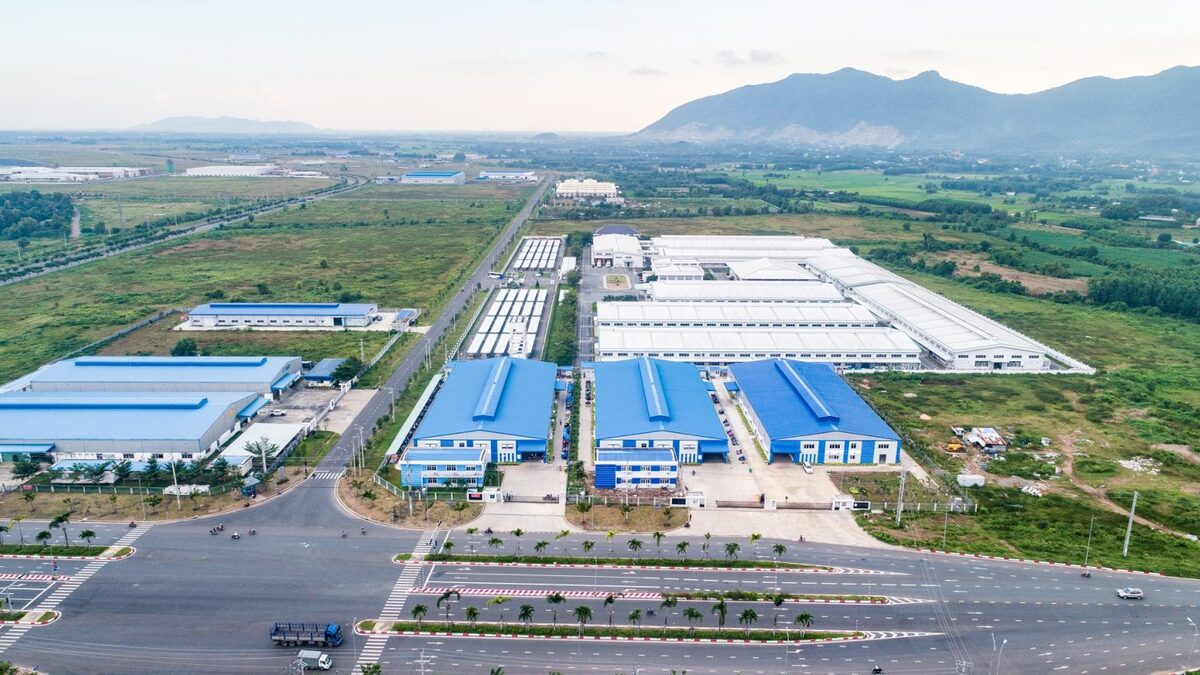
From a macroeconomic perspective, this initiative reflects a broader shift toward "industrial upgrading." By grouping businesses together, the city can more effectively regulate waste management and energy efficiency. It also provides a platform for technological spillover, where smaller, less sophisticated firms can operate in proximity to high-tech companies, potentially leading to collaborative ventures and improved industrial standards across the board.
Economic Analysis: The Shift to Specialized Hubs
The 405 billion VND investment represents a calculated bet on the future of regional industrial competitiveness. Economic analysts suggest that by concentrating industrial activity, the city creates "agglomeration economies." These economies arise when firms in similar or related sectors cluster together, leading to lower costs for specialized labor, shared infrastructure, and a more robust supply chain.
The involvement of a joint venture like DICERA Holdings and Tan Phuoc Thanh suggests that private sector expertise is being leveraged to accelerate infrastructure delivery. This model of public-private partnership is increasingly favored by the municipal government as it seeks to bridge the gap between ambitious development goals and the fiscal constraints often faced by local administrations.
Official Stance and Future Outlook
While local government officials have emphasized the necessity of this project for environmental sustainability, they have also highlighted its role in supporting local entrepreneurs. For many small-to-medium-sized enterprises (SMEs), the cost of land and infrastructure development is often prohibitive. By providing a ready-to-use industrial space, the city is lowering the barrier to entry for firms looking to scale up their operations.
The municipal government has signaled that this project is just one of several in a pipeline aimed at creating a network of industrial clusters across the region. As the city continues to restructure its spatial planning, the Binh Gia model is expected to serve as a template for future developments. The emphasis remains on "clean" and "high-tech" industry, signaling that the city is no longer interested in attracting low-value, high-pollution industries that characterized the early stages of the region’s industrialization.
Challenges and Success Factors
Despite the clear benefits, the success of the Binh Gia industrial cluster will depend on several critical factors. First, the ability of the developers to meet the 33-month infrastructure deadline is paramount. Delays in construction could stifle the momentum of the project and discourage potential tenants who are operating under strict production schedules.
Second, the pricing strategy for land leases will be a deciding factor for many SMEs. If the costs are too high, the project risks failing to attract the very businesses it was designed to relocate from residential areas. The city must ensure that the transition to the new cluster remains financially viable for these businesses, perhaps through tax incentives or subsidized leasing programs.
Finally, long-term environmental management will be the ultimate test. The success of the project will not be measured solely by the number of companies that move in, but by the ability of the cluster to maintain its environmental commitments over its 50-year lifespan. This will require consistent monitoring by environmental agencies and a transparent system of compliance reporting for all tenants.
Conclusion
The creation of the 32-hectare industrial cluster in Binh Gia is a strategic move that addresses both the immediate need for better industrial infrastructure and the long-term goal of sustainable urban development. By aligning industrial growth with modern logistical hubs like the Cai Mep – Thi Vai port and the forthcoming Long Thanh International Airport, Ho Chi Minh City is reinforcing its position as the primary economic engine of the region. As the project enters the construction phase, it stands as a testament to the city’s evolving approach to balancing economic expansion with the quality of life for its residents, signaling a new era of orderly, high-value, and environmentally conscious industrial growth.
Related posts: