Ukraine Claims Significant Blow to Russian Logistics with MoLoCHKa Operation Near Kerch Strait

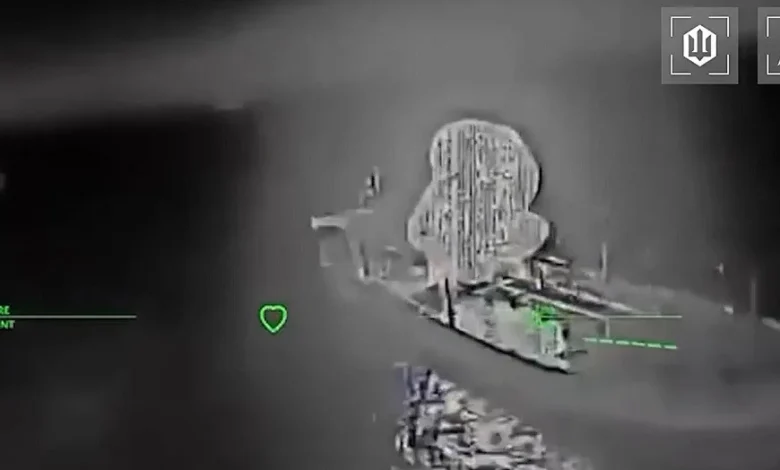
A Ukrainian military official has announced the successful conclusion of "MoLoCHKa," an operation reportedly launched two weeks ago by the USF (Ukrainian Special Forces), which has severely hampered Russian logistical capabilities, particularly concerning transit through the strategically vital Kerch Strait. Robert "Madyar" Brovdi, a Ukrainian military figure, made the announcement, as reported by the Kyiv Independent on July 19th. This operation, if confirmed to have achieved its stated objectives, represents a significant tactical victory for Ukraine, aiming to disrupt Russia’s ability to supply its forces in occupied Crimea and potentially impact broader military movements across the peninsula.
The Kerch Strait, a narrow waterway connecting the Black Sea and the Sea of Azov, has been a critical artery for Russia since its annexation of Crimea in 2014. The Kerch Bridge, a massive infrastructure project completed in 2018, serves as the primary land route for military and civilian traffic between mainland Russia and Crimea. Any successful disruption of traffic through this strait, or directly impacting the bridge’s functionality, carries substantial strategic implications for Russia’s military posture in the southern theater of the ongoing conflict.
Details of the MoLoCHKa Operation and Its Impact
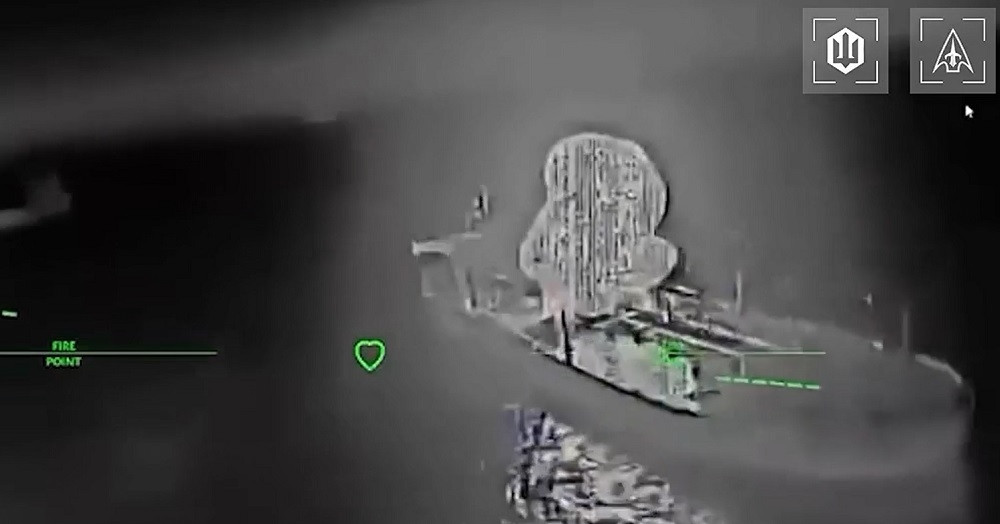
According to Brovdi, the MoLoCHKa operation targeted a specific segment of Russian logistics operating in the vicinity of the Caucasus, specifically impacting supply routes destined for occupied Crimea. He detailed the involvement of at least five vessels. Four cargo ships – identified as Lavrentiy, Panagia, Eisk, and Maria – were reportedly engaged in the operation. A fifth vessel, SKS One, was also mentioned.
Brovdi asserted that three of these vessels, Eisk, Maria, and SKS One, were rendered inoperable or destroyed. The report indicates that Eisk and Maria suffered "catastrophic damage," leaving them unable to navigate and potentially unserviceable for future use. SKS One was also declared incapacitated. The vessels Lavrentiy and Panagia, while not fully destroyed, reportedly lost their independent operational capacity and are now being towed, thereby significantly reducing their effective carrying capacity. This sustained reduction in operational vessels directly translates to a diminished capacity for Russia to transport essential supplies and military equipment.
The timing of this announcement, following two weeks of operations, suggests a prolonged and possibly complex engagement. The targeting of cargo ships and their subsequent incapacitation or destruction point towards a strategy focused on attrition of Russia’s logistical backbone rather than direct confrontation with naval combat vessels. This approach aligns with Ukraine’s asymmetric warfare tactics, aiming to degrade enemy capabilities through precise and impactful strikes on vulnerable infrastructure and supply lines.
Background: The Strategic Importance of the Kerch Strait and Bridge
The Kerch Strait and the Kerch Bridge are not merely transit points; they are symbols of Russian control and vital logistical lifelines. Since the full-scale invasion of Ukraine in February 2022, the bridge has been a target of Ukrainian attacks, most notably in October 2022 when a truck bomb caused a significant explosion and fire, leading to partial closures and substantial damage. Russia has since undertaken extensive repairs and increased security measures around the bridge.
The ability of Ukraine to degrade Russian logistical capabilities in this region has been a key objective. Disrupting the flow of fuel, ammunition, food, and personnel into Crimea and the southern front lines directly impacts Russia’s operational tempo and sustainability. The MoLoCHKa operation, if it has indeed achieved the stated outcomes, suggests a renewed and successful effort by Ukrainian forces to exert pressure on these critical supply routes.
The impact of such disruptions can be far-reaching. Reduced logistical capacity can lead to shortages of essential war materiel, affecting the effectiveness of Russian ground forces. It can also impact the morale of troops stationed in the region and impose significant economic costs on Russia for repairs and rerouting of supplies. Furthermore, it can create opportunities for Ukrainian forces to launch counteroffensives or consolidate their positions by exploiting Russian logistical weaknesses.
Russian Response (or Lack Thereof)
As of the reporting date, Russian military authorities had not issued any official comment or statement regarding the claims made by Robert "Madyar" Brovdi about the MoLoCHKa operation or the alleged incapacitation of Russian cargo vessels. This silence is not uncommon in the context of military reporting from both sides of the conflict, where information is often selectively released or withheld for strategic reasons.
However, the absence of a denial or a counter-narrative could be interpreted in several ways. It might suggest that the claims are being assessed internally, or that Russia is choosing not to acknowledge potential losses to avoid demoralizing its forces or signaling vulnerabilities to the international community. Conversely, it could also indicate that the claims are exaggerated or inaccurate. Independent verification of such battlefield claims is often challenging in active conflict zones.
Broader Context: Foreign Fighters and International Involvement
The mention of foreign fighters, specifically the report of a Paraguayan national among foreign fighters in the Kupiansk sector, adds another layer to the complex international dimension of the conflict. While the MoLoCHKa operation itself is attributed to Ukrainian forces, the broader context of international support for Ukraine, including the presence of foreign volunteers and the supply of Western weaponry, is crucial to understanding the ongoing war.
The report from TASS, citing anonymous sources, highlights the significant number of foreign nationals serving with Ukrainian forces. Colombia leads this list, with 1,225 citizens reportedly fighting for Ukraine, followed by Brazil (631) and the United States (599). This data underscores the internationalization of the conflict, with individuals from numerous countries choosing to support Ukraine’s defense through various means, including direct military engagement.
The inclusion of a Paraguayan national in the Kupiansk fighting, alongside reports of Colombian fighters, suggests a global reach of individuals motivated to join the Ukrainian cause. This phenomenon reflects a complex interplay of geopolitical alignments, ideological motivations, and humanitarian concerns that have drawn individuals from diverse backgrounds into the conflict.
Recent Developments in the Kupiansk Sector
The TASS report also provides insights into the fighting in the Kupiansk sector, a region that has seen intense battles and has been a focal point for both Ukrainian and Russian offensives. The report claims that Russian forces have observed a significant increase in foreign fighters joining Ukrainian ranks in this area. Specifically, it mentions the loss of nine Colombian fighters and one Paraguayan national.
This information, while originating from a Russian news agency and presented through anonymous sources, points to the continued deployment of foreign nationals on the front lines. The Kupiansk sector, being a strategically important transportation hub, has been a contested area, and the involvement of foreign fighters on either side can influence the intensity and nature of the combat. The TASS report aims to highlight the perceived effectiveness of Russian forces against these foreign contingents, potentially serving to bolster domestic morale and project an image of Russian military superiority.
Analysis and Implications
The purported success of the MoLoCHKa operation, if substantiated, could have significant implications for Russia’s military strategy in southern Ukraine. By targeting the logistical arteries leading to Crimea, Ukraine aims to isolate Russian forces, degrade their fighting capacity, and potentially create conditions for future territorial gains. The sustained disruption of supply lines can also impose considerable economic and political pressure on the Russian government.
The claims about foreign fighters, while presented from a Russian perspective, also highlight the evolving international landscape of the conflict. The presence of individuals from across the globe fighting on behalf of Ukraine underscores the broad international condemnation of Russia’s actions and the global solidarity with Ukraine. However, it also raises questions about the coordination, training, and integration of these foreign elements within the Ukrainian military structure.
The ongoing battle for strategic points like Kupiansk and the continued efforts to disrupt key logistical infrastructure like those near the Kerch Strait demonstrate the dynamic and attritional nature of the current phase of the war. Both sides are seeking to gain tactical advantages by degrading the enemy’s capabilities and securing vital territories. The effectiveness of operations like MoLoCHKa will likely be a critical factor in determining the strategic outcomes in the southern theater and beyond.
Broader Context of Ukrainian Military Operations
The MoLoCHKa operation, as described, fits into a broader pattern of Ukrainian efforts to degrade Russian military capabilities. This includes strikes on ammunition depots, command centers, and critical infrastructure such as bridges and railway lines. The use of drones, long-range missiles, and special operations forces has become increasingly sophisticated and impactful.
The strategic goal for Ukraine has been to blunt Russia’s offensive capabilities, force a costly attritional war, and create conditions for potential counteroffensives. By focusing on logistics, Ukraine aims to starve Russian forces of the resources they need to sustain their operations, thereby weakening their combat effectiveness and potentially forcing them to withdraw from occupied territories.

The Ukrainian military has also been active in other sectors, with reports of intense fighting along the eastern and southern fronts. The focus on the Kerch Strait area highlights Ukraine’s understanding of the interconnectedness of Russian military operations and its willingness to strike at vulnerable points in Russia’s logistical network.
Conclusion
The announcement regarding the MoLoCHKa operation marks a potentially significant development in the ongoing conflict, suggesting a successful Ukrainian effort to disrupt Russian logistics near the Kerch Strait. While official confirmation from Russian sources is pending, the claims made by Ukrainian official Robert "Madyar" Brovdi point to a tactical blow against Russia’s ability to supply its forces in occupied Crimea. The ongoing war continues to be shaped by such strategic engagements, highlighting the critical role of logistics and the evolving tactics employed by both sides. The international involvement, as evidenced by the presence of foreign fighters, further underscores the global dimensions of this protracted conflict. The coming weeks and months will likely reveal the full extent of the impact of operations like MoLoCHKa on the overall strategic balance in Ukraine.