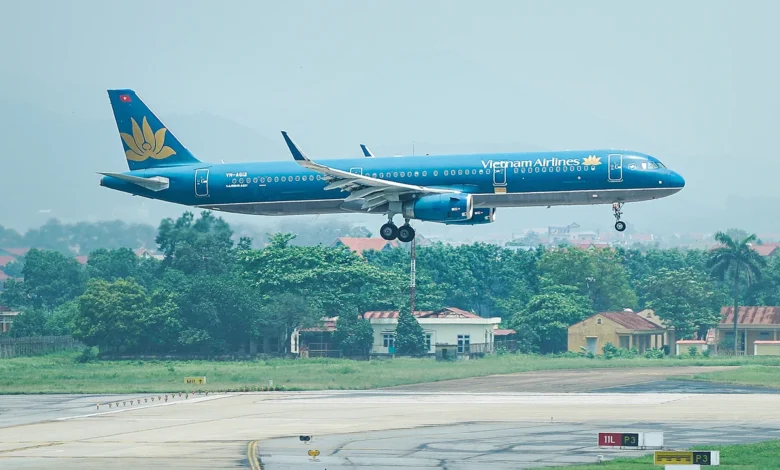
The aviation landscape in Vietnam is poised for a significant transformation, with projections indicating a demand for approximately 1,000 new aircraft over the next two decades. This forecast, announced by Airbus, underscores the country’s rapid emergence as one of the world’s most dynamic and high-growth aviation markets. As domestic carriers expand their fleets and international routes multiply, the infrastructure and logistics supporting this growth are undergoing a major evolution.
According to Wouter van Wersch, Executive Vice President of Airbus International, the growth trajectory for Vietnam’s air travel sector remains exceptionally robust. Speaking on November 3, 2026, van Wersch highlighted that passenger traffic in Vietnam is expected to grow at an average annual rate of 7.7% over the next 20 years, a figure that significantly outpaces the global average. This surge in demand is driving a structural shift in the industry, necessitating not only a larger fleet of modern, fuel-efficient aircraft but also a comprehensive upgrade to airport infrastructure and operational capacity.
The Scale of Demand and Fleet Expansion
The requirement for 1,000 additional aircraft represents a substantial increase over the current operational inventory. As of September 2026, Vietnam’s aviation sector comprised 258 aircraft registered to 13 different enterprises. Of these, 231 are actively engaged in commercial service, while the remainder encompass specialized roles, including general aviation and flight training.
Airbus currently holds a dominant position in the Vietnamese market, supplying 90% of the narrow-body aircraft and 50% of the wide-body jets currently in operation. The move toward modernizing these fleets is already underway. Recent procurement activity underscores this trend: Vietravel Airlines has committed to acquiring 50 narrow-body aircraft, including the advanced A321neo and the efficient A220 series. Meanwhile, national flag carrier Vietnam Airlines has formalized agreements to expand its wide-body fleet, specifically targeting additional A350 aircraft, and Vietjet Air has placed orders for 40 units of the A330-900. These acquisitions are not merely placeholders but strategic investments in long-haul capacity and operational sustainability.
Regional Context and Market Dynamics
The demand within Vietnam is part of a broader, regional trend in the Asia-Pacific theater. Airbus analysts estimate that the total demand for wide-body aircraft alone across the region will exceed 3,400 units over the next 20 years. This regional demand is fueled by a growing middle class, increasing urbanization, and a shift toward international tourism and business connectivity.
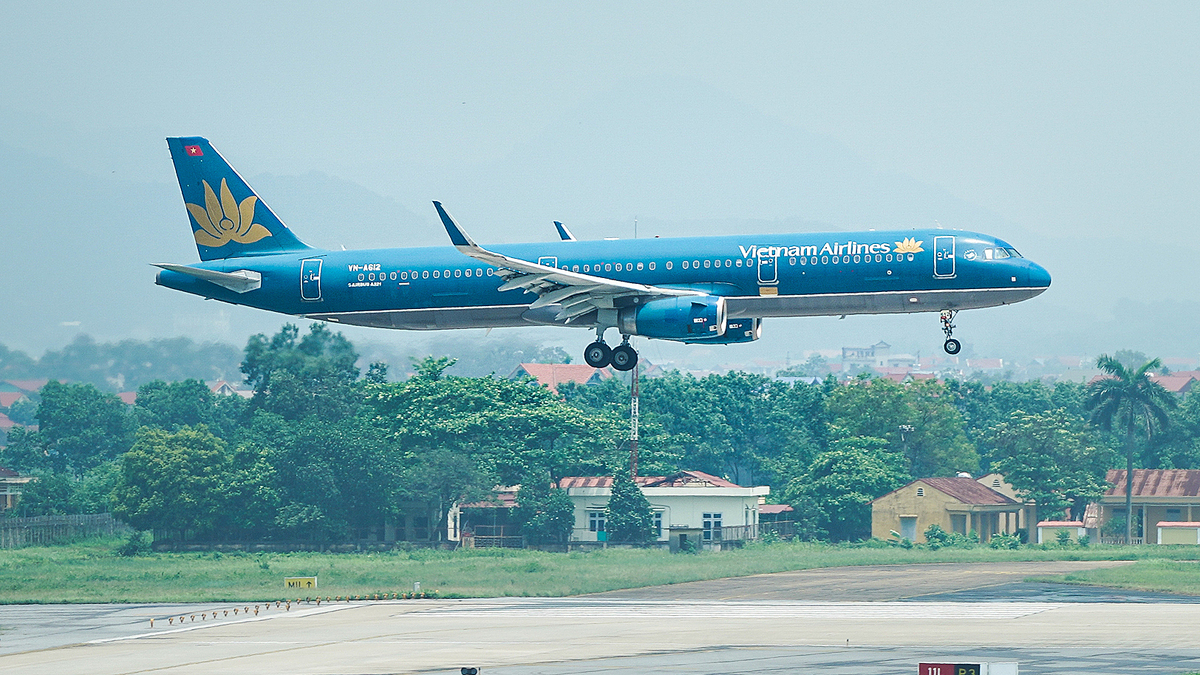
Vietnam’s strategic location makes it a critical hub for these regional flows. The government’s ongoing efforts to expand airport capacity, such as the construction of the Long Thanh International Airport, are essential to absorbing this projected growth. Industry experts suggest that without these infrastructure investments, the full potential of the aviation sector would be stifled by logistical bottlenecks.
Deepening Industrial Partnerships
Beyond the sale of aircraft, the relationship between Airbus and Vietnam has evolved into a multi-faceted industrial partnership. The aerospace giant is increasingly integrating Vietnamese enterprises into its global supply chain. Since 2024, local manufacturers have been supplying critical components, such as emergency door mechanisms for the A321neo series, to international assembly lines. The positive reception of these components by global assembly plants signals that Vietnam is successfully transitioning from a consumer of aviation technology to a contributor in the high-tech manufacturing sector.
This industrial collaboration is further bolstered by a shared commitment to human capital development. Airbus has initiated various educational partnerships with major Vietnamese universities, offering specialized training programs, student internships, and expert-led workshops. These initiatives are designed to bridge the skills gap, ensuring that the next generation of aviation professionals in Vietnam is equipped to manage, maintain, and innovate within the aerospace industry.
Historical Milestones: Beyond Commercial Aviation
The collaboration between France, Airbus, and Vietnam extends beyond the commercial airline sector. A significant milestone in this partnership was reached in 2013 with the successful launch of VNREDSat-1, Vietnam’s first Earth observation satellite, developed in collaboration with the Vietnam Academy of Science and Technology (VAST).
Originally intended to operate for five years, the satellite has surpassed all expectations, continuing to function effectively for over a decade. The successful management of this asset by Vietnamese scientists and engineers has provided the foundation for the next phase of cooperation. Recently, the French and Vietnamese governments signed an agreement to advance the VNREDSat-2 program. Airbus is slated to provide ongoing support for this project, including comprehensive technology transfer programs, ensuring that Vietnam continues to build its sovereign capabilities in satellite technology and space exploration.
Strategic Implications and Future Outlook
The expansion of the aviation sector is a barometer for Vietnam’s overall economic health. With the aviation industry acting as a catalyst for trade, tourism, and logistics, the government’s support for the sector is viewed as a pillar of national economic strategy. However, the path forward is not without challenges.
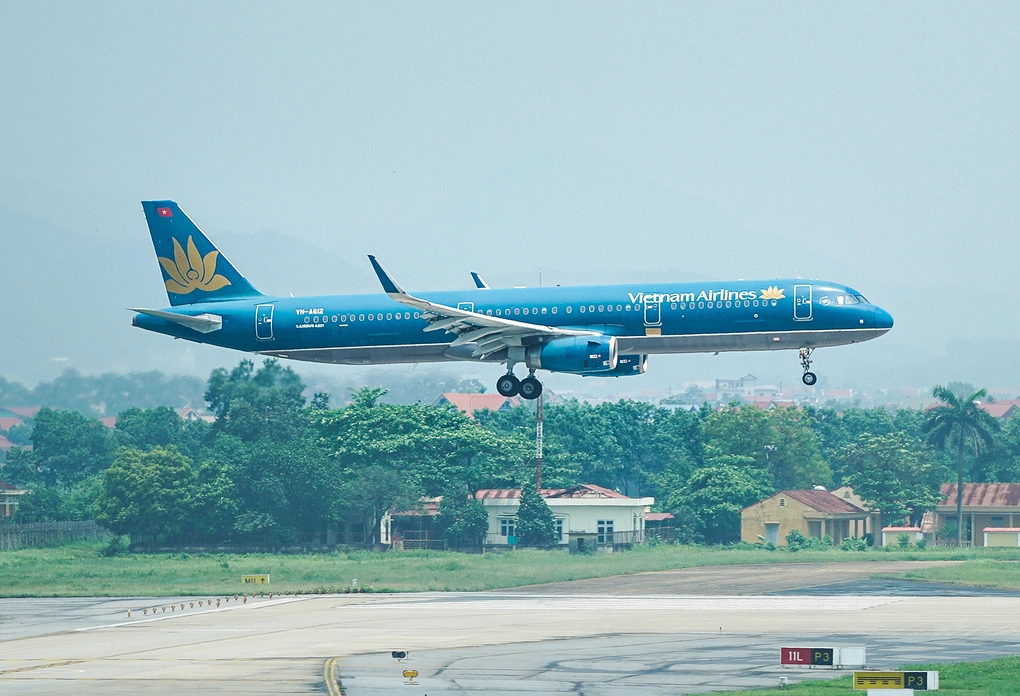
The aviation sector must navigate rising fuel costs, the global push for decarbonization, and the need for a highly skilled workforce. Airbus’s commitment to providing "at-source" services and technical support is expected to mitigate some of these operational risks for local carriers. By focusing on sustainable, fuel-efficient aircraft like the A321neo and A330neo, Vietnamese airlines are positioning themselves to meet international environmental standards while maintaining competitive operational costs.
Analysis: The Multiplier Effect
The "multiplier effect" of adding 1,000 aircraft to the national fleet is significant. For every aircraft added, thousands of jobs are created across the spectrum of the economy—not just in the cockpit or cabin, but in ground handling, maintenance, repair and overhaul (MRO) facilities, tourism, and international logistics.
As Vietnam continues to integrate into the global supply chain, the synergy between its growing aviation capacity and its manufacturing prowess will likely strengthen. The current trend suggests that Vietnam is moving toward a more mature market model, where aviation is not merely a mode of transport but a core component of its industrial identity.
Conclusion
As Vietnam looks toward the next two decades, the aviation sector stands as a testament to the country’s rapid development. With a clear roadmap provided by both state policy and international partnerships, the nation is set to significantly enhance its regional influence. The target of 1,000 new aircraft is ambitious, yet with the current pace of procurement, strong demand, and deepening industrial integration with global leaders like Airbus, it is a target that is well within reach. The transformation will be defined by a shift toward more modern, efficient fleets and a more sophisticated, technologically adept domestic workforce, ultimately cementing Vietnam’s position as a central node in the global aviation network.