A massive food poisoning incident has struck the central region of Vietnam, leaving 174 workers hospitalized following a suspected contaminated meal at a major industrial facility in Thua Thien Hue province. The outbreak, which rapidly unfolded over the course of a single day, has prompted immediate, high-level intervention from national and local health authorities. As medical personnel work tirelessly to stabilize the affected individuals, government regulators have launched a comprehensive investigation to trace the source of the contamination, identify the culprits, and enforce strict accountability across the local food supply chain.
Overview of the Mass Food Poisoning Incident
The crisis centers around Scavi Hue Company, a prominent garment and manufacturing enterprise operating within the Phong Dien Industrial Park, located in Phong Dien district. On September 11, local healthcare facilities began seeing a sudden and alarming influx of patients presenting identical symptoms of acute gastroenteritis. Vomiting, severe abdominal cramps, dizziness, and persistent diarrhea quickly incapacitated a significant portion of the factory’s workforce.
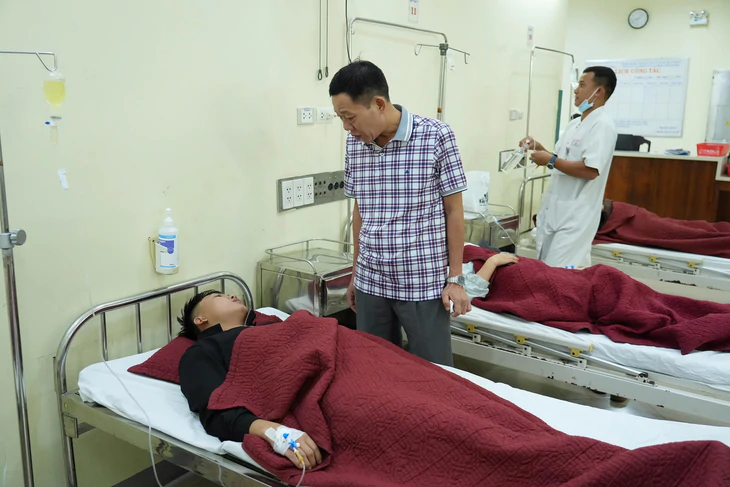
By the afternoon of September 12, the cumulative count of hospitalized workers reached 174. Medical triage reports categorized the patients across two primary treatment centers: 155 workers were admitted to Central Hospital Hue, Facility 2, while the remaining 19 cases were placed under observation and care at the Phong Dien Medical Center.
Local health officials confirmed that the majority of the patients experienced mild to moderate symptoms consistent with bacterial food poisoning or food-borne toxins. Prompt medical intervention prevented fatalities, and by the end of the second day, hospital administrators reported that the vital signs of all hospitalized workers had stabilized. No critical conditions or life-threatening cases were registered, though continuous monitoring remained in place to prevent secondary complications.
Chronology and Emergency Response
The unfolding of the event demanded an immediate mobilization of regional emergency services.
- September 11: The first wave of workers fell ill shortly after consuming meals tied to the industrial park. Emergency transport vehicles, local ambulances, and company support teams scrambled to transfer dozens of distressed workers to the Phong Dien Medical Center. As the volume of patients overwhelmed local capacity, overflow protocols were activated, routing additional batches of sick employees to Central Hospital Hue, Facility 2.
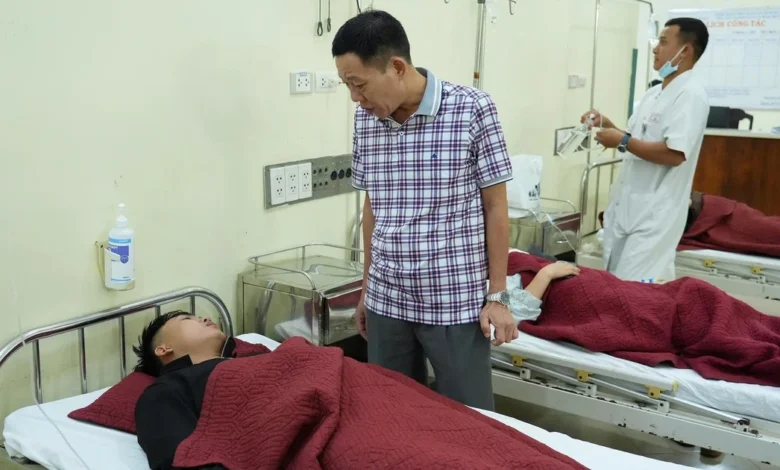
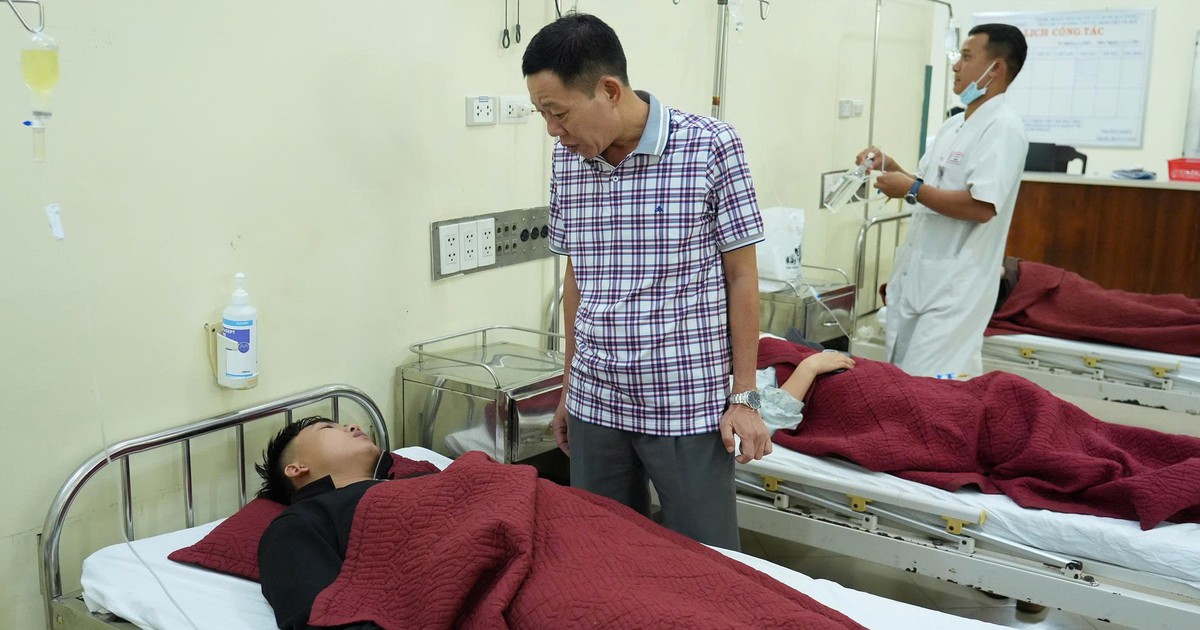
- Morning of September 12: The patient count breached the century mark, catching the attention of municipal leaders. Ha Van Tuan, Vice Chairman of the People’s Committee of Hue City, personally visited the hospitalized workers at Central Hospital Hue. During his inspection, he urged medical staff to prioritize patient care, ensure adequate supplies of intravenous fluids and medications, and coordinate closely with public health inspectors.
- Afternoon of September 12: The Vietnam Food Administration (VFA), operating under the Ministry of Health, formally issued an urgent directive addressed to the Department of Health of Hue City. The directive mandated an immediate, multi-agency investigation to isolate the cause of the outbreak, inspect catering operations, and collect food samples for toxicological testing.
Directives from the Vietnam Food Administration
Recognizing the severity of a mass casualty event affecting a critical industrial workforce, the Vietnam Food Administration outlined strict protocol mandates for local authorities in Hue City. The central directives emphasized several non-negotiable action items:
- Prioritization of Medical Treatment: Local health departments were instructed to mobilize all necessary financial and human resources to treat affected patients free from administrative bottlenecks. Ensuring the absolute safety and recovery of every worker remained the foremost priority.
- Comprehensive Supply Chain Tracing: Authorities must conduct thorough traceback investigations to map out the entire supply chain of the suspected meals. This includes identifying raw material suppliers, food processors, transport logistics, and the specific catering service provider contracted by Scavi Hue Company.
- Sampling and Laboratory Testing: Inspectors were directed to collect leftover food samples, ingredients, and environmental swabs from the kitchen facilities. Laboratory analyses are required to isolate specific pathogens—such as Salmonella, Escherichia coli, Staphylococcus aureus, or chemical toxins—responsible for the acute gastroenteritis outbreak.
- Public Disclosure and Enforcement: The VFA stressed transparency, demanding that if regulatory violations are uncovered, authorities must apply strict administrative or criminal penalties. The findings must be made public to warn the community and hold negligent entities accountable.
- Mandatory Reporting: The Department of Health of Hue City is required to submit continuous updates and a final comprehensive investigation report to the VFA in accordance with national health regulations.
Strengthening Food Safety Protocols in Industrial Catering
Industrial catering facilities face unique operational challenges due to the sheer volume of meals prepared daily. Following the Phong Dien incident, regulatory bodies reiterated the necessity of strict compliance with national food safety laws.
The Vietnam Food Administration has called for intensified oversight and educational campaigns targeting food businesses across the region. Key preventive measures highlighted by regulators include:
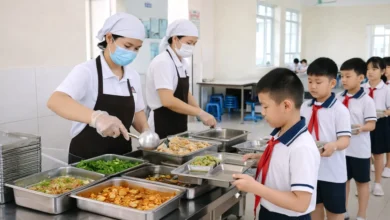
- Strict Adherence to the Three-Step Food Inspection Process (Kiểm thực ba bước): Kitchen operators must verify ingredient origins before preparation, inspect finished dishes prior to serving, and retain food samples in sealed containers for specified holding periods to facilitate retrospective testing during outbreaks.
- Hygiene in Processing and Storage: Facilities must maintain rigorous sanitation standards during the cooking, processing, transportation, and preservation of food items. Temperature controls must be strictly monitored to prevent bacterial proliferation.
- Supplier Verification: Industrial kitchens are legally required to verify the business licenses, food safety certificates, and quality assurance records of all upstream ingredient vendors.
- Public Awareness: Community outreach programs must guide citizens and event organizers on how to carefully select reputable food processors and catering services, particularly for large gatherings and communal events.
Broader Economic and Social Implications
Mass food poisoning incidents within industrial zones carry severe repercussions beyond immediate public health concerns. Phong Dien Industrial Park is a vital economic engine for Thua Thien Hue province, employing thousands of local residents and contributing significantly to regional export manufacturing.
When hundreds of workers are suddenly incapacitated, factory productivity halts, delivery schedules face disruption, and corporate supply chains experience friction. Furthermore, such incidents erode worker confidence in workplace welfare standards, particularly concerning subsidized catering services provided on-site. Labor unions and industrial relations experts have increasingly emphasized that safe, nutritious meals are a fundamental component of worker safety, directly impacting productivity, retention, and corporate social responsibility.
Ongoing Investigations and Next Steps
As of the latest updates, specialized task forces comprising health inspectors, food safety officials, and local police are examining the catering facilities associated with Scavi Hue Company. Investigators are reviewing food logs, interviewing kitchen staff, and analyzing laboratory cultures from patient specimens.
While preliminary clinical symptoms point strongly toward bacterial contamination—often associated with improper food handling, inadequate refrigeration, or contaminated raw ingredients—definitive conclusions await official laboratory verification.
The local government has pledged to release the final findings of the investigation transparently. As the recovering workers gradually return to their duties, the incident serves as a stark reminder of the critical importance of uncompromising hygiene standards within Vietnam’s rapidly expanding industrial sector.