VinFast VF 5 Reshapes Price Standards and Intensifies Competition in Vietnams Urban SUV Segment

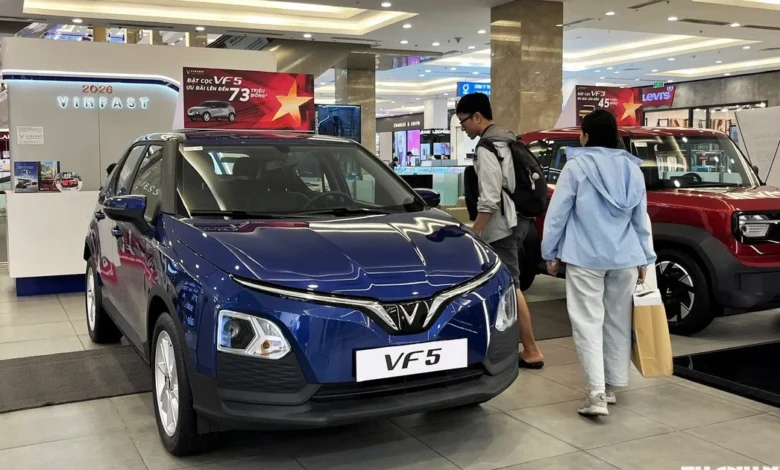
The Vietnamese automotive market is currently witnessing a significant transformation within the urban SUV segment, driven largely by the aggressive pricing strategies and growing market share of the VinFast VF 5. As the domestic electric vehicle (EV) manufacturer continues to adjust its pricing and promotional structures, the ripple effect is being felt across the entire industry, forcing traditional internal combustion engine (ICE) competitors to reconsider their long-standing valuation models. This shift marks a departure from the previous market dynamics where urban SUVs were often sold at a premium, signaling a new era of price sensitivity and value-driven competition in Southeast Asia’s fastest-growing auto market.
The Historical Context: From Scarcity to Surplus
To understand the current downward pressure on prices, it is essential to look back at the market conditions between 2021 and 2023. During this period, the urban SUV segment was characterized by high demand and limited supply. Global supply chain disruptions, particularly the semiconductor shortage, led to a "seller’s market" in Vietnam. Popular models such as the KIA Sonet and Toyota Raize frequently faced inventory shortages, leading to a phenomenon locally known as "bia kèm lạc" (beer with peanuts), where customers were forced to pay for additional accessory packages or direct premiums just to secure early delivery of their vehicles.
During this peak period, price floors were significantly higher than they are today. The Toyota Raize was launched with a listed price of approximately 527 million VND, while the KIA Sonet fluctuated between 539 million and 624 million VND depending on the trim level. Higher-tier B-SUVs, including the Hyundai Creta, KIA Seltos, Honda HR-V, and Toyota Corolla Cross, maintained price points ranging from 600 million to over 800 million VND. For nearly three years, these manufacturers enjoyed high margins and a consumer base that was willing to wait months for vehicle fulfillment.
However, the landscape began to shift dramatically in late 2024 and through 2025. As production stabilized and new players entered the market—most notably affordable electric vehicles—the supply-demand balance tipped. Consumers, facing a tighter economic climate and more options, began prioritizing long-term value over brand prestige.
The Rise of the VinFast VF 5 and the Price Squeeze
The VinFast VF 5 Plus, which debuted in 2023 with an initial price tag of 538 million VND, has been the primary catalyst for the current "price war." Through a series of strategic adjustments and promotional campaigns, VinFast has systematically lowered the barrier to entry for its entry-level electric SUV. By July 2026, the actual transaction price for the VF 5 Plus has dropped to approximately 471 million VND, the lowest level since its inception.
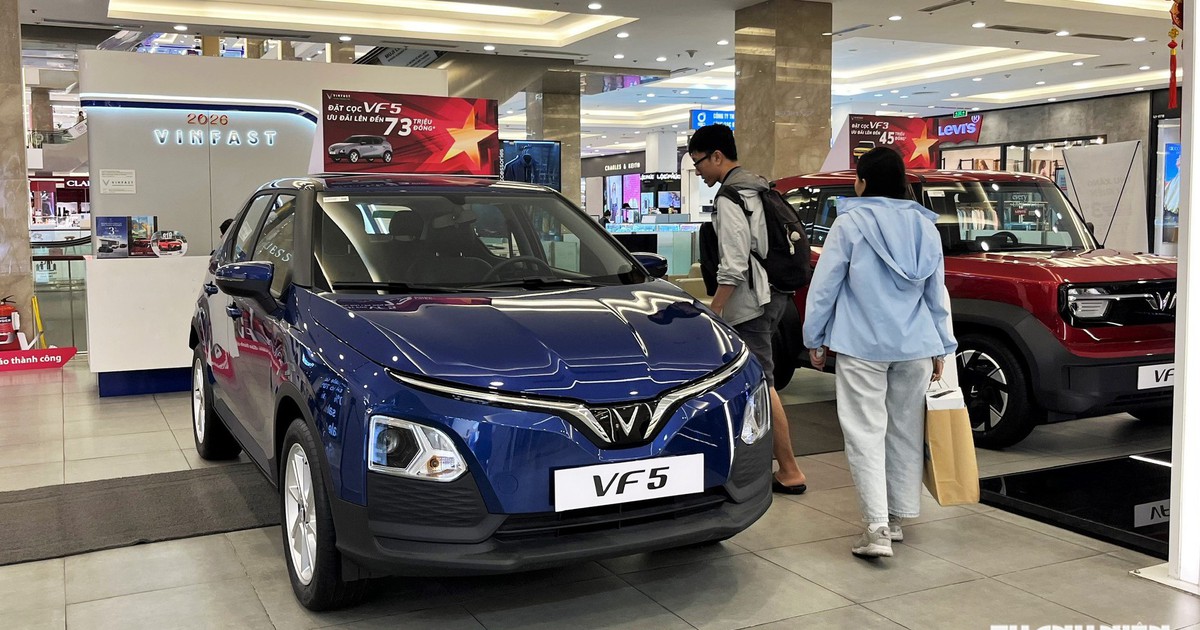
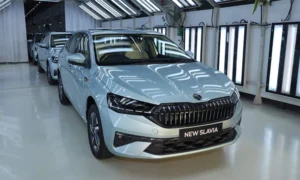
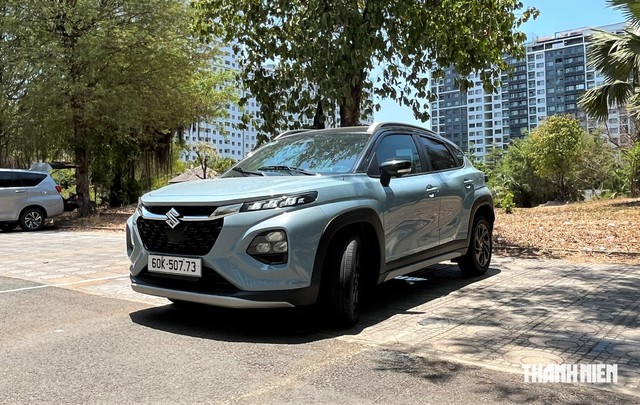
This aggressive positioning has forced a reaction from nearly every competitor in the A-SUV and B-SUV categories. The KIA Sonet, once a dominant force with a premium price, saw its actual market price drop to around 464 million VND in mid-2026 to remain competitive. Even more striking is the case of the Suzuki Fronx; despite a listed price of 520 million VND at launch, some dealerships have been forced to offer the model for just over 400 million VND to move inventory.
The pressure is not limited to the smallest SUVs. The B-SUV segment, which typically occupies a higher price bracket, has also been dragged into the discount race. The KIA Seltos has seen certain versions discounted to 519 million VND, a price point that would have been unthinkable three years ago. Other major players, including the Mitsubishi Xforce, Hyundai Creta, and Toyota Corolla Cross, are now frequently accompanied by dealer incentives and factory-backed promotions worth tens of millions of VND.
Chronology of Market Adjustments (2023–2026)
The transition from a high-margin segment to a high-competition segment followed a clear timeline:
- Early 2023: VinFast launches the VF 5 Plus at 538 million VND, introducing the first viable electric alternative in the urban SUV space.
- Late 2023 – Early 2024: Supply chains recover for Japanese and Korean brands. Inventory levels at dealerships begin to rise, and "markups" for early delivery disappear.
- 2025: VinFast achieves a milestone by delivering nearly 44,000 units of the VF 5 in a single year, proving that electric urban SUVs have reached mass-market acceptance.
- H1 2026: Competition intensifies as Chinese brands enter the Vietnamese market with low-cost crossovers. VinFast responds by leveraging its charging infrastructure and tax incentives to lower the effective price of the VF 5.
- July 2026: The "price floor" for the segment is effectively reset. The VF 5 Plus reaches its record low of 471 million VND, triggering a wave of discounts across competing brands like KIA, Toyota, and Suzuki.
Total Cost of Ownership: The Deciding Factor
While the sticker price is the most visible aspect of the competition, the true impact of the VinFast VF 5 lies in the "Total Cost of Ownership" (TCO). In the current Vietnamese market, the financial advantages of choosing an electric SUV over a traditional gasoline vehicle are substantial, largely due to government policy and manufacturer-backed infrastructure.
The Vietnamese government currently offers a 100% exemption on registration fees (Lệ phí trước bạ) for electric vehicles. For a gasoline car in the 500 million VND range, the registration fee typically adds 50 to 60 million VND to the final "on-road" cost. By eliminating this, the VF 5 becomes significantly cheaper to put on the road than a KIA Sonet or Toyota Raize, even if their base prices are similar.
Furthermore, VinFast’s V-Green charging station ecosystem has become a formidable competitive moat. The company’s policy of providing free charging at V-Green stations until early 2029 drastically reduces daily operating expenses. When combined with the lower maintenance requirements of electric drivetrains—which lack oil changes, spark plugs, and complex transmission systems—the long-term savings for a VF 5 owner can exceed 100 million VND over a five-year period compared to an ICE counterpart.
Sales Data and Market Dominance
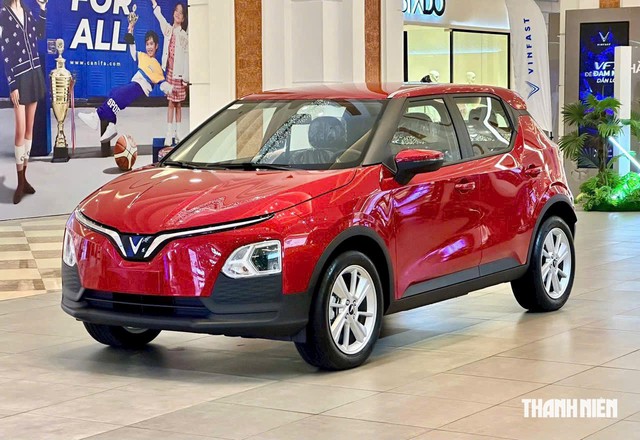
The market’s reaction to these economic incentives is clearly reflected in the sales figures. In 2025, VinFast successfully delivered approximately 44,000 units of the VF 5, making it one of the best-selling models in the country across all segments. This momentum has shown no signs of slowing down in 2026.
According to cumulative data for the first six months of 2026, the VF 5 (including the Hero Green special edition) reached a sales volume of 20,167 units. This figure far outpaces its primary gasoline competitors. For comparison, the entire A-SUV segment combined (including the Sonet and Raize) has struggled to match the volume generated by this single electric model. This dominance suggests that the Vietnamese consumer is no longer "testing" electric vehicles but has fully integrated them into the mainstream purchasing process.
Reactions from Industry Stakeholders
Market analysts and dealership representatives have noted that the "VF 5 effect" has changed how cars are sold in Vietnam. A representative from a major multi-brand dealership in Ho Chi Minh City, speaking on condition of anonymity, stated: "A few years ago, we sold SUVs based on brand heritage and ground clearance. Today, the first question from the customer is about the total cost of ownership over three years. The aggressive pricing from VinFast has made it very difficult to sell gasoline cars at their old list prices. We are constantly asking manufacturers for more incentives just to keep foot traffic in the showroom."
On the manufacturing side, traditional brands are pivoting. Toyota and KIA have focused more on hybrid technology and enhancing interior features to justify higher price points, but the entry-level segment remains a battleground where price is the primary weapon. The arrival of Suzuki’s Fronx at a deep discount is seen as a direct attempt to claw back market share from the budget-conscious demographic that has been flocking to VinFast.
Broader Implications for the Vietnamese Auto Industry
The ongoing price war in the urban SUV segment has several broader implications for the future of the Vietnamese automotive industry:
1. Accelerated EV Adoption: By pricing the VF 5 so aggressively, VinFast has lowered the psychological barrier to entry for electric vehicles. This "forced" adoption is building a massive user base that will likely remain within the EV ecosystem for their next vehicle purchase.
2. Pressure on Resale Values: As the prices of new cars continue to drop, the used car market is facing a crisis. Owners who bought urban SUVs in 2022 at a premium are finding that their vehicles have depreciated much faster than expected, as a brand-new electric SUV can now be purchased for less than a three-year-old gasoline model.
3. Infrastructure as a Competitive Advantage: The success of the VF 5 highlights that vehicle sales are now inextricably linked to charging infrastructure. Competitors who do not invest in their own charging networks or partner with third-party providers will find it increasingly difficult to compete with VinFast’s vertically integrated model.
4. Shift in Consumer Behavior: The Vietnamese buyer is becoming more analytical. The focus has shifted from "status symbols" to "utility and economy." This change is forcing manufacturers to be more transparent with their pricing and more generous with their standard features.
Conclusion
The VinFast VF 5 is doing more than just selling cars; it is rewriting the rules of the Vietnamese automotive market. By leveraging government incentives, a proprietary charging network, and an aggressive pricing strategy, VinFast has effectively "squeezed" the urban SUV segment, forcing established global giants to lower their prices and improve their value propositions.
As we move through the latter half of 2026, the competition is expected to remain fierce. With more players entering the market and the continued expansion of the EV infrastructure, the urban SUV segment will likely remain the most volatile and price-sensitive category in the country. For the Vietnamese consumer, this is a golden era of choice, where high-quality, high-utility vehicles are more accessible than ever before. However, for manufacturers, the era of "easy margins" in the SUV space is officially over, replaced by a relentless drive for efficiency and competitive pricing.