Thống Nhất Stadium undergoes a major nearly 100-year facelift as it nears its centenary following extensive renovations

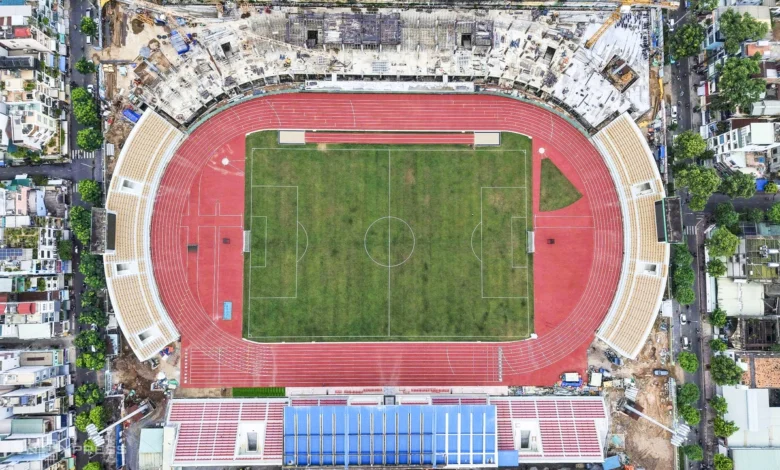
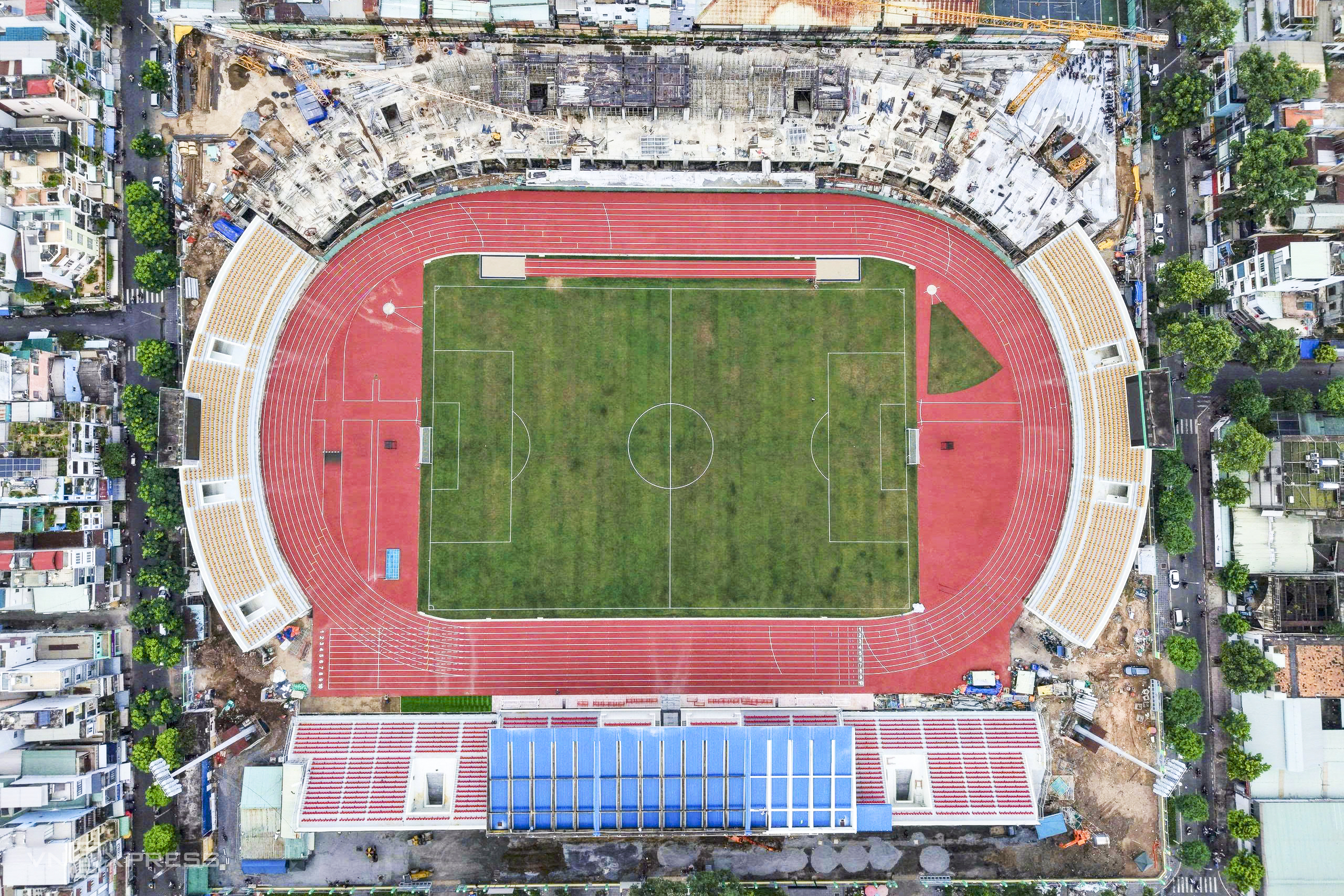
Thống Nhất Stadium, a cornerstone of Vietnamese football and a historic architectural landmark in Ho Chi Minh City, is currently undergoing a comprehensive structural and aesthetic revitalization. With an investment of approximately 320 billion VND, the project aims to modernize the aging facility to meet international standards as it approaches its centennial anniversary. The renovation, scheduled for completion by the end of 2026, marks the most significant overhaul of the stadium in recent decades, ensuring its continued relevance for both domestic leagues and regional sporting events.
A Historic Legacy Reimagined
Constructed in 1929 and inaugurated in 1931, the facility was originally known as the Renault Stadium and later as the Cong Hoa Stadium before adopting its current name, Thống Nhất, in 1975. For nearly a century, it has served as the spiritual home for football in Southern Vietnam. Over the decades, it has witnessed countless iconic matches, historical gatherings, and the rise of legendary athletes who have shaped the national sports narrative.
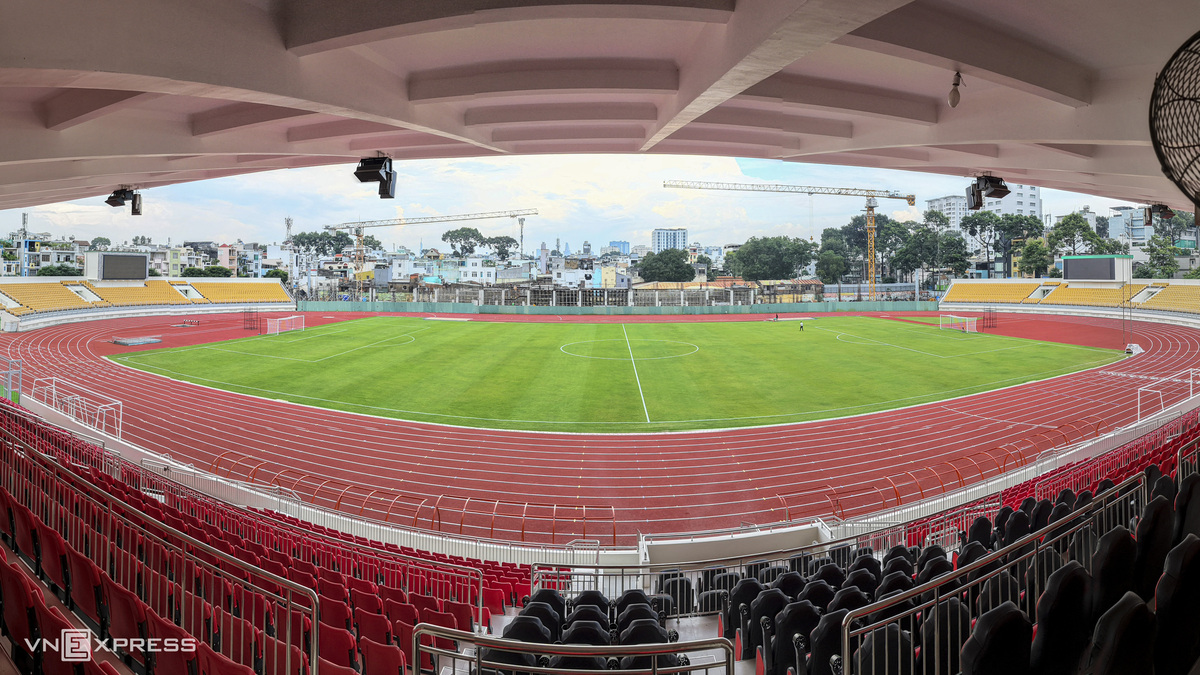
The current renovation is not merely cosmetic; it is a strategic effort to preserve the venue’s heritage while upgrading its infrastructure to serve a modern metropolis. The stadium, which has long struggled with outdated facilities, is being transformed to provide a safer, more efficient, and comfortable experience for the city’s 14 million residents and international visitors alike.
Scope of the Modernization Project
The 320 billion VND investment covers a wide array of structural improvements designed to extend the lifespan of the venue by several decades. Key components of the renovation include:
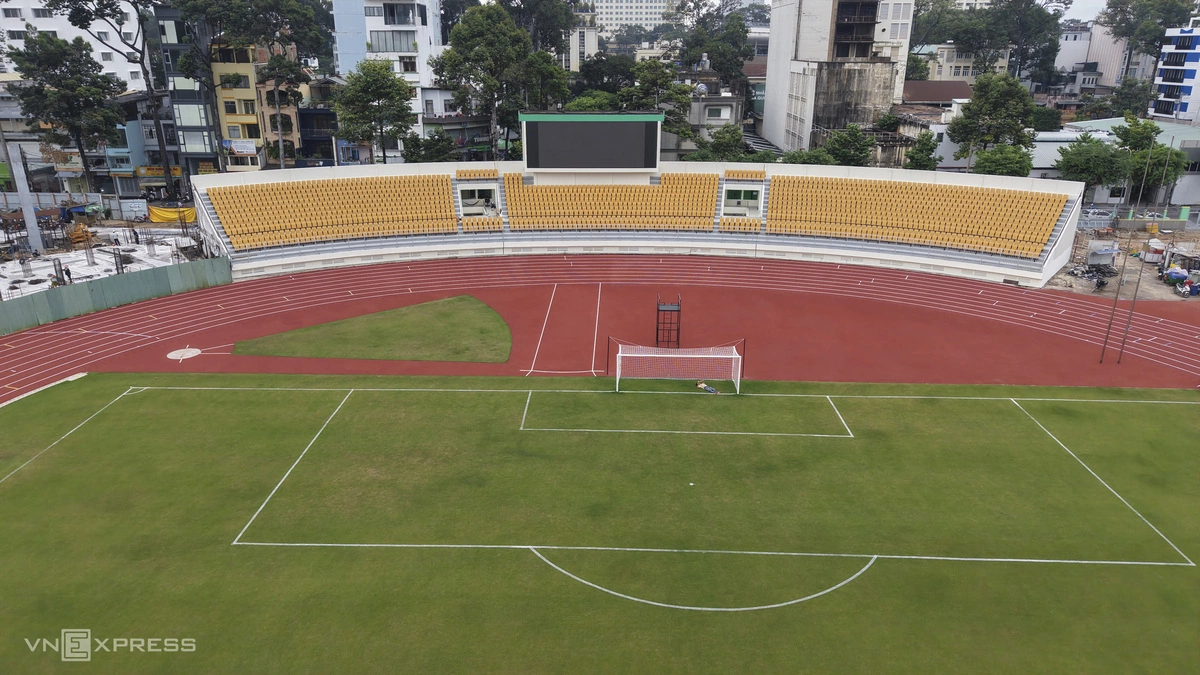
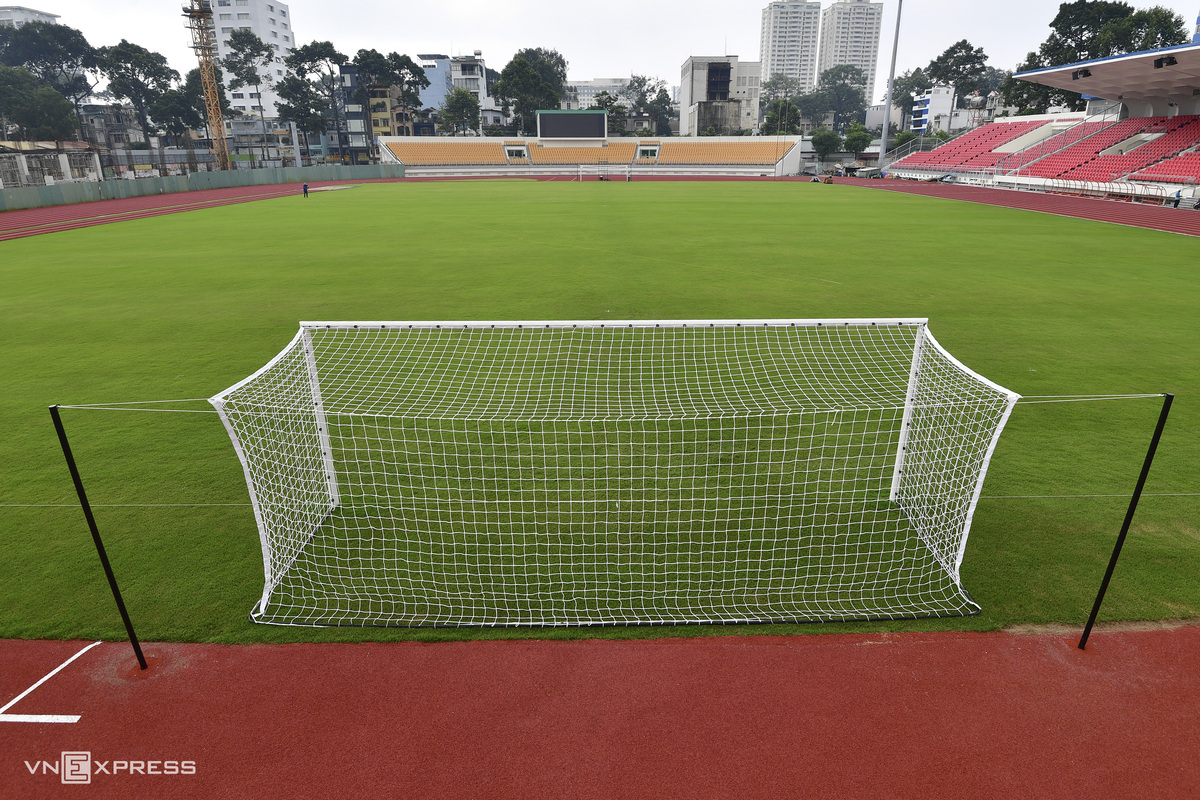
- Pitch and Track Reconstruction: The entire playing surface has been replaced with modern turf, and the athletics track has been fully reconstructed to meet current professional standards.
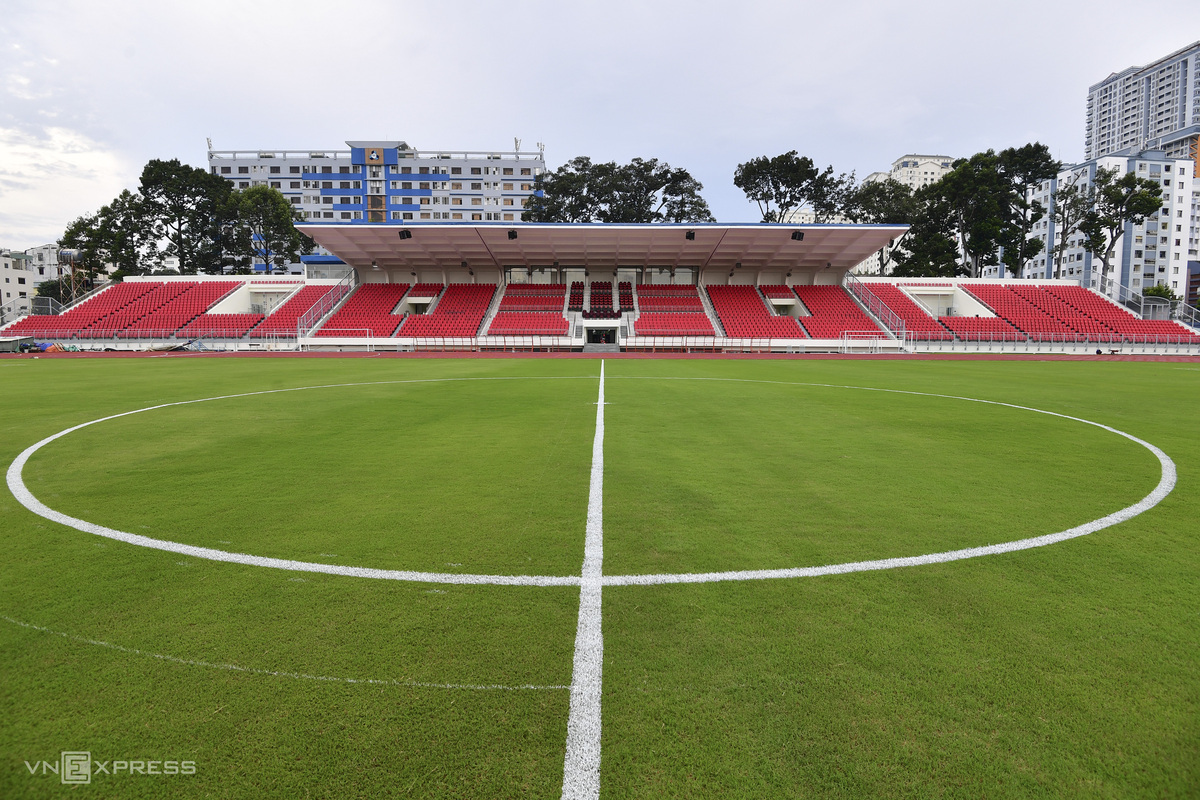
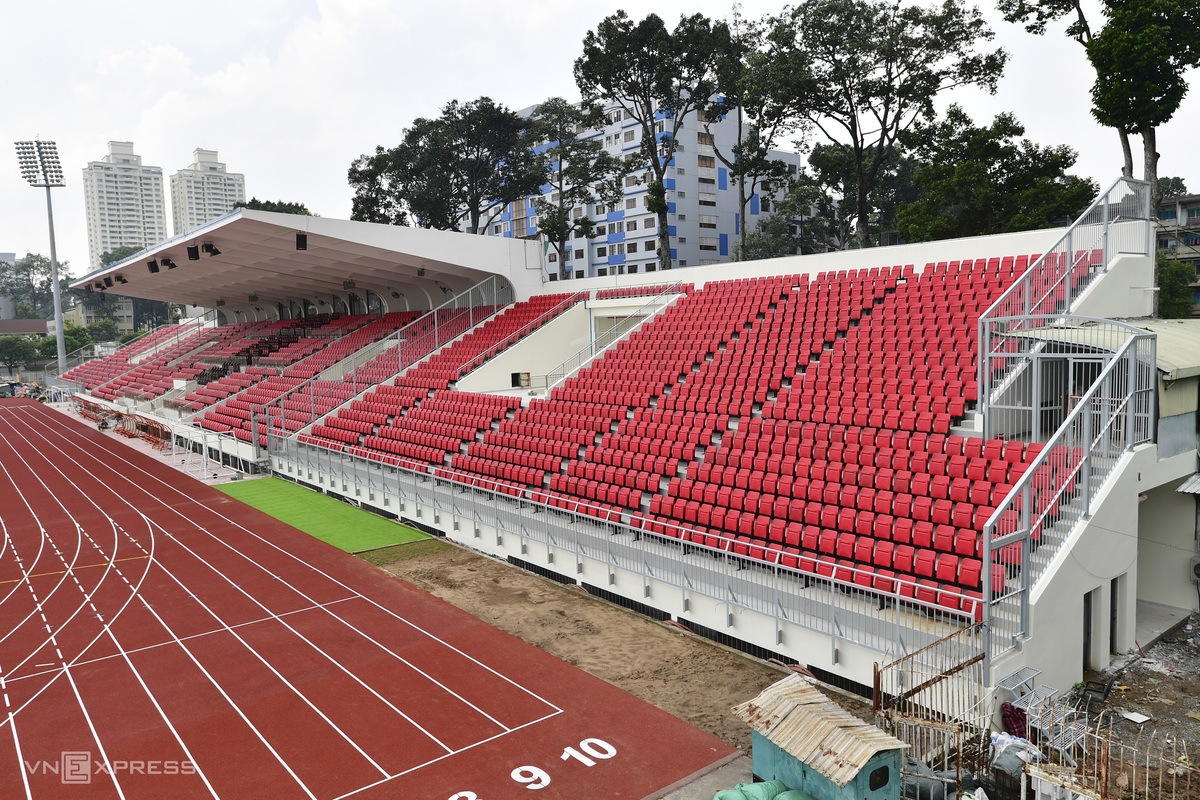
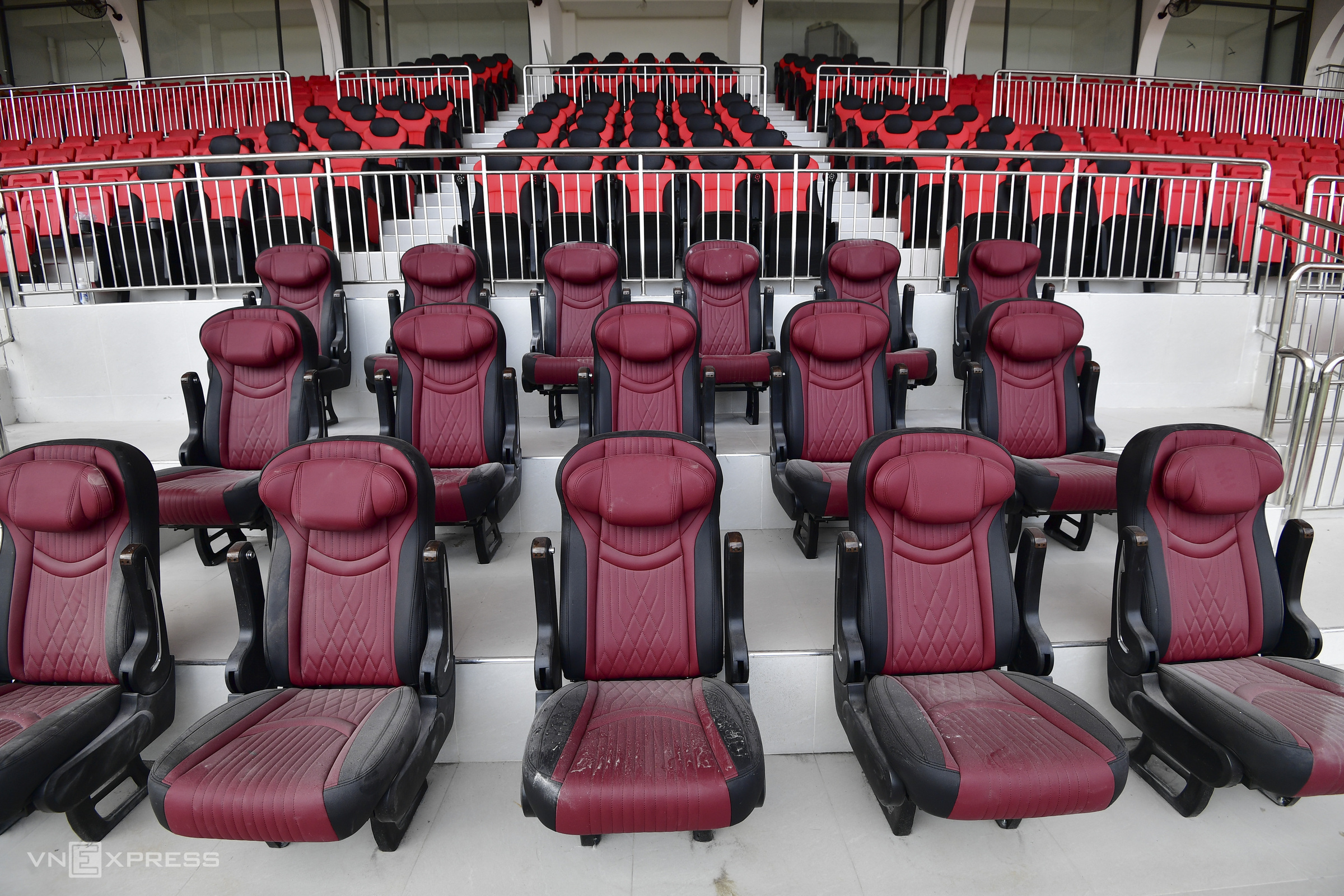
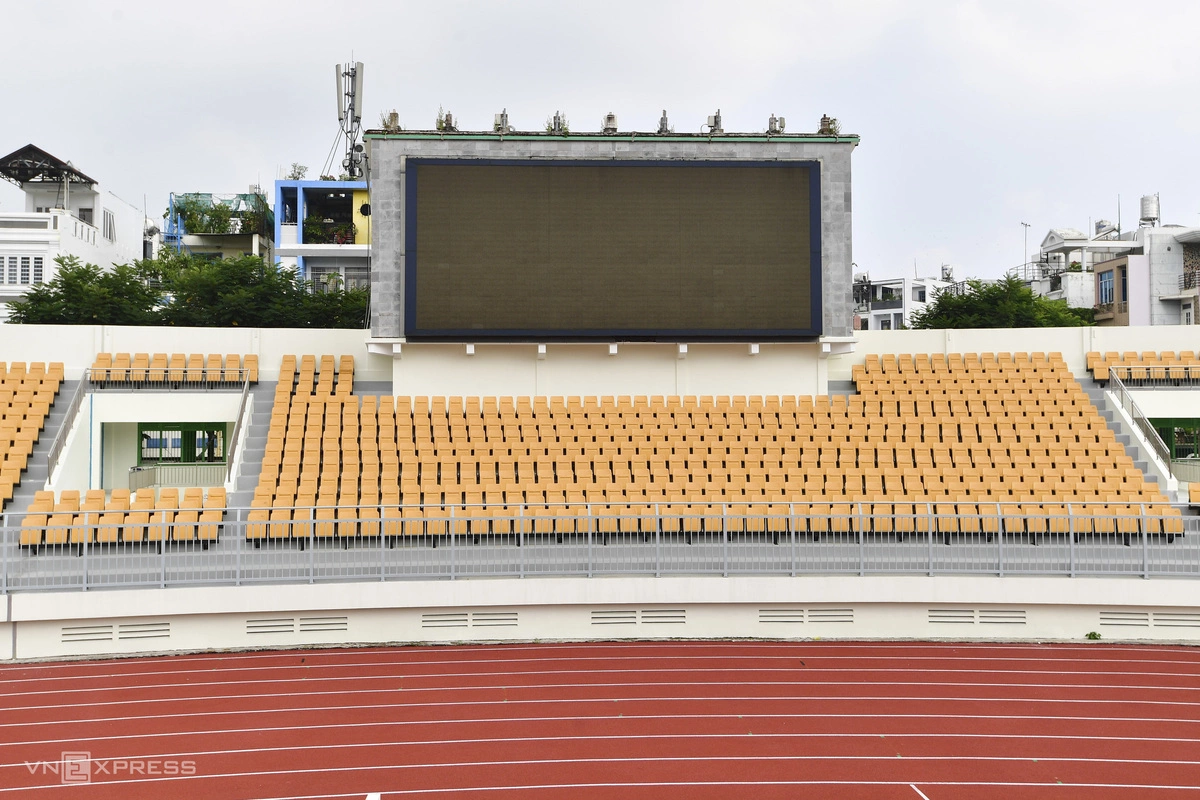
- Seating and Spectator Experience: The stadium’s seating capacity has been recalibrated to approximately 17,750 seats. This includes the complete installation of new, ergonomic seating in primary grandstands and the addition of LED display systems to improve game-day engagement.
- Structural Expansion: The project includes the construction of entirely new stands (B, C1, and D1), while existing stands (A, C, and D) have undergone rigorous structural reinforcement and roof repairs.
- Technical and Safety Upgrades: A significant portion of the budget has been allocated to critical utility infrastructure. This includes the overhaul of electrical and lighting systems, advanced fire prevention and suppression technology, and modern drainage systems to prevent waterlogging during the city’s intense monsoon seasons.
- Support Facilities: Beneath the grandstands, the project is completing state-of-the-art facilities for athletes, including modern changing rooms, medical units, and dedicated areas for coaching and technical staff.
Chronology of the Transformation
The decision to renovate the stadium was accelerated by the city’s need to prepare for upcoming major sporting events. By late 2026, the stadium is expected to host the 10th National Sports Games, a major catalyst for the current timeline.
During the construction period, local football clubs based in Ho Chi Minh City, such as those competing in the V-League, have temporarily relocated their home matches to the Gò Đậu Stadium in the neighboring Bình Dương province. This logistical pivot ensures that the professional league calendar remains uninterrupted while the contractors work under an accelerated schedule to meet the year-end handover deadline. According to project management officials, the completion of Stand B is currently projected for April 2027, serving as the final phase of the broader site development.
Implications for Ho Chi Minh City’s Sports Infrastructure
The renovation of Thống Nhất Stadium is part of a broader, long-term urban planning strategy for Ho Chi Minh City. While Thống Nhất provides a vital, centrally located venue for current needs, the city is simultaneously moving forward with the ambitious Rạch Chiếc National Sports Complex project.
The Rạch Chiếc project, which carries an investment exceeding 145,000 billion VND, represents the future of Vietnamese sports infrastructure. By investing in the historical Thống Nhất Stadium, the municipal government is effectively managing the gap between the city’s current needs and the future development of the massive Rạch Chiếc complex. This dual approach ensures that the city maintains functional sports facilities for local communities while it builds toward becoming a global center for international sporting competitions.
Economic and Social Impact
Beyond the physical concrete and steel, the project carries significant social weight. The stadium has long been a communal hub. By improving access, safety, and spectator comfort, the city is reinforcing the role of sport as a unifying force. Analysts suggest that the upgrade will not only enhance the quality of local matches but also increase the likelihood of the city hosting international friendly matches and regional qualifiers, thereby stimulating the local sports economy.
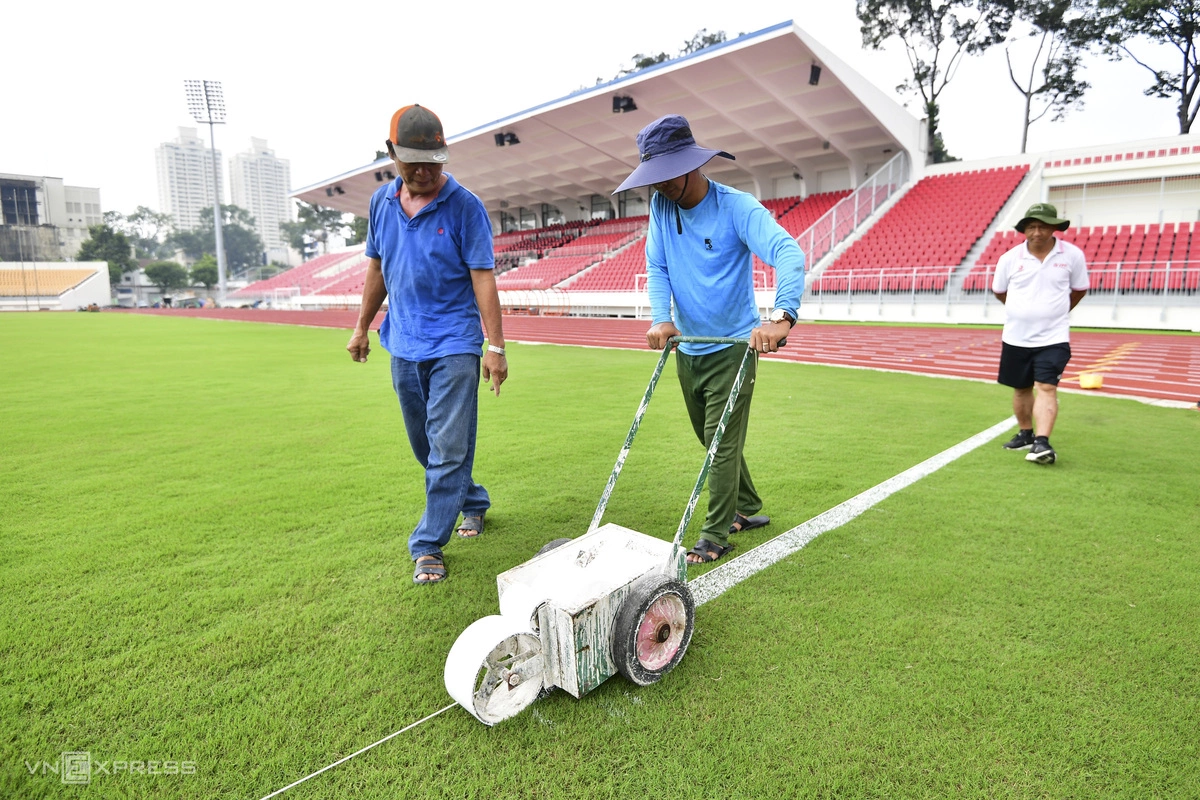
The integration of smart technology, such as the new LED scoreboards and improved lighting, allows the venue to pivot toward multi-purpose usage, including concerts and large-scale public events, potentially diversifying its revenue streams once construction concludes.
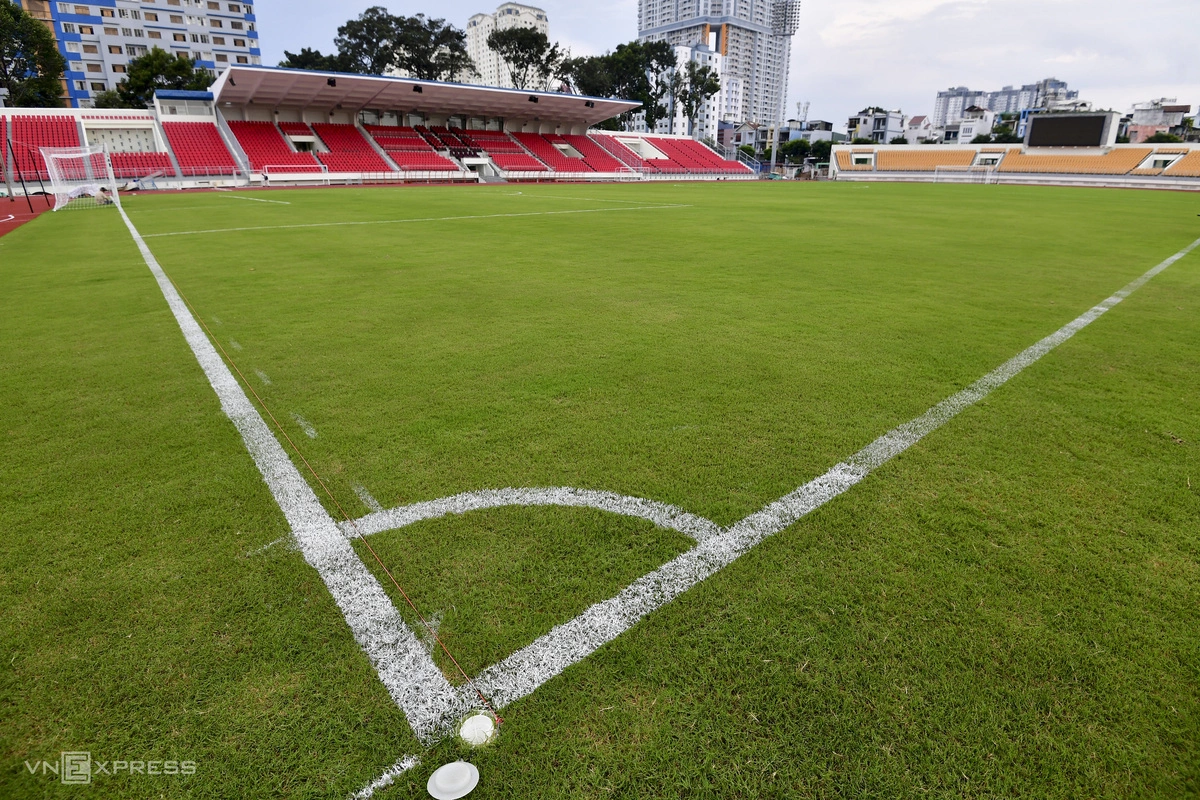
Looking Toward the Future
As the year 2026 draws to a close, the focus shifts to the final inspection phases of the Thống Nhất project. The transition from an aging facility—representative of mid-20th-century design—to a modernized, compliant, and efficient stadium is a testament to the city’s commitment to its sporting heritage.
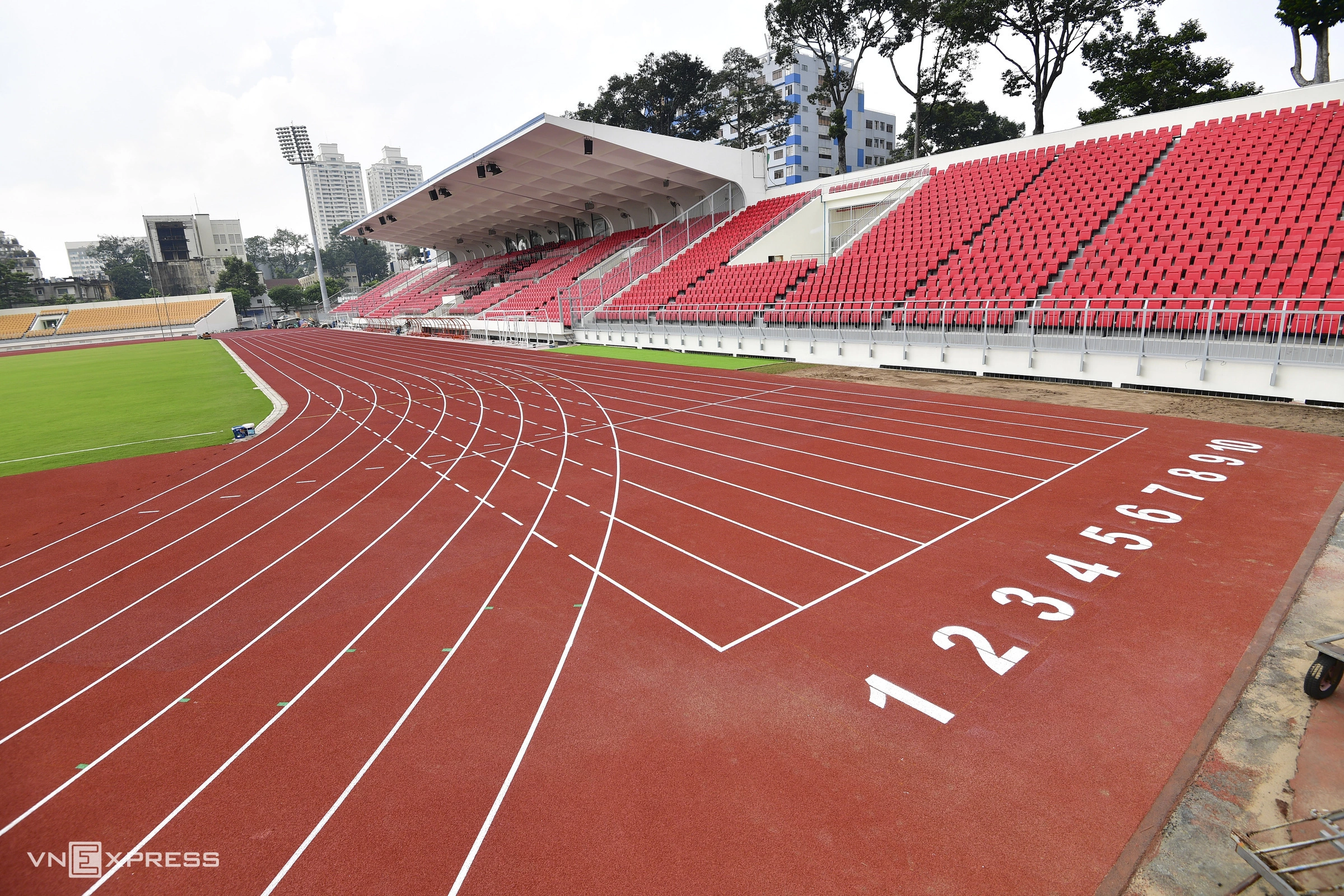
The project team, overseen by city authorities, maintains that despite the complexities of upgrading a nearly 100-year-old structure, the integration of new safety standards has been the highest priority. When the gates officially reopen for the National Sports Games, the stadium will not only be a venue for competition but a symbol of the city’s ability to balance its historical identity with the demands of the modern era.
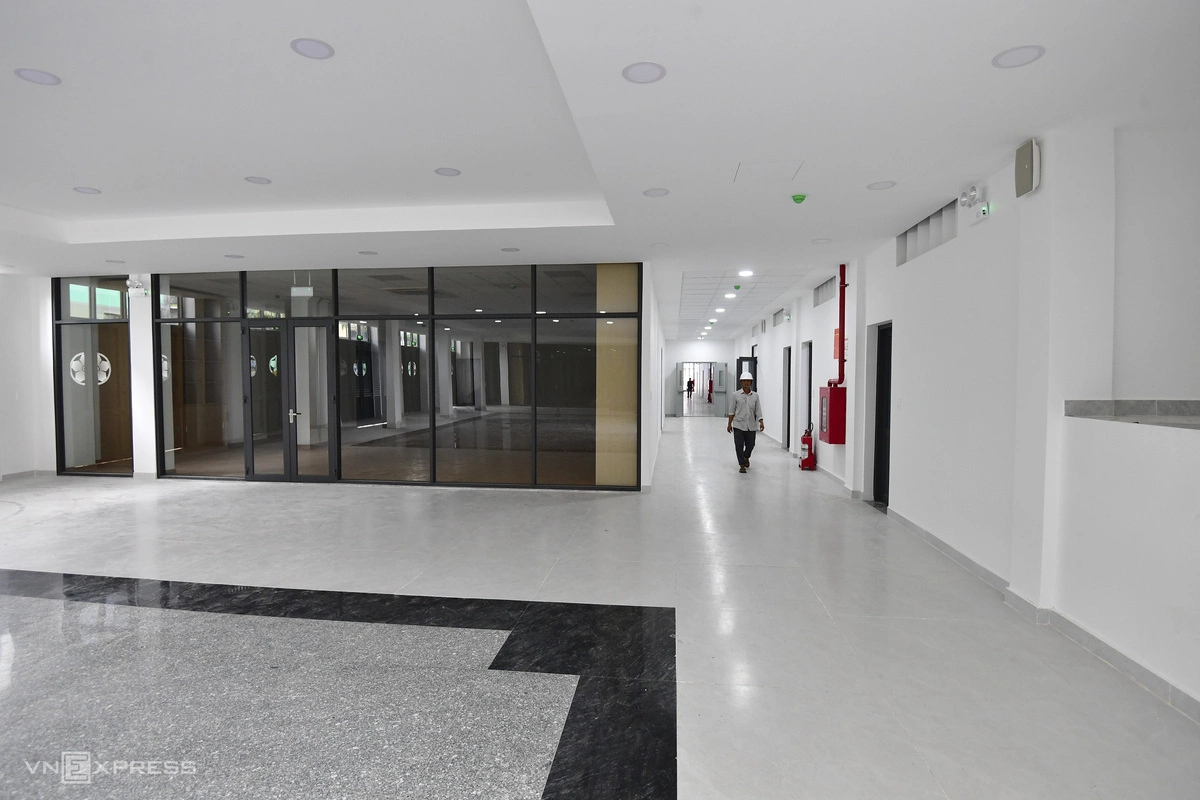
While the temporary absence of professional football in the city center has been a point of concern for loyal fans, the consensus among stakeholders is that the short-term sacrifice is necessary. The result will be a landmark facility capable of hosting top-tier athletics and football, ensuring that the legacy of Thống Nhất Stadium remains firmly embedded in the heart of Ho Chi Minh City for generations to come. As the final sections of the roof are secured and the grass reaches maturity on the new pitch, the anticipation within the local sporting community continues to build for a return to the historic grounds.
Related posts: