Vietnam Navy Bolsters Submarine Rescue Capabilities with Launch of Advanced 928 Search and Rescue Vessel

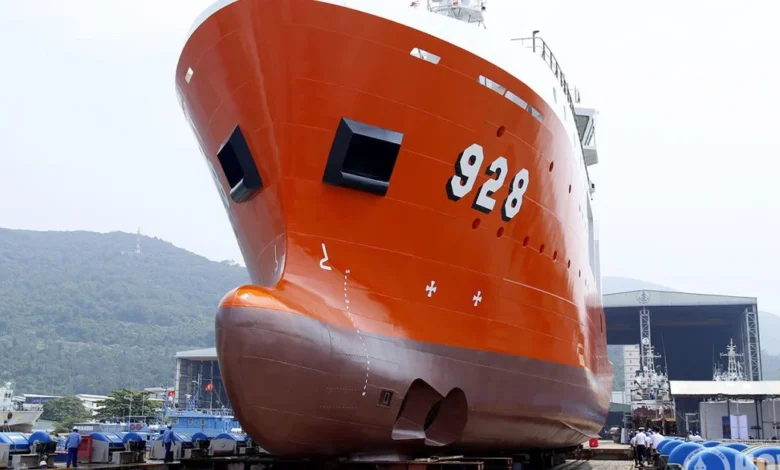
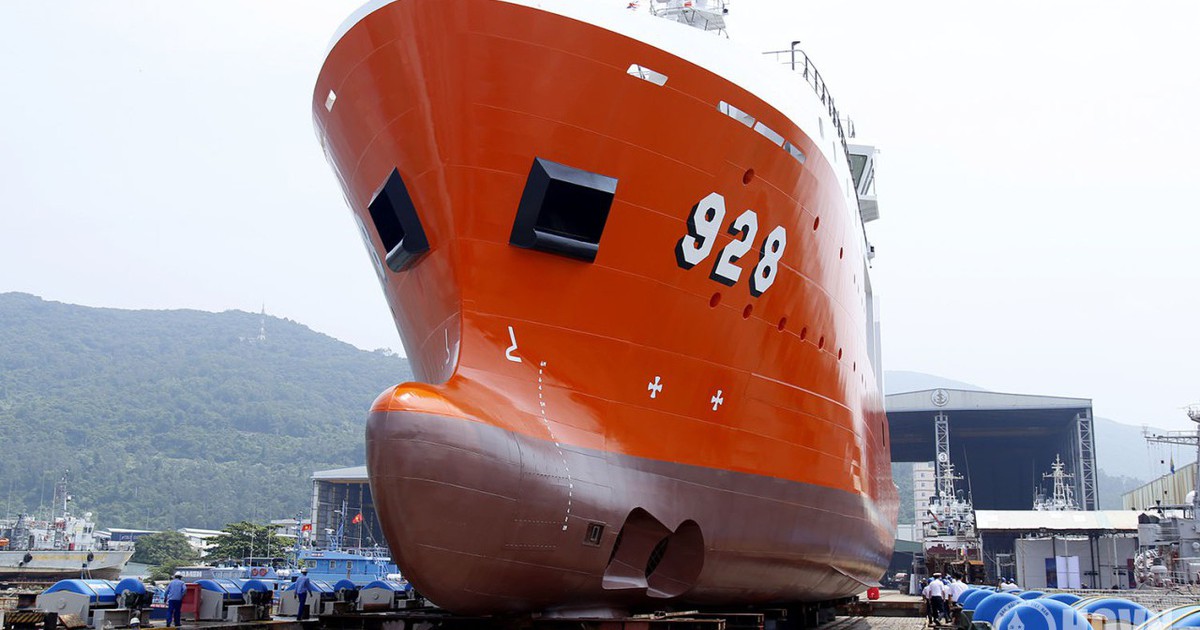
On September 15, 2026, a significant milestone in the modernization of the Vietnam People’s Navy was achieved in Da Nang. The Navy, in close coordination with the Song Thu Corporation—a premier defense industrial entity under the General Department of Defense Industry—officially conducted the launch ceremony for the advanced submarine search and rescue vessel, designated 928 (SERV). This event represents a critical advancement in the nation’s maritime safety infrastructure and its capacity to conduct complex underwater operations within its expansive exclusive economic zone.
The launch of the 928 vessel follows a strategic roadmap initiated years prior, aiming to enhance the operational readiness of the naval fleet. With its specialized equipment and robust design, the 928 is intended to complement the existing search and rescue capabilities provided by the 927 Yết Kiêu vessel, which was commissioned in July 2021.
Chronology of Development and Construction
The journey of the 928 vessel from a conceptual design to a physical asset of the Vietnam Navy spans several years of intensive engineering and maritime development. The keel for the 928 was formally laid on March 7, 2025. Following approximately 18 months of rigorous construction at the Song Thu facility in Da Nang, the vessel successfully transitioned from the slipway to the water.
This 18-month construction period is reflective of the shipyard’s enhanced technical capabilities. Song Thu Corporation, situated on a sprawling 23-hectare site, has invested heavily in modern shipbuilding infrastructure, including a Syncrolift system with a 3,000-ton capacity and advanced material handling equipment. By utilizing computer numerical control (CNC) technology for steel and aluminum cutting, along with automated and semi-automated welding processes, the shipyard has demonstrated a sophisticated approach to naval architecture that adheres to stringent international maritime standards.
Following the launch, the vessel will enter a critical phase of outfitting, where interior systems, specialized rescue modules, and electronic sensor suites will be installed. This will be succeeded by extensive sea trials designed to stress-test the vessel’s propulsion, navigation, and rescue mechanisms before it is officially handed over to the Navy for active duty.
Technical Specifications and Capabilities
The 928 vessel is a testament to the evolving requirements of modern naval warfare and maritime security. Designed to operate in challenging sea states, the ship is engineered to withstand wind speeds of up to Level 12 on the Beaufort scale and sea states of Level 9. This capability is paramount for search and rescue operations, which often take place during inclement weather when the risks to distressed submarines and their crews are at their peak.
Key technical specifications for the 928 include:
- Displacement: 3,520 tons.
- Length: 80.95 meters.
- Beam (Width): 16.4 meters.
- Draft: 6.95 meters.
- Operational Range: Up to 4,000 nautical miles (approximately 7,400 kilometers).
- Endurance: Continuous operation for 30 days and nights at sea without replenishment.
These specifications provide the Navy with a reach that significantly exceeds the width of Vietnam’s coastline, allowing for rapid deployment to remote areas of the South China Sea. The vessel is not merely a transport ship; it is a mobile rescue platform equipped with specialized systems for seabed surveying, underwater search and rescue for distressed submarines, and the recovery of surface vessels.
Strategic Context and Regional Implications
The commissioning of the 928 vessel occurs at a time when the Vietnam People’s Navy is increasingly prioritizing underwater capabilities. With the acquisition of Kilo-class submarines in the mid-2010s, the requirement for dedicated submarine rescue assets became a strategic necessity. The 928, along with the 927 Yết Kiêu, forms a two-pillar foundation for the Navy’s underwater safety and rescue doctrine.
From an international perspective, the possession of dedicated submarine rescue vessels (SRVs) is a marker of a professionalized navy. The ability to conduct these operations is often a prerequisite for international cooperation in maritime safety. Through the 928 project, Vietnam is signaling its intent to participate more actively in regional and global search and rescue exercises. The ship’s design incorporates features that allow for potential interoperability with international rescue equipment, should a multi-national effort be required to support a distressed submarine in the region.
The Role of Song Thu Corporation in Defense Industrialization
The construction of the 928 by Song Thu Corporation highlights the effectiveness of Vietnam’s domestic defense industrial base. Over the past decade, Song Thu has transitioned from basic vessel repair to the complex manufacturing of high-tech naval platforms. Its portfolio includes the HSV 6613 marine survey vessel, the OPV (Offshore Patrol Vessel) series, the SPA 4207 patrol vessels, and the DN2000 Coast Guard ships.
Furthermore, the corporation has successfully penetrated international markets, exporting over 40 vessels to countries across Europe, Latin America, Africa, and the Middle East. This export success serves as a validation of the shipyard’s quality control processes and its adherence to international maritime standards, which are overseen by independent certification bodies. By localizing the construction of such critical rescue assets, Vietnam reduces its dependence on foreign procurement, ensures long-term maintenance support, and fosters a skilled workforce capable of handling future naval innovation.
Future Outlook and Operational Integration
With the launch ceremony concluded, the project now moves into the final, high-stakes phase: testing and integration. Song Thu Corporation is currently working in close coordination with naval advisors and maritime inspectors to finalize the technical outfitting.
A central component of this phase is the rigorous training of the vessel’s crew. The Navy is placing a strong emphasis on the "handover" process, which involves not just the physical delivery of the ship, but the transfer of the operating procedures, maintenance protocols, and emergency response training required to manage the vessel’s complex subsystems.
The training curriculum for the 928 crew includes:
- System Familiarization: Mastering the operation of the vessel’s specialized rescue cranes and underwater communication suites.
- Maintenance Protocols: Training technical personnel on the nuances of maintaining high-precision maritime electronics in high-salinity environments.
- Operational Drills: Simulating submarine rescue scenarios to ensure the crew can deploy rescue equipment within the narrow windows of opportunity that such missions demand.
As the vessel prepares for its initial sea trials, observers note that the 928 represents a significant leap in the Navy’s self-reliance. By the time the vessel is fully integrated into the naval order of battle, the Vietnam People’s Navy will possess one of the most capable submarine rescue platforms in Southeast Asia. This capability is not merely about disaster response; it is a critical component of the country’s broader maritime security strategy, ensuring that the Navy can support its underwater assets across the full spectrum of operational environments.
The successful launch on September 15 is a culmination of years of technical collaboration, engineering investment, and strategic foresight. As Vietnam continues to modernize its naval forces, the 928 stands as a symbol of the country’s growing industrial maturity and its steadfast commitment to ensuring the safety of its personnel and the security of its maritime interests.
Related posts: