US President Donald Trump Considers Shaking Up Cabinet and Replacing War Secretary Pete Hegseth Amid Growing Political Pressures

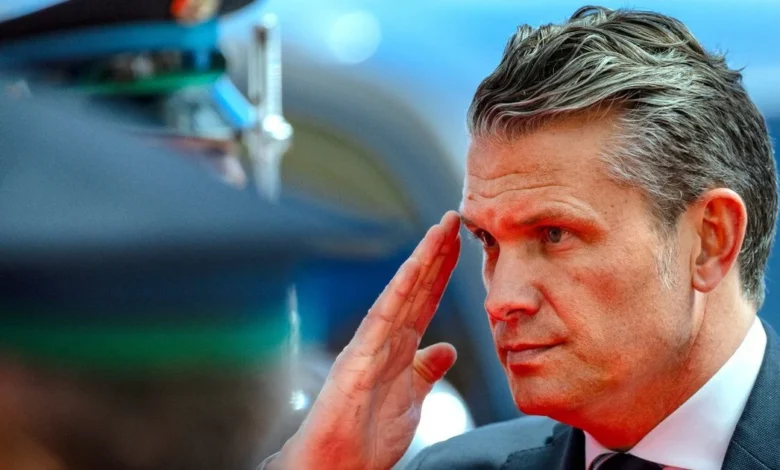
WASHINGTON — In a development that has sent ripples through the upper echelons of the United States government and foreign policy circles, President Donald Trump has reportedly begun consulting key allies regarding the potential replacement of War Secretary Pete Hegseth. According to multiple well-placed sources speaking to NBC News, the discussions regarding a leadership change at the Pentagon began ahead of the critical midterm elections on November 3, underscoring rising tensions within the administration over ongoing military campaigns and strategic direction.
While the administration has publicly denied any immediate plans to oust Hegseth, the private deliberations reflect broader fractures within the Republican party and mounting scrutiny over the Department of War’s operational expenditures, transparency, and strategic efficacy, particularly regarding escalating tensions with Iran.
Strategic Shifts and Delayed Itineraries Raise Eyebrows
Speculation regarding Secretary Hegseth’s future intensified after several of his upcoming official diplomatic and military trips were abruptly postponed. Insiders suggest these cancellations may be tied to strategic re-evaluations within the White House, specifically concerning the possibility of scaling up large-scale military operations in Iran, or driven by calculated political maneuvering in the aftermath of the midterm elections.
Adding weight to the rumors of internal estrangement, Hegseth was notably absent from the high-profile election night gathering in the executive residence of the White House on November 3—a rare exclusion for a sitting cabinet member of his rank. When pressed by reporters on November 4 regarding the rumors of a leadership shakeup, President Trump publicly dismissed the claims, offering strong support for his appointee.
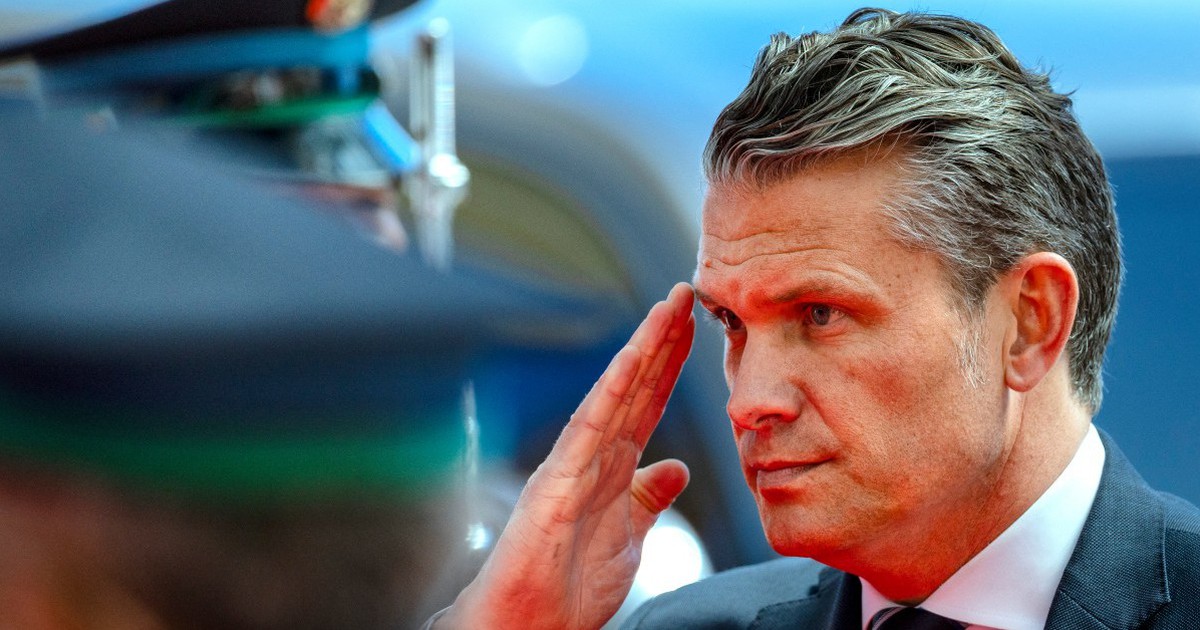
"No, he’s doing a very good job," Trump told reporters, echoing statements made by White House spokespeople.
Pentagon spokesperson Sean Parnell similarly sought to quell the mounting speculation, reiterating Hegseth’s unwavering commitment to the administration’s agenda. "We will continue to advance President Trump’s reform agenda at the Department of War, despite threats and witch hunts manufactured by the Democratic party," Parnell stated. "Secretary Hegseth is 100% committed to leading the department until the end of President Trump’s term."
Mounting Congressional Frustrations and the Iran Conflict
Despite public backing from the commander-in-chief, Hegseth has faced unrelenting criticism from lawmakers on both sides of the aisle, placing him at the center of a brewing legislative storm. A primary catalyst for the discontent among congressional Republicans is the administration’s handling of military engagements involving Iran, which critics argue has lacked transparency, particularly concerning soaring financial costs.
The military campaigns and associated operations have severely strained the Department of War’s budget, prompting conservative lawmakers—who traditionally champion fiscal restraint—to voice unprecedented levels of frustration. Representative Thomas Massie, a Republican critic who has spearheaded legislative pushback against the military strategy in Iran, introduced a war powers resolution in September. Although the House of Representatives has yet to bring the resolution to a formal vote, the legislative maneuver signaled a growing willingness among congressional conservatives to challenge executive war-making powers.
Hegseth’s tenure has also been marked by fierce legislative battles with congressional Democrats, who have repeatedly accused the Pentagon leadership of withholding vital strategic information and failing to maintain accountability. Some legal experts and opposition lawmakers have even floated the prospect of impeachment proceedings, citing policy discrepancies and alleged missteps in military oversight.
A High-Profile Transition and Ongoing Turbulence
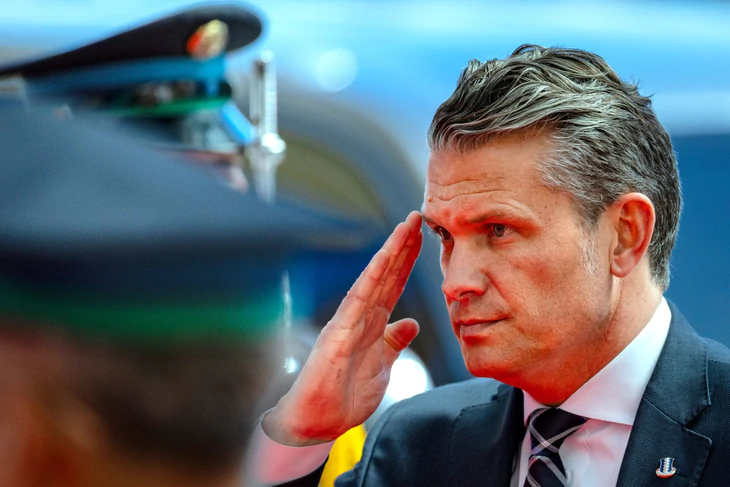
Pete Hegseth, a former television host known for leading weekend programming on Fox News, assumed control of the Pentagon following confirmation by the US Senate in January 2025. His transition from media commentator to civilian leader of the world’s most powerful military apparatus was watched closely from the outset, accompanied by skepticism from defense establishment traditionalists and enthusiastic backing from the populist wing of the Republican party.
However, his tenure has been characterized by near-constant turbulence. Sources familiar with internal White House deliberations indicate that President Trump has periodically raised the subject of Hegseth’s performance with trusted advisers and external allies as early as the summer months, inquiring about potential successors should a change become necessary.
The convergence of budgetary constraints, legislative friction, policy disagreements over the Middle East, and the shifting political landscape following the midterm elections suggests that the debate over the leadership of the Department of War is far from settled. While the White House continues to project a unified front, political analysts note that the administration’s willingness to entertain contingency plans for its cabinet highlights the high-stakes environment governing US defense policy.