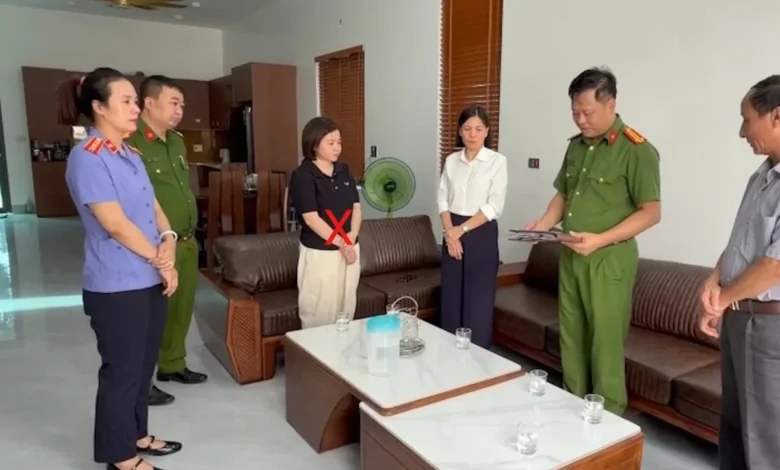
Phu Tho Provincial Police have initiated an investigation and brought charges against Chu Thi Khanh Linh, a 35-year-old individual, for her alleged involvement in a sophisticated land fraud scheme. The investigation, which began recently, aims to unravel the full extent of Linh’s activities and the financial implications for numerous victims.
Initial findings from the investigation suggest that Linh presented herself as an individual with extensive experience and connections within the real estate sector. This perceived expertise was allegedly leveraged to build trust with potential victims, who were subsequently drawn into fraudulent transactions involving land. Authorities are meticulously examining Linh’s methods, which appear to have involved a series of deceptive tactics designed to exploit the aspirations of individuals seeking to acquire property.
The investigation has revealed a pattern of behavior where Linh allegedly accepted payments in exchange for land ownership certificates, often referred to as "Giay chung nhan quyen su dung dat" or land use rights certificates. However, after receiving these funds or documents, Linh reportedly failed to uphold her commitments, leading to significant losses for those who had entrusted her with their investments. The scheme’s core appears to have been the manipulation of land acquisition processes, creating an illusion of legitimate transactions while ultimately defrauding unsuspecting individuals.
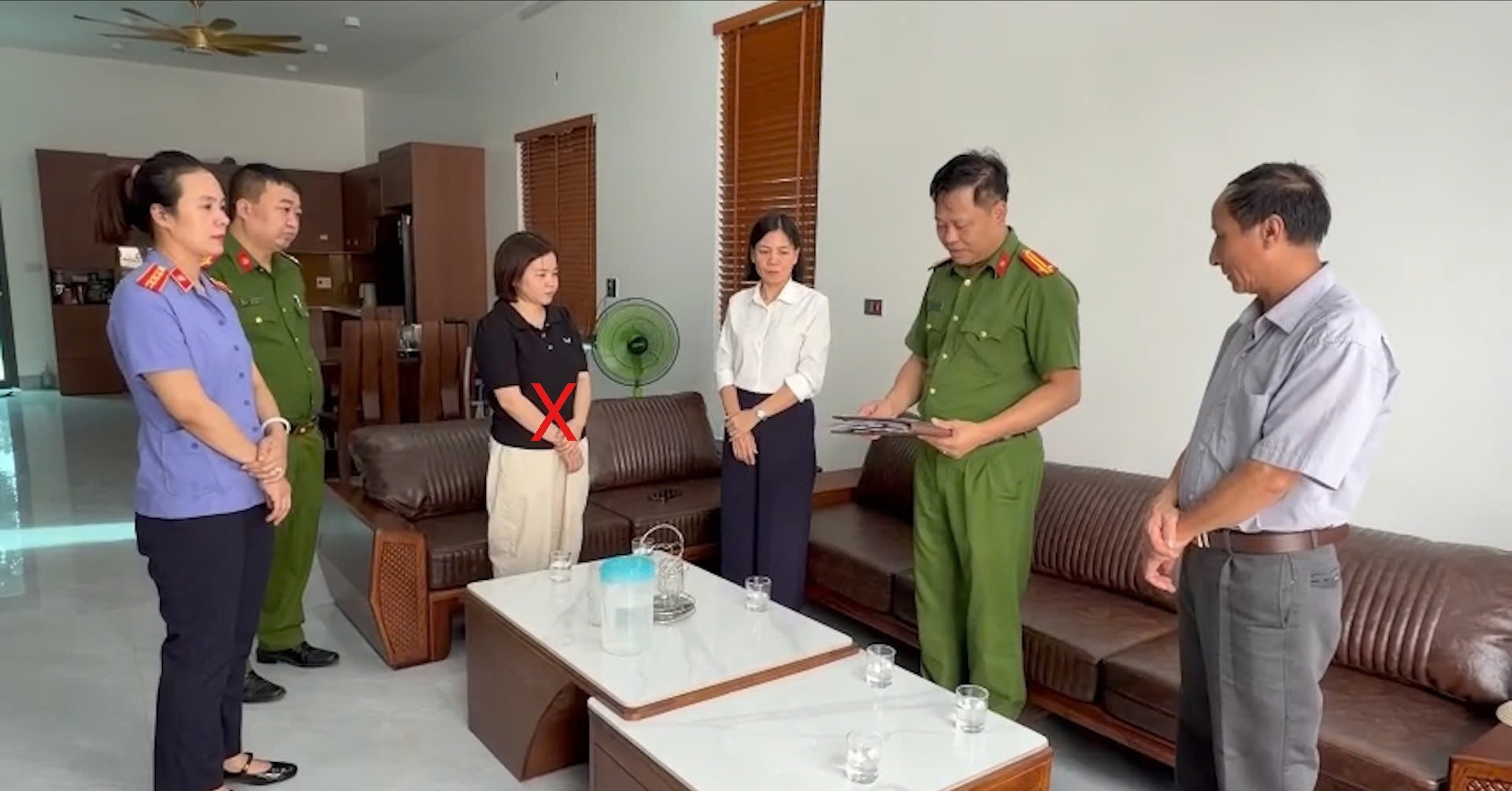
Further details emerging from the investigation indicate that Linh employed a multi-faceted approach to her fraudulent activities. She is accused of selling multiple plots of land to various individuals, effectively engaging in double or even triple sales of the same property. In addition to these direct sales, Linh is also alleged to have obtained land use rights certificates from other individuals under false pretenses. These certificates were then purportedly used as collateral or as a means to further her scheme, ultimately converting them into personal financial gain. The sophisticated nature of these alleged actions points to a well-planned operation designed to maximize illicit profits.
The modus operandi described by investigators paints a grim picture for the victims. Many individuals reportedly fell prey to Linh’s deceptive tactics, losing substantial sums of money in the process. The total amount of money lost by victims is estimated to be in the hundreds of billions of Vietnamese Dong, a staggering figure that underscores the severity of the alleged fraud. This extensive financial damage has had a profound impact on the lives of those affected, many of whom may have invested their life savings into these fraudulent land deals.
As of the latest reports, the Phu Tho Provincial Police have received numerous complaints from alleged victims. These complaints detail a cumulative loss of approximately 12.7 trillion Vietnamese Dong. This figure represents the aggregated financial impact of Linh’s alleged fraudulent activities, highlighting the widespread nature of the scheme and the significant number of individuals who have suffered financial distress as a result. The ongoing investigation is crucial to not only bring the perpetrator to justice but also to explore avenues for restitution for the defrauded parties.
The investigation is actively continuing, with authorities diligently working to trace and clarify all transactions connected to Linh’s alleged real estate fraud. The focus is on meticulously examining every aspect of the financial dealings and legal documentation involved to ensure a thorough and accurate understanding of the case. This includes verifying the authenticity of all land titles, identifying all parties involved, and assessing the full scope of the financial manipulations. The authorities are committed to upholding legal procedures and ensuring that justice is served.

Background and Context of Land Fraud in Vietnam
Land fraud has been a persistent issue in Vietnam, fueled by the country’s rapid economic development and the increasing value of real estate. The complex legal framework surrounding land ownership, coupled with varying levels of local enforcement and understanding among the populace, can create vulnerabilities that fraudsters exploit. Schemes often involve the sale of land that is not legally owned by the perpetrator, the creation of fraudulent land titles, or the manipulation of zoning and development plans.
The "Giay chung nhan quyen su dung dat" (land use rights certificate) is a critical document in Vietnam, representing the legal right to use and, in some cases, own land. The integrity of this system is paramount, and any compromise can have far-reaching consequences for individuals and the broader economy. When these certificates are fraudulently obtained or used as a basis for further deception, it erodes trust in the legal and financial systems.
Recent years have seen increased efforts by Vietnamese authorities to combat land fraud and corruption. Stricter regulations, enhanced enforcement, and public awareness campaigns are being implemented. However, determined individuals and organized groups continue to devise new methods to circumvent these measures, as exemplified by the alleged activities of Chu Thi Khanh Linh. The scale of the alleged fraud in this Phu Tho case, involving billions of Vietnamese Dong, suggests a sophisticated operation that may have involved more than just one individual.
Chronology of the Investigation (Based on Available Information)
While a detailed timeline of the investigation is not publicly available, the current phase indicates that the Phu Tho Provincial Police have progressed beyond the initial reporting stages to formal charges and ongoing inquiry. The process likely involved:

- Initial Complaints: Victims, realizing they had been defrauded, began reporting their experiences to the police. This likely triggered the commencement of preliminary investigations.
- Evidence Gathering: Authorities would have collected evidence, including financial records, transaction documents, and victim testimonies, to build a case against the suspect.
- Identification of Suspect: Chu Thi Khanh Linh was identified as a primary individual involved in the alleged scheme.
- Formal Charges: Based on the gathered evidence, the police have formally charged Linh and initiated legal proceedings.
- Ongoing Investigation: The current phase involves further investigation to uncover all details, identify any accomplices, and trace the flow of illicit funds. This includes expanding the scope of inquiry to include all related transactions and potential beneficiaries of the alleged fraud.
The speed at which such investigations progress can vary significantly depending on the complexity of the case, the volume of evidence, and the resources available to law enforcement. The large sum of money involved in this case suggests a thorough and potentially lengthy investigation.
Supporting Data and Financial Impact
The reported figure of 12.7 trillion Vietnamese Dong (approximately $500 million USD, depending on exchange rates) represents a significant financial loss for the victims. To provide context for this figure:
- Economic Scale: This amount is substantial enough to impact local economies, particularly if a significant portion of the victims reside in a specific region. It represents a considerable withdrawal of capital from legitimate economic activities.
- Individual Impact: For many individuals, losing sums in the billions of Vietnamese Dong (which can translate to millions of USD for larger transactions) can mean financial ruin, jeopardizing their homes, businesses, and future financial security.
- Real Estate Market Instability: Large-scale fraud can also create distrust in the real estate market, potentially deterring legitimate investment and slowing down property transactions.
The figure of 12.7 trillion VND is a stark indicator of the potential scale of the operation. It suggests that Linh, or the network she was allegedly part of, was highly effective in luring a large number of victims and extracting significant financial resources.
Official Responses and Broader Implications
The Phu Tho Provincial Police’s decisive action in bringing charges against Chu Thi Khanh Linh demonstrates a commitment to addressing land fraud. Such investigations are crucial for maintaining public trust in the legal system and protecting citizens from financial exploitation.

The broader implications of this case extend beyond the immediate victims:
- Deterrence: Successful prosecution of individuals involved in large-scale fraud can serve as a deterrent to others who might consider similar illicit activities.
- Legal Reform: Cases like this can highlight weaknesses in existing legal frameworks or enforcement mechanisms, prompting authorities to consider necessary reforms to prevent future occurrences.
- Public Awareness: Media coverage of such cases plays a vital role in raising public awareness about common fraud tactics and encouraging vigilance among potential investors.
- Economic Stability: Addressing land fraud contributes to overall economic stability by ensuring fair competition and protecting legitimate investment.
The involvement of Chinese nationals in related fraud cases, as hinted at by the linked articles (though not directly stated in the core text about Linh), suggests a potential for cross-border criminal activity. The mention of a "group of Chinese fraudsters" in one of the related articles points to the possibility that Linh’s activities might be part of a larger, more organized international syndicate. If confirmed, this would add another layer of complexity to the investigation, requiring cooperation with international law enforcement agencies. Such cross-border fraud rings often operate through sophisticated online scams and money laundering operations, making them particularly challenging to dismantle. The context provided by these linked articles suggests that the current investigation into Chu Thi Khanh Linh might be part of a wider crackdown on such transnational criminal enterprises operating within Vietnam.
The ongoing investigation by the Phu Tho Provincial Police is a critical step in bringing accountability to those who allegedly exploit vulnerabilities for financial gain. The scale of the alleged fraud underscores the need for continued vigilance, robust legal frameworks, and effective enforcement to protect individuals and maintain the integrity of Vietnam’s real estate market. The outcome of this case will likely have significant repercussions for the victims and serve as a reminder of the persistent challenges in combating financial crime.