The Growing Cyber Threat to Critical Infrastructure: How Remote Refrigeration Hacks Put Food, Medicine, and Public Health at Risk

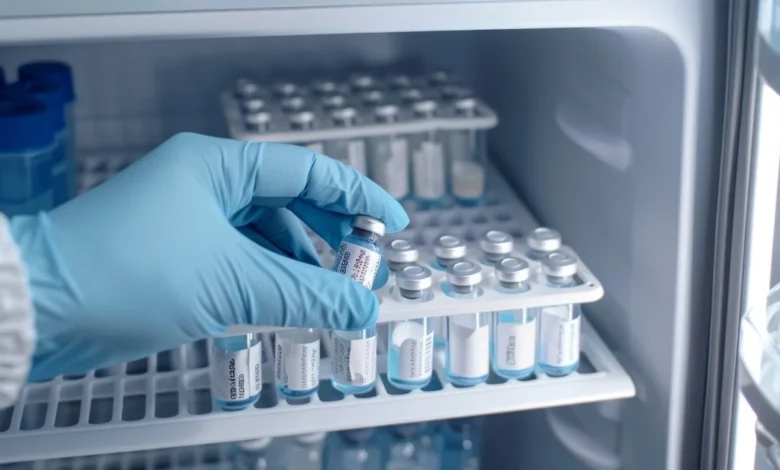
The modern digital landscape has revolutionized supply chains, logistics, and retail management through unprecedented connectivity, but it has simultaneously exposed vulnerable industrial control systems to a terrifying new vector of cyber warfare. Beginning in mid-October 2026 and culminating in a coordinated wave of attacks on November 1 and 2, malicious threat actors launched a series of sophisticated cyber incursions targeting retail supermarket chains across France and several other European nations. While retail disruptions and darkened supermarket aisles initially drew public concern, intelligence agencies and cybersecurity watchdogs quickly uncovered a far more alarming target: critical cold-storage infrastructure protecting the blood supply, essential pharmaceuticals, and life-saving vaccines.
The escalation of these attacks highlights an alarming blind spot in the convergence of operational technology (OT) and information technology (IT). As grocery chains, healthcare facilities, and regional distribution centers increasingly connect their environmental control units to the internet for remote management and cost-efficiency, they have inadvertently opened doors for malicious hackers. The recent European Union alerts and findings from top-tier security researchers underscore an urgent need to reevaluate how industrial systems are secured before hyper-connected infrastructure leads to catastrophic public health failures.
A Chronology of Escalation: From Supermarket Blackouts to Blood Bank Incursions
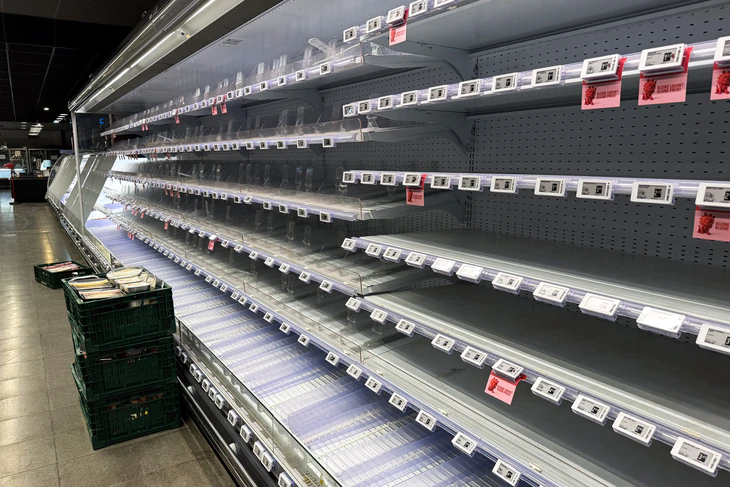
The timeline of the October-November 2026 cyber incidents illustrates a calculated, multi-tiered campaign against European critical infrastructure. The crisis first manifested in mid-October, when anomalous network activity began appearing across hundreds of supermarket locations in France and neighboring European countries, shutting down refrigeration units and forcing major retail outlets—such as Delhaize stores in Belgium—to cordon off aisles and scramble to salvage perishable food items.
The situation escalated exponentially over the weekend of November 1 and 2, coinciding with the holiday period when security staffing is traditionally lower. According to reports from the European Commission and specialized cybersecurity agencies, the threat actors expanded their operational scope beyond retail environments. They systematically probed and attempted to breach three core operational blood-storage facilities operated by the French Blood Establishment (Établissement Français du Sang, or EFS).
The attackers attempted to remotely manipulate critical parameters within the EFS refrigeration networks, specifically targeting temperature settings and ice-thaw thresholds. A successful manipulation of these variables would have silently spoiled stored blood plasma, rendering it unusable and crippling emergency medical response networks. Fortunately, advanced monitoring systems flagged the anomalous temperature fluctuations in real-time, alerting on-site personnel who swiftly intervened to physically secure and relocate the plasma units. Because of this rapid response, no blood products were destroyed, and medical operations continued without interruption. However, the incident served as a chilling wake-up call regarding the fragility of digitized healthcare supply chains.
The Technical Vulnerability: Internet-Connected Refrigeration Units on the Front Line
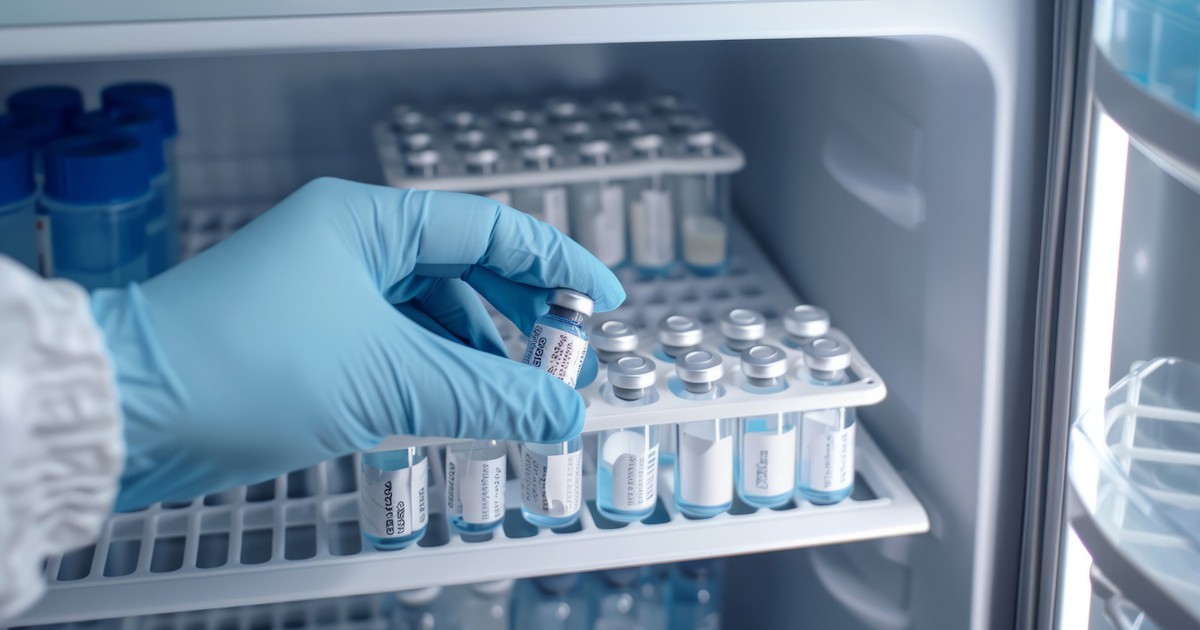
To understand how threat actors gained unauthorized entry into sensitive temperature-control environments, cybersecurity experts have pointed to widespread architectural flaws in industrial refrigeration controllers. According to Fredrik Blix, a cybersecurity expert at Stockholm University in Sweden, the core of the problem lies in the remote management capabilities of modern commercial cooling systems.
Refrigeration controllers manufactured by prominent brands—such as Copeland XWEB, Danfoss AK-SC, Danfoss AK-SM, and Dixell XWEB—are frequently connected to the internet to allow technicians and facility managers to monitor and adjust temperatures remotely. However, when these devices are deployed without adequate security configurations, default passwords, or updated firmware, they become dangerously exposed.
In October 2026, France’s Computer Emergency Response Team (CERT-FR) issued an urgent public warning after documenting a surge in unauthorized intrusions targeting these specific refrigeration controller models. CERT-FR investigators revealed that many facility managers rely on legacy firmware that has long since passed its commercial support lifecycle. When manufacturers release software patches to fix newly discovered vulnerabilities, those patches are frequently left uninstalled. The reasons vary from prohibitive upgrade costs and legacy hardware incompatibility to ambiguous lines of responsibility among local store operators, original equipment manufacturers (OEMs), and third-party maintenance contractors.
Penetration tester Laurens Singier noted that a primary driver of these breaches is the direct exposure of device management interfaces to the public internet. Furthermore, the advent of artificial intelligence tools has dramatically lowered the technical barrier to entry. Threat actors with minimal sophisticated hacking skills can now leverage AI-driven scanning and exploitation tools to rapidly identify exposed industrial control systems, test default credentials, and execute automated commands against vulnerable networks.
The Broader Threat Landscape: ENISA’s 2026 Cybersecurity Assessment
The alarming events of November 2026 did not occur in a vacuum. In its comprehensive annual report, "The New Cybersecurity Threat Landscape" published in 2026, the European Union Agency for Cybersecurity (ENISA) warned that society’s growing dependence on outsourced digital services and interconnected infrastructures has exponentially expanded the attack surface for malicious actors.
ENISA specifically highlighted that modern cybercriminals are no longer content with traditional corporate ransomware campaigns that merely encrypt office computers. Instead, threat actors are increasingly targeting third-party vendors, suppliers, and infrastructure partners within complex supply chains, using them as stepping stones to paralyze essential public and private organizations.
When applied to operational technology and physical facility management, the consequences of a cyberattack transcend balance sheets and economic loss. Fredrik Blix warned that if refrigeration systems governing ventilation, pharmaceuticals, and senior care facilities are successfully compromised, the human cost could be devastating. Vaccines, insulin, blood plasma, and perishable medications rely entirely on strict cold-chain maintenance to preserve their chemical stability and therapeutic efficacy. If a remote attacker successfully raises the ambient temperature of a regional vaccine repository or a hospital pharmacy cold room, thousands of doses could spoil unnoticed, posing an immediate threat to patient health long before physical symptoms of the cyber intrusion are detected.
Policy and Regulatory Responses: The EU Cyber Resilience Act
Recognizing the gravity of these emerging threats, regulatory bodies at the European Union level are accelerating the implementation of rigorous legislative frameworks. Central to this defense strategy is the EU Cyber Resilience Act (CRA), a landmark piece of legislation designed to mandate security standards across all digital products and connected devices sold within the single market.
Under the phased rollout of the CRA, regulatory obligations began tightening on September 11, 2026, requiring hardware and software manufacturers to formally report severe security incidents and actively exploited vulnerabilities to authorities. As the regulation moves toward full enforcement on December 11, 2027, compliance will become mandatory, compelling manufacturers to bake "security-by-design" principles into their products from the initial conceptualization phase through the entire product lifecycle.
Furthermore, the legislation will hold manufacturers legally accountable for providing continuous cybersecurity support, updates, and timely patches, effectively closing the loophole that has historically left legacy industrial hardware vulnerable to exploitation years after initial deployment.
Mitigation and Recommendations for Critical Facilities
In the wake of the French and Belgian supermarket and blood bank incidents, national CERTs and cybersecurity agencies across Europe have issued rigorous containment guidelines for operators of critical infrastructure:
- Disconnect Direct Public Access: Management interfaces for industrial control systems and refrigeration units must never be exposed directly to the public internet.
- Utilize Secure Tunnels: If remote management is strictly required, administrative access must be channeled exclusively through secure Virtual Private Networks (VPNs) or heavily firewalled, segmented networks equipped with multi-factor authentication.
- Eliminate Default Credentials: Organizations must immediately audit all operational technology assets to change default factory passwords, update obsolete firmware, and remove hardcoded developer accounts.
- Implement Continuous Monitoring: Facilities handling temperature-sensitive goods—such as hospitals, blood banks, pharmaceutical warehouses, and major food distribution hubs—must deploy independent anomaly detection systems that operate separately from primary automation networks to flag environmental shifts instantly.
- Lifecycle Management: Asset owners must establish mandatory replacement schedules for outdated hardware, as factory resets and software patches cannot permanently secure devices whose underlying architecture lacks modern cryptographic defenses.
Conclusion
The cyberattacks of late 2026 serve as a stark warning to governments, industries, and civil society. The invisible boundary separating digital networks from the physical world has dissolved, turning everyday appliances, commercial refrigeration units, and environmental controllers into potential weapons. As threat actors evolve their tactics, leveraging automated tools and artificial intelligence to probe critical infrastructure, the defense of society’s most vital resources—from fresh food supply chains to life-saving medical inventories—will depend entirely on proactive cybersecurity governance, rigorous regulatory enforcement, and an unyielding commitment to securing the foundational architecture of the modern connected world.
Related posts: