Quy hoạch hạ tầng thông tin và truyền thông sẽ thúc đẩy chuyển đổi số quốc gia và phát triển kinh tế số

Vietnam has officially unveiled its comprehensive master plan for Information and Communications Technology (ICT) infrastructure, a landmark policy initiative that marks the first time the nation has established a synchronized roadmap for this critical sector. As the country pivots toward a digital-first economy, this strategic blueprint aims to integrate disparate components—ranging from telecommunications to postal logistics—into a unified, efficient framework that will serve as the backbone for national socioeconomic development through 2030, with a vision extending to 2050.
A New Era for Digital Connectivity and Logistics
The master plan represents a fundamental shift in how Vietnam manages its digital and physical infrastructure. Historically, sectors such as postal services and telecommunications operated in silos, often pursuing independent growth strategies that lacked cross-sectoral coordination. By bringing these elements under a single, cohesive policy umbrella, the government intends to optimize resource allocation, enhance service delivery, and foster a more competitive environment for domestic businesses.
Central to this transformation is the evolution of the postal sector. Once viewed primarily as a medium for traditional correspondence, the postal network is now being repositioned as an essential pillar of e-commerce and logistics. This integration is vital for the growth of the digital economy, as it facilitates the seamless movement of physical goods alongside the digital flow of data.
Historical Context and the Need for Transformation
For decades, Vietnam’s postal infrastructure relied on a vast network of service points—exceeding 21,600 locations by the end of 2020—to reach remote and rural populations. While this density was an achievement in terms of social coverage, it struggled to adapt to the rapid emergence of the digital commerce landscape. Private courier companies often built proprietary, fragmented logistics networks that served their own business models but failed to achieve the national-scale efficiency required to lower logistics costs for the broader economy.
The lack of systemic connection between public postal services and the wider logistics ecosystem resulted in inefficiencies. Many companies relied on outsourced international logistics providers, lacking a structured, unified national strategy to harmonize operations. The new master plan seeks to resolve these historical constraints by ensuring that the postal sector acts as a "digital artery," supporting the flow of goods with the same speed and reliability that fiber-optic networks support the flow of information.
Strategic Objectives and Key Targets
The government’s plan sets out ambitious, quantifiable targets for the period leading up to 2025 and 2030. These objectives are designed to transform the quality and accessibility of services for all citizens.
By 2025, the national postal capacity is expected to reach a processing volume of 93,000 tons of mail per day. To achieve this, the plan mandates significant improvements in delivery timelines:
- Inter-provincial and international delivery segments between processing hubs are targeted to reach destinations within a maximum of five days.
- Intra-regional deliveries are expected to be completed within two days.
To support this, the plan outlines the construction of 3 to 5 regional postal hubs across the country, each with an average processing capacity of over 11,000 tons of mail per day, covering a radius of approximately 350 kilometers. Furthermore, the plan calls for the establishment of 14 regional centers with a capacity exceeding 4,500 tons per day, covering 115-kilometer service radii.
The Role of Technology and Innovation
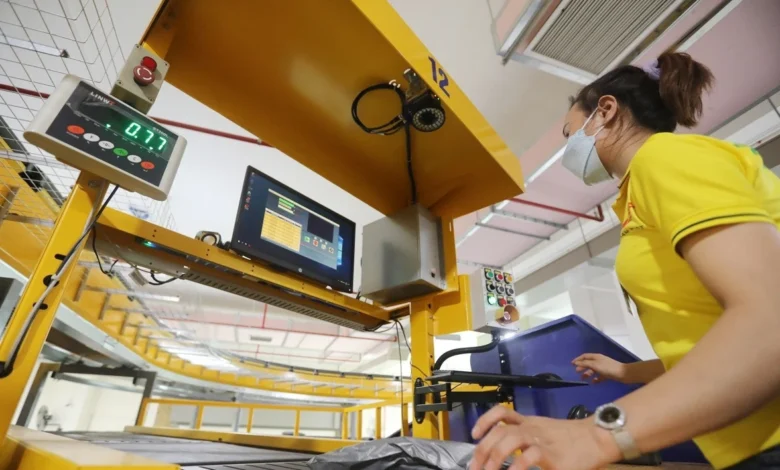
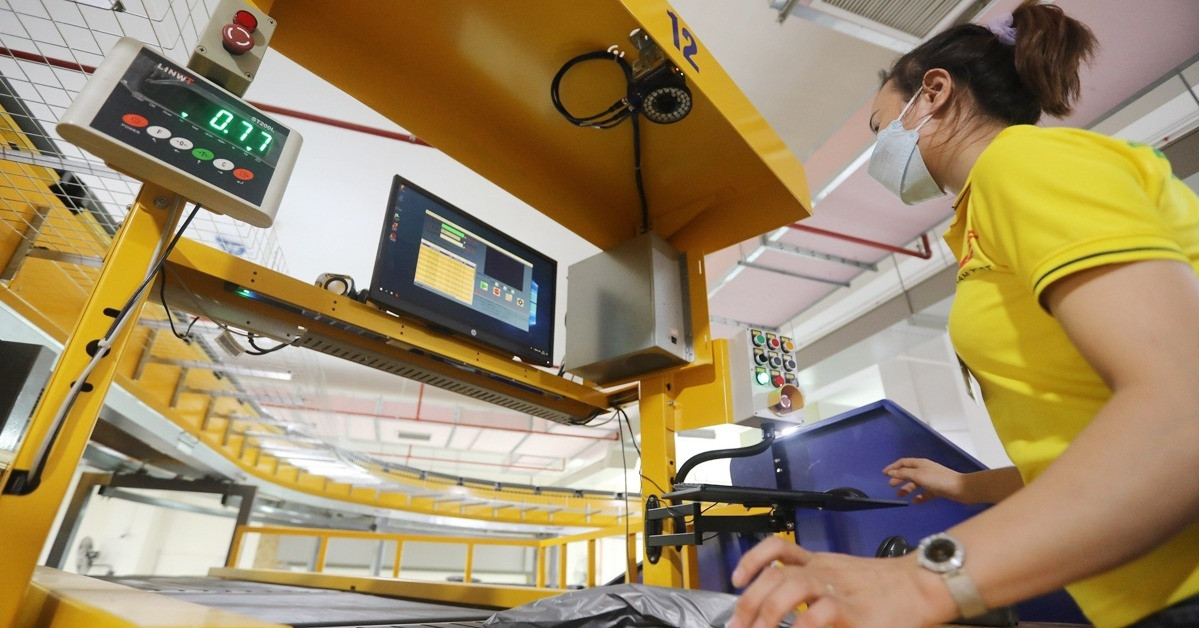
A recurring theme in the master plan is the application of advanced technology to drive efficiency. The Ministry of Information and Communications has emphasized the necessity of incorporating Internet of Things (IoT) sensors, automated sorting systems, and advanced data analytics into the postal network.
These technologies are intended to enable real-time tracking, optimize routing, and automate complex logistics tasks that were previously manual and prone to human error. By shifting from a labor-intensive model to a technology-driven one, Vietnam aims to reduce the logistics costs that currently burden the national economy. Estimates suggest that logistics costs in Vietnam remain high compared to regional peers, and this plan serves as a direct policy intervention to reduce those costs by improving the efficiency of the national postal infrastructure.
Official Stance and Stakeholder Engagement
During the official announcement of the master plan on February 23, Deputy Minister of Information and Communications Phan Tam issued a clear directive to major players in the sector, including Vietnam Post and Viettel Post. He emphasized that the state expects these enterprises to focus their resources on developing robust, high-tech, and well-connected infrastructure.

"The development of the postal network is no longer just about delivering letters; it is about providing the physical infrastructure necessary for a digital nation," officials noted during the consultation phase. The process of drafting this plan involved intensive collaboration with the Central Post Bureau and private sector stakeholders to ensure that the targets are not only ambitious but also technically and commercially feasible.
Industry leaders have expressed optimism regarding this top-down guidance. Representatives from Vietnam Post have highlighted that the master plan provides a clear roadmap for modernization. By aligning with national objectives, these enterprises gain the regulatory certainty required to invest in long-term infrastructure, such as modern sorting hubs and digitized service interfaces.
Socioeconomic Implications: A Foundation for the Future
The broader implication of this master plan is its role in "democratizing" digital access. By ensuring that postal infrastructure is modernized nationwide, the government is effectively bridging the gap between urban centers and rural provinces. Every citizen, regardless of geography, is intended to have access to reliable, high-quality, and affordably priced postal and logistics services.
This, in turn, supports the "Make in Vietnam" initiative, which encourages the creation of digital products and services within the country. As the physical and digital infrastructures converge, local e-commerce businesses will find it easier to reach domestic and international markets. The reduction in friction—both in digital payments and physical delivery—is expected to accelerate the growth of the digital economy, which is a key pillar of Vietnam’s national development strategy.

Addressing Future Challenges
While the roadmap is comprehensive, analysts note that the success of the master plan will depend on consistent implementation and the ability of the sector to adapt to rapid technological disruptions. The integration of public and private interests will be a critical success factor. The plan must balance the need for national standard-setting with the necessity of maintaining a competitive, innovation-friendly environment for private courier firms.
Furthermore, the emphasis on sustainability and resilience is notable. By planning for "total supply chain" connectivity, the government is building in redundancy, ensuring that the country’s logistical backbone remains operational even in times of crisis.
In conclusion, the master plan for the Information and Communications infrastructure is more than just a regulatory document; it is a vision for Vietnam’s future as a high-tech, connected, and efficient economy. By recognizing the postal and logistics network as a critical, essential, and modern utility, the government is laying the groundwork for a digital era that promises to enhance the competitiveness of the nation and the quality of life for its citizens. As these targets are realized over the next decade, the structure of Vietnam’s economy will likely undergo a profound, positive transformation, driven by the invisible yet essential flows of data and goods that this plan now governs.
Related posts: