Severe Coastal Erosion in Thuan An Ward Threatens Homes and Infrastructure Amid Rising Tides and High Waves

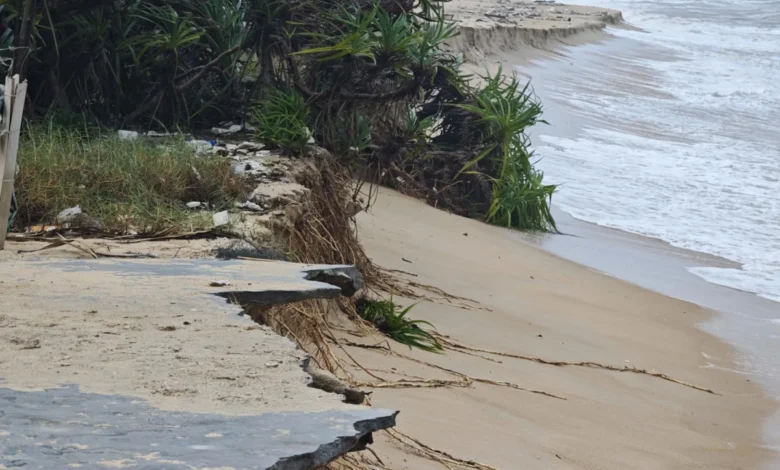
The coastal community of Thuan An Ward in Hue City is facing an escalating environmental crisis as aggressive tidal surges and powerful waves eat away at the shoreline, forcing local authorities to urgently draft emergency relocation plans. The unfolding disaster, driven by a combination of cold air masses and adverse weather conditions, has created towering sand cliffs and compromised residential infrastructure along the seaboard, leaving dozens of households in precarious conditions.
Severe Tidal Surges and Unprecedented Coastal Scouring
During the second week of November, particularly on November 8 and 9, the coastal stretch of Thuan An Ward experienced intense marine turbulence. Fueled by seasonal meteorological shifts and a strong cold front sweeping down the region, high tides surged between 1.5 to 2 meters above normal levels. These powerful swells crashed relentlessly against the coastline, causing massive structural damage to local earthen barriers, coastal pathways, and protective vegetation.
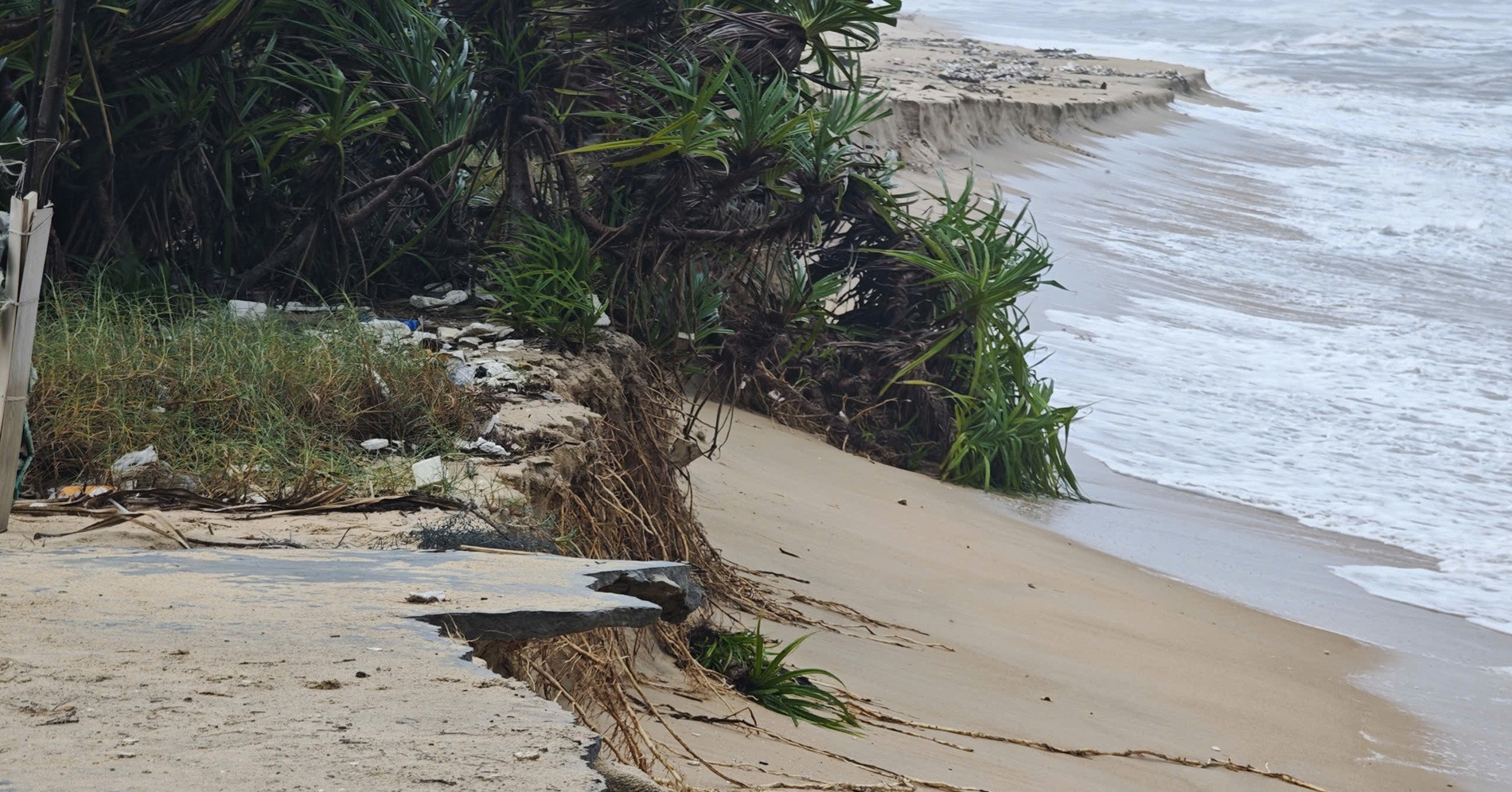
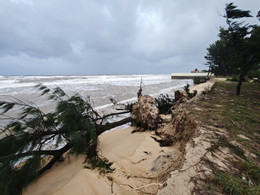
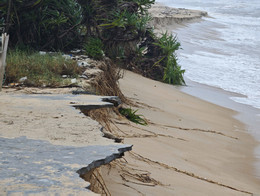
The hardest-hit area is the An Hai residential quarter, where the fury of the ocean is most acutely visible. Waves have carved violently into the mainland, biting more than 20 meters deep over a continuous 100-meter stretch of the coastline. The relentless hydraulic action has sliced through the earth, creating sheer vertical sand walls that stand several meters high. Major coastal infrastructure, including pedestrian and vehicular access routes connecting the residential quarters to the open beach, has suffered catastrophic collapse. Sections of asphalt roadways have completely peeled away, leaving gaping chasms, undermined foundations, and hanging utility infrastructure.
Compounding the ecological and structural loss, mature casuarina (phiza) trees—which have long served as a vital green buffer protecting the coastline from wind and salt spray—have been uprooted. Their heavy root systems exposed, these large trees now lean precariously over the surging waters, stripped of the sediment that anchored them for decades. Behind this collapsing frontline of earth and vegetation lie the homes and properties of local residents, placing families directly in the path of the encroaching sea.
Immediate Local Government Response and Evacuation Preparations
Faced with rapidly deteriorating conditions, the People’s Committee of Thuan An Ward has mobilized emergency response protocols. Mr. Le Dinh Phong, Chairman of the Thuan An Ward People’s Committee, has been at the forefront of local damage assessments, coordinating closely with municipal disaster management teams.
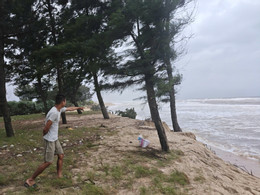
According to local authorities, the persistent heavy rainfall, high winds, and elevated sea levels continue to complicate inspection and recovery efforts. Emergency teams attempting to approach the shoreline face significant safety hazards due to the unstable nature of the newly formed sand cliffs, which remain prone to secondary collapses.
In response to the immediate danger, the ward administration has initiated a comprehensive survey of all households residing in the immediate vicinity of the erosion zone. The objective is to establish an actionable, time-sensitive evacuation blueprint that can be deployed instantly should the coastline suffer further catastrophic breaches. Local officials are prioritizing the safety of human lives and property above all else, preparing temporary shelters and logistical support for families designated for emergency removal.
Furthermore, the local administration is actively compiling detailed damage reports and photographic evidence to submit to the People’s Committee of Hue City. This formal communication seeks higher-level administrative guidance, financial support, and specialized engineering intervention to implement both short-term stabilization measures and long-term coastal defense strategies.
Broader Meteorological Context and Regional Impacts
The severe weather plaguing Thuan An Ward is part of a larger, destructive meteorological pattern affecting central and coastal provinces across Vietnam during early November. Driven by vigorous cold air outbreaks interacting with warm moisture channels, multiple regions have recorded torrential rainfall and dangerous maritime conditions.
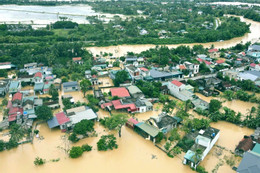
To the north, neighboring provinces such as Thanh Hoa have reported extraordinary rainfall accumulations reaching up to 449 millimeters within a short span, resulting in widespread inland flooding. Thousands of households in low-lying communes like Nong Cong have seen floodwaters rise to alarming levels, forcing emergency evacuations by boat. Simultaneously, vital regional transportation arteries, such as the Nghi Son – Bai Trach route in Thanh Hoa, have suffered structural failures, including the complete collapse of bridge sections like the Bai Sim bridge, severely fragmenting regional logistics and communication lines.
At the national level, the Vietnam Disaster and Dike Management Authority, operating under the Ministry of Agriculture and Rural Development, has issued urgent directives requiring local authorities across affected provinces to maintain high levels of operational readiness. Disaster response teams have been instructed to preposition rescue equipment, watercraft, and essential provisions to assist communities isolated by floods or threatened by landslides and coastal erosion.
Socio-Economic Implications and Long-Term Vulnerability
The crisis in Thuan An Ward underscores the escalating vulnerability of Vietnam’s extensive coastline to extreme weather events, which are widely attributed to broader shifts in global climatic patterns. Coastal communities, traditionally reliant on marine resources and tourism, find themselves on the front lines of environmental degradation.
The destruction of the natural protective barrier—the casuarina forest—along with the failure of local roadways and soil stabilization structures, highlights the limitations of traditional, reactive coastal management. Without substantial investments in resilient engineering solutions, such as reinforced sea walls, breakwaters, and planned retreat strategies, communities like An Hai face a perpetual cycle of destruction and displacement.
The economic fallout for affected families is substantial. Beyond the immediate risk of homelessness, residents face the potential loss of productive land, private property, and commercial infrastructure. The disruption of coastal roads also hampers daily commuting, local trade, and the psychological well-being of a population living under the constant threat of natural disaster.
Outlook and Future Mitigation Strategies
As adverse weather conditions persist along the central coastline, the immediate priority for Thuan An Ward remains life safety and continuous monitoring. Meteorological agencies forecast that cold air influences will continue to generate rough seas and unstable weather in the days ahead, necessitating heightened vigilance from both authorities and residents.
In the medium to long term, municipal authorities in Hue City will need to evaluate permanent engineering solutions to arrest the eastward advance of the sea. Integrating ecosystem-based adaptation—such as large-scale mangrove or coastal forest restoration—with hard infrastructure interventions will be critical to safeguarding Thuan An Ward. As climate volatility intensifies, the proactive management of coastal zones will serve as a vital blueprint for protecting vulnerable human settlements along Vietnam’s dynamic littoral landscapes.