Windrose Makes History in the Automotive Sector by Open-Sourcing Design Data for its E700 Electric Semi-Truck

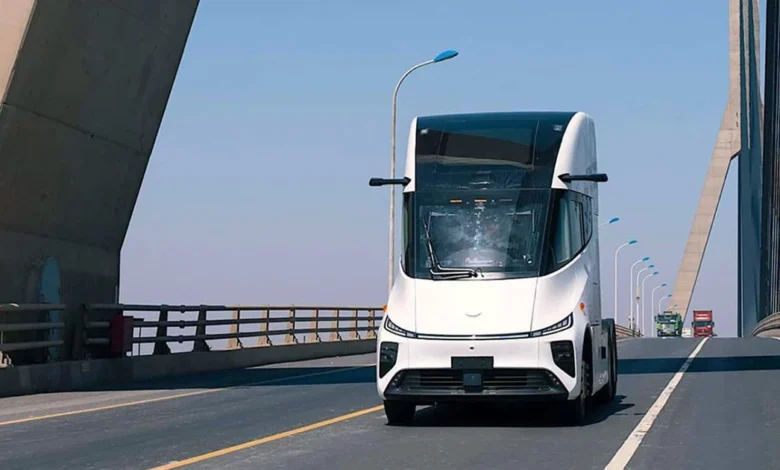
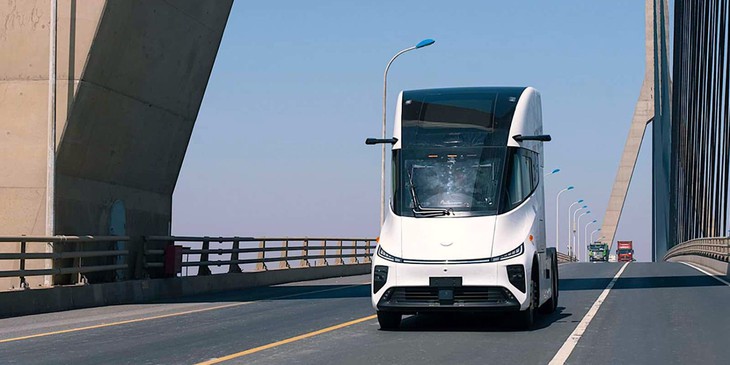
In a move that has sent shockwaves through the global automotive and heavy-duty transport industries, Windrose, an emerging manufacturer of electric heavy-duty vehicles, has taken the unprecedented step of releasing the full Computer-Aided Design (CAD) files for 1,023 components of its flagship E700 Class 8 electric semi-truck. This decision, which deviates sharply from the industry’s long-standing culture of intellectual property secrecy, marks a paradigm shift in how commercial vehicles may be manufactured, maintained, and sustained over their operational lifespans.
The data, provided free of charge through the "Windrose 3D Viewer" platform, offers an unprecedented level of transparency. Users—ranging from independent fleet operators and logistics managers to third-party repair shops—can now examine the granular structural details, dimensions, and technical engineering specifications of almost every major component of the X9D01 base version of the E700. By choosing to democratize this information, Windrose is effectively challenging the "walled garden" approach maintained by established automotive giants.
The Problem of Longevity and the "Right to Repair"
The catalyst for this radical transparency is a fundamental challenge facing the heavy-duty transport sector: the discrepancy between the lifespan of a truck and the lifespan of the manufacturer. A heavy-duty truck is typically designed to be operated for approximately 15 years. However, the electric vehicle (EV) market is currently populated by startups, many of which have been founded within the last five years.
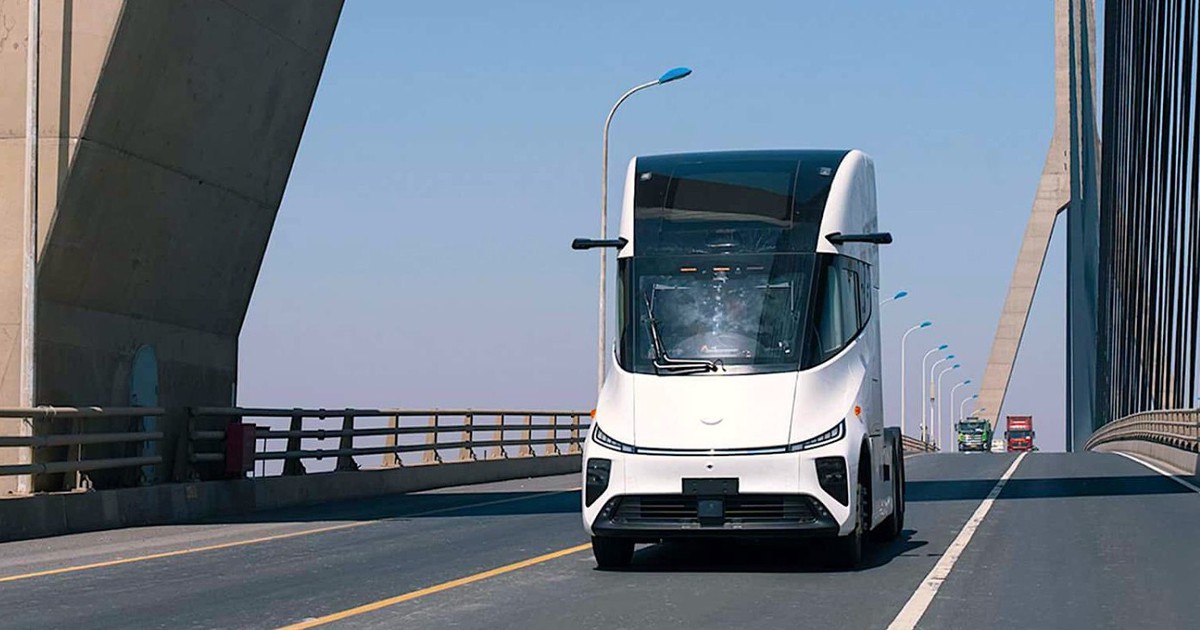
For potential customers, this creates a significant investment risk. If a manufacturer goes bankrupt or pivots its business model, fleet operators are left with high-tech machinery that cannot be serviced or repaired. Spare parts become unavailable, and the proprietary software required to calibrate the vehicle may become obsolete or inaccessible. This concern has previously acted as a major barrier to the adoption of electric semi-trucks by conservative logistics firms that prioritize reliability and uptime above all else.
By making the E700 design files public, Windrose is addressing the "orphan product" fear. The company is essentially stating that even in a worst-case scenario—where Windrose itself might cease operations—the owners of its vehicles will still possess the blueprints necessary to keep their fleets operational. This provides a level of insurance that no other manufacturer currently offers, potentially setting a new gold standard for the industry.
Chronology of a Disruption
The emergence of Windrose as a disruptor has been swift. Founded only four years ago, the company has had to navigate a market that has seen significant volatility. Major players such as Nikola, LION Electric, and Bollinger have all faced well-documented financial and production hurdles, leading to skepticism among investors and buyers regarding the long-term viability of new EV brands.
Windrose’s decision to open-source its designs is not merely a philanthropic act; it is a strategic maneuver to build trust. Throughout 2025 and 2026, the company engaged in internal debates regarding the protection of its intellectual property versus the need to accelerate market adoption. By the third quarter of 2026, the decision was finalized: the technical barrier to entry for maintenance would be lowered, effectively empowering the customer rather than the manufacturer.
Technical Depth of the Data Release
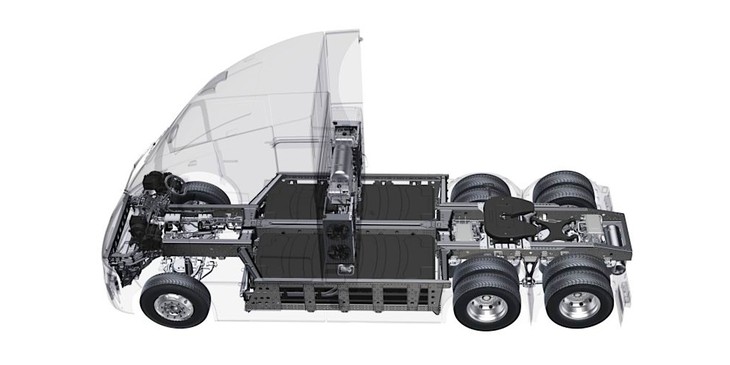
The data provided by Windrose is not a simplified marketing representation but a comprehensive engineering suite. The total data volume, approximately 3.54 GB, includes files in the native PRT format—the original, unedited design files. Unlike standard image files or simplified STEP files, these PRT files contain the entire history of the model’s construction.
This inclusion is critical. It allows engineers to understand not just what a part looks like, but why it was designed that way, including the geometric constraints and the relationships between various sub-assemblies. The package contains:
- 1,920 specific design relationships between components.
- Detailed schematics for 97 distinct assembly groups.
- Comprehensive bills of materials (BOM), including parts names and system dependencies.
- Precise quantities required per vehicle.
This level of detail enables independent machine shops to fabricate replacements for parts that may be discontinued years down the road. It essentially turns the vehicle into an "open platform," where the owner, not the manufacturer, holds the keys to the vehicle’s long-term utility.
Empowering the Independent Ecosystem
Under the terms of the release, vehicle owners and independent repair facilities are granted the right to use this data to maintain, repair, modify, or even re-manufacture parts without needing to request permission or pay royalties to Windrose. This is a massive departure from traditional automotive contracts, which often lock owners into proprietary dealership networks and expensive, manufacturer-controlled parts.
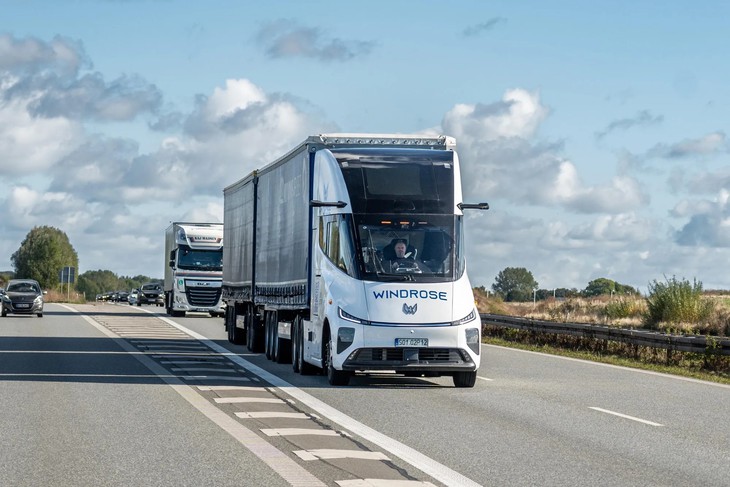
However, Windrose has been careful to set boundaries. While the data is free for maintenance and repair, the right to manufacture a complete vehicle from these designs is not included. Any entity wishing to use the E700 designs to launch a competing product or produce new vehicles would still be required to negotiate a separate licensing agreement with Windrose. This distinction protects the company’s core business model while providing the necessary assurance to fleet operators.
Market Implications and Future Outlook
The broader impact of this move is likely to be felt across the entire commercial vehicle supply chain. By lowering the total cost of ownership (TCO) through simplified, decentralized maintenance, Windrose may gain a competitive advantage in securing large-scale fleet contracts. Logistics companies are increasingly looking for ways to reduce downtime, and the ability to source or manufacture parts locally—without waiting for a shipment from a central manufacturer—is a compelling value proposition.
Furthermore, this move invites a new level of scrutiny. By exposing its design to the world, Windrose is signaling supreme confidence in its engineering. Any flaws in the design would theoretically be discovered and discussed by the global engineering community, forcing a high level of accountability and rapid iteration.
Analysts suggest that if the Windrose experiment proves successful—resulting in increased sales and customer retention—other manufacturers may be forced to follow suit, at least partially. The "Right to Repair" movement, which has gained significant traction in the consumer electronics and agricultural sectors, is now clearly making its mark on the heavy-duty electric vehicle market.
As CEO Wen Han noted in a recent communication, "Our trucks must have the ability to survive longer than the support capabilities of our own company." This philosophy shifts the relationship between the buyer and the seller from one of dependency to one of partnership.
While the ability to access these designs does not solve every problem—specialized manufacturing equipment, specific material grades, and rigorous quality control processes remain hurdles—it provides a crucial foundation. Even if a specific component is difficult to replicate, having the exact specifications allows for accurate reverse engineering, which is a significantly cheaper and faster process than starting from scratch.
Ultimately, Windrose’s initiative is a bold bet on transparency as a product feature. In an era where trust in new technology companies is at a premium, this open-source approach might just be the differentiator that secures the company’s place in the competitive landscape of the 2030s. Whether this leads to a universal industry shift or remains a unique selling point for Windrose, the precedent has been set: the future of heavy-duty transport may be as much about the openness of the design as it is about the power of the electric motor.