Today’s Weather Forecast: Heavy Rain in the North, Hot and Humid in the Center, and Showers in the South

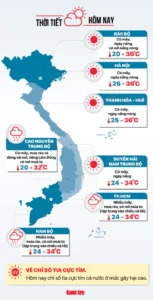
The weather across Vietnam on July 20th presents a stark contrast, with the northern regions experiencing heavy downpours, the central provinces enduring intense heat, and the southern areas bracing for widespread showers and thunderstorms. This diverse weather pattern underscores the dynamic atmospheric conditions affecting the country this summer.
Northern Vietnam Grapples with Torrential Rainfall
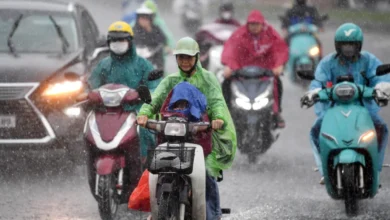
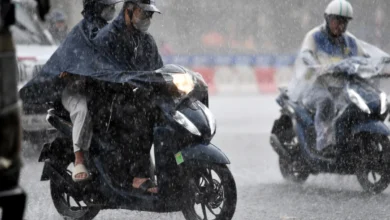
The National Center for Hydro-Meteorological Forecasting has issued alerts for significant rainfall in the northern provinces. Thanh Hoa province, in particular, is expected to receive moderate to heavy rain, with some areas potentially experiencing torrential downpours. The mountainous and midland regions of Quang Ninh are forecast to see substantial precipitation, with rainfall amounts ranging from 40-80mm, and isolated areas exceeding 200mm. A flash flood warning is in effect for areas receiving over 100mm of rain within a three-hour period, highlighting the risk of localized flooding and landslides.
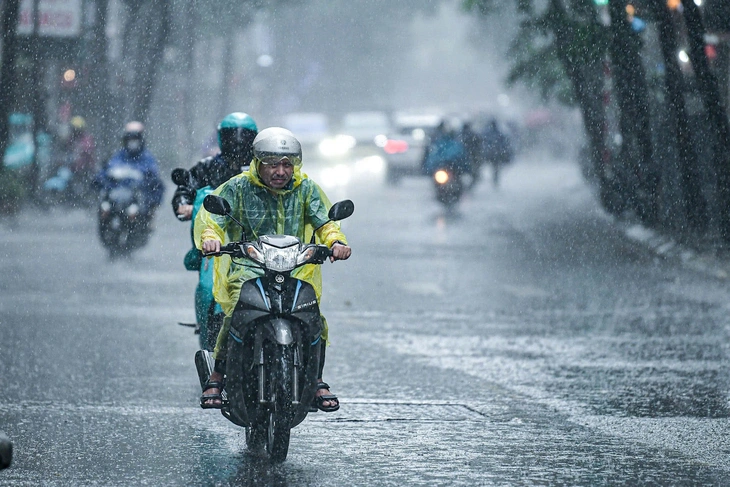
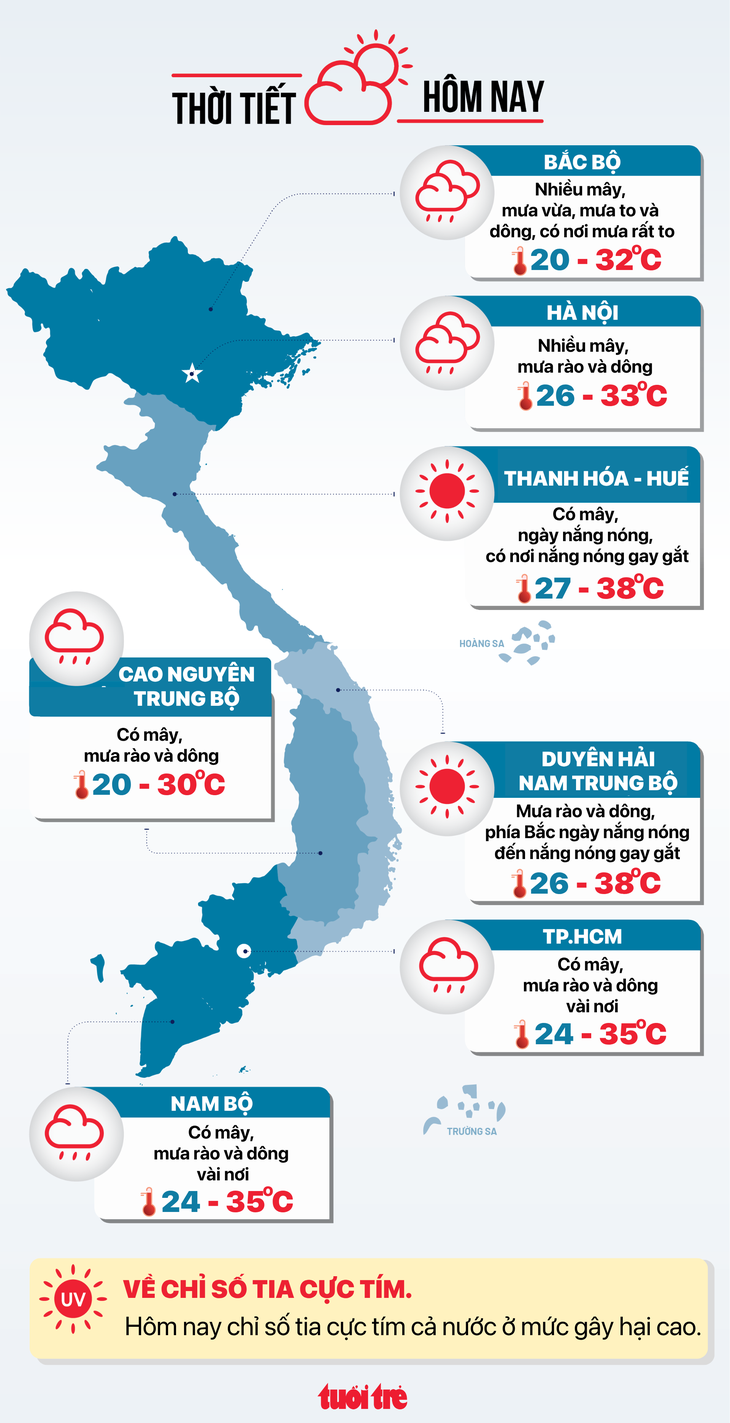
The meteorological agency’s detailed forecast for the North indicates widespread cloud cover and persistent rain across Hanoi, with temperatures ranging from a low of 26-28°C to a high of 31-33°C. Tay Bac (Northwest) regions will also experience considerable cloudiness and widespread showers, with temperatures between 20-26°C and a high of 29-32°C. Dong Bac (Northeast) regions, including the tourist hotspot of Quang Ninh, are set for similar conditions with heavy rain, especially in its northern and central areas. Temperatures here will be cooler, ranging from 24-28°C, with a high of 28-31°C.
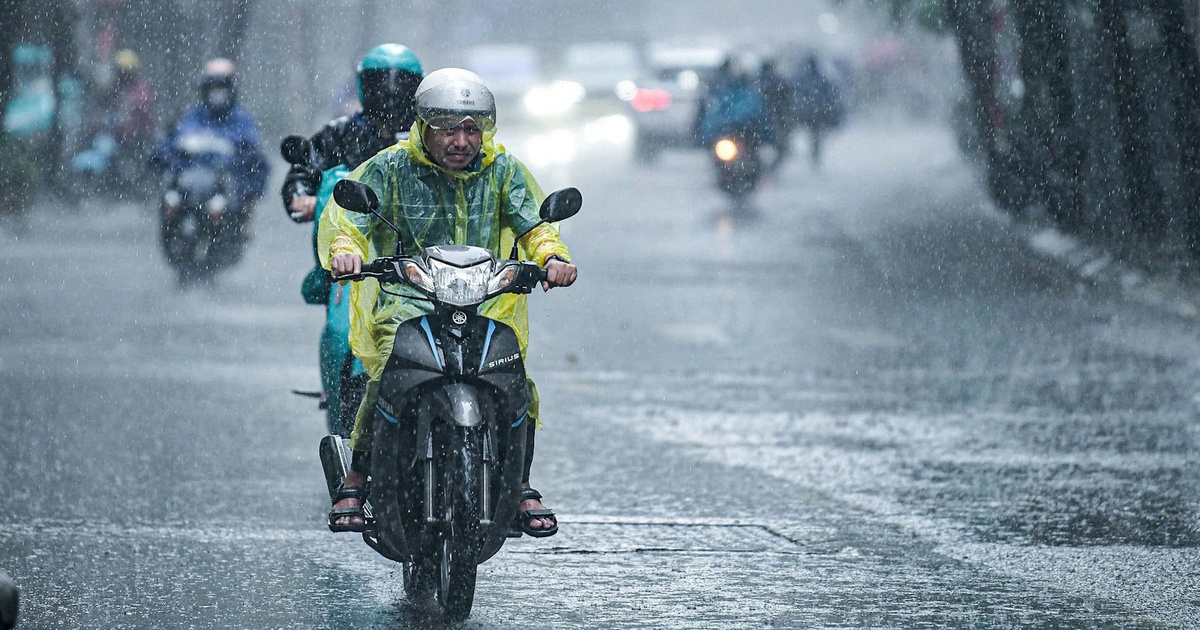
The persistent heavy rainfall in the North is attributed to a monsoon trough and potentially an active low-pressure system interacting with warm, moist air from the East Sea. This confluence of factors typically leads to prolonged periods of rain, often resulting in saturated ground conditions and an elevated risk of hydrological hazards. Historical data from previous monsoon seasons shows that such rainfall events can cause significant disruptions to transportation, agriculture, and daily life in the affected areas.
Central Vietnam Endures Oppressive Heat
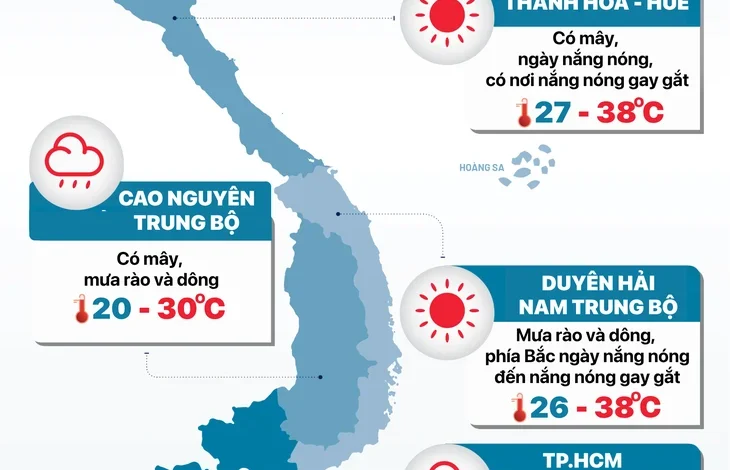
In contrast to the North, Central Vietnam is set to experience a sweltering day. Nghe An province and extending south to the Central Highlands provinces of Gia Lai and Dak Lak, are forecast to face intense heat, with the possibility of extremely hot conditions in some localities. Temperatures are expected to reach highs of 34-38°C, with the low-lying areas of Thanh Hoa and Hue also anticipating similarly oppressive heat, with daily highs potentially reaching 34-38°C.
The heatwave in the Central region is a common occurrence during the summer months, driven by the southwest monsoon drawing hot and dry air from Laos. This hot air mass interacts with the prevailing humid conditions, leading to a significant increase in ambient temperatures and high humidity levels, creating a "feels like" temperature that can be considerably higher than the actual air temperature. The prolonged exposure to such high temperatures can pose health risks, including heatstroke and dehydration, particularly for vulnerable populations such as the elderly and young children. Agricultural impacts can also be severe, with increased irrigation needs and potential crop damage if heat stress is prolonged.
The coastal provinces of the South Central Coast, from Da Nang down to Binh Thuan, will also experience hot weather, with temperatures ranging from 35-38°C. However, pockets of moderate heat are also expected in the Central Highlands, with daily highs reaching 27-30°C.
Southern Vietnam Faces Widespread Showers and Thunderstorms
The southern part of the country is expected to see a return of scattered showers and thunderstorms, particularly in the afternoon. These rainfall events are characteristic of the summer monsoon season in the South, which is currently active. The showers are likely to be accompanied by gusty winds, and in some instances, localized heavy rain, potentially leading to flash floods in low-lying areas and urban centers.
The forecast for Ho Chi Minh City indicates cloudy skies and scattered showers, with temperatures ranging from 24-26°C, reaching a high of 33-35°C. This pattern of afternoon showers is typical as convective activity builds up due to daytime heating. The presence of a trough extending across the southern region further enhances the likelihood of these rainfall events. Residents are advised to stay updated on weather alerts, especially during the afternoon hours when the risk of thunderstorms is highest.
The broader implications of this varied weather pattern are significant. For the North, the heavy rainfall necessitates preparedness for potential flooding and landslides, requiring coordinated efforts from local authorities to manage risks and ensure public safety. In the Central region, the intense heat calls for public health advisories and measures to conserve water and energy. For the South, while the showers are beneficial for agriculture and replenishing water resources, the possibility of localized flooding needs to be managed proactively.
Broader Meteorological Context
The current weather situation in Vietnam is influenced by a complex interplay of regional and global atmospheric phenomena. The monsoon trough across the North is a hallmark of the summer monsoon season, drawing moisture-laden air from the sea and creating conditions conducive to prolonged rainfall. The heat in the Central region is a direct result of the southwest monsoon’s influence, a pattern that often intensifies during the peak summer months. In the South, the convergence of moisture and instability fuels the convective activity that leads to afternoon thunderstorms.
The intensity of the monsoon this year, as indicated by the heavy rainfall in the North, could have implications for the overall water balance across the country. While rainfall is essential for agriculture and hydropower, excessive amounts can lead to detrimental flooding. Conversely, the sustained high temperatures in the Center can strain water resources and impact crop yields.
Meteorological agencies continue to monitor these developments closely, providing updated forecasts and warnings to help mitigate the impacts of these diverse weather conditions. The public is urged to remain vigilant and follow official guidance to ensure their safety and well-being. The forecast for the coming days will likely see these patterns persist, with adjustments expected as the monsoon system evolves.