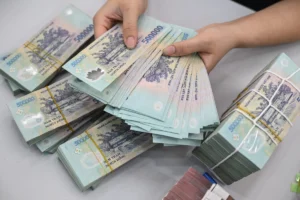
The domestic gold market in Vietnam experienced a volatile session on November 9, 2026, as investors navigated shifting sentiments driven by conflicting domestic supply-demand dynamics and significant movements in international precious metal benchmarks. By the close of the trading day, SJC-branded gold bars were listed at 138.2 million VND per tael for purchase and 141.2 million VND per tael for sale, reflecting a modest daily gain of 200,000 VND per tael. However, the intra-day trading showed considerable swings, as prices initially opened higher, retracted during the midday slump, and struggled to maintain momentum against a backdrop of global uncertainty.
Chronology of Trading Activity on November 9, 2026
The day began with a wave of optimism as gold opened significantly higher than the previous week’s closing price. At 8:31 AM, SJC gold bars were quoted at 139 million VND for purchase and 142 million VND for sale, representing an increase of 1 million VND compared to the previous closing. Similarly, gold rings from major brands such as Bao Tin Minh Chau and Bao Tin Manh Hai also recorded substantial gains of 1 million VND per tael in the early hours.
However, this upward momentum was short-lived. By 11:00 AM, the market witnessed a sharp reversal. SJC gold bars dropped by 300,000 VND, slipping to 138.7 million VND (buy) and 141.7 million VND (sell). The downward pressure persisted throughout the early afternoon, with prices shedding an additional 500,000 VND by 2:22 PM. This brought the price to 138.2 million VND for purchase and 141.2 million VND for sale. By the end of the day, the market had stabilized slightly, closing at these levels, marking a net gain of 200,000 VND compared to the previous week’s close.
The gold ring segment followed a similar, albeit slightly more pronounced, trajectory. Following the morning highs, these products saw adjustments that brought them back into alignment with the broader market cooling observed in the late afternoon.
Global Market Dynamics and International Price Movements
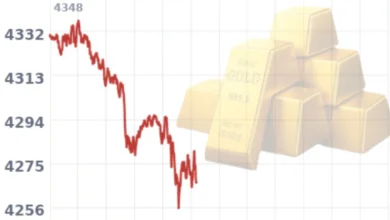
The domestic volatility was heavily influenced by international price action, which saw gold prices on the global market, particularly on the Kitco exchange, undergo significant fluctuations. Early on November 9, global gold prices were hovering around the 4,070 USD/ounce mark. Throughout the day, the price surged, reaching a high of approximately 4,135 USD/ounce before pulling back slightly. By late evening, the price hovered near 4,120 USD/ounce, a notable increase of roughly 50 USD compared to the previous session.
The recovery of global gold prices followed a period of intense pressure earlier in the week. According to market analysts, including Marc Chandler, Managing Director of Bannockburn Global Forex, the metal has successfully reasserted its role as a "safe-haven" asset. This sentiment was galvanized by a sharp decline in U.S. equities observed on November 5, which triggered a flight to safety. However, the momentum was periodically checked by robust U.S. labor market data and a recovery in oil prices, both of which typically weigh on non-yielding assets like gold.
Market Analysis: Factors Influencing Investor Sentiment
The current gold market environment is characterized by a "wait-and-see" approach among institutional investors, while retail investors remain largely bullish. Several key factors are currently dictating price movements:
- U.S. Economic Indicators: Market participants are closely monitoring upcoming U.S. economic releases. Specifically, the Consumer Price Index (CPI) for October, due on November 10, and the Producer Price Index (PPI), expected on November 13, are critical. These reports are likely to provide clarity on inflation trends, which directly impact the U.S. Federal Reserve’s interest rate policy.
- Interest Rate Expectations: The Federal Reserve’s stance on interest rates remains the primary driver of the U.S. Dollar index (DXY). Since gold is denominated in USD, a stronger dollar generally exerts downward pressure on gold prices. Any sign of a pivot or a more dovish stance from the Fed could catalyze further gains for gold.
- Safe-Haven Demand: With geopolitical tensions and market instability occasionally causing dips in equity markets, the demand for gold as a hedge against volatility remains high. Investors are currently debating whether the metal has found a "floor." Analysts note that if the price breaks decisively below the 3,975 USD/ounce level, it could trigger further technical selling toward support levels near 3,935 USD/ounce.
Comparative Data and Regional Disparities
The domestic market’s reliance on imported raw materials for gold rings and the controlled supply of SJC bars create distinct price dynamics. For instance, the spread between the buy and sell price for SJC gold bars remained consistently high at approximately 3 million VND per tael, suggesting a high level of caution among dealers and a mechanism to mitigate risks associated with sudden market shifts.
Conversely, the gold ring market, which is more sensitive to global price movements due to the nature of its production and sourcing, saw more frequent adjustments throughout the day. By the close of the session, gold rings were trading at approximately 137.4-141.4 million VND per tael, depending on the brand. This remains below the peak levels of the morning, highlighting the significant intraday range investors had to navigate.
Implications for Future Market Performance
Looking ahead, the market is bracing for a high-volatility period. The divergent views from experts in the Kitco News survey indicate a lack of consensus on the immediate direction of gold prices. While a portion of experts suggests a correction is overdue, many individual investors continue to pile into the market, banking on long-term growth driven by global economic uncertainties and the potential for a weakening dollar in the coming months.
The upcoming release of the U.S. unemployment claims and housing sales data on November 12 will provide further context for investors. These indicators, while secondary to CPI and PPI data, will help build a clearer picture of the health of the U.S. economy, which is the ultimate barometer for global gold demand.
Summary of Market Status
As of the close of business on November 9, 2026, the gold market stands at a critical juncture. The modest gain in domestic prices, despite the more aggressive rally in the international spot market, suggests that local demand has been somewhat tempered by the high price environment. While the overall trend for the week has been positive—with gold gaining nearly 5%—the intraday fluctuations reflect a market struggling to reconcile its safe-haven status with the realities of robust macroeconomic data from the United States.
For the average investor, the current climate necessitates a disciplined approach. The wide spread between buying and selling prices, particularly for SJC bars, serves as a barrier for short-term speculative trading. Those looking to enter the market are advised to monitor the upcoming U.S. inflation data, as these figures will likely dictate the next major move for gold, either confirming the current upward trend or initiating a period of consolidation.
The resilience of gold above the 4,100 USD/ounce mark in the global market is a positive sign for proponents of the metal, yet the volatility remains a stark reminder of the sensitivity of precious metals to the shifting tides of monetary policy and global economic stability. As the week progresses, stakeholders will be looking for sustained support levels to determine if the metal can maintain its position or if it will face further technical corrections in the near term.