U23 Vietnam vs U23 Thailand Kickoff at 19:00 on November 10 at Gia Lai VTV Cup 2026: A Crucial Test for Regional Supremacy and Future Squad Building

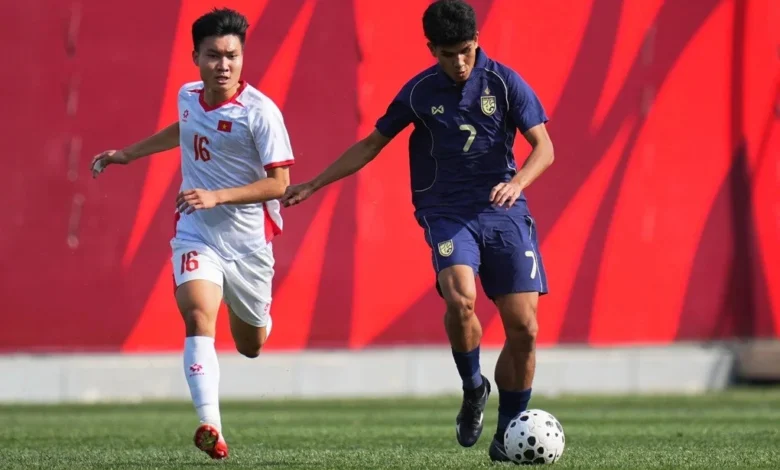
The historic rivalry between Vietnamese and Thai youth football is set to write a new chapter as U23 Vietnam prepares to host U23 Thailand at 19:00 on November 10, 2026, at the Pleiku Stadium in Gia Lai province. This high-profile international friendly match serves as a centerpiece of the Gia Lai VTV Cup 2026 tournament. Beyond the traditional pride and fierce competition that always accompanies encounters between these two Southeast Asian powerhouses, the fixture carries profound strategic importance. Both coaching staffs view the tournament as a vital laboratory for long-term squad reconstruction, targeting future continental qualifiers and major multi-sport games on the horizon.
Strategic Objectives and the Quest for Squad Renewal
Following the conclusion of the 20th Asian Games (ASIAD 20), both football federations initiated comprehensive youth transitions. For U23 Vietnam, the aftermath of ASIAD marked the official commencement of a structural overhaul aimed at identifying and nurturing the next generation of national team stalwarts. Head coach Dinh Hong Vinh has been tasked with steering this transition, utilizing the Gia Lai VTV Cup 2026 as a primary assessment tool to evaluate player pools, experiment with tactical frameworks, and install modern playing philosophies.
The 26-man roster summoned for this training camp represents a careful calibration between seasoned campaigners retained from the ASIAD squad and promising newcomers eager to stake their claim. Key figures such as Dinh Quang Kiet, Le Dinh Long Vu, Le Van Thuan, Nguyen Quoc Toan, and Williams Minh Hoang form the spine of this evolving team. The coaching staff is banking on these individuals to shoulder leadership responsibilities and anchor the tactical structure through upcoming international cycles.
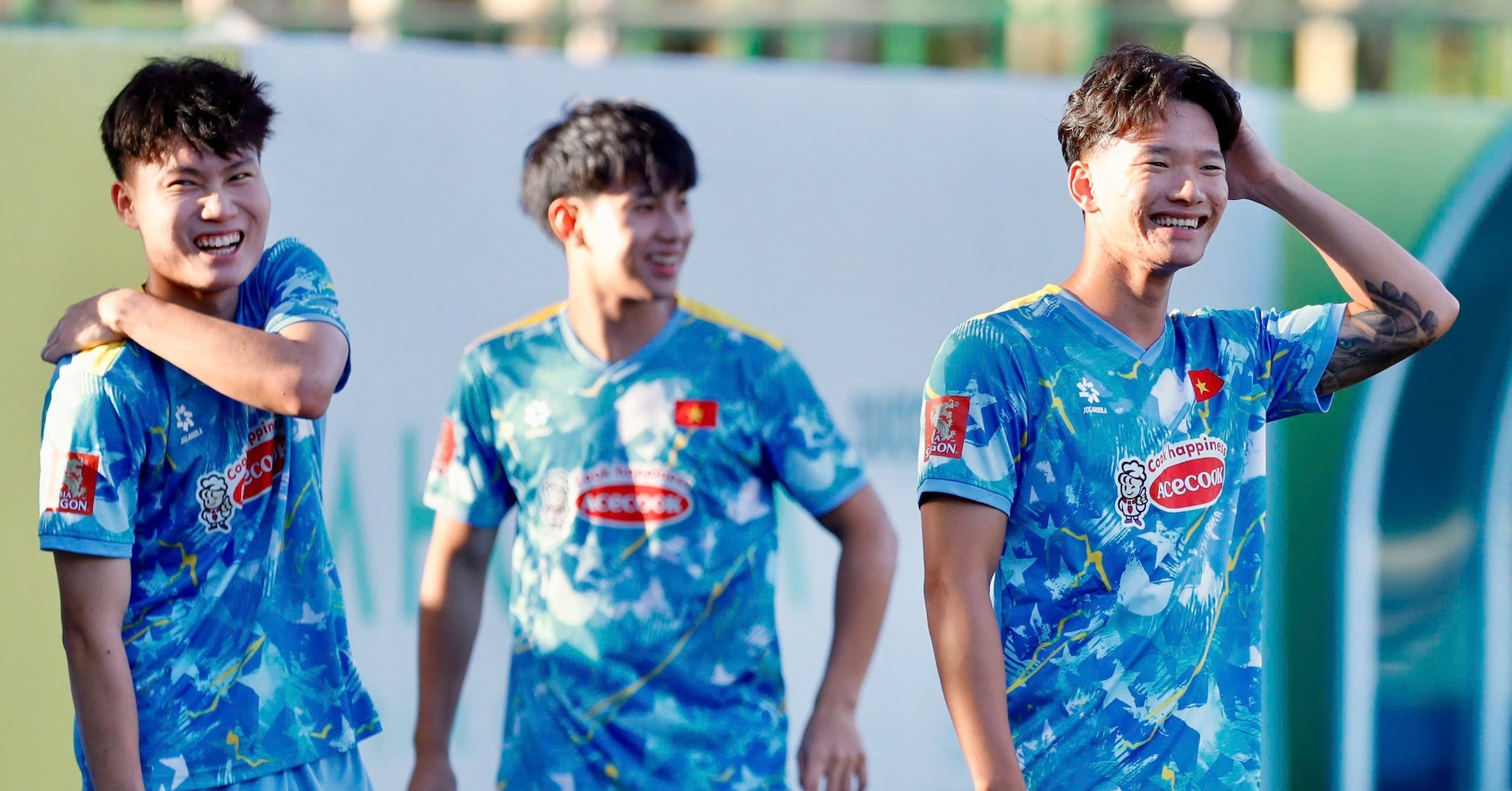
However, Coach Dinh Hong Vinh faces considerable logistical and tactical hurdles. The preparation window leading up to the tournament has been notably compressed. A significant portion of the player pool arrived in Gia Lai directly following the conclusion of demanding domestic club fixtures. Simultaneously, the coaching staff has been forced to make late adjustments and call up replacement players to cover unexpected injuries sustained in the buildup. These disruptions have inevitably complicated efforts to establish tactical cohesion and secure seamless vertical connectivity between defensive, midfield, and attacking lines.
In navigating the tactical challenge posed by U23 Thailand, Coach Vinh is widely expected to lean toward players who possess established familiarity with one another and proven international experience before introducing newer, untested elements into the fray. Controlling the central midfield, executing coordinated pressing schemes, and orchestrating rapid transitions from defense to attack will dictate Vietnam’s success. Maintaining defensive compactness and leveraging the blistering pace of wide players like Long Vu and Van Thuan during offensive build-ups remain central to the team’s tactical blueprint.
Pre-Match Perspectives: Balancing Results and Long-Term Vision
Addressing the media ahead of the opening fixture, Coach Dinh Hong Vinh emphasized that the primary metric of success for U23 Vietnam extends far beyond immediate tournament results. The overarching priority is the systematic development of a competitive squad capable of performing at peak levels during the 2027 AFC U23 Asian Cup qualifiers and the path toward future Olympic qualification cycles.
"While victories against traditional rivals like Thailand always hold immense psychological value for our fans and players, our mandate here is broader," Coach Vinh stated during the pre-match press conference. "We are evaluating character, tactical comprehension, and resilience under pressure. This is a development milestone disguised as a friendly tournament."
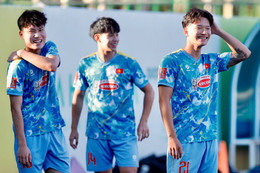
Despite the emphasis on experimentation, the players within the U23 Vietnam camp have maintained an uncompromising collective mindset. Training sessions at Pleiku Stadium have been characterized by high intensity and fierce internal competition, with the squad expressing absolute determination to secure all three points in front of the home supporters.
U23 Thailand Arrives with Proven Lethality
On the opposing side of the pitch, U23 Thailand has traveled to Gia Lai with a formidable, ambitious squad that similarly blends young prospects with players tested on the continental stage. Head Coach Thawatchai Damrong-Ongtrakul has designated the Gia Lai VTV Cup as a crucial stepping stone in preparing his players for the regional and international assignments awaiting Thai football over the next two years.
The most formidable elements of the visiting squad reside in an attacking department boasting players who played pivotal roles in Thailand’s dramatic 3-2 comeback victory over U23 Kyrgyzstan at the ASIAD 2026 tournament. Forward Paripan Wongsa, who netted a crucial brace during that comeback, alongside Jehhanafee Mamah, who opened the scoring to spark the turnaround, present a direct and immediate threat to Vietnam’s defensive stability. Furthermore, attacking contributor Worawut Noisri—who found the back of the net during Thailand’s commanding 5-1 rout of U23 Hong Kong (China) at the Asian Games—adds another layer of offensive versatility.
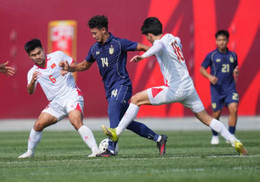
The presence of these dynamic attackers provides Coach Thawatchai with multiple tactical dimensions. The Thai side is expected to heavily emphasize vertical transitions, exploiting spatial vacuums behind advanced opposing fullbacks and punishing lapses in defensive concentration. Even though both teams enter the tournament with incomplete tactical integration due to limited preparation time, the historical intensity of the fixture guarantees a high-tempo, fiercely contested affair.
Historical Context and Tournament Background
The Gia Lai VTV Cup 2026 has emerged as one of the premier international youth football invitationals in the region, offering a high-level competitive environment outside of official AFF and AFC calendars. This year’s edition features a high-caliber round-robin format involving select regional and continental youth teams, including U23 Vietnam, U23 Thailand, U23 Qatar, and U23 Singapore.
Notably, the tournament unfolds against the backdrop of significant administrative developments for Southeast Asian football. At a recent meeting of the ASEAN Football Federation (AFF) Competitions Committee, Vietnam was officially entrusted with hosting duties for the prestigious AFF U23 Championship 2027. This vote of confidence from regional governing bodies underscores Vietnam’s growing infrastructure capabilities and organizational reliability, injecting additional motivation into the current youth setup as they prepare to form the core of the 2027 hosting squad.
Furthermore, tactical leadership transitions have added intrigue to the current setup. While senior national team boss Coach Kim Sang-sik oversees the senior tier, the youth division under Coach Dinh Hong Vinh operates with specific developmental autonomy, designed to feed talent seamlessly into the senior national team pipeline. Matches against high-level opponents like Qatar and Thailand serve as the ultimate proving ground for this talent pipeline.
Tactical Matchup and Probable Lineups
The tactical chess match between Coach Dinh Hong Vinh and Coach Thawatchai Damrong-Ongtrakul is expected to hinge upon midfield dominance and tactical discipline.
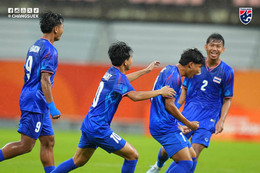
U23 Vietnam is projected to line up in their trademark 3-2-3-2 or 3-4-3 transitional formation, prioritizing defensive stability while utilizing wing-backs to stretch the opponent’s defensive block.
- Projected U23 Vietnam Starting XI (3-4-3): Van Binh; Quang Kiet, Quoc Toan, Tuan Kha; Quang Duyet, Ba Dat, Dang Khoa, Van Thuan; Long Vu, Minh Hoang, Gia Bao.
U23 Thailand is expected to counter in a balanced 4-3-3 system designed to monopolize possession in central areas and release rapid wingers into open space.
- Projected U23 Thailand Starting XI (4-3-3): Sirassawut Wongruankham; Jiradet Taichankong, Eakaphat Jaenoduang, Chaiyasit Popoon, Wanthawayawut Nuchkasae; Phongsakon Sangkasopha, Peeranan Buakai, Siradanai Phosri; Jehhanafee Mamah, Paripan Wongsa, Worawut Noisri.
Broader Implications and Analytical Outlook
While friendly fixtures inherently carry experimental elements that can disrupt structural flow, the geopolitical and sporting rivalry between Vietnamese and Thai football ensures that neither side will approach the match casually. For U23 Vietnam, securing a positive result at the Pleiku Stadium would provide an invaluable psychological boost, validating the current direction of youth development and instilling confidence within a restructured squad.
Conversely, U23 Thailand remains intent on demonstrating the enduring depth of their youth academy system and arresting any momentum the home side attempts to build. As the referee blows the opening whistle at 19:00 on November 10, the match will transcend its friendly classification, offering a compelling preview of the balance of power in Southeast Asian football for the years leading up to 2027 and beyond.