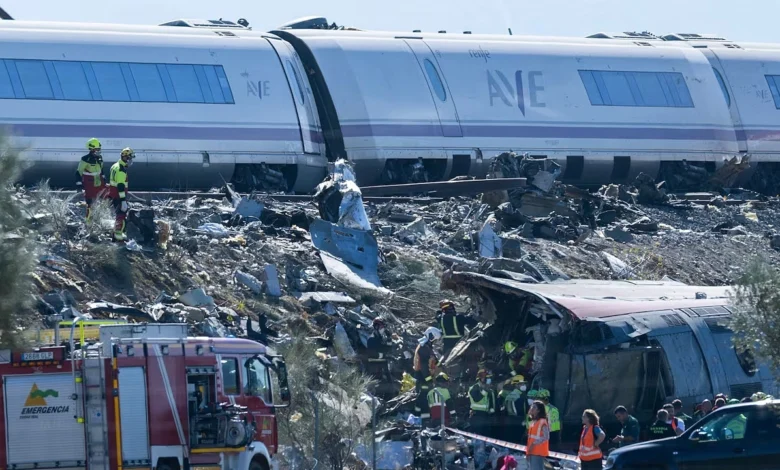
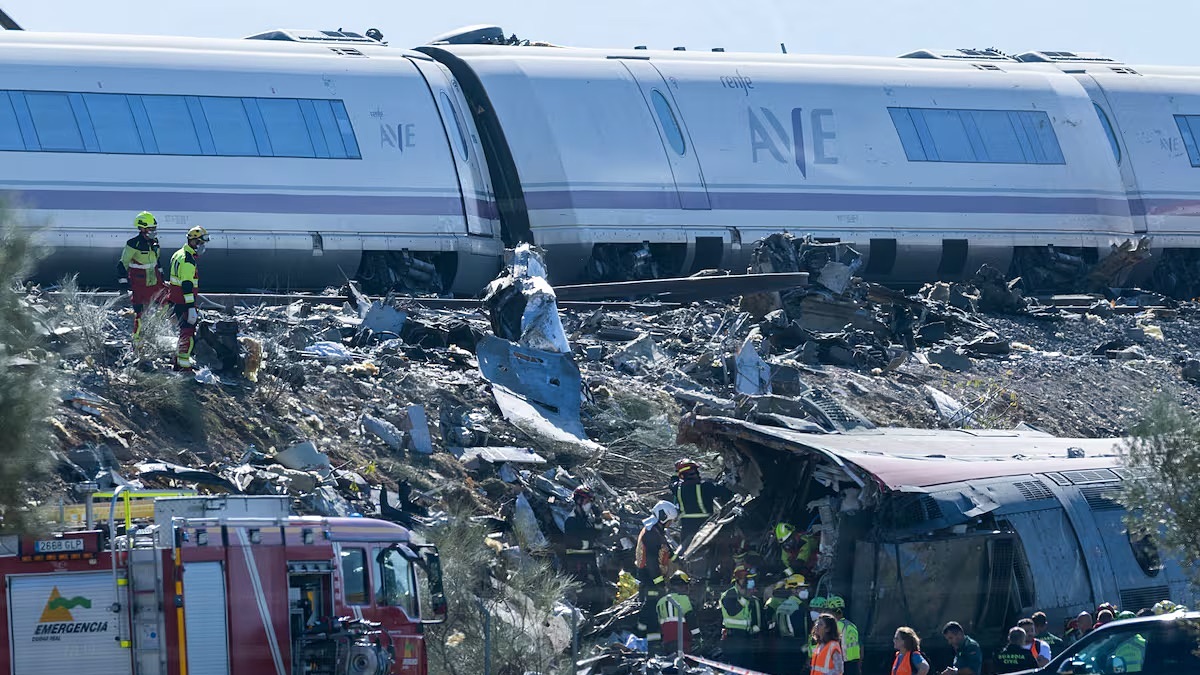
The catastrophic collision between a Renfe AVE high-speed train and an Iryo service on October 28 near the town of Toledo has left the nation in mourning and sparked a rigorous investigation into the reliability of aging rail signaling infrastructure. With at least 68 lives lost in the collision at kilometer 118 on the Madrid-Seville line, the focus has shifted toward the Linienzugbeeinflussung (LZB) system, a legacy technology developed in the 1960s that remains in operation on one of Spain’s most critical transport arteries.
A Legacy System Under Scrutiny
The LZB system, or Linienzugbeeinflussung, was once the gold standard for European railway safety. First implemented in 1965, the technology was designed to provide continuous supervision of train speeds and ensure safety for high-speed operations exceeding 160 km/h. When the Madrid-Seville line—Spain’s inaugural high-speed rail corridor—opened in April 1992, it was equipped with LZB, which at the time was considered the safest signaling architecture available.
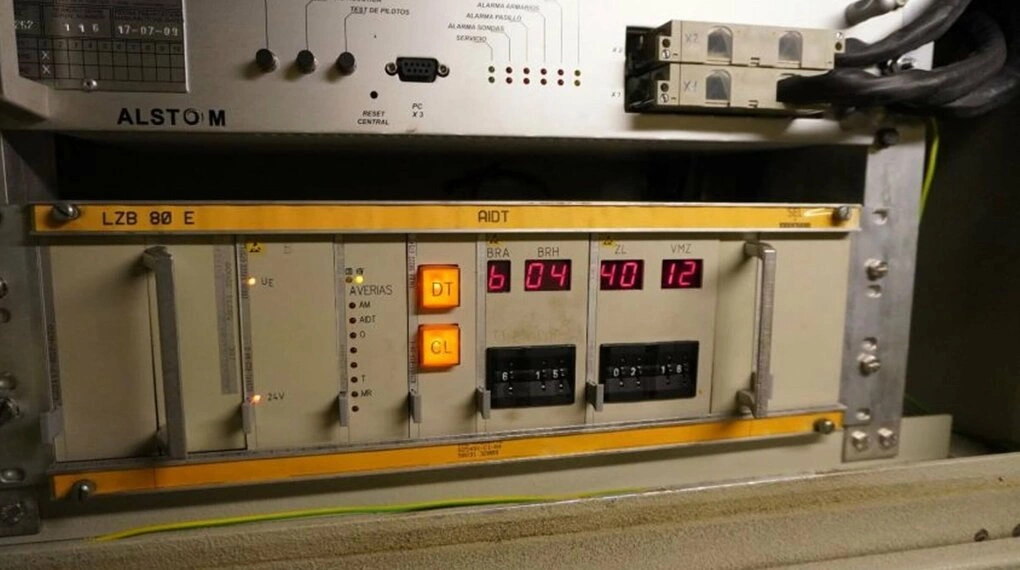
However, decades of operational history have highlighted the limitations of the system. Unlike modern digital signaling, LZB relies on inductive loops and specific transmission points along the track. When the system experiences technical glitches, trains are programmed to default to an automatic emergency stop, after which manual intervention is required to resume operations under restricted speeds.
Chronology of the Tragedy
The events leading up to the disaster suggest a cascading failure of both technical systems and human oversight. According to reports from locomotive engineers operating on the Malaga-Madrid route, the LZB system began exhibiting erratic behavior as early as October 27, the day before the accident.
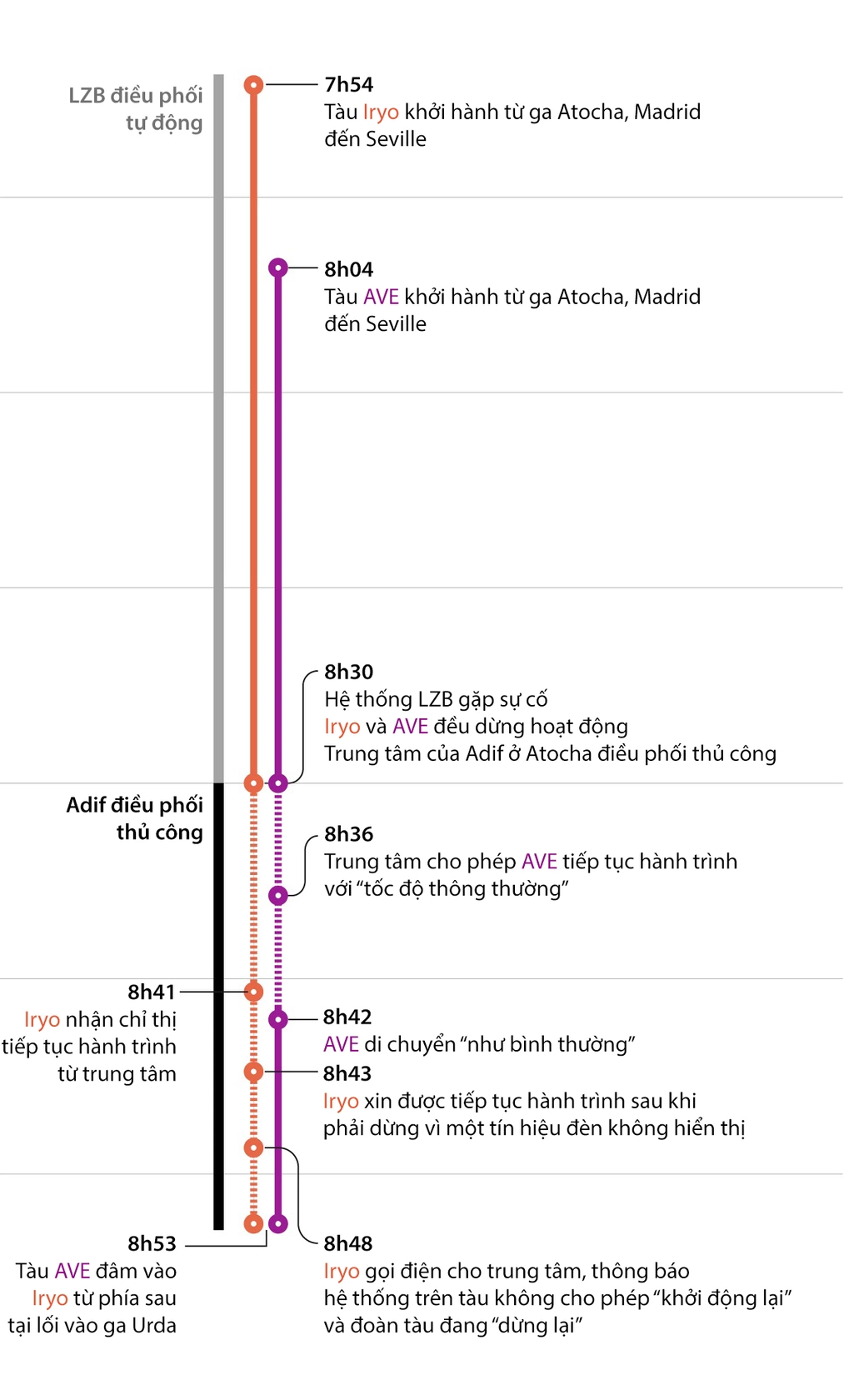
One engineer, who regularly operates this corridor, recounted a harrowing experience around 8:30 PM on the 27th. His train was forced to an automatic halt near the town of Urda at kilometer 120 because the LZB system failed to track the train’s precise location. Under such circumstances, the driver is tasked with assessing the situation and moving the train at restricted speeds without the typical automated safety support.
The situation worsened on the morning of October 28. A technical failure in the LZB software caused approximately eight trains in the vicinity to come to a standstill mid-journey. Adif, the state-owned infrastructure manager, initiated a switch to manual control protocols, instructing trains to proceed with extreme caution.
Despite these protocols, the Iryo train involved in the collision remained stationary on the tracks. Forensic analysis of recorded communications indicates that a traffic controller at the Atocha station in Madrid committed a fatal error by clearing the AVE train to proceed at normal operational speeds, despite the Iryo train being stationary only 25 kilometers ahead. The AVE train subsequently accelerated, reaching speeds of approximately 100 km/h, before striking the rear of the Iryo service.
Technical Context and Infrastructure Modernization
The tragedy has reignited the debate surrounding Adif’s modernization efforts. For several years, the agency has been transitioning from the legacy LZB system to the European Rail Traffic Management System (ERTMS). ERTMS is designed to standardize signaling and control across Europe, allowing for seamless interoperability between national networks.
Modern lines in Spain have already integrated ERTMS, which utilizes continuous wireless communication rather than relying on point-specific data transmission. However, the Madrid-Seville line, despite being the backbone of the high-speed network, had yet to be fully migrated to the modern standard.
In addition to LZB, the Madrid-Seville route is equipped with the ASFA (Anuncio de Señales y Frenado Automático) system. ASFA provides information from track-side beacons to the driver and can automatically engage emergency braking if a train passes a stop signal. Furthermore, the Block Control Automatic (BCA) system is designed to provide real-time speed and distance information to maintain safe intervals between trains. The fact that this combination of safety layers failed to prevent the collision suggests that when human error is introduced into the command-and-control hierarchy, the underlying technical safety nets may be insufficient.
The Human Element and Official Responses
The disaster has prompted pointed questions from the railway community regarding maintenance schedules and the decision-making process. The engineer who experienced the technical issues the night before the crash voiced the frustrations of many: "If the failure was identified the day before, why was it not fully resolved before passenger services resumed?"
Adif has launched a comprehensive internal investigation, working alongside judicial authorities to reconstruct the timeline of events. The primary focus of the inquiry is to determine whether standard safety procedures were strictly followed and to clarify the specific breakdown in communication between the control center and the locomotive crews.
"We are investigating every link in the chain, from the initial technical signaling failure to the transition protocols, and finally, the instructions issued to the drivers," said an official spokesperson for the Ministry of Transport. "The goal is to determine why the systems meant to prevent such an occurrence did not trigger the necessary safeguards."
Broader Implications for Rail Safety
The implications of the October 28 collision extend far beyond the immediate investigation. It serves as a stark reminder of the risks associated with operating aging infrastructure in an era of high-density, high-speed rail travel. While the transition to digital systems is underway across Europe, the pace of these upgrades has been hampered by budget constraints and the logistical complexity of retrofitting existing lines without disrupting vital transit services.
The tragedy in Toledo is the deadliest railway accident in Spain in recent memory, and it is expected to lead to a radical shift in how legacy systems are treated during transition periods. Critics argue that relying on "manual mode" or "restricted speed" protocols when digital systems fail is an outdated practice that leaves too much room for human error.
Industry analysts suggest that the future of high-speed rail safety must involve "fail-safe" digital overrides that eliminate the possibility of human controllers overriding the proximity alerts provided by automated signaling. If a train is stationary, the signaling system—regardless of whether it is LZB or ERTMS—should theoretically prevent any other train from entering the occupied block, regardless of human intervention.
Lessons Learned and Moving Forward
As the families of the victims begin the process of mourning, the Spanish government faces mounting pressure to accelerate the rollout of ERTMS across the remaining legacy sections of the high-speed network. The incident has also raised questions about the culture of communication between centralized control centers and field operators.
The investigation will likely conclude that the disaster was a "Swiss cheese" event—a series of failures where the holes in each individual layer of protection aligned. The failure of the LZB system provided the initial instability, but the failure of communication and situational awareness in the control center allowed the tragedy to occur.
For now, the Madrid-Seville route remains under heightened surveillance, with temporary speed restrictions and increased human monitoring of signaling data. The tragedy of October 28 will undoubtedly stand as a pivotal moment in the history of Spanish rail, serving as a grim catalyst for the final retirement of 1960s-era technology and a mandatory evolution toward fully integrated, digital safety protocols.
The focus now remains on transparency. The public and the families of the victims demand not just an explanation of how this happened, but a guarantee that the modernization of Spain’s rail network will be treated with the urgency required to ensure that such a catastrophe is never repeated. As the black boxes are analyzed and the testimonies of the survivors are documented, the findings will likely dictate the future of rail infrastructure investment for years to come.