The Evolution of MG and the Shifting Landscape of the Vietnamese Automotive Market: From Rapid Growth to Strategic Realignment

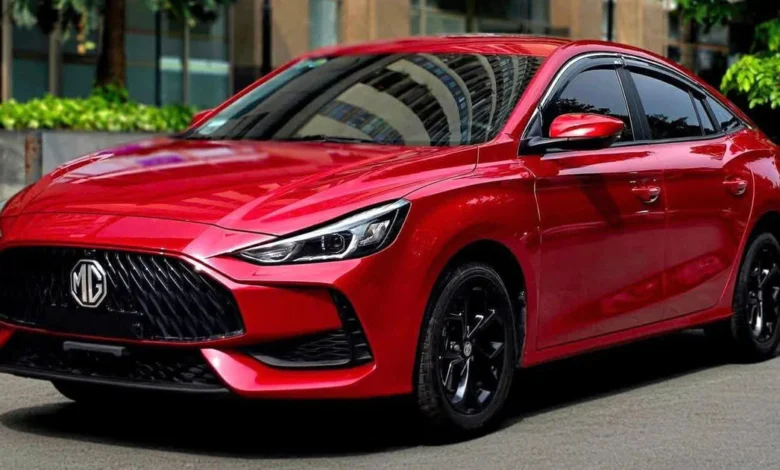
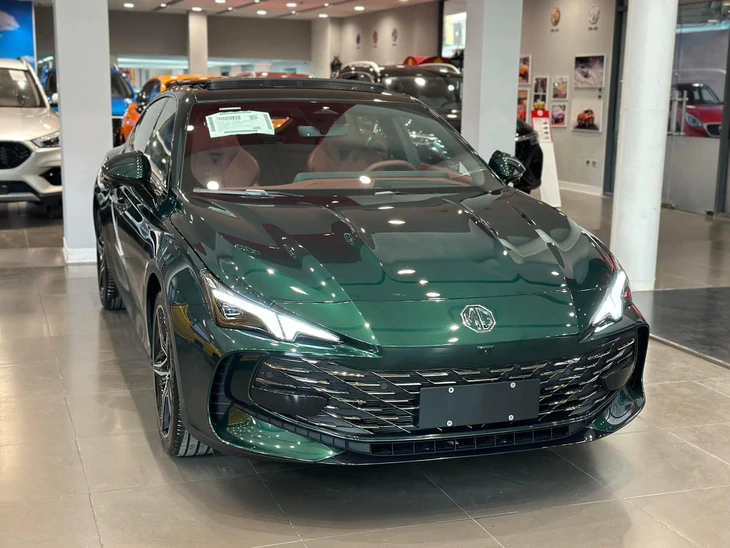
The Vietnamese automotive landscape has undergone a profound transformation over the past three years, characterized by a surge of new entrants, particularly from Chinese manufacturers such as BYD, Geely, Lynk & Co, Omoda, and Jaecoo. Among these, the trajectory of the MG brand stands as a poignant case study for the complexities of penetrating an emerging, high-potential market. Initially arriving via third-party importers, MG gained significant traction after establishing a direct distribution network through Malaysia’s Tan Chong Motor Group in 2020. However, after a promising start, the brand has faced structural headwinds and a sharp decline in sales, prompting industry experts to question the long-term viability of newcomers in a market that demands more than just competitive pricing and youthful aesthetics.
The Chronology of MG’s Market Entry and Pivot
The arrival of MG in Vietnam in 2020 was heralded as a major shift in the local automotive hierarchy. Under a five-year agreement with SAIC Motor, Tan Chong Motor became the exclusive importer and distributor of the brand. This partnership leveraged the popularity of accessible models like the MG ZS and MG5, which were marketed as value-driven alternatives to established Japanese and Korean incumbents. By prioritizing aggressive pricing and modern design, MG quickly carved out a niche among younger, budget-conscious urban professionals.
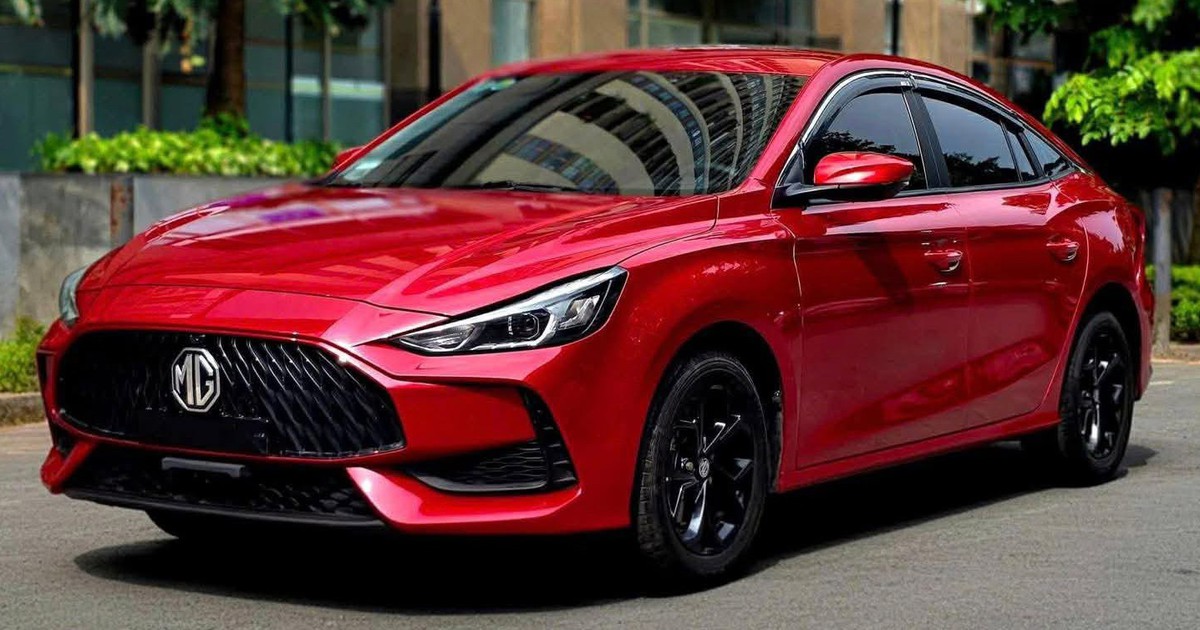
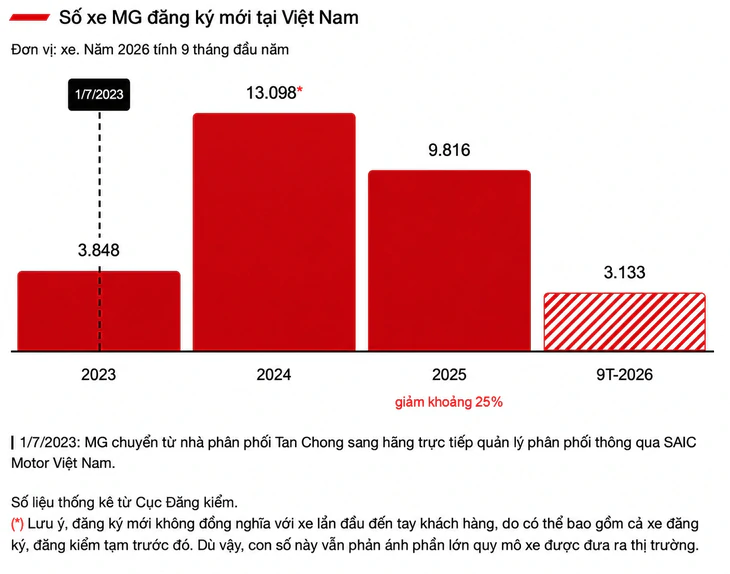
However, the operational structure underwent a seismic shift on July 1, 2023, when Tan Chong announced the cessation of its MG distribution operations. This move was attributed to a fundamental shift in SAIC Motor’s global strategy, which sought to exert greater direct control over its international subsidiaries. Following the split, SAIC Motor Vietnam took over the direct management of the brand’s operations, signaling a transition toward a more centralized, manufacturer-led approach.
The impact of this transition on sales figures has been stark. According to data from the Vietnam Register, MG recorded 13,098 new vehicle registrations in 2024, a significant increase from the 3,848 units registered in 2023. Yet, the momentum faltered in 2025, when registrations dropped by approximately 25% to 9,816 vehicles. The downward trend has intensified throughout 2026, with only 3,133 new registrations recorded in the first nine months—an average of 348 vehicles per month—less than half of the 818 monthly average observed the previous year.
The Complexity of Market Distribution: Beyond Sales Volume
The struggles currently faced by MG highlight a critical reality: in the automotive industry, the distributor acts as the vital bridge between the manufacturer’s global vision and the local consumer’s specific needs. This role encompasses everything from market research and product selection to pricing strategies, dealership development, and, most importantly, after-sales service.
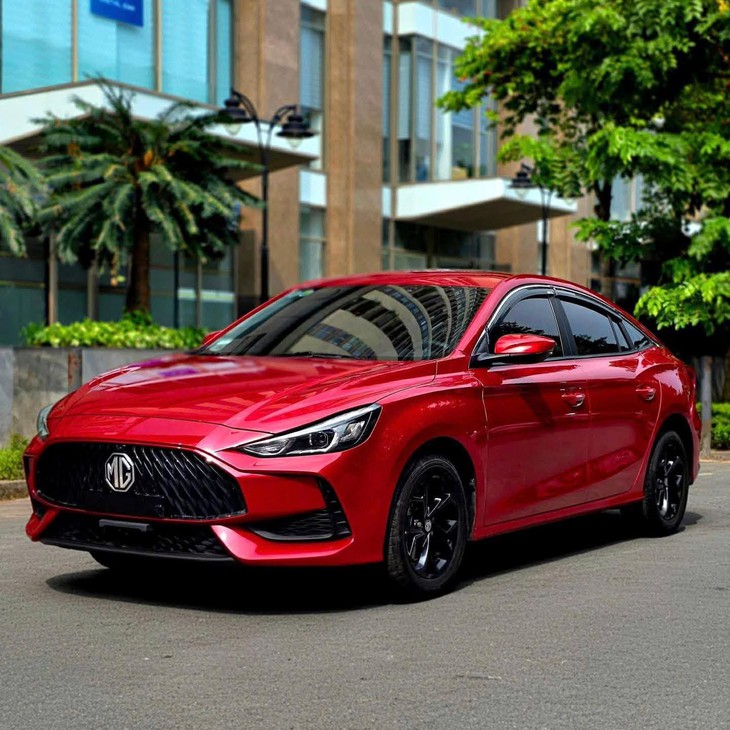
Mr. Vu Tan Cong, a former Deputy Secretary General of the Vietnam Automobile Manufacturers’ Association (VAMA), emphasizes that a model that finds success in one nation does not automatically guarantee success in another. "Factors such as consumer behavior, average income levels, infrastructure, and even climatic conditions dictate that a distributor must conduct rigorous research before advising a manufacturer on product localization," says Cong.
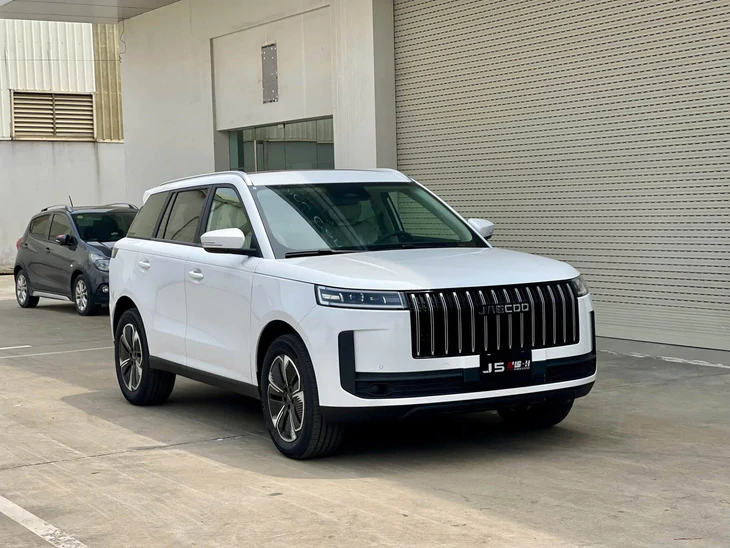
In the contemporary Vietnamese market, distributors are becoming increasingly consolidated. Large conglomerates are stepping in to provide the necessary capital and logistical infrastructure to support new entrants. For example, Geleximco has partnered with Omoda and Jaecoo, while Tasco has aligned with Geely and Lynk & Co. By utilizing established networks like Savico—the largest automotive dealership chain in Vietnam—these manufacturers hope to bypass the growing pains that MG experienced during its initial phase.
Strategic Product Misalignment and Competitive Pressure
The MG case provides a clear lesson in the importance of product portfolio management. Initially, the brand achieved success with conventional, affordably priced sedans and SUVs. However, as the brand attempted to pivot toward higher-end models like the MG4, MG7, and the Cyberster electric sports car, it faced a disconnect with its existing customer base. Meanwhile, the core bread-and-butter models, such as the ZS and the GT (formerly MG5), were not updated at a pace that could keep up with the aggressive, tech-heavy offerings of newer competitors.
Mr. Doan Anh Duong, an automotive expert overseeing the Xe Cong channel, notes that over the past two years, MG has suffered from a lack of "decisive" product offerings that can capture the segment of buyers who remain skeptical of Chinese-origin vehicles. "While price is a primary driver, the lack of a clear, upgraded product pipeline has left a vacuum that is now being filled by models like the Geely EX2, Lynk & Co 06, Omoda C5, and Jaecoo J5," Duong observes. He adds that a distributor must possess the financial capacity to curate a tighter product selection and the resilience to remain with the manufacturer during the inevitable initial years when business operations may not yet be profitable.
The Imperative of Local Commitment
A vehicle is a long-term asset, typically held by a consumer for five to ten years or longer. Consequently, beyond the sticker price and initial features, buyers are increasingly focused on the reliability of long-term maintenance, the availability of spare parts, and the vehicle’s residual value.
"Customers are often hesitant toward brands that have not yet clearly demonstrated a long-term commitment to the Vietnamese market," says Mr. Cong. "Investing in local manufacturing and assembly plants is one of the most effective ways to solidify consumer trust."
This trend toward local assembly is gaining momentum. On October 30, 2025, the joint venture between Geleximco and Omoda & Jaecoo broke ground on a manufacturing facility in Hung Yen, with a total investment of $319 million and a designed capacity of 120,000 vehicles per year. Similarly, Li Auto is preparing for its entry into Vietnam through Neera Motors, with potential plans for domestic assembly by late 2026 or early 2027.
These investments contrast sharply with the early, unfulfilled promises of the 2020 era, when MG and Tan Chong once announced plans for vehicle assembly in Da Nang—a project that never reached fruition. The failure to realize such industrial ambitions significantly impacted market perception and contributed to the current challenges the brand faces in maintaining its dealership network.
Implications for the Future of New Entrants
At the dealership level, the consequences of prolonged low sales volumes are severe. When showrooms fail to turn a profit, the distributor is forced to subsidize operations during the initial phase. The Tasco-Savico model, however, provides a blueprint for how new brands can mitigate these risks. By leveraging an existing network of dealerships, these companies reduce the barrier to entry, provide immediate national coverage, and utilize existing expertise in after-sales service, which is often the Achilles’ heel for new automotive brands in Vietnam.
As the Vietnamese market continues to evolve, the competition will only intensify. For brands like MG, the path forward requires more than just marketing; it requires a recalibrated portfolio that resonates with local preferences, a robust and sustainable after-sales infrastructure, and, crucially, a tangible commitment to the market through local industrial investment.
In conclusion, the current state of the automotive market in Vietnam is a testament to the fact that consumer loyalty is earned through reliability and presence. The rapid growth of the Chinese automotive sector in Vietnam is not a guaranteed success story; it is a complex, high-stakes game where the ability to manage the entire ecosystem—from the showroom floor to the service center—is the ultimate determinant of survival. For any new brand entering this market, the lesson from the past three years is clear: success is not merely a function of launching a product, but of establishing a long-term, trustworthy, and integrated presence in the lives of the consumer.