Donald Trump Signals Desire for Long-Term Iran Agreement While Rejecting Regime Change Strategies

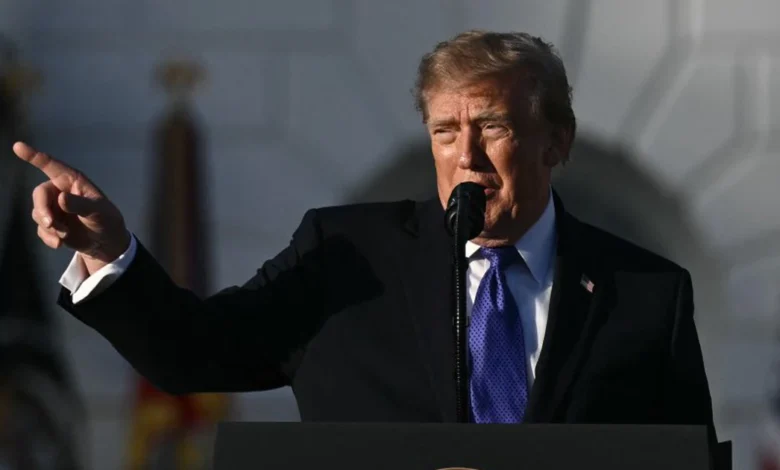
US President Donald Trump has articulated a fresh diplomatic vision regarding the United States’ long-standing adversary, Iran, emphasizing a preference for a comprehensive, long-term accord over military escalation or aggressive regime change policies. In a wide-ranging discussion broadcast on Fox News, the American leader detailed his strategic approach to the Islamic Republic, highlighting both a hardened stance against nuclear proliferation and a surprising disinterest in orchestrating the collapse of the government in Tehran.
The remarks arrive at a critical juncture in Middle Eastern geopolitics, as backchannel communications continue through international intermediaries and regional actors attempt to forestall further military conflicts. While Washington maintains maximum pressure through economic sanctions and strategic deterrence, the administration’s stated willingness to pursue a sustainable diplomatic framework marks a nuanced shift in the complex bilateral dynamics between the two nations.
The Core Objectives: Securing a Lasting Accord
At the center of President Trump’s stated policy is the prevention of a nuclear-armed Iran. "I will achieve a long-term agreement. I will not allow anyone to permit Iran to possess nuclear weapons," Trump asserted during his interview with Fox News.
The president’s calculus is deeply rooted in his frustration with past diplomatic failures, specifically pointing to historical patterns of compliance breaches. Reflecting on previous diplomatic efforts, Trump remarked, "We reach an agreement, and then they violate that agreement the very next day." Consequently, he argued that any prospective framework must feature ironclad mechanisms to halt nuclear weapon development indefinitely, regardless of which administration occupies the White House in the future. "I will not let any successor administration reverse policy and allow Iran to have nuclear weapons," he added, framing the non-proliferation objective as a bipartisan security imperative.
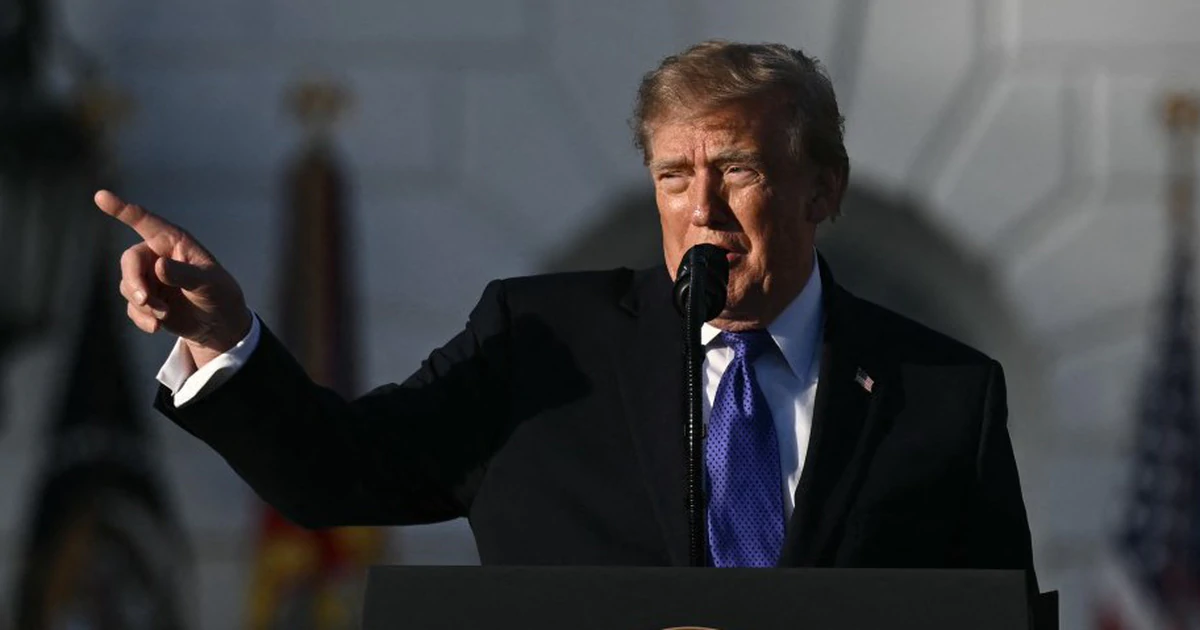
Despite these firm boundaries regarding nuclear capabilities, Trump addressed the contentious topic of internal governance in Iran, clarifying that his administration has never actively prioritized regime change. He noted that while targeted military actions against high-ranking Iranian figures have inevitably triggered profound structural shifts within the political and military apparatus of the Islamic Republic, his primary focus remains on concrete policy outcomes rather than the restructuring of foreign governments.
Characterizing the new leadership echelon in Tehran, Trump observed that while the current administration possesses a degree of pragmatism, negotiating with them remains an extraordinarily difficult endeavor.
Diplomatic Backchannels and Regional Mediation
While Washington outlines its prerequisites for a sustainable accord, diplomatic channels remain active behind the scenes. According to recent reports from international news agencies, Iranian Foreign Minister Abbas Araghchi confirmed that ongoing messages are being exchanged between Tehran and Washington via third-party intermediaries. The primary objective of these indirect talks is to establish a framework that guarantees the avoidance of a renewed regional war. However, Tehran has continually emphasized that Washington must demonstrate genuine seriousness and respect in any future negotiation rounds.
A central point of contention in these indirect discussions remains the nuclear file. Foreign Minister Araghchi has firmly reiterated that a non-negotiable "red line" for Tehran is the continuation of domestic uranium enrichment activities. Iran maintains that its nuclear program is strictly peaceful and intended for civilian energy and medical purposes, a claim met with widespread skepticism by Western intelligence agencies and the International Atomic Energy Agency (IAEA).
Adding momentum to these diplomatic explorations, regional actors have stepped up their mediation efforts. State media reports from the Middle East indicated that a high-level Qatari delegation recently arrived in Tehran for intensive consultations. Qatari officials have acted as vital interlocutors between Western powers and the Iranian government, leveraging their unique diplomatic positioning to facilitate dialogue.
Kazem Gharibabadi, Iran’s Deputy Foreign Minister for Legal and International Affairs, shed light on the nature of these engagements following the diplomatic meetings in Tehran. "We remain in contact with intermediaries, including Qatar, through both direct and virtual meetings, while conducting necessary discussions to see whether we can create a window of opportunity for diplomatic forces," Gharibabadi stated.
Historical Context and Past Precedents
The current diplomatic overtures and tough rhetoric must be viewed through the lens of decades of strained relations between the United States and Iran. The historical trajectory has been defined by cycles of intense economic sanctions, cyber warfare, proxy conflicts across the Middle East, and precarious nuclear agreements.
The landmark Joint Comprehensive Plan of Action (JCPOA), negotiated in 2015 by the P5+1 powers and Iran, was designed to limit Iran’s nuclear capabilities in exchange for widespread sanctions relief. However, during his first term in office, President Trump withdrew the United States from the pact in 2018, labeling it fundamentally flawed and insufficient to curb Iran’s regional influence or prevent eventual nuclear breakout. The subsequent implementation of a "maximum pressure" campaign involved sweeping economic penalties aimed at crippling Iranian oil exports and isolating its financial sector. In response, Iran progressively rolled back its compliance with the JCPOA’s nuclear restrictions, enriching uranium to closer-to-weapons-grade purity and restricting international inspections.
The cycle of tension reached new heights following various kinetic escalations and targeted operations in the region, which significantly impacted Iran’s military and political hierarchy. These events reshaped the internal power dynamics in Tehran, leaving the current leadership to navigate severe economic headwinds driven by sanctions alongside domestic sociopolitical pressures.
Implications and the Path Forward
The articulation of a desire for a long-term agreement by President Trump, paired with a rejection of forced regime change, introduces a complex matrix of possibilities for regional stability. Analysts suggest that while both Washington and Tehran have articulated a theoretical desire to avoid catastrophic all-out war, the structural divergence on core issues—specifically uranium enrichment limits and the scope of sanctions relief—presents formidable obstacles to a breakthrough.

For the United States, any sustainable agreement must satisfy stringent verification protocols and address broader regional security concerns, including Iran’s network of regional militias and ballistic missile proliferation. For Iran, the lifting of crippling economic sanctions and the international recognition of its civilian nuclear infrastructure, particularly domestic enrichment rights, remain vital prerequisites for any long-term compromise.
As indirect talks continue to be mediated by regional partners like Qatar, the international community watches closely. Whether these diplomatic maneuvers can transcend decades of deep-seated distrust and bridge the gap between Washington’s non-proliferation demands and Tehran’s sovereign technological ambitions will likely define the geopolitical landscape of the Middle East for years to come.