United States 2026 Midterm Elections: Historic Showdown Tests President Donald Trump and the Republican Majority

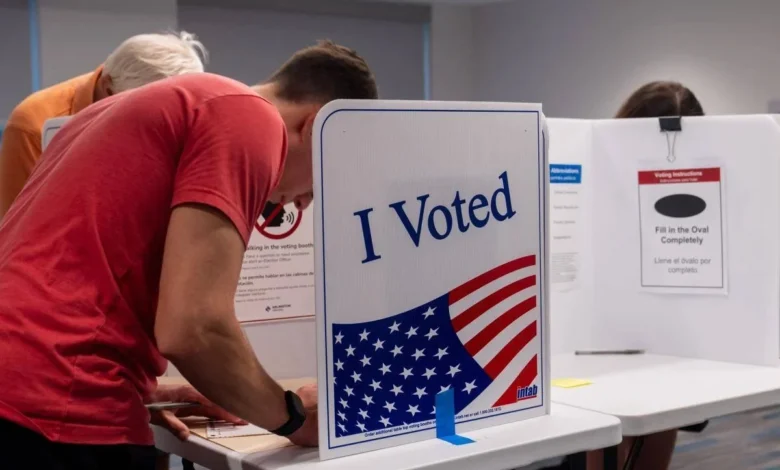
As the historic 2026 United States midterm elections reach their decisive final hours, the political landscape is gripped by high-stakes tension, shifting public sentiment, and fierce competition between the Republican Party and the Democratic Party. The outcome of this election cycle carries profound implications for the final two years of President Donald Trump’s second term, potentially altering the balance of power in Washington and serving as a critical barometer for the future of American governance.
High-Stakes Projections and Early Voting Dynamics
In the closing stretch of the campaign, the Republican Party finds itself on the defensive according to leading election forecasting units. Models from organizations such as Decision Desk HQ (DDHQ) have projected that the Democratic Party holds an 82% probability of seizing control of the House of Representatives and a 62% likelihood of capturing a majority in the Senate. These shifting numbers reflect a turbulent political environment shaped by widespread public anxiety over economic conditions, declining approval ratings for President Trump, and mounting public fatigue regarding foreign policy entrenchment, particularly the ongoing U.S.-Iran conflict.
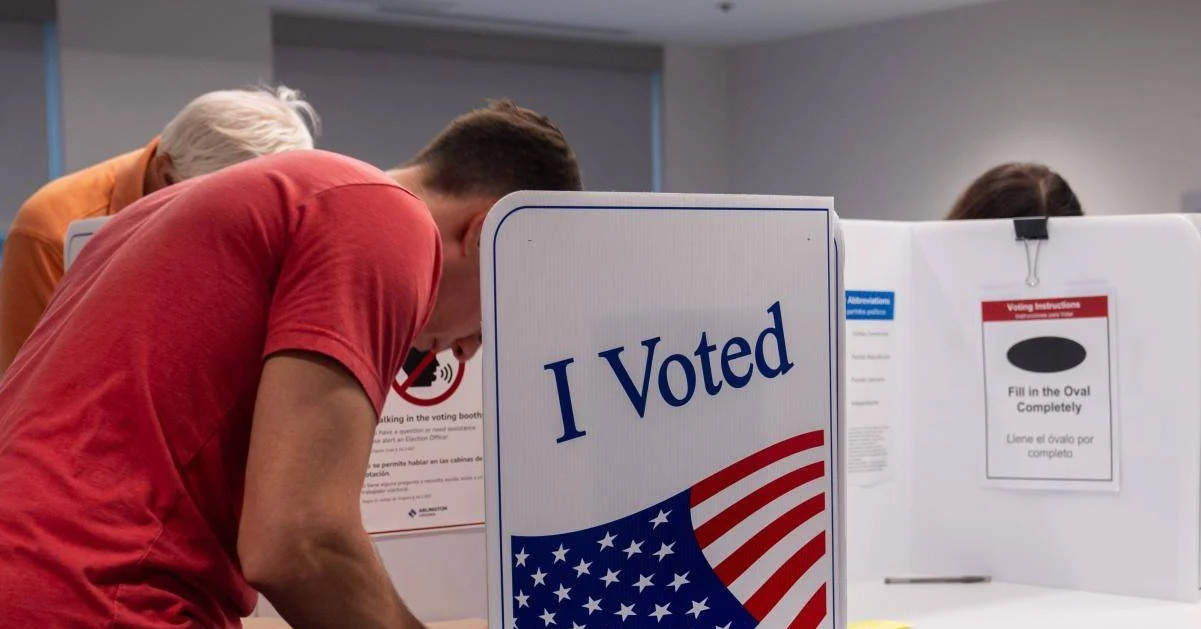
Despite these headwinds, Republican leadership remains outwardly optimistic, seeking to galvanize the coalition that delivered victory in the 2024 presidential election. Party strategists have publicly dismissed internal polling trends that foreshadow a significant defeat, arguing instead that external data underestimates the mobilization power of the conservative base. Spencer Kimball, executive director of Emerson College Polling, noted that both parties have successfully energized their core constituencies. "The Republican Party seems to be mobilizing its base, and the Democratic Party is equally fired up and deploying its supporters," Kimball observed. "Now, we will watch how the independent voting bloc acts and whether they make a difference in these races."
The national map reflects these diverging fortunes. While President Trump has maintained an aggressive campaign schedule visiting battleground districts, warning signs have emerged even in historically safe Republican strongholds. Observers point to competitive dynamics in states traditionally leaning red, such as Alabama, Alaska, Mississippi, and Kansas. These tightening margins have sounded alarms within the GOP, particularly as inflation, energy price fluctuations, and public skepticism threaten to suppress turnout among independent voters who crossed party lines to support Trump in previous cycles.
Methodological Debate and Polling Accuracy Under Scrutiny
Public opinion polling has faced extraordinary scrutiny throughout the 2026 midterm cycle, with forecasters and political campaigns acutely aware that any major systematic error could dramatically distort the political narrative. Democrats enter Election Day buoyed by favorable surveys—including Emerson College data showing the party leading by up to 10 points in generic congressional ballots—while Republicans maintain that traditional polling methodologies are structurally flawed.
Geoffrey Skelley, a senior election analyst at DDHQ, emphasized the precarious nature of the final projections. "The polls continue to show the race running very close, with a slight lean toward the Democratic Party. The question is whether that lean is large or small. That is what we will only know when we have the actual voting results," Skelley stated.
Compounding these challenges, the polling industry has faced operational headwinds, including instances of bad actors impersonating polling firms to manipulate data streams. The memory of unexpected, razor-thin outcomes in Democratic primary elections during the summer—notably competitive Senate nomination battles in Wisconsin and Michigan—has further fueled skepticism regarding predictive models, particularly in complex legislative and gubernatorial races across battlegrounds like Ohio, Iowa, and Kansas.
Demographic Shifts: The Latino Vote in Focus
A critical variable in the 2026 midterms is the behavior of Hispanic voters, a demographic that played a pivotal role in shaping the political realignment of 2024. According to historical data from the Pew Research Center, Democratic nominee Joe Biden secured an overwhelming advantage among Hispanic voters in 2020. However, the 2024 presidential election saw a dramatic 22-point shift toward the Republican Party, narrowing the margin significantly.

Recent polling data from NBC News/Telemundo and the Pew Research Center indicates that President Trump maintains roughly 24% to 27% support among Latino voters. Analysts like Kimball suggest that Hispanic voting patterns in 2026 may mirror the trends of the 2008 and 2012 cycles, leaning toward Democrats by a roughly 2:1 margin, while analysts like Skelley emphasize that actual turnout rates in a non-presidential election year will ultimately dictate their legislative impact.
Financial Dominance and Campaign Expenditures
The financial disparity in the 2026 midterms has heavily favored the Republican Party, which boasts deep financial resources and has outspent Democrats significantly across traditional and digital media platforms. The GOP has benefited immensely from coordinated support provided by MAGA Inc., the premier pro-Trump super PAC, alongside substantial financial contributions from America PAC, an organization founded by technology entrepreneur Elon Musk. These entities have funneled hundreds of millions of dollars into key legislative contests nationwide.
Despite this formidable financial advantage, political scientists note that the actual return on investment remains an open question. Notably, Democratic candidates in competitive Senate battlegrounds have consistently outpaced their Republican rivals in grassroots fundraising, demonstrating sustained enthusiasm at the local level that counters the superior spending power of conservative super PACs.
Economic Paradox and Foreign Policy Pressures
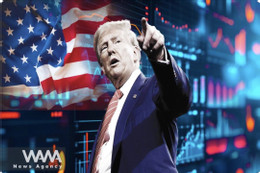
The broader economic environment continues to present a paradoxical challenge for the administration. While macroeconomic indicators reflect stable growth, persistent consumer dissatisfaction regarding the cost of living, housing affordability, and fuel prices has weighed heavily on public sentiment. This "economic paradox" has historically plagued incumbent administrations during midterm elections, and 2026 has proven no exception.
Simultaneously, foreign policy developments have heavily influenced the national dialogue. The ongoing U.S.-Iran conflict has sparked intense public debate, with opposition figures capitalizing on security concerns to criticize administration policies. In response, President Trump has actively sought to lower expectations regarding potential military escalation, emphasizing ongoing diplomatic engagements and signaling a preference for stability as voters head to the polls.
Down-Ballot Impacts and Future Political Implications
Beyond control of the House and Senate, the 2026 midterm elections serve as a crucial stress test for future political ambitions within both parties. For the Republican Party, the results will heavily influence the legacy of the current administration and test the viability of key surrogates, including Vice President JD Vance, who has actively campaigned nationwide to cultivate his political profile ahead of the 2028 presidential election cycle.
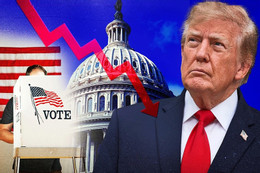
As polling stations close and election officials begin the complex process of tabulating ballots, the nation stands at a political crossroads. The final results will not only determine the legislative trajectory of the federal government for the remainder of President Trump’s term but will also establish a definitive baseline for the shifting ideological currents of the American electorate.