President Donald Trump signs new legislation to intensify economic pressure on Russia amid ongoing Ukraine conflict

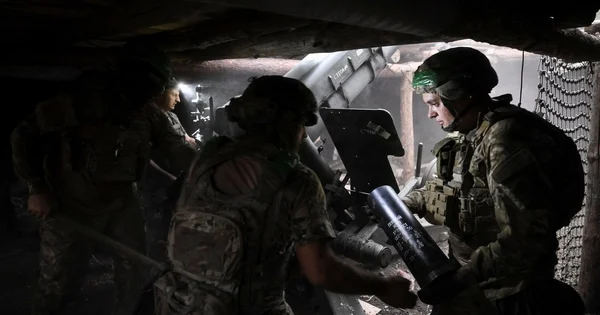
On September 18, 2026, President Donald Trump signed into law a comprehensive legislative package designed to significantly increase economic and geopolitical pressure on the Russian Federation. This move marks a major escalation in Washington’s efforts to curb Moscow’s ability to sustain its military campaign in Ukraine, which has now persisted for over four and a half years. The new measures target Russia’s critical energy and defense sectors, expand personal sanctions against top-tier officials, and seek to dismantle the illicit maritime networks that have allowed Russia to bypass existing international restrictions.
Legislative Scope and Strategic Objectives
The legislation, which moved through Congress with bipartisan support, provides the executive branch with robust new authorities. A centerpiece of the bill is the targeted approach to the "shadow fleet"—a network of aging, often uninsured tankers that Moscow has utilized to transport crude oil and petroleum products to global markets while avoiding Western price caps. Under the new law, President Trump is granted the authority to impose tariffs of up to 100% on entities identified as facilitators of this illicit trade.
Furthermore, the law expands the scope of secondary sanctions, specifically targeting foreign companies and financial institutions that provide material support to the Russian military-industrial complex. By broadening the reach of these measures to include actors in third-party countries that have previously served as conduits for dual-use technology, the U.S. aims to choke off the supply chains essential for Russian missile and drone production. The bill also incorporates provisions that tighten existing sanctions related to Iran, addressing concerns regarding the deepening military-technological cooperation between Tehran and Moscow.
Chronology of the Conflict and Recent Escalations
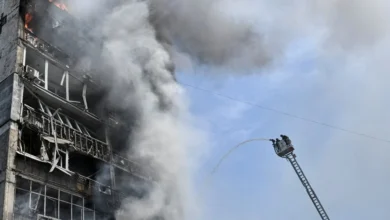
The conflict in Ukraine, which reached the 54-month mark in September 2026, remains characterized by high-intensity attrition. The signing of this bill coincides with a period of intensified aerial warfare. On the night of September 18 and into the early hours of September 19, both sides engaged in significant drone operations. The Ukrainian Air Force reported the interception of 138 out of 174 unmanned aerial vehicles (UAVs) launched by Russian forces. Conversely, the Russian Ministry of Defense stated on September 19 that its air defense systems had successfully neutralized 344 Ukrainian drones across 16 regions and over the Black Sea.
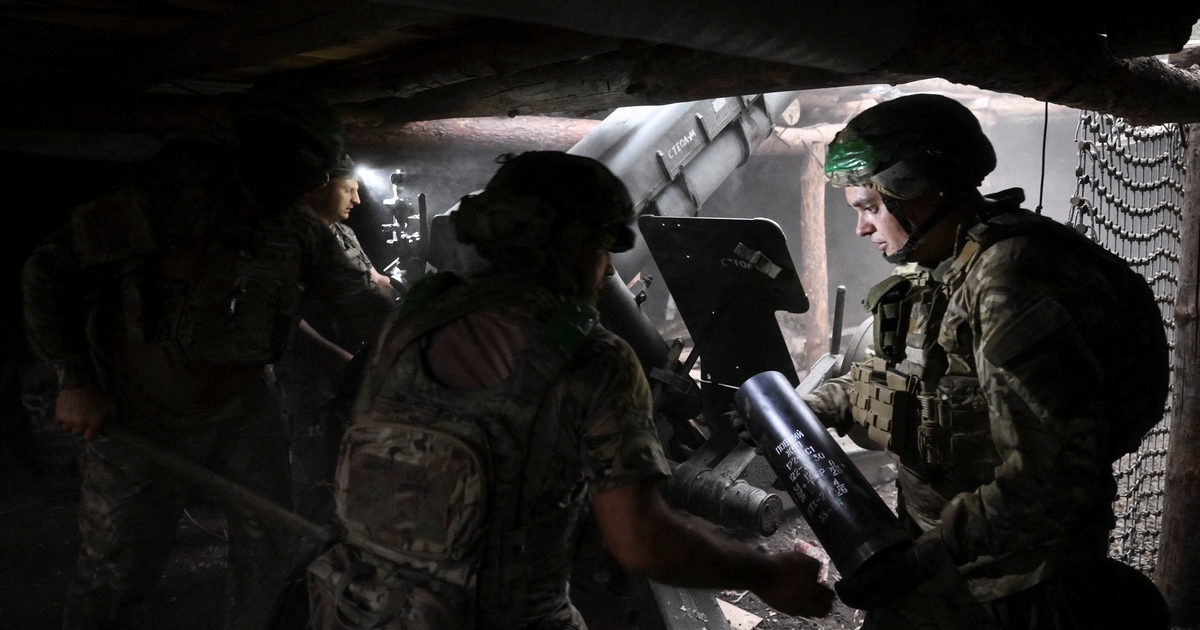
This legislative action is the latest in a series of U.S. interventions aimed at tilting the battlefield balance. Earlier in the week, the U.S. Department of State announced the approval of a $2.7 billion arms package for Kyiv. This aid includes advanced defensive systems, such as S-300-pattern interceptors, GAM-67 missiles, laser-guided air defense systems with extended range, and specialized electronic warfare radar designed to counter the persistent threat of Russian drone swarms.
Financial Mechanisms and Parliamentary Review
The newly approved $2.7 billion military aid package is currently undergoing standard congressional review. If finalized, the procurement will be funded through a combination of European contributions and the U.S. Foreign Military Financing (FMF) program. The FMF serves as a non-repayable grant mechanism, enabling partner nations to acquire U.S.-manufactured defense articles and services. By utilizing this framework, the U.S. administration aims to provide Ukraine with sustainable, long-term access to high-end military hardware without placing an undue burden on the Ukrainian national budget, which is already stretched thin by the protracted nature of the war.
Reactions and Diplomatic Implications
President Volodymyr Zelensky of Ukraine publicly expressed his gratitude to President Trump and the U.S. legislative body for their commitment to the new law. In an official statement released on the morning of September 19, Zelensky emphasized that these measures are vital for eroding the economic foundations of the Russian war machine. While the Kremlin had not issued a formal, comprehensive response to the signing as of the afternoon of September 19, observers expect that Moscow will likely characterize the legislation as a provocative act of economic warfare.
Historically, Moscow has responded to such sanctions by intensifying its domestic import substitution programs and strengthening economic ties with non-aligned nations in the Global South. However, analysts suggest that the severity of the new secondary sanctions, particularly the 100% tariff threat on shadow fleet oil buyers, creates a much higher barrier to entry for international intermediaries who have previously been willing to risk minor penalties to trade with Russia.
Economic and Global Impact Analysis
The impact of this legislation extends beyond the immediate battlefield. By targeting the energy sector with such aggressive measures, the U.S. is signaling a shift toward a "zero-tolerance" policy regarding Russian oil revenue. Economists suggest that while global oil prices may experience volatility in the short term, the long-term intent is to force a structural decline in Russia’s export capacity.

The inclusion of secondary sanctions on foreign companies also serves as a warning to global financial hubs. By creating a credible threat of exclusion from the U.S. dollar-based financial system for those who aid the Russian military, the U.S. is compelling international banks and shipping firms to choose between business with Moscow and access to the American market. This creates a significant "compliance trap" for global firms that have attempted to maintain neutrality throughout the conflict.
Furthermore, the integration of Iran-related sanctions within this bill highlights the U.S. government’s view that the Russia-Ukraine conflict is increasingly inseparable from broader regional instability in the Middle East. As Russia becomes more reliant on Iranian-supplied weaponry and drone technology, the U.S. strategy of "sanctions convergence"—aligning the penalties for supporting one state with those for supporting the other—is designed to make the cost of such partnerships prohibitive.
Looking Ahead
As the conflict enters the final quarter of 2026, the effectiveness of these new laws will be measured by their ability to actually restrict the flow of funds and technology to Russia. The battlefield, however, remains the primary venue for these pressures to manifest. With the influx of new U.S. military equipment and the tightening of the economic net, the coming winter months are expected to be a critical juncture.
Military analysts point out that while sanctions are an essential tool of statecraft, their impact is often lagging. The immediate challenge for the U.S. and its allies will be the enforcement of the maritime tariffs and the monitoring of the complex shell company networks that characterize the modern shadow economy. With this new legislative mandate, the Trump administration has signaled that it intends to move from a posture of containment to one of active economic disruption, aiming to force a change in the strategic calculus of the Kremlin as the war continues into its fifth year.
Ultimately, the success of this policy hinges on the cooperation of international partners. Whether the European Union and other G7 nations will align their own trade policies to mirror these U.S. measures remains a key question for the remainder of the year. For now, the signing of the bill represents a decisive, if contentious, step in the ongoing efforts by Washington to influence the trajectory of the war in Ukraine through the levers of global finance and trade.