Geely EX5 EM-i Review: Evaluating the Chinese Plug-in Hybrid SUV’s Real-World Performance, Comfort, and Efficiency

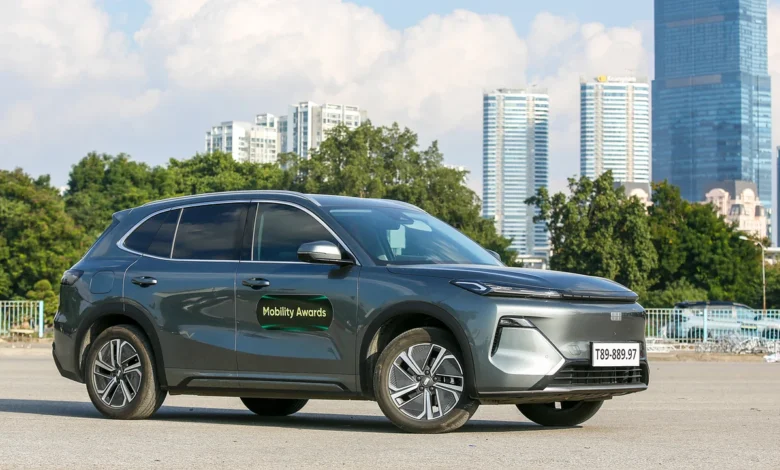
The modern automotive landscape is undergoing a profound transformation, characterized by the rapid proliferation of electrified powertrains designed to bridge the gap between traditional combustion engines and full battery-electric vehicles. Within this shifting paradigm, plug-in hybrid electric vehicles (PHEVs) have emerged as a strategic preference for consumers seeking the immediate torque and silent operation of electric mobility without the lingering anxieties associated with charging infrastructure and long-distance travel. Among the latest contenders entering the competitive compact SUV segment is the Geely EX5 EM-i, a Chinese-engineered hybrid vehicle that prioritizes interior spaciousness, exceptional fuel economy, and a driver-centric experience tailored for both urban commuting and extended family journeys.
As part of the rigorous evaluation process leading up to the prestigious Mobility Awards 2026, hosted annually by VnExpress, the Geely EX5 EM-i recently underwent intensive testing during the second leg of the Car Test journey. This comprehensive assessment program serves as a critical benchmark in Vietnam’s automotive industry, bringing together a panel of expert judges to evaluate a diverse array of new vehicle models across varied and demanding real-world driving conditions.
Comprehensive Testing Ground: The Car Test 2026 Journey
The Car Test initiative stands as a unique fixture within the Vietnamese automotive sector. Unlike traditional stationary showroom evaluations or controlled track assessments, this program requires an official panel of automotive journalists, engineers, and industry experts to log hundreds of kilometers behind the wheel of competing models. The objective is to gather empirical data and subjective experiential feedback that directly influences the official scoring matrix at the subsequent Car Awards.
For the second major testing phase of the 2026 calendar year, organizers designed a punishing and diverse route spanning from the bustling urban arteries of Hanoi through the scenic landscapes of Tân Lạc in Hòa Bình (or Phú Thọ, depending on regional route variations) and culminating in the rugged, humid terrain of Cúc Phương National Park in Ninh Bình. This carefully curated itinerary exposed participating vehicles to a multifaceted spectrum of road conditions, including dense metropolitan stop-and-go traffic, high-speed national expressways, winding mountain passes, and uneven rural surfaces.
The vehicle lineup for this grueling evaluation cohort represented a diverse cross-section of the contemporary market, featuring luxury heavyweights and accessible alternatives alike. Alongside the Geely EX5 EM-i, the test convoy included high-end luxury plug-in hybrids such as the Range Rover Sport PHEV and the Mercedes-Benz GLC 350e, innovative regional stablemates like the Lynk & Co 02, Geely’s entry-level EX2, the Wuling Darion, the BYD Sealion 5, and the practical Suzuki XL7. Within this competitive ecosystem, the Geely EX5 EM-i was positioned as a mainstream compact SUV aiming to demonstrate that advanced hybrid technology and supreme comfort can be made accessible to the broader family-oriented consumer base.
Design Philosophy and Interior Packaging
At first glance, the Geely EX5 EM-i adopts a contemporary, middle-of-the-road design language that deliberately avoids polarizing stylistic experiments. Rather than leaning into futuristic extremes or overly aggressive fascia styling, the exterior lines are clean, balanced, and aerodynamically optimized to reduce drag coefficient values, thereby contributing to overall energy efficiency. The silhouette follows the established proportions of a modern compact crossover, offering a commanding driving position that appeals directly to buyers transitioning into higher-riding vehicles for the first time.
However, the vehicle’s true engineering emphasis becomes apparent upon stepping inside the cabin. Geely’s design team has prioritized interior volumetric efficiency, carving out a class-leading amount of passenger space that accommodates five adult occupants with generous legroom, headroom, and shoulder clearance. The dashboard architecture follows a minimalist, horizontal layout centered around a high-definition touchscreen infotainment interface, complemented by a digital instrument cluster that relays essential powertrain telemetry.
Material selection within the cabin strikes a pragmatic balance between durability and tactile comfort. Soft-touch surfaces are strategically positioned at common touchpoints, while the seating geometry has been optimized to provide long-distance ergonomic support. According to the evaluation notes compiled by the Car Test panel, the cabin layout is remarkably intuitive, ensuring that drivers encountering the vehicle for the first time can easily master the primary controls, climate adjustments, and infotainment menus without experiencing a steep learning curve.
Powertrain Engineering and the EM-i Hybrid Platform
Underpinning the Geely EX5 EM-i is the brand’s proprietary EM-i (Electric Mobility Intelligent) hybrid platform, an architecture specifically engineered to prioritize a pure electric driving experience while maintaining exceptional fuel efficiency across varied operating cycles.
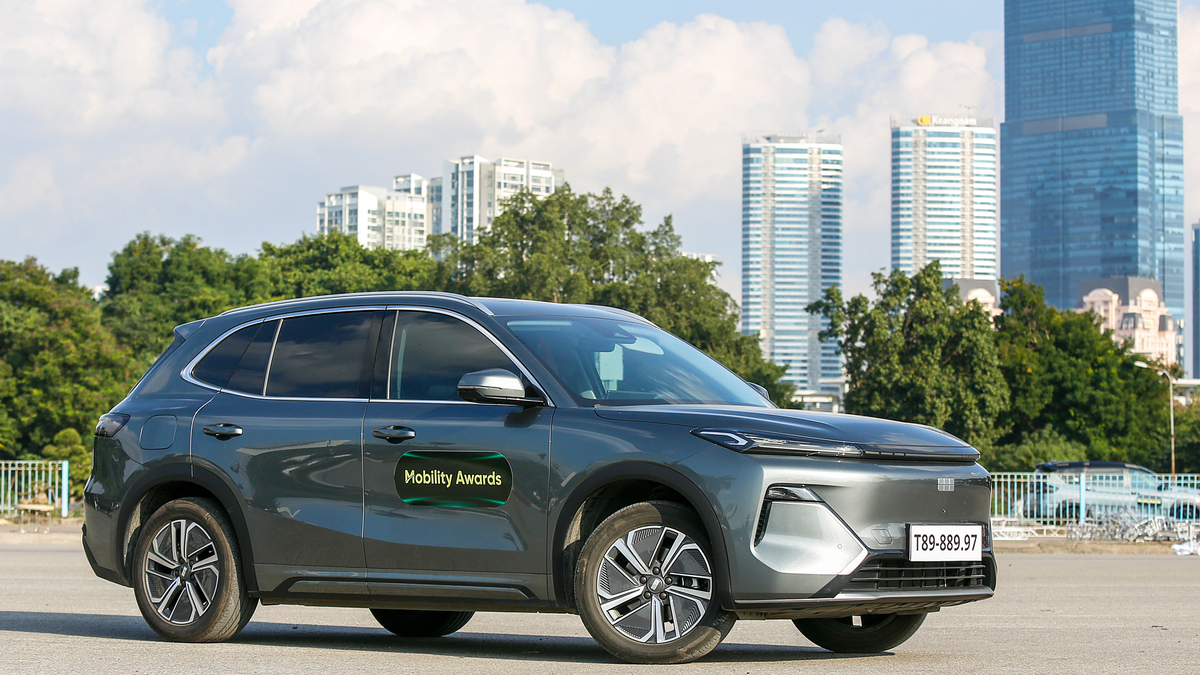
Unlike traditional parallel hybrids that rely heavily on the internal combustion engine to drive the wheels during moderate acceleration, the EM-i platform places primary operational emphasis on the electric motor system. The vehicle functions fundamentally as an electric vehicle for the vast majority of urban and suburban driving scenarios, drawing energy from a high-capacity lithium-ion battery pack. The internal combustion engine acts primarily as a high-efficiency generator when state-of-charge levels drop, or seamlessly engages via an advanced dedicated hybrid transmission (DHT) when high-speed highway cruising demands sustained power output.
This configuration yields distinct operational advantages. During low-speed city navigation, the EX5 EM-i delivers the silent, vibration-free acceleration characteristic of battery-electric vehicles, completely eliminating the engine hesitation and gear-hunting often associated with conventional internal combustion crossovers. Furthermore, the regenerative braking system is finely calibrated to capture kinetic energy during deceleration, returning vital kilowatt-hours to the battery pack while reducing brake pad wear.
Real-World Driving Dynamics and Comfort Evaluation
During the rigorous multi-day evaluation across the Hanoi–Tân Lạc–Cúc Phương route, the Geely EX5 EM-i’s dynamic character was scrutinized across multiple parameters. The consensus among the expert panel highlighted that the vehicle’s driving experience is decidedly tuned for composure, ride plushness, and stress-free operation.
The steering calibration is light yet progressive, offering adequate feedback at highway speeds while remaining feather-light during tight parking maneuvers and congested urban crawls. This characteristic makes the vehicle exceptionally accessible to novice drivers or those upgrading from smaller hatchback and sedan segments. Body roll through winding mountain passes is well-controlled for a vehicle of its height and weight class, thanks to a carefully tuned suspension setup that absorbs road imperfections rather than transmitting them harshly into the cabin.
However, the evaluation also brought to light specific areas requiring future refinement. While the primary ride quality is exceptionally comfortable and well-suited to family transport duties, the vehicle’s acoustic isolation exhibits minor vulnerabilities. Specifically, the panel noted that cabin sound insulation could be further optimized, with noticeable wind and mechanical noise permeating the interior primarily around the A-pillars and the lower chassis floor pan during high-speed expressway runs. Addressing these NVH (Noise, Vibration, and Harshness) parameters in future iterations will be crucial for the manufacturer as it seeks to compete directly with established Japanese and European compact SUVs in the premium-adjacent tiers.
Market Implications and Industry Context
The introduction and evaluation of the Geely EX5 EM-i within the Vietnamese market arrive at a pivotal juncture for the automotive sector. As consumers increasingly demand eco-friendly transportation solutions that do not compromise on utility or range, plug-in hybrid electric vehicles occupy a uniquely strategic sweet spot.
In a market where purely electric vehicles (EVs) face ongoing scrutiny regarding charging infrastructure deployment in secondary cities and rural provinces, PHEVs offer a pragmatic compromise. They allow owners to complete daily home-to-work commutes entirely on zero-emission electricity while retaining the petroleum-backed autonomy required for spontaneous long-distance holiday travel.
Geely’s aggressive push into the electrified compact SUV segment signals a broader trend: Chinese automotive manufacturers are no longer competing solely on price points, but are instead introducing sophisticated platforms, advanced digital ecosystems, and high levels of interior refinement designed to challenge legacy global brands head-on. The performance of the EX5 EM-i during the Car Test 2026 demonstrates that while minor engineering refinements remain, the core product offering is structurally competitive, highly spacious, and remarkably efficient.
As the data compiled from the Car Test journey is finalized and integrated into the overarching scoring framework for the Mobility Awards 2026, models like the Geely EX5 EM-i will serve as important bellwethers for consumer preferences. They reflect a growing appetite for versatile, electrified transport that prioritizes family-friendly comfort and operational economy above all else, reshaping the expectations of what a modern compact SUV can and should deliver.