Decoding the mystery behind the hexagonal plastic key tool on modern scooters and when to use it

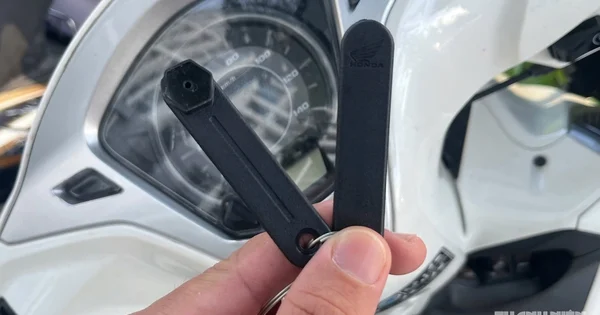
In the rapidly evolving landscape of modern motorcycle engineering, manufacturers have integrated a plethora of convenience features designed to streamline the user experience for scooter owners. Among these, the inclusion of a small, seemingly nondescript plastic tool with a hexagonal head attached to the smart key fob has long been a source of confusion for many riders. Often dismissed as a mere aesthetic accessory or a redundant piece of plastic, this component serves a critical, albeit rarely utilized, mechanical purpose. It acts as an essential emergency override key, specifically engineered to grant access to the under-seat storage compartment in situations where electronic systems fail. Understanding the function, placement, and application of this tool is a vital piece of knowledge for any scooter owner who wishes to avoid being stranded by a malfunctioning locking mechanism.
The Evolution of Smart Key Systems in Scooters
Over the past decade, the automotive industry has shifted decisively toward convenience-oriented technology. For the motorcycle and scooter market, this meant the phasing out of traditional mechanical ignition keys in favor of Smart Key or keyless entry systems. These systems rely on radio frequency identification (RFID) or proximity sensors to authenticate the rider’s presence, allowing the engine to start with the turn of a knob or the push of a button.
The transition to Smart Key systems brought significant benefits: enhanced anti-theft protection, increased ease of use, and a cleaner, more minimalist design for the handlebar area. However, it also introduced a new set of dependencies. Because the locking mechanisms for the ignition and the under-seat storage are now predominantly electromechanical, they require a constant power supply to function. When the internal battery of the key fob dies, or the vehicle’s main 12-volt battery becomes depleted, these electronic locks can become unresponsive, leaving the rider unable to access their helmet, documents, or personal belongings stored beneath the seat.
Anatomy of the Emergency Hexagonal Tool
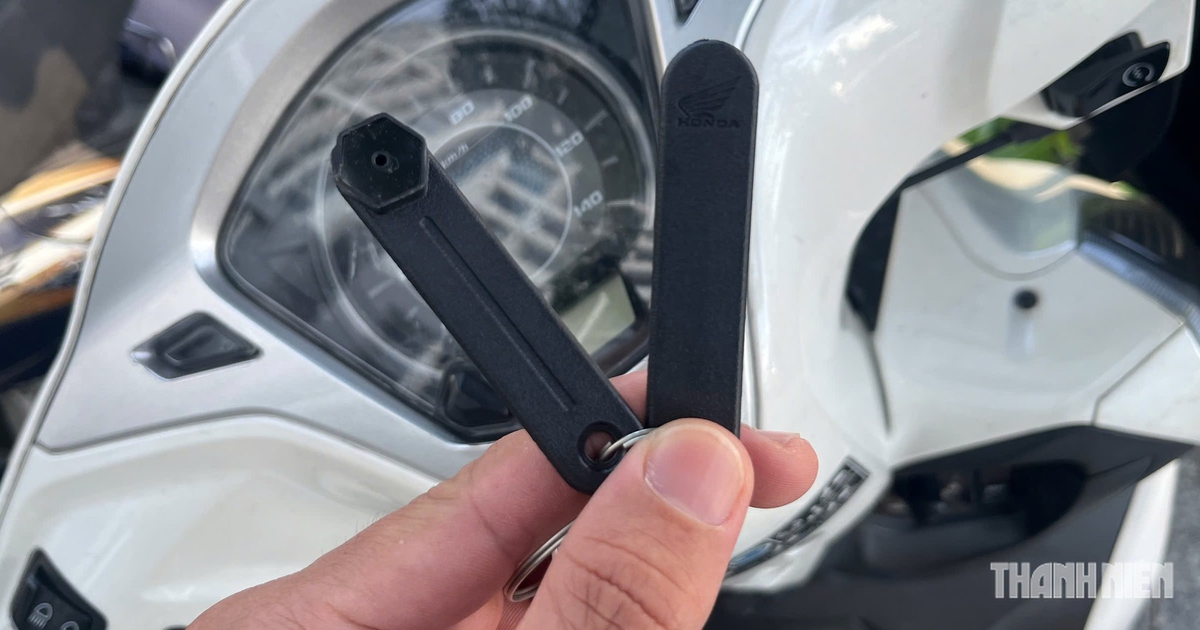
The emergency tool—often referred to as a "manual release lever" or "emergency key"—is typically molded from high-strength reinforced plastic. Its design is deceptively simple: a short, ergonomic handle connected to a hexagonal or custom-shaped protrusion.
This tool is intentionally designed to interface with specific manual override ports located on the chassis of the scooter. Because manufacturers prioritize security, these ports are almost always concealed behind small, removable plastic covers or panels, typically situated in close proximity to the main Smart Key control module or the seat hinge mechanism itself. By housing the tool on the key fob cluster, manufacturers ensure that the means to bypass an electronic failure is always physically present with the rider, provided the rider does not lose the key assembly itself.
Scenarios Requiring Manual Override
The primary utility of the hexagonal tool arises during critical system failures. Industry analysts and technical manuals identify three primary scenarios where this manual override becomes necessary:
- Dead Key Fob Battery: The most common issue is the exhaustion of the coin-cell battery inside the remote transmitter. Without sufficient power to broadcast the authorization signal, the scooter’s receiver cannot verify the key, rendering the remote seat-release button inactive.
- Depleted Vehicle Battery: The scooter’s main battery, typically a 12-volt lead-acid or AGM unit, powers the actuator responsible for unlatching the seat. If the battery is drained due to long-term storage, a faulty alternator, or leaving the lights on, the electrical signal from the ignition switch will fail to trigger the solenoid in the storage compartment.
- Electromechanical Component Failure: Like any motorized component, the seat release actuator or the associated wiring harness can suffer from mechanical wear or electrical shorts. In such cases, even if the battery is fully charged, the electronic request to open the seat will go unheeded.
Chronology of the Mechanical Bypass
To understand why this feature exists, one must look at the timeline of the industry’s response to consumer complaints. In the early years of widespread Smart Key adoption (roughly 2015–2018), many manufacturers faced significant feedback regarding "locked out" situations. Riders who had inadvertently left their keys inside the trunk, or whose batteries had died in remote locations, found themselves requiring professional roadside assistance to gain entry to their own vehicles.
By 2019, major manufacturers, particularly those dominant in the Asian scooter market, began standardizing the inclusion of the emergency release tool and the corresponding manual override port. This move was not just a convenience feature but a necessity to maintain customer satisfaction and minimize the liability associated with inaccessible storage, which often houses critical items like registration papers and insurance documents.
Operating Procedure: A Step-by-Step Guide
While the location of the override port varies by make and model, the general procedure remains consistent. Riders are encouraged to consult their owner’s manual upon taking delivery of their vehicle to identify the specific location of the port.
When an emergency occurs, the process typically involves the following steps:
- Locate the Port: Identify the small, often rectangular or circular, plastic cover near the rear of the scooter, typically under the tail fairing or near the seat pivot point.
- Expose the Mechanism: Using a flat-head screwdriver or a small coin (if the plastic cover is not easily removed by hand), gently pry open the cover to reveal the internal hexagonal socket.
- Engage the Tool: Insert the hexagonal end of the emergency tool into the socket.
- Manual Actuation: Depending on the specific design, turn the tool a quarter or half-turn, or push it in a designated direction to manually pull the latch cable or disengage the locking solenoid.
Broader Implications and Manufacturer Responsibility
From an engineering perspective, the inclusion of this manual tool represents a "failsafe" philosophy. In the automotive world, this is akin to the physical metal key hidden inside modern keyless fobs used to unlock driver-side doors. It acknowledges that technology, no matter how sophisticated, is subject to environmental stressors, aging, and power degradation.
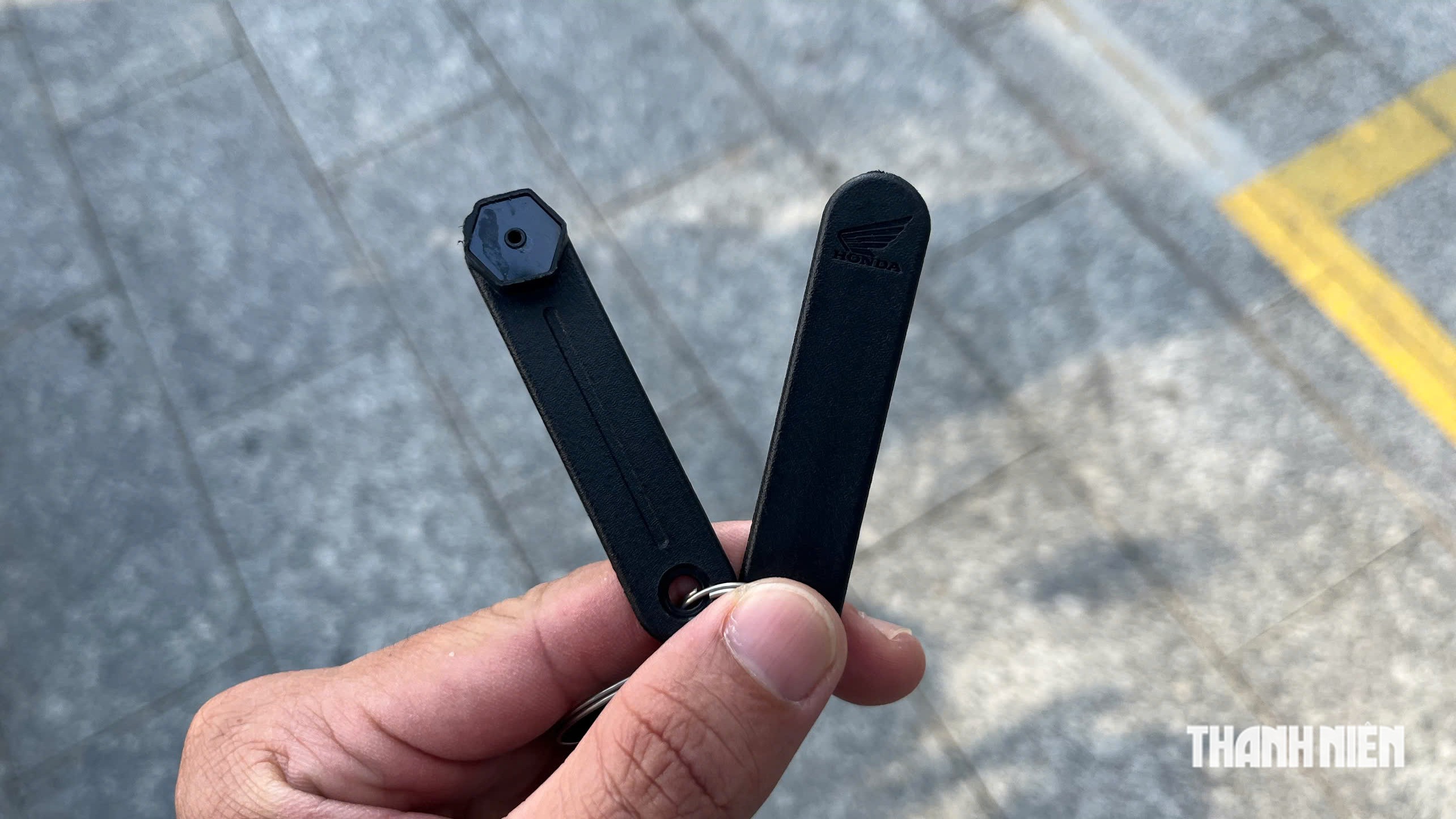
Manufacturers often emphasize during the vehicle handover process that this tool should never be separated from the main key chain. Dealers are instructed to demonstrate the location of the manual release port to new owners, as the stress of being unable to access one’s storage compartment often leads to panic, which in turn leads to improper use of the tool, potentially damaging the plastic fairings or the internal linkage.
Conclusion: Preparedness and Maintenance
The hexagonal plastic tool is more than a mere accessory; it is a vital component of the scooter’s operational security. While its usage frequency remains low, its importance in a worst-case scenario is absolute. Owners are advised to treat this tool with the same level of importance as the ignition key itself.
Regular maintenance of the scooter, including periodic checks of the vehicle’s battery health and the replacement of the Smart Key’s coin battery every 12 to 24 months, will minimize the necessity of using the manual override. However, having the knowledge of how to deploy the emergency tool ensures that, should technology fail, the rider remains in control of their vehicle. As the industry continues to integrate more advanced electronic systems, these manual "analog" backups will remain a staple of responsible and comprehensive vehicle design.
Related posts: